Why creative uses for electric scooters start with safe riding habits
Electric scooters have become a flexible mode of transportation in many urban areas. When you explore new ways to use an electric scooter, safe riding practices must guide every ride and every mile. Responsible riders treat each electric scooter as a vehicle that can save time but also cause harm if misused.
Before any trip, check the battery, the braking system, the lights, and the tires to ensure the scooter is mechanically sound. A quick pre-ride checklist—firm tire pressure, responsive brakes, tight stem and handlebars, and working front and rear lights—protects battery life, keeps the top speed predictable, and helps you avoid sudden failures in traffic where scooters will always be more vulnerable than cars. Regular checks are especially vital on powerful models such as a Kaabo scooter, whose high speed and long range demand disciplined maintenance.
Protective gear is non negotiable for both short and long rides. A certified helmet that meets CPSC, EN 1078, or similar standards, visible clothing, and gloves turn an already eco friendly scooter into a safer mode of transportation for daily commuting or campus errands. These simple habits let scooters offer the benefits electric vehicles promise without turning a cost effective solution into a medical bill.
Safe riding practices in busy city streets and shared spaces
Urban riders often use electric scooters to weave through dense city streets or link with public transit. In these crowded environments, safe riding means treating every intersection, bus stop, and bike lane as a potential conflict zone where traffic congestion can change in seconds. Riders who respect this reality save time and also save money by avoiding collisions and fines.
Speed discipline is central when you ride an electric scooter in mixed traffic. Many scooters reach 25 to 30 mph, but in narrow streets or near pedestrians, a lower speed keeps stopping distances short and the braking system effective. Think of top speed as a capability, not a target, especially when a shared scooter fleet mixes with buses, cyclists, and people stepping off public transportation.
Sidewalk rules vary by city, and safe riders learn them before any creative detour. Some cities ban sidewalk riding yet fail to build protected lanes, creating what many experts call a scooter safety paradox that leaves riders squeezed between fast cars and fragile pedestrians. When you plan new routes or errands, prioritize marked bike lanes and calm streets so scooters offer a friendly presence rather than a new source of risk.
Using electric scooters for campus life without compromising safety
On a large campus, creative uses for electric scooters can transform long walks into quick, efficient trips. Students use a scooter to move between lectures, labs, and housing, turning a 20 minute walk into a five minute ride that helps them save time for study or rest. Yet the same compact paths that make scooters great for campus transportation also demand strict safe riding practices.
Shared scooter programs around universities often operate alongside bikes, skateboards, and heavy foot traffic. In these environments, riders should cap their speed well below the scooter’s top speed and anticipate sudden movements from people looking at phones or rushing to class. A predictable line, clear hand signals, and early braking show respect for others and protect the benefits electric scooters bring to academic life.
Battery management matters on campus where multiple short trips can drain a battery faster than one long mile. Riders who monitor battery life and charge at safe, supervised points avoid pushing an electric scooter home or leaving it stranded in unsafe spots. Responsible charging—using the original charger, avoiding damaged outlets, and keeping batteries away from bedding or clutter—also reduces fire risks in dorms, keeping this cost effective mode of transportation compatible with strict housing rules.
Commuting, errands, and combining scooters with public transit
For commuters, creative uses for electric scooters often revolve around the first and last mile problem. Many people live too far from a train or bus stop to walk comfortably, yet too close to justify driving through traffic congestion every day. A compact electric scooter bridges this gap, linking home to public transit and turning fragmented routes into a smooth, time saving journey.
When you combine scooters with public transportation, plan your route around safe transfer points and secure parking. Some riders fold a lightweight scooter and carry it onto public transit, while others rely on a shared scooter near stations to finish the final mile. In both cases, obeying station rules, slowing to walking speed near platforms, and parking responsibly keeps this eco friendly solution welcome rather than banned.
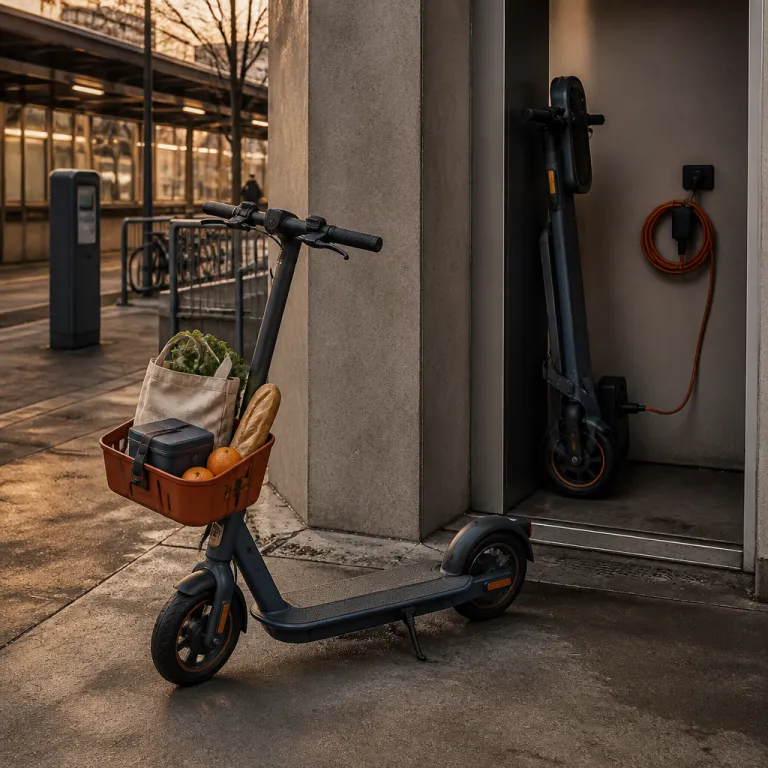
Errands offer another way scooters will change how people think about short distance transportation. A rider can use an electric scooter to pick up groceries, visit a pharmacy, or drop parcels, all while avoiding parking fees and reducing fuel cost. Over weeks, this pattern helps save time and save money, especially when a reliable battery and strong braking system make every ride predictable.
Managing speed, range, and battery life for safer creative rides
Many creative uses for electric scooters depend on understanding range, speed, and battery behavior. Manufacturers often quote ideal miles on a single charge, but real world conditions such as hills, rider weight, and frequent stops can reduce that range significantly. Safe riders plan for a buffer, assuming the practical mile range is lower than the brochure suggests.
Speed management is not only about obeying limits but about matching mph to conditions. On open paths with clear visibility, a higher speed may be reasonable, while in crowded city centers or campus quads, a slower pace keeps scooters friendly and non threatening. Treat the throttle as a fine control, not an on off switch, so the braking system never has to compensate for reckless acceleration.
Battery care directly affects both safety and long term cost. Avoid running an electric scooter battery to zero, and do not charge immediately after a high speed ride when the pack is hot. As a realistic example, a scooter advertised for 25 miles of range may deliver closer to 15 to 18 miles with hills, cooler weather, and stop start traffic. Good habits extend battery life, keep performance consistent, and ensure that the benefits electric scooters offer remain cost effective over years rather than months.
How creative daily use can still respect rules, budgets, and the city
When riders think about creative uses for electric scooters, they often focus on freedom and flexibility. Yet the most sustainable creativity respects traffic laws, local regulations, and the shared nature of streets and paths in dense urban areas. A scooter that helps you save time should never do so by putting pedestrians or cyclists at risk.
Financially, scooters offer a way to save money compared with owning a second car or relying on taxis for short trips. The initial cost of a quality electric scooter, even a high performance Kaabo model, can be offset by lower fuel expenses, minimal maintenance, and reduced parking fees over thousands of miles. For many households, this makes scooters great tools to manage both transportation needs and monthly budgets.
Environmentally, every electric scooter ride that replaces a short car journey reduces emissions and noise in the city. This eco friendly shift is most powerful when combined with public transit, walking, and cycling, creating a balanced mode of transportation mix that eases traffic congestion. As more people adopt scooters, safe riding practices and thoughtful parking will determine whether scooters will be seen as a lasting solution or a passing nuisance.
Key figures about electric scooter safety and usage
- In many large cities, shared scooter programs report millions of rides per year, showing how quickly this mode of transportation has become part of daily mobility. Industry and city reports consistently describe rapid growth in shared e-scooter trips across major urban areas.
- Studies from several transport authorities indicate that many electric scooter crashes occur within the first few miles of riding experience, highlighting the importance of early training and protective gear. New riders benefit from practicing in low traffic areas before entering busy streets.
- Data from urban mobility surveys show that a significant share of scooter trips replace short car journeys under 5 kilometers, which can meaningfully reduce local traffic congestion and emissions. Most shared scooter trips are short hops that would otherwise tempt people to drive.
- Research on injury patterns finds that helmet use can cut the risk of serious head trauma in scooter crashes, aligning scooter safety recommendations with long standing cycling evidence. Wearing a properly fitted helmet remains one of the simplest ways to reduce the severity of crashes.
FAQ about creative and safe electric scooter use
How fast should I ride an electric scooter in the city ?
In busy city streets, keep your speed close to bicycle pace, usually between 15 and 20 mph, and only approach the scooter’s top speed on clear, well separated paths with good visibility.
What safety checks should I do before every ride ?
Before each ride, inspect tire pressure, test the braking system, confirm that lights and bell work, and check that the battery has enough charge for your planned miles with a safety margin.
Can an electric scooter replace my daily car commute ?
An electric scooter can replace many short commutes, especially when combined with public transit, but longer or high speed routes on fast roads may still require a car or train for safety and comfort.
How do I use a scooter creatively without annoying pedestrians ?
Ride at walking speed near pedestrians, yield at crossings, signal clearly, and park only in designated or unobstructive spots so your creative routes remain friendly and welcome in shared spaces.
What affects the real world range of an electric scooter ?
Real world range depends on rider weight, hills, stop start traffic, temperature, tire pressure, and average speed, so expect fewer miles than the advertised figure and plan your trips with a buffer.