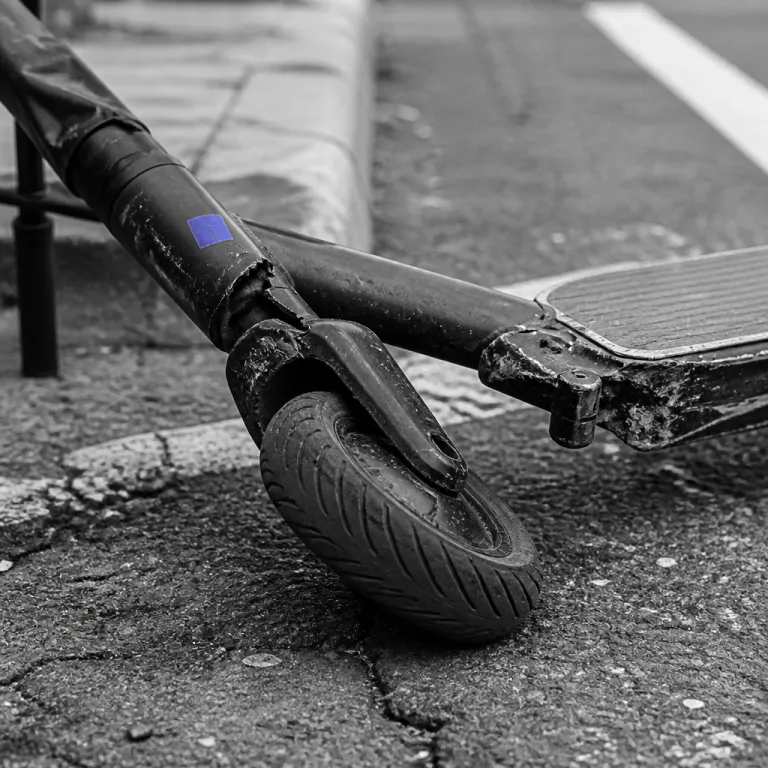
Why electric scooter collisions are a legal and financial trap
When an electric scooter collides with a pedestrian, the law rarely treats it as a harmless gadget. In most US cities the scooter is now treated as a vehicle for DUI purposes, which means the rider faces the same liability exposure as a driver in a compact auto after a street level accident. That gap between how riders see electric scooters and how courts see them is exactly where electric scooter insurance liability coverage becomes critical.
Start with the fine print in your homeowner or renter insurance policy, because that is where many riders assume protection lives. Those policies usually exclude any motorized scooter, electric bike, scooter moped or other scooters bikes once they can move faster than a walking pace, so the insurer can deny liability claims after a scooter accident on that basis alone. You might still have limited coverage for damage to property inside the home, but once you are riding outside, the personal protection you imagined often vanishes.
That exclusion matters when a low speed scooter accident sends someone to the emergency room. A single fractured wrist can generate medical bills that exceed several months of your take home pay, and more serious scooter accidents with head trauma or spinal injury can trigger six figure claims for both treatment and lost income. Without dedicated scooter insurance or broader liability insurance, the injured person’s lawyer will come after your personal assets and future wages, because the law does not care that your vehicle was an electric scooter instead of an auto motorcycle.
Urban commuters on Segway Ninebot Max G30 or Xiaomi Pro 2 models often underestimate this risk because their daily riding feels routine. You weave around pedestrians, roll past parked cars and treat the scooter like a folding bike, yet the legal system treats any collision like a motor vehicle accident once liability is argued in court. That is why serious riders now look at electric scooter insurance liability coverage the same way they look at auto insurance or motorcycle insurance, as a baseline cost of moving quickly through crowded streets.
There is another blind spot that shows up after a collision involving a rental scooter from a shared fleet. Those apps make you tap through long waivers that shift liability away from the rental business and back onto you, which means the rental scooter company’s insurance coverage is designed to protect the business first. The rental policy might cover certain hardware failures or catastrophic events, but it usually leaves ordinary riding accidents squarely in your lap as the responsible operator.
Even when a rental operator carries robust business insurance, the structure of that insurance policy matters more than the brand name on the scooter. Many business policies focus on damage to company property, such as the scooters themselves, while limiting liability coverage for injuries to third parties during normal riding. After a collision, you may find that the rental company’s insurer argues that your personal negligence, not their business operations, caused the accident, which pushes the claim back toward your own non existent scooter insurance.
Some riders assume that their personal auto insurance will quietly step in after a scooter accident, but that is usually wishful thinking. Standard auto insurance is written around vehicles that are registered, titled and rated for road use, so an unregistered electric scooter often falls outside the defined coverage territory. Even when an insurer offers a bundled auto motorcycle policy, the fine print often requires you to list each covered vehicle, and an unlisted scooter moped or electric bike will not trigger liability coverage after a crash.
Insurers have a simple reason for drawing this hard line between cars and electric scooters. Pricing any insurance policy requires data about speed, mass, braking distance and crash frequency, and the micromobility market is still volatile, with new models and use patterns emerging every season. Until insurance companies have enough stable data to price scooter insurance precisely, they will keep excluding these vehicles from traditional personal policies, leaving riders exposed unless they buy dedicated insurance electric products.
What actually happens after you hit someone on a scooter
The moment an electric scooter collides with a pedestrian, the scene stops being a commute and becomes a liability event. First responders and bystanders focus on immediate help for the injured person, but within days the conversation shifts to medical bills, lost wages and which insurance coverage, if any, will pay. That is when the absence of clear electric scooter insurance liability coverage turns a minor crash into a long running financial problem.
In a typical urban collision, the injured person’s health insurer initially pays the hospital, then looks for a responsible party to reimburse those costs. If you were riding an electric scooter without liability insurance, their lawyers may argue that your negligence caused the accident and demand repayment, which can escalate into a civil lawsuit if you refuse or cannot pay. Courts then examine your riding behavior, local required law for micromobility and any relevant insurance policy language to decide who ultimately bears the cost.
From the rider’s perspective, the first shock often comes when they call their insurer and hear that no scooter accident coverage exists. Homeowner and renter insurance might offer limited protection for damage to property, such as a broken phone or laptop in your backpack, but they usually exclude bodily injury caused by motorized scooters. Without a specific scooter insurance endorsement or standalone liability insurance, you are effectively self insured for every euro or dollar of harm you cause while riding.
That self insurance model works only until a serious injury occurs, because medical costs in US cities climb quickly. A moderate concussion from a scooter accident can involve imaging, observation and follow up care that easily exceeds the price of a premium electric scooter like the GoTrax XR Ultra several times over. When injuries are more severe, such as a broken hip in an older pedestrian, the total claims can rival those seen in mid level auto accidents, yet the rider often has no auto insurance or motorcycle insurance to lean on.
Rental fleets add another twist, because their user agreements often require you to waive claims against the company for ordinary negligence. That means the rental business may have strong business insurance to protect its own assets, but it will argue that your personal riding choices caused the collision, not any defect in the scooter. In practice, the injured party’s lawyer will still name both you and the rental operator in the lawsuit, then let the insurance companies and the court sort out which policy, if any, provides liability coverage.
For commuters who use shared scooters as part of smart ways to use electric scooters in daily life, this legal structure creates a hidden cost. You save money on parking and auto motorcycle fuel, but you carry the full liability risk every time you tap “ride” in the rental app. Without dedicated scooter insurance or a broader umbrella insurance policy, a single bad day can wipe out years of savings from micromobility commuting.
Some riders try to plug this gap with a personal umbrella policy that sits on top of their home and auto insurance. Umbrella coverage can extend liability protection to a wider range of accidents, including certain scooter accidents, but only if the underlying policies do not explicitly exclude motorized vehicles like electric scooters. You need to work with a qualified broker or find an agent who understands micromobility, then confirm in writing whether your umbrella will respond to a scooter accident in traffic or on a shared path.
Even when umbrella coverage applies, it usually activates only after a substantial threshold, such as the first several hundred thousand dollars of claims being exhausted. That means you may still need a primary layer of scooter insurance or specific liability insurance for micromobility to handle more common, lower cost accidents. The combination of a modest dedicated insurance policy and a well structured umbrella can turn a catastrophic risk into a manageable one, especially for riders who use electric scooters daily in dense urban cores.
Safe riding practices when the legal stakes match a car
Once you accept that an electric scooter can carry car level legal consequences, your riding habits should change. Safe riding practices stop being a matter of personal safety alone and become a strategy for reducing liability exposure, because every avoided collision is an avoided claim. Electric scooter insurance liability coverage is valuable, but the cheapest claim is the one that never reaches an adjuster.
Start with speed management, because most scooter accidents that injure pedestrians involve excessive speed for the environment. On a Segway Ninebot Max G30 or Xiaomi Pro 2, the difference between 15 km/h and 25 km/h can be the difference between a near miss and a hospital visit, especially on wet pavement or uneven sidewalks. Treat crowded areas like shared spaces where you are a guest, not a priority vehicle, and ride at a pace that would feel comfortable on a traditional bike weaving through the same crowd.
Braking performance is the next critical factor, and it is often oversold in marketing copy. Drum brakes require less maintenance but can fade on long hills, while mechanical disc brakes offer stronger bite but need regular adjustment to avoid rubbing and inconsistent stopping distances. If your scooter has only a rear electronic brake, you should assume longer stopping distances and ride with an even larger buffer, because any collision will be judged against what a reasonably careful rider on similar scooters could have avoided.
Weight and suspension also shape both safety and liability, especially for heavier riders. A scooter rated for 100 kilograms that regularly carries 110 kilograms will bottom out more easily, lengthen braking distances and increase the chance of structural failure, which can all contribute to a scooter accident that insurers and courts view as preventable. Riders who push weight limits should study detailed guidance on suspension setup for heavy riders, such as the tuning advice in this resource on preload adjustment when you exceed the stated weight spec.
Visibility and predictability matter just as much as hardware, because many liability disputes hinge on whether the rider behaved like a responsible road user. Use front and rear lights even in daylight, signal lane changes clearly and avoid weaving between lanes like a scooter moped trying to beat traffic, since erratic movement makes it harder to argue that a later collision was unavoidable. When a claim reaches an insurance company, video evidence from dashcams or street cameras often decides whether the rider or the driver bears primary liability.
Age and physical stability also influence both risk and how a court views your riding choices. Older riders or those with balance issues should consider electric scooters for seniors that emphasize stability, seat options and confidence at lower speeds, because a seated position can reduce both fall risk and the severity of injuries in minor accidents. Choosing a more stable platform is not just a lifestyle decision, it is a way to show that you matched your equipment to your abilities, which can matter when liability coverage is evaluated after a crash.
Helmet use, while not always required law for adults, plays a subtle role in liability discussions. In some jurisdictions, failing to wear a helmet can be framed as contributory negligence in a scooter accident, potentially reducing the compensation you receive if another party hits you. From an insurance perspective, consistent helmet use and other protective gear signal lower risk behavior, which can help when you negotiate terms for scooter insurance or broader insurance coverage with a cautious underwriter.
Finally, treat impaired riding on electric scooters with the same seriousness as drunk driving in a car. Many US states now apply DUI laws to scooters, which means a single night of bad judgment can cost your driver’s license, raise your auto insurance premiums and complicate any future claims involving liability coverage. The legal system no longer sees a tipsy rider on an electric scooter as a harmless novelty, it sees a motorized vehicle operator making a dangerous choice in public space.
Filling the insurance gap before regulators catch up
Regulators are moving slowly toward treating electric scooters like other motor vehicles, but riders cannot wait for perfect rules. New Jersey’s recent move to require registration and insurance for certain electric bikes is a clear signal that similar rules for electric scooters are coming, yet the current landscape remains a patchwork. Until a consistent required law emerges, urban commuters need to build their own electric scooter insurance liability coverage from the tools already on the market.
Dedicated micromobility insurance products are starting to appear, usually as app based policies that follow you rather than a specific scooter. These policies can bundle liability coverage, limited medical payments and sometimes roadside assistance for breakdowns, though the latter is more common for higher powered scooters that function like small motorcycles. Pricing often depends on your riding frequency, local traffic conditions and whether you use the scooter for personal commuting or as part of a delivery business, because business use triggers different risk models.
For riders who already carry robust auto insurance and homeowner coverage, an umbrella policy can be a pragmatic bridge solution. When structured correctly, an umbrella can extend liability insurance to a wider range of personal accidents, including some scooter accidents, as long as the underlying policies do not explicitly exclude motorized scooters. The key is to work with an experienced broker or find an agent who understands how insurers classify electric scooters, electric bikes and scooters bikes, then get written confirmation that your umbrella responds to scooter related claims.
Internationally, several European countries already require liability coverage for certain classes of electric scooters, treating them more like low power mopeds than toys. In those markets, riders routinely buy small, dedicated scooter insurance policies that resemble motorcycle insurance in structure but with lower limits and premiums, which normalizes the idea that every motorized vehicle on public roads needs coverage. As US and UK regulators watch those experiments, they are likely to import similar frameworks, especially as scooter accidents become more visible in city injury statistics.
Until that regulatory convergence happens, riders should think like small business owners managing risk. Your daily commute on an electric scooter exposes you to the same kind of third party liability that a delivery business faces, even if you never earn a cent from riding. That mindset makes it easier to justify paying for targeted insurance coverage, because you are protecting your future income and assets in the same way a business insurance policy protects a company from ruinous claims.
Practical steps are straightforward, even if the market is still maturing. Start by listing every context in which you ride, including personal commuting, occasional rental scooter use and any side gig deliveries, then map which existing policies touch each scenario. Next, talk to at least two insurance companies about dedicated insurance electric options, ask whether they treat your scooter like an auto motorcycle or a separate class, and push for clarity on exclusions related to DUI, night riding and shared path collisions.
Once you have quotes, compare not just price but the structure of liability coverage, medical payments and property damage limits. A slightly more expensive insurance policy that clearly covers both personal and occasional business use may be worth more than a cheaper one that quietly excludes delivery work or rental platforms, especially if your life circumstances change. Remember that after a serious scooter accident, the only thing standing between you and a financially devastating judgment may be a few carefully chosen lines in an insurance policy you bought years earlier.
For riders who feel overwhelmed by the jargon, independent brokers can help translate. They can explain how auto insurance, homeowner coverage, business insurance and umbrella policies interact, then design a package that treats your electric scooter as a first class vehicle rather than an afterthought. The goal is simple but urgent, because once you are lying on the pavement or facing a lawsuit, it is too late to negotiate better terms for your electric scooter insurance liability coverage.
Key figures that frame the e-scooter liability problem
- In many US states, DUI laws now apply to electric scooters in the same way they apply to cars, meaning a conviction on a scooter can trigger suspension of a standard driver’s license and long term increases in auto insurance premiums, according to nationwide legal reviews by transportation law specialists.
- Hospital based studies in major US cities have found that a significant share of emergency department visits from scooter accidents involve collisions with pedestrians or fixed objects, with average treatment costs running into several thousands of dollars per case, which easily exceeds the annual cost of robust scooter insurance for most commuters.
- European regulators in several countries already require liability insurance for certain classes of electric scooters and low power mopeds, and early data from those markets show higher insurance uptake and clearer claims handling compared with US cities where coverage remains largely voluntary.
- Industry surveys of micromobility riders indicate that a large majority of electric scooter users assume their homeowner or renter policies will cover third party injuries, yet policy audits consistently show that most standard contracts exclude motorized vehicles from personal liability coverage once they exceed walking speed.
- Insurance market analyses suggest that dedicated micromobility policies offering liability coverage and limited medical payments can cost less per month than a typical streaming subscription for low mileage riders, which underlines how affordable basic protection can be compared with the potential financial impact of a single serious scooter accident.