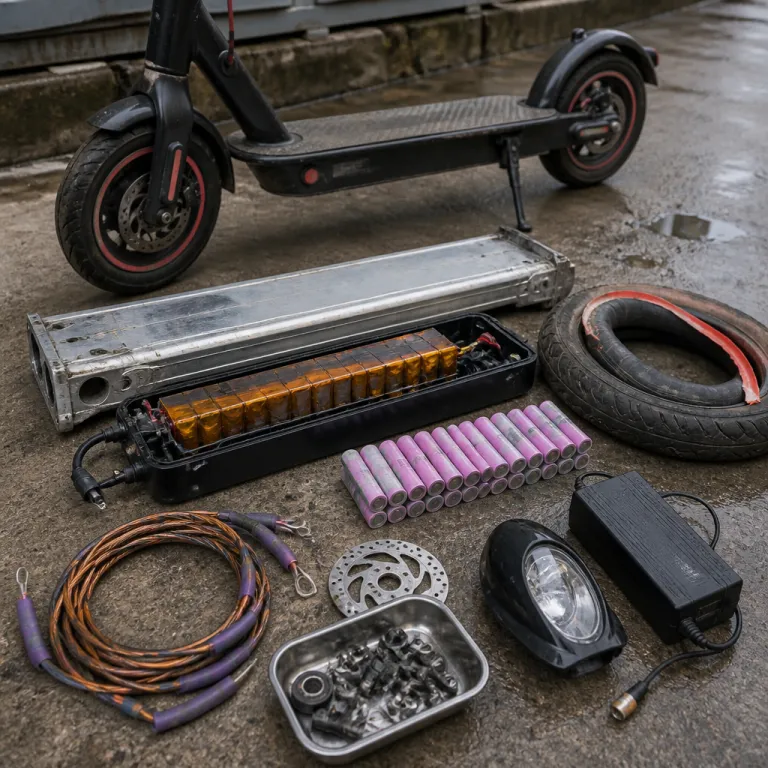
Why a used electric scooter inspection checklist matters
A structured used electric scooter inspection checklist protects both your wallet and your body. When you buy a second hand electric scooter without a plan, you miss hidden failures that turn a fun ride into a dangerous vehicle on a busy road. Treat every used scooter like a serious consumer product that must meet basic product safety expectations before you even think about your first ride electric weekend.
Most casual riders focus on top speed and shiny displays, yet real scooter safety depends on boring details such as brake pad wear, stem play, and battery health that help prevent sudden failures at 25 km/h on a crowded public path. Think of this checklist as the scooter equivalent of a pre purchase bike inspection, where you look past the paint and check whether the powered components, the frame, and the electronics still meet reasonable safety standards for everyday riders. When you apply the same discipline you would use for used bikes or pocket bikes, you turn a risky impulse buy into a predictable consumer product decision grounded in evidence rather than guesswork.
The same electric scooters that feel smooth on a short test loop can hide water damage, controller glitches, or cracked folding joints that only appear under stress, so you need a repeatable process that works across many scooters and scooter electric models. This used electric scooter inspection checklist gives you that process, with clear steps that you can run in a parking lot or driveway before handing over cash to a stranger. Follow it carefully and you will filter out most unsafe powered scooters long before you worry about accessories such as a scooter bike rack or cosmetic upgrades.
Battery, electronics, and the hidden history of the scooter
Start your used electric scooter inspection checklist with the battery, because a weak pack turns even the best electric scooters into expensive toys that cannot keep up with bikes on a safe road. On models like the Segway Ninebot Max G30 or Xiaomi Pro 2, open the companion app and check the cycle count, then watch for voltage sag by riding up a small hill and noting how fast the battery percentage drops under load. If the seller will not let you test this basic electric scooter behavior, treat that as a red flag and walk away before the product becomes your problem.
Look closely at the deck seams and charging port for corrosion, mineral deposits, or rust on connectors, because these signs of water damage often appear long before the scooter shows an error code on the display. A good used electric scooter inspection checklist always includes a slow power on test where you wiggle the stem and bars gently while watching for display flicker, throttle dead spots, or intermittent lights that suggest controller or wiring fatigue in the powered system. When you see mismatched screws, missing rubber gaskets, or an aftermarket charger on a supposedly low mileage scooter electric model, assume the vehicle has been opened and treat it like any other consumer product that may have lost its original product safety margin.
Provenance matters as much as electronics, so photograph the serial number and check it against stolen property databases and recall lists from the United States Consumer Product Safety Commission before you pay. A careful buyer treats every electric scooter as a regulated consumer product, not just a toy, and verifies that no open recalls or safety commission notices apply to that specific unit. For broader context on how different scooters behave in real riding conditions, you can read an in depth guide to electric scooters for informed urban riders, then return to this checklist with a clearer sense of which models age gracefully and which bikes or scooters tend to eat controllers every few hundred kilometres.
Frame, folding joint, brakes, and tires under real riding stress
Once the electronics pass, your used electric scooter inspection checklist should move to the frame, stem, and folding mechanism, because structural failures turn a simple ride into a serious safety event. Stand over the scooter, lock the front wheel between your feet, then grab the handlebars and push laterally to feel for play in the stem or folding joint that could compromise scooter safety at speed on a rough road. Hairline cracks around the hinge, latch, or welds are non negotiable deal breakers, since no casual consumer wants a powered vehicle that can fold unexpectedly during normal riding.
Brakes deserve the same scrutiny you would give to a commuter bike, so inspect pad thickness, rotor scoring, and cable tension on mechanical systems, or fluid level and lever feel on hydraulic setups, while imagining an emergency stop on a wet safe road. If the lever pulls almost to the grip before biting, or the rotor shows deep grooves, budget for immediate service and use that cost to negotiate or walk away from the product entirely. A serious used electric scooter inspection checklist treats braking performance as a core part of product safety, not an optional upgrade, because good safety tips always start with the ability to stop before you hit another scooter, bike, or pedestrian.
Tires tell you how the scooter has been ridden, so check tread depth, sidewall cracking, and any flat spots that suggest repeated skids or long storage, then listen for slow leaks on pneumatic tires by spinning each wheel near your ear. Solid tires avoid punctures but can develop flat sections that make the ride electric feel harsh and unstable, especially on lighter scooter bike frames with narrow decks. While you are down there, confirm that both wheels spin freely without grinding, because noisy bearings on used scooters often signal hard riding, poor maintenance, or water ingress that will shorten the life of the powered drivetrain.
Real world safety, regulations, and when used beats new
A used electric scooter inspection checklist is not just about mechanics, it is also about how safely the scooter fits into your local regulations and riding environment. Different cities set different rules for where scooters and powered scooters are allowed to ride, so confirm that the top speed, lighting, and braking of your chosen vehicle match what your public authorities expect on shared paths and roads. If the scooter has been modified for higher speed than stock, you may lose compliance with safety standards that the original consumer product was designed to meet.
From a safety perspective, a well maintained used Segway Ninebot Max G30 or GoTrax XR Ultra with stock firmware often beats a brand new no name scooter electric model that ignores product safety basics such as proper wiring, tested battery packs, and documented limits. Your used electric scooter inspection checklist should therefore include a sanity check on brand reputation, spare parts availability, and documented failures, because scooters from established makers tend to hold resale value precisely due to predictable maintenance and fewer catastrophic defects. When you see a cheap powered vehicle with no clear brand, no manual, and no listing on any safety commission database, that is usually the moment to keep your cash and look for a better product.
Used beats new when the scooter shows clean maintenance history, original charger, intact frame, and healthy battery, especially if you only plan relaxed weekend riding rather than daily commuting on busy roads. New beats used when the seller cannot explain past issues, the scooter fails basic braking or stem tests, or the model has a history of controller failures that leave riders stranded far from a safe road home. In every case, your goal is not just to save money but to choose a scooter that lets you ride electric with confidence, obey local regulations, and share space respectfully with bikes, pocket bikes, and pedestrians in public areas.
Gear, riding habits, and long term maintenance for safe used scooters
Even the best used electric scooter inspection checklist will not protect you if you ride without basic gear and common sense on the road. Every rider should wear a helmet that actually fits, because a proper scooter or bike helmet dramatically reduces head injury risk when a powered vehicle goes down at urban speed. If you are unsure how to choose one, a detailed guide to the best scooter helmet for safe and stylish city riding can help you balance comfort, ventilation, and certified protection.
Good safety tips extend beyond the helmet, so add bright lights, reflective tape, and a bell or horn to make your scooter more visible to bikes, cars, and pedestrians in mixed public spaces. Ride predictably in a straight line, signal turns with your arm when safe, and avoid weaving between parked vehicles, because erratic riding makes it harder for other road users to help prevent collisions. Treat your scooter like a small vehicle rather than a toy, and you will naturally respect speed limits, yield rules, and the informal etiquette that keeps shared paths feeling like a safe road for everyone.
Long term, the same discipline you used in your used electric scooter inspection checklist should guide your maintenance schedule, with monthly checks of tire pressure, brake feel, and bolt tightness, plus seasonal inspections for water damage after heavy rain. Store the scooter indoors, avoid charging immediately after a hard ride, and never bypass the original charger or battery management system, because these habits protect both product safety and battery lifespan. For deeper maintenance and range preservation tips in hot weather, you can study a technical guide on how summer scooter commuting affects range and tires, then adapt those lessons to your more relaxed weekend riding so your scooters stay reliable for many seasons.
FAQ
How can I quickly judge if a used electric scooter battery is still healthy ?
Check the battery percentage before and after a short uphill ride, then compare the drop to what the seller claims for range, because a large fall suggests voltage sag and reduced capacity. On app connected scooters, look at the charge cycle count and avoid packs with very high numbers unless the price reflects an imminent replacement. Finally, inspect the deck for swelling, heat marks, or a strong chemical smell, and walk away from any vehicle that shows these warning signs.
What are the biggest structural red flags on a second hand scooter ?
Any play in the folding joint, visible cracks near welds, or a latch that does not lock solidly are immediate reasons to reject the scooter. A used electric scooter inspection checklist should also flag bent handlebars, misaligned wheels, or a stem that does not sit perfectly straight over the front wheel. These issues often indicate crashes or heavy abuse that can compromise safety even if the scooter still rides in a straight line.
Is it safe to buy a used scooter that has been modified for higher speed ?
Speed modifications usually push the motor, controller, and battery beyond their tested limits, which can reduce reliability and void any remaining warranty or product safety protections. Many local regulations also limit how fast powered scooters are allowed to ride on public paths and roads, so a modified scooter may be technically illegal in your area. Unless you fully understand the electrical changes and accept the risks, a stock scooter from a reputable brand is the safer choice.
How often should I service a used electric scooter after purchase ?
Plan a basic check of tire pressure, brake function, and bolt tightness every month if you ride regularly, and more often after heavy rain or long trips. A deeper inspection of the folding mechanism, wheel bearings, and electrical connectors every six months helps prevent small issues from becoming dangerous failures. If you notice new noises, reduced range, or wobble at speed, stop riding and address the problem before returning to the road.
When is a used scooter simply not worth fixing ?
A scooter with a cracked frame, badly corroded battery, or repeated controller failures usually costs more to repair than to replace, especially if spare parts are hard to find. If your used electric scooter inspection checklist reveals multiple major faults at once, such as weak brakes plus stem play plus water damage, treat that as a parts donor rather than a project. In those cases, your money is better spent on a cleaner used model or a new scooter from a brand with strong parts support.