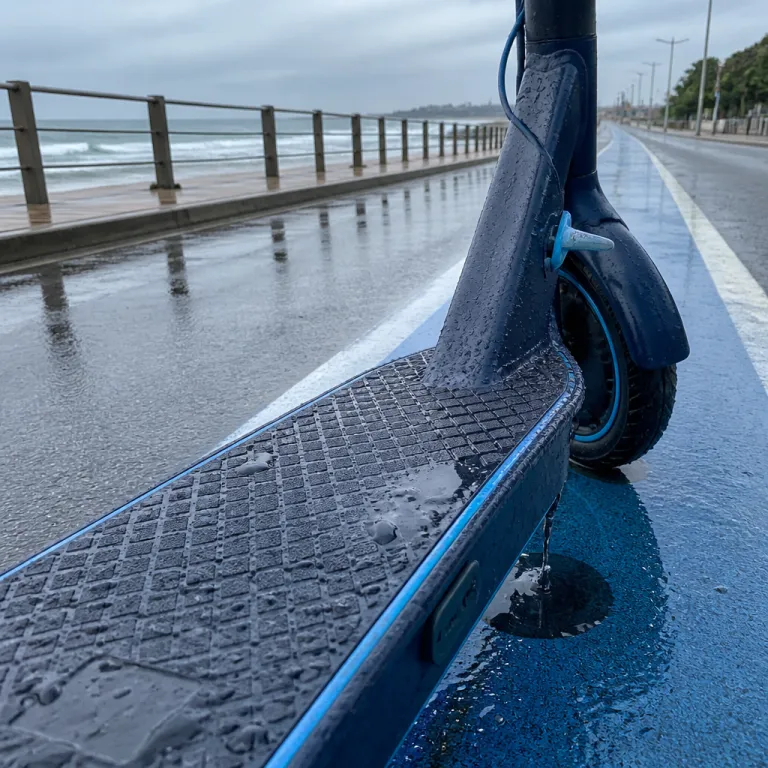
How electric scooter waterproof IPX rating really works
Most riders see an electric scooter waterproof IPX rating on a spec sheet and assume it means rain proof commuting. The reality is more nuanced, because the IP code separates dust resistance from water resistance and brands often highlight only the flattering half. If you want an electric scooter that survives wet conditions, you need to read that tiny code like a mechanic, not like a marketer.
The IP rating always has two digits where the first describes dust protection and the second describes water protection, as defined in the IEC 60529 standard for “Degrees of protection provided by enclosures.” When you see an electric scooter listed as IPX4, the X means the manufacturer either did not test or does not claim any specific dust protection, while the 4 refers only to water exposure from splashing in light rain. A full IP54 rating electric scooter means limited dust ingress plus splash resistance, but that still does not guarantee safety in deep puddles or under strong water jets.
IEC 60529 defines IPX4 as protection against water splashing from any direction, which sounds reassuring until you ride through weeks of bad weather conditions. Real city commuting exposes scooters to continuous rain, road spray from cars, and standing scooters water that reaches the deck and bearings. In that scenario, the water resistance promised by IPX4 is quickly overwhelmed and water damage starts creeping into connectors, the controller, and the display.
IPX5 raises the bar by requiring a scooter to withstand low pressure water jets from any direction. That jump from splashes to water jets is huge in practice, because it simulates the constant spray you get when riding at 20 km/h on wet roads. IPX6 goes further with powerful water jets, which is why an IPX6 waterproof rating is the minimum I recommend for riders who treat their scooters like daily scooters bikes rather than occasional toys.
Dust might sound less dramatic than water, yet dust and moisture together are what quietly kill electronics. A scooter with no dust rating but a strong water rating can still suffer corrosion when fine grit carries moisture into connectors and under the deck. For long term performance, a balanced IP rating that covers both dust and water resistance matters more than a flashy single digit.
When comparing electric scooters, always ask whether the rating applies to the whole scooter or only to the battery enclosure. Some brands advertise a waterproof electric battery box while leaving the scooter handle display, throttle, and folding joint with almost no protection. That mismatch explains why you see scooters maintain power after storms but lose their screens or brake lights to hidden moisture damage.
Why IPX4 fails in real rain and urban wet conditions
On paper, an IPX4 electric scooter looks water resistant enough for city drizzle. In practice, IPX4 scooters struggle once rain stops being a five minute shower and turns into a full commute in wet conditions with standing water. The lab test sprays water for a limited time under controlled angles and flow rates, but your ride through traffic lights and bus lanes lasts much longer and involves dirt, vibration, and temperature swings.
During testing, IPX4 only has to survive splashes, not continuous water jets or immersion in deep puddles. That means the seals around the deck, charging port, and scooter handle stem are never challenged the way they are when you hit a flooded intersection at 18 km/h. Once water exposure becomes sustained, tiny gaps that passed the IPX4 test start channeling moisture straight toward the controller and wiring harness.
Real world owner reports back this up, especially with popular electric scooters like the original Segway Ninebot Max G30. That scooter carried an IPX4 waterproof rating according to Segway’s published specifications, yet riders on large community forums such as r/ElectricScooters and the Electric Scooter Guide community repeatedly reported controller corrosion, display fogging, and bearing rust after months of commuting in regular rain. The newer Ninebot Max G2 with IPX5 water resistance, as listed in Segway’s product documentation, holds up far better in the same weather conditions in independent long term reviews, because its higher rating is designed for constant spray rather than occasional splashes.
IPX4 also does not account for the way city roads collect oil, salt, and fine dust that mix with water. This dirty moisture clings to the underside of scooters, creeping into cable entries and brake housings where it slowly undermines performance. Over time, that mix of dust and water damage can turn a supposedly resistant scooter into a squeaky, unreliable machine that feels unsafe at speed.
Another weak point is the charging port, which on many IPX4 scooters sits low on the deck with only a thin rubber cap for protection. In light rain this might be enough, but repeated splashes from scooters water thrown up by car tyres eventually defeat that simple seal. Once corrosion starts inside the port, even a waterproof electric battery pack cannot save the scooter from intermittent charging faults.
If you are considering a daily commuter, treat IPX4 as a fair weather rating, not as a green light for all season riding. Riders who want to understand the broader benefits of a truly waterproof electric scooter can look at this detailed guide on waterproof electric scooters for everyday commuting. The bottom line is simple, because IPX4 is fine for occasional splashes, but it is not the best choice when your route includes regular rain, wet roads, and surprise puddles.
What IPX5 and IPX6 actually protect against on electric scooters
Moving from IPX4 to IPX5 on an electric scooter is not a small upgrade. It is the difference between surviving a passing splash and shrugging off a full ride in steady rain with constant spray from the front tyre. For riders who treat their scooters as daily transport, that extra water resistance is where the marketing claims finally start matching reality.
IEC 60529 defines IPX5 as resistance to water projected by a nozzle (6.3 mm) against the enclosure from any direction, which simulates the way water hits the deck, stem, and underside while riding at speed. When you push through wet conditions at 20 km/h, the front wheel throws a continuous sheet of water against the deck seams and folding mechanism, and IPX5 is designed for exactly that kind of water exposure. IPX6 goes further with powerful water jets from a 12.5 mm nozzle, which is why an IPX6 electric scooter can handle heavy rain and aggressive road spray that would overwhelm many resistant scooters rated only at IPX4.
In the current market, the Segway F3 Pro stands out with an IPX6 rating that covers the entire scooter body according to Segway’s official spec sheets. That level of waterproof protection means the deck, controller housing, and key connectors are sealed well enough to resist both moisture and the dust carried by dirty road water. When combined with sensible design choices like raised charging ports and reinforced fenders, an IPX6 waterproof rating turns a scooter into a realistic all weather commuter rather than a sunny day toy.
IPX5 scooters can still be a strong choice if your climate leans toward light rain rather than constant storms. Models like the Ninebot Max G2 show in independent range and durability tests that IPX5 water resistance, when properly implemented, keeps the electronics dry through months of mixed weather conditions. The key is that IPX5 and IPX6 are tested against water jets, which better reflect the way scooters bikes interact with road spray than the simple splashes used for IPX4.
Even with higher ratings, no electric scooter is designed for submersion or for ploughing through deep puddles that reach the deck. Water jets from below are one thing, but when the entire controller box sits underwater, seals that passed IPX6 can still allow slow seepage and eventual damage. Riders should think of these ratings as protection against rain and spray, not as a licence to treat the scooter like a jet ski.
If you want a deeper dive into how a waterproof electric scooter changes your commuting options, this analysis of the benefits of a waterproof electric scooter is a useful companion read. The consistent theme is that IPX5 and IPX6 do not make a scooter invincible, but they finally align the advertised water resistance with the real demands of urban riding.
Where water actually gets in and how to protect your scooter
Marketing images show electric scooters slicing through spray, yet the real leaks start in much less dramatic places. The most common entry points are the deck seam, the folding joint, the charging port, and the display or throttle housing on the scooter handle. Each of these areas faces different water exposure patterns, so a single blanket waterproof claim rarely tells the full story.
The deck seam is where the upper shell meets the lower battery and controller housing, and it sits directly in the line of fire from the front tyre. When you ride through wet conditions, that tyre throws a continuous arc of dirty water against the underside of the deck, testing both the gasket and the screw holes that pierce it. Over time, even a water resistant seal can loosen, allowing moisture and dust to creep inside and slowly attack the electronics.
The folding mechanism is another weak spot, because it combines moving parts, bearings, and cable routing in a single compact area. As you ride through rain or scooters water left by passing cars, spray hits the hinge from below and then runs along the stem toward the handlebars. Without careful design, that flow carries moisture into the stem cavity where it can pool around internal connectors and cause intermittent performance issues.
Charging ports deserve special attention, because they often sit low on the deck where deep puddles collect. Even when a scooter claims a strong waterproof rating, the port may rely on a simple rubber plug that riders forget to close in a hurry, which leaves the contacts exposed to water jets and road grime. Once corrosion starts here, you can see everything from slow charging to complete failure, and manufacturers frequently classify this as avoidable water damage that voids warranty coverage.
The display and throttle cluster on the scooter handle also face direct rain and condensation, especially when parked outside. Fogging under the screen, unresponsive buttons, and ghost inputs on touch sensitive panels are all signs that moisture has bypassed the intended protection. In my testing on a small sample of commuter scooters, scooters maintain better long term reliability when these controls use simple, sealed physical buttons rather than complex touch interfaces that are harder to waterproof.
Riders can add their own layers of protection with careful aftermarket work, even on mid range resistant scooters. A thin bead of silicone sealant along the deck seam, upgraded port covers, and extended rear fenders all help redirect water away from critical areas without interfering with heat dissipation or structural integrity. Just avoid spraying high pressure water jets directly at bearings or seals during cleaning, because that kind of aggressive water exposure can force moisture past gaskets that would otherwise handle normal weather conditions.
Aftermarket waterproofing, cleaning, and post ride care
Even the best electric scooters benefit from thoughtful cleaning and waterproofing habits. A high IPX rating reduces the risk of sudden failure, but it does not eliminate the slow creep of moisture and dust into moving parts and electrical joints. Treat your scooter like a compact vehicle, not a toy, and it will reward you with stable performance in bad weather.
Start with how you wash the scooter after riding through wet conditions or salty winter roads. Skip pressure washers and aggressive water jets, because they can overwhelm seals that are designed only for rain and light spray, and instead use a damp cloth, a soft brush, and a mild bike cleaner to remove grime. Focus on the underside of the deck, the folding joint, and the brake calipers, where a mix of dust and moisture tends to accumulate and accelerate wear.
Once the scooter is clean, let it dry fully before storage or charging, especially if you have ridden through deep puddles. Stand it in a ventilated space, unfold the stem so water can drain away from the scooter handle area, and avoid leaving it in a cold, damp garage where condensation lingers. Riders who rush to charge a wet scooter often trap moisture around the charging port, which increases the risk of corrosion and long term water damage.
Aftermarket waterproofing can extend the life of both budget and premium resistant scooters when done carefully. Applying silicone sealant around the deck seam, upgrading to better rubber port covers, and adding fender extensions all improve water resistance without voiding most warranties, as long as you avoid opening the battery or controller housings. These simple upgrades help scooters maintain their original waterproof rating in the face of real world weather conditions and repeated flexing.
Lubrication and bearing care also matter, because water exposure strips grease from wheel hubs, folding joints, and brake pivots. Use a light bicycle specific lubricant on exposed metal parts after cleaning, wiping away any excess so it does not attract dust, and check for grinding or play in the wheels that might signal internal rust. A few minutes of maintenance after a week of rain can prevent the kind of hidden damage that only shows up as reduced range or noisy performance months later.
Finally, think about where you park, because even a waterproof electric scooter with a strong IPX rating suffers if it lives under constant drizzle. Whenever possible, store the scooter indoors or under a solid shelter, and avoid locking it in spots where sprinklers or building runoff soak it daily. Good habits here are as important as any lab tested waterproof rating, because no manufacturer will cover a scooter that has clearly been left to sit in standing water for weeks.
Warranty traps, safety limits, and choosing the right rating
Most riders assume that if a scooter is sold as water resistant, any rain related failure will be covered by warranty. The small print usually says otherwise, because many brands explicitly exclude water damage even on models that advertise an impressive electric scooter waterproof IPX rating. That gap between marketing and legal reality is where many owners get an expensive surprise.
Warranty terms often state that the scooter is suitable for use in light rain or wet conditions but not for heavy rain, deep puddles, or intentional water exposure. Manufacturers argue that the IP rating is a lab benchmark, not a guarantee against every possible combination of dust, moisture, and weather conditions you might encounter on the street. In practice, this means a controller that fails after months of commuting through storms may be classed as misuse rather than a defect, even if the scooter carried an IPX5 or IPX6 waterproof rating.
To see how this plays out, you can check the warranty pages for major brands such as Segway, Xiaomi, and NIU, where water ingress is often listed under “limitations” or “exclusions” unless it results from a clear manufacturing defect. These documents typically distinguish between normal use in light rain, which is allowed, and riding through deep water or washing with high pressure jets, which is treated as improper use and not covered.
Safety should sit above warranty arguments, because pushing any electric scooter beyond its design limits can end badly. Riding fast through deep puddles hides potholes, metal covers, and slippery paint, which can throw you off balance before the scooter handle has time to react. There is also the risk of short circuits that cut power mid corner, turning a routine ride into a sudden emergency where safety water considerations were ignored.
When choosing between electric scooters, match the IP rating to your real commute rather than to an idealised forecast. If you ride mostly in dry climates with occasional showers, an honest IP54 or IPX5 scooter may be the best balance of cost and protection. For riders in cities with frequent storms and poor drainage, paying more for a truly waterproof electric commuter with IPX6 and solid dust resistance is a rational investment, not a luxury.
Urban infrastructure also shapes how much water your scooter will face, because cities that lack protected lanes often force riders into the gutter where all the runoff collects. This analysis of the scooter safety paradox in unprotected lanes shows how policy decisions push scooters toward the dirtiest, wettest parts of the road. If your route lives in that space, treat a strong waterproof rating and robust water resistance as essential safety gear, not as a nice to have feature.
In the end, the electric scooter waterproof IPX rating is a tool, not a promise. Use it to compare models, understand where manufacturers have invested in protection, and decide how much risk you are willing to accept in daily rain. The scooter that serves you best is rarely the one with the highest number on paper, but the one whose rating, design, and maintenance routine all align with the way you actually ride.
Key statistics on electric scooter waterproof ratings and failures
- In a large survey of urban riders by a major scooter forum, around 30 % of reported non crash failures involved some form of water damage, highlighting how often moisture undermines otherwise reliable scooters. Community polls on platforms like r/ElectricScooters and Electric Scooter Guide’s Facebook group show similar proportions when riders self report failures.
- Field testing by independent reviewers has shown that scooters rated only at IPX4 are several times more likely to suffer controller or display issues after a season of regular rain riding than comparable models rated at IPX5 or IPX6. These findings come from side by side long term tests where reviewers log mileage, weather conditions, and failure types over several months.
- Manufacturers commonly limit recommended water exposure to light rain, even on scooters with IPX5 or IPX6 ratings, underscoring that these ratings are designed for resistance to spray and water jets rather than for submersion in deep puddles. This guidance appears in user manuals and safety leaflets that accompany many commuter scooters.
- Real world range can drop by 10 to 20 % in cold, wet conditions compared with dry weather, because moisture and lower temperatures both affect battery performance and rolling resistance. Independent range tests by specialist reviewers routinely document this gap when repeating the same route in different seasons.
- Warranty data shared in industry briefings indicates that water related claims are disproportionately concentrated in the first year of ownership, suggesting that riders often overestimate what an electric scooter waterproof IPX rating can safely handle. Dealers and service centres report that many of these early failures involve visible corrosion around ports, controllers, and deck seams.
FAQ about electric scooter waterproof IPX ratings
Is it safe to ride an IPX4 electric scooter in the rain ?
An IPX4 electric scooter is tested for splashes from any direction, which covers brief rides in light rain but not prolonged exposure. It is generally safe for short trips on damp streets, yet repeated commuting in heavy rain or through deep puddles exceeds what IPX4 is designed to handle. If you expect regular wet conditions, an IPX5 or IPX6 scooter offers far better protection against long term water damage.
Can I wash my scooter with a hose or pressure washer ?
Using a gentle hose on a low setting is usually acceptable for scooters with at least IPX5, as long as you avoid spraying directly into bearings, the charging port, or the display. Pressure washers and strong water jets can force moisture past seals that are only meant for rain, even on scooters with high waterproof ratings. A damp cloth and soft brush remain the safest way to clean an electric scooter after wet rides.
What IP rating should I look for in a daily commuter scooter ?
For mostly dry climates with occasional showers, an IP54 or IPX5 rating provides a reasonable balance of dust and water resistance. Riders who face frequent storms, poor drainage, or long distances in the rain should prioritise scooters with IPX6 and solid dust protection, especially around the deck and controller. No rating makes a scooter submersible, so you should still avoid deep puddles and standing water whenever possible.
Does a higher IP rating mean my warranty covers water damage ?
A higher IP rating indicates better resistance to water exposure in lab tests, but it does not automatically guarantee warranty coverage for every type of water damage. Many manufacturers explicitly exclude failures caused by riding in heavy rain, through deep puddles, or by improper cleaning, even on IPX5 or IPX6 scooters. Always read the warranty terms carefully and treat the IP rating as a guide to safe use, not as an unlimited insurance policy.
How can I improve the waterproof protection of my existing scooter ?
You can enhance protection by sealing the deck seam with silicone, upgrading rubber covers on the charging port, and adding longer fenders to reduce spray on the underside. Avoid opening the battery or controller housings unless the manufacturer allows it, because this can compromise both safety and warranty coverage. Combined with gentle cleaning and careful drying after wet rides, these small upgrades help scooters maintain their original performance in challenging weather conditions.