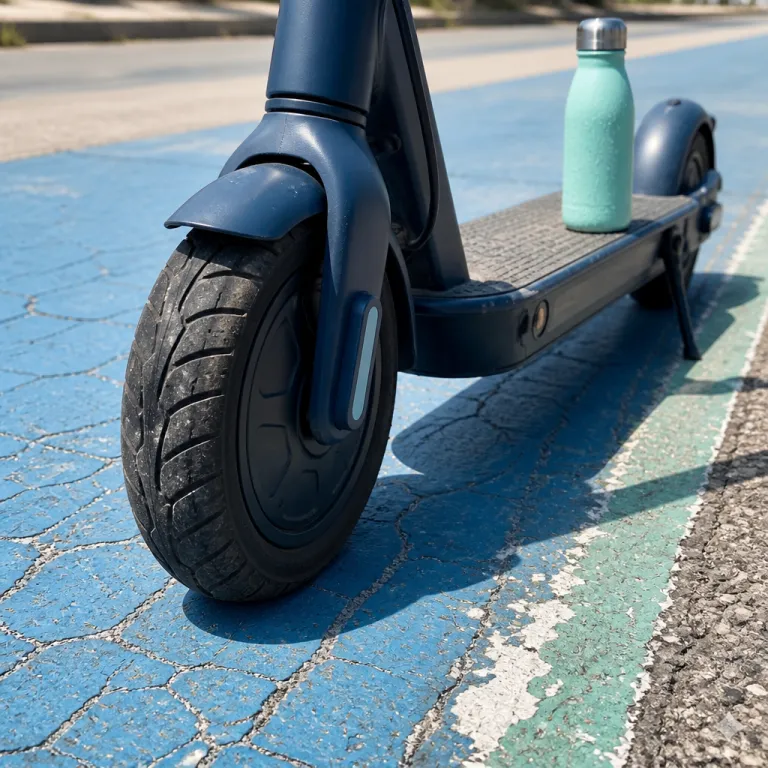
How summer heat silently drains your electric scooter battery
How summer heat silently drains your electric scooter battery
When the pavement shimmers, your electric scooter battery is already losing ground. In hot summer weather conditions, lithium-ion cells inside an electric scooter pack generally run best in a moderate band of roughly 15 to 35 °C according to most manufacturer datasheets, and once battery temperature climbs beyond that window the chemistry ages faster and your real-world range drops. On a typical urban ride, that means the same scooter that felt strong in spring can feel sluggish and short-ranged once summer heat settles over the road.
Think about a Segway Ninebot Max G30 or Xiaomi Pro 2 rated for around 40 km of range in mild temperatures. In hot weather around 35 °C, many riders and reviewers report electric scooter summer heat battery losses of roughly 10 to 15 percent, and if you push hard up hills or ride at full throttle, scooter performance can fall even further as the battery management system quietly limits current to protect battery health. Heavier riders, steeper terrain, soft tires and extra payload can all push that drop higher, while lighter riders on flat bike paths may see less impact, especially on scooters with larger packs or cooler-running LFP cells. The result is simple but annoying: your planned commute loop shrinks, and you either slow down or accept more frequent charging stops.
Summer scooter commuting also changes how you should treat ion batteries between rides. Leaving an electric scooter in direct sunlight on a dark deck or under a glass balcony can push internal battery temperature well above the air temperatures you feel, and that extreme heat accelerates capacity loss in every lithium-ion cell. To keep battery life higher over many seasons, park in shade whenever possible, keep the scooter battery around 40 to 70 percent charge for daytime storage, and avoid charging immediately after a long hot ride when the pack is still warm to the touch.
- Store the scooter indoors or in shade whenever you can.
- Aim for mid-level charge (around half full) for daytime parking.
- Let the deck cool before plugging in after hard summer rides.

Charging habits that protect battery life in hot weather
Most riders obsess over top speed but ignore how charging habits in summer heat quietly shape long-term battery health. If you plug in your electric scooters the moment you finish a sweaty ride, the pack often sits at high temperatures and high voltage together, which is exactly the combination that shortens the lifespan of lithium-ion batteries. A better routine is boring but effective: let the scooter cool for 20 to 30 minutes indoors, then start charging once battery temperature feels close to room level.
Timing matters almost as much as technique when the scooter summer sun is brutal. Aim to keep battery charging sessions for your electric scooter to early morning or late evening, when outside temperatures are lower and your apartment or garage is cooler, and always avoid charging in direct sunlight or inside a parked car where high temperatures can spike far beyond the forecast. If you use a smart charger or a product designed to optimize charging profiles, such as a dedicated juice box style charger discussed in this guide on maximizing your electric scooter battery life with a charger, set it to stop around 80 or 90 percent for daily commuting to keep battery stress lower.
There is also a time to avoid charging altogether. After a long uphill ride in hot weather conditions, especially on heavier scooters like the GoTrax XR Ultra carrying a 90 kg rider or a backpack full of groceries, the scooter battery can be hot enough that the internal protection circuits are close to their limits, and stacking more heat from the charger is a bad idea. Bring the scooter indoors, keep it away from radiators or other heat sources, and only plug in once the deck and side panels feel comfortably cool, which helps keep battery life steadier across many summers of electric mobility.
- Let the pack cool before charging after intense rides.
- Charge in cooler hours and never in direct sun or a sealed car.
- Stop daily charges short of 100 percent when possible.
Tires, road grip and range when temperatures spike
Heat does not just attack the battery; it also changes how your scooter meets the road. Pneumatic tires follow basic physics, so every 5 to 6 °C rise in temperatures can add roughly 0.5 PSI according to common tire gas laws, which means a tire set correctly in spring can be overinflated by mid-summer. On a fast electric scooter with narrow tires, that extra pressure sharpens steering but also reduces grip on hot asphalt and makes punctures from sharp debris more likely.
For daily commuting, you want scooter performance that balances safety, comfort and range rather than chasing the hardest possible tire feel. Check tire pressure at least weekly in hot weather, and aim for the lower half of the manufacturer’s recommended PSI range so that when the afternoon heat peaks, your tires are not ballooning beyond safe limits and your contact patch with the road stays generous. That slightly lower pressure also helps keep battery temperature in check because the motor does not transmit every vibration into the frame, which reduces mechanical stress on the scooter battery and other components during each ride.
Range expectations also need a seasonal reset. On a Xiaomi Pro 2 or similar mid-range electric scooters, a 25 km real-world ride in mild weather can shrink to 20 or 21 km once summer heat and hot weather headwinds combine with softer asphalt and higher rolling resistance, so plan your routes with a buffer rather than running the pack to empty. Heavier riders, frequent stop-start traffic and hills can push that loss beyond 15 percent, while lighter riders on eco mode may see smaller drops, especially on efficient scooters with larger-capacity packs. For longer summer scooter commutes, break the ride into two cooler segments when possible, keep battery drain gentler by using eco modes on flat sections, and study shaded streets or riverside paths where weather conditions feel less brutal on both you and the machine.
- Check tire pressures weekly and adjust for heat expansion.
- Ride in eco or lower power modes during the hottest hours.
- Plan routes with extra range margin and more shade.
Storage, safety and your own limits in extreme heat
What you do with an electric scooter between rides in summer can matter more than how you ride it. Leaving any electric scooter locked outside in direct sunlight all afternoon, or worse inside a sealed car boot, can push battery temperature far beyond safe operating limits and cause permanent capacity loss or even thermal runaway in damaged packs. Treat the scooter battery like a laptop or phone; if the space feels too hot for electronics, it is too hot for your electric mobility companion as well.
Indoor storage is not automatically safe either when summer heat builds. Keep the scooter in a ventilated area away from windows that focus sunlight on the deck, avoid draping jackets or bags over the battery compartment, and never park directly against heaters or hot water pipes, because those local high temperatures can quietly cook lithium-ion cells even when the room feels reasonable. If you are concerned about fake safety labels on chargers or packs, read this investigation into the UL certification crisis and fake safety labels before trusting any third party accessories with your scooter summer setup.
Finally, remember that your own performance is part of the system. In extreme heat, riders get dehydrated faster, reaction times slow, and the temptation to push speed on empty roads grows just as grip and scooter performance are compromised by slick rubber and softened asphalt. Carry water, wear breathable protective gear, keep rest stops in shade, and if the forecast shows high temperatures with oppressive humidity, consider shortening the ride or switching to public mobility for the worst hours so that both your body and your battery life stay in the safe zone.
- Store the scooter in cool, ventilated spaces away from heaters.
- Keep chargers and accessories from unverified sources out of hot areas.
- Prioritize your own hydration, shade and rest on extreme days.
FAQ
How much range do I lose from summer heat on my electric scooter?
Most riders see a range loss of about 10 to 15 percent on an electric scooter in hot summer weather compared with mild spring temperatures, based on typical user reports and independent tests. The combination of higher battery temperature, softer road surfaces and more frequent full-throttle riding all contribute to this drop. Heavier riders, hills and aggressive acceleration can push losses higher, while lighter riders on flat routes may see less. Planning routes with a small buffer and keeping battery life above 20 percent at the end of each ride helps avoid getting stranded.
Is it safe to charge my scooter battery right after a hot ride?
Charging immediately after a long ride in hot weather is not ideal for lithium-ion battery health. Let the scooter cool indoors for at least 20 to 30 minutes so that internal battery temperature falls closer to room level before you start charging. This simple habit reduces stress on ion batteries and helps maintain scooter performance over many summers.
Can I leave my electric scooter in a car during summer?
Leaving an electric scooter in a parked car during summer heat is risky for both safety and long-term battery life. Interior car temperatures can exceed 60 °C, which is far beyond the safe operating range for a scooter battery and can cause permanent capacity loss or, in extreme cases, failure. Whenever possible, bring the scooter indoors or store it in a shaded, ventilated area instead.
What tire pressure should I use for summer scooter commuting?
For summer scooter commuting, set pneumatic tires toward the lower half of the manufacturer’s recommended PSI range. As outside temperatures rise, tire pressure increases naturally, so starting slightly lower helps maintain safe grip and comfort when the road surface is hot. Check pressures weekly in hot weather conditions to keep handling predictable and reduce the risk of punctures.
How can I keep my electric scooter battery cooler in hot weather?
To keep battery temperature lower in hot weather, park in shade, avoid direct sunlight on the deck and do not store the scooter in enclosed spaces like car boots or unventilated sheds. Ride in gentler modes during the hottest hours, and schedule charging for cooler times of day such as early morning or late evening. These habits help preserve battery health and maintain consistent scooter performance throughout the summer.