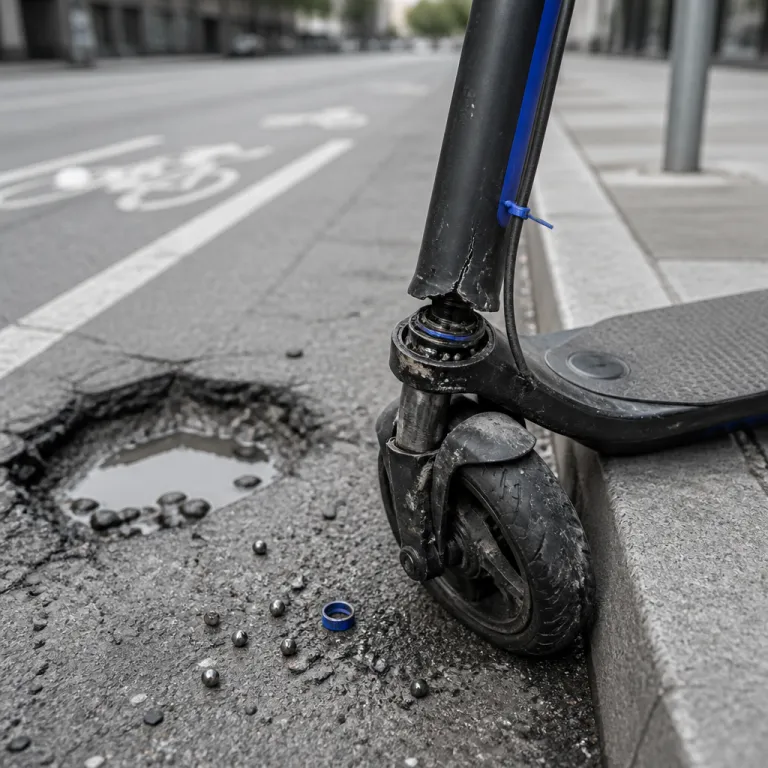
Why electric scooter pothole damage inspection matters more than you think
A sharp pothole hit on an electric scooter feels brief, almost trivial. That same impact can start a chain of hidden failures that later cause a scooter accident at full speed. In a dense city with patchy bike lane maintenance, ignoring electric scooter pothole damage inspection is how minor impacts quietly turn into major scooter accidents.
Every scooter rider feels that sick jolt when the front wheel drops into a hole. The scooter keeps rolling, the rider stays upright, and the public street looks unchanged, yet inside the stem, bearings and deck, stress has already been caused by that single hit. When scooter riders repeat this impact day after day, the risk of scooter injury, expensive repairs and even wrongful death cases rises far faster than most insurance brochures or rental company safety pages admit.
Shared scooters from a company such as Lime or Bird live the hardest lives. A rental scooter in a busy scooter city can hit dozens of sharp edges daily, often with heavier riders and no post ride inspection at all. Those scooters accumulate injuries in their frames the way people accumulate medical records, and when a scooter accident happens, the question in every accident claim is whether the damage was caused by one crash or by years of ignored pothole hits.
Stem stress, folding joints and the grab and twist test
The stem is the first structural victim when an electric scooter slams into a pothole. On commuter models like the Segway Ninebot Max G30 or Xiaomi Pro 2, repeated hits slowly ovalize the folding joint and can turn a once solid scooter into a wobbling lever. A serious electric scooter pothole damage inspection always starts at the stem, because a hidden crack here can turn a routine brake into a sudden scooter accident.
Look closely where the folding mechanism meets the deck and where the stem meets the headset, then run a fingernail along welds and corners to feel for hairline fractures. Tiny white lines in the paint, spider web patterns around welds or a faint ridge under your nail can signal metal that has already yielded under stress and could fail in a later case of emergency braking. If a scooter rider feels even a few millimetres of play when they perform a grab and twist test on the folded stem, that scooter should be treated as structurally injured, not just cosmetically scuffed.
To perform the grab and twist test, stand over the deck, clamp the front wheel between your feet and twist the handlebars firmly left and right. Any clunk, delay or independent movement between the stem and the front wheel means the folding joint or headset bearings have been caused to deform by impacts and now store energy like a loose hinge. On faster electric scooters such as the Mantis King GT, which is analysed in depth in this performance and comfort review, that kind of play can turn a small pothole into a tank slapper that throws the rider into the bike lane or traffic.
Headset bearings, wheel play and how potholes crush the rolling parts
Potholes do not just bend stems, they also crush the headset and wheel bearings that keep electric scooters tracking straight. When the front wheel drops into a hole, the bearing races take a sharp vertical hit that can dent their surfaces and create tiny flat spots. Over time those dents feel like a notch when the scooter rider turns the bars, and that notch can pull the wheel off line during a panic stop, increasing the chance of a scooter accident.
To check the headset after any serious impact, stand the scooter on level ground, squeeze the front brake and rock the scooter back and forth while feeling the junction between the stem and the frame. If you feel a click or hear a faint knock, the bearings may have been injured by compressed races or loose preload, and that is a classic early sign that a scooter injury could be caused later by steering failure. A careful electric scooter pothole damage inspection should include this test every few weeks in a rough city, especially for scooter sharing fleets where scooters see constant abuse but rarely get individual attention.
Wheel bearings suffer in a similar way, especially on heavier electric scooters with solid tires that transmit every impact. Grab the top of the tire and try to rock it side to side, then spin it and listen for grinding or rumbling that feels like sand in the hub. If there is play or noise, the bearing may already be damaged enough that a rental company or private owner should log it in maintenance records, because a seized bearing at speed can cause scooter accidents that lead to personal injury claims and long medical records for injured riders.
Deck rails, battery enclosures and what happens under your feet
Under the deck grip tape, most electric scooters hide an aluminium box that holds the battery pack and controller. When a front wheel hits a pothole, the impact travels through the head tube into the deck rails, and repeated hits can slowly deform that box and pinch the battery cells inside. A thorough electric scooter pothole damage inspection always includes flipping the scooter over and checking the deck enclosure for fresh scrapes, dents or bulges that were not there before a hard impact.
Look for sharp creases in the metal, gaps in the deck sealant or any place where the enclosure has been caused to bow downward toward the road. If the deck sits closer to the ground than it used to, or if the scooter bottoms out on speed bumps that it previously cleared, the internal rails may already be bent and changing the geometry of the whole frame. In extreme cases, crushed battery cells can overheat or fail, and while that is rarer than a typical scooter accident, it is serious enough that any rider who sees a deformed deck should stop riding and treat the scooter as injured equipment, not just scratched hardware.
Shared scooters such as a Bird scooter or Lime Bird model take this kind of abuse constantly, especially when riders jump curbs or ride fast through broken bike lanes. A scooter city that relies heavily on scooter sharing programs should require rental company operators to include deck inspections in their regular maintenance checklists, because the public has no way to see whether a rental scooter has a straight frame or a battery box that has already been hammered thin by thousands of impacts. For private owners, keeping simple photo records of the underside of the deck every few months can help in any later accident claim or insurance case where a scooter injury is linked to structural failure.
Suspension bushings, loose connectors and when damage becomes a safety issue
On suspended scooters, potholes slowly crush the rubber or polyurethane bushings that set ride height and damping. As those bushings compress, the scooter can sit lower, change its steering angle and shift more weight onto the front wheel under braking, which alters how the scooter behaves in an emergency stop. A serious electric scooter pothole damage inspection therefore includes measuring ride height at the deck and checking whether the suspension still rebounds cleanly or just sags and stays down.
Electrical connectors suffer a quieter but equally important kind of damage from repeated impacts. Every pothole hit sends a vibration through the wiring harness, and over months those vibrations can work push fit connectors loose, causing intermittent cutouts that are almost impossible to diagnose without patience and good maintenance records. When a scooter cuts power mid corner in a painted bike lane, the resulting scooter accident can look like pure rider error, yet the real cause may be a half seated connector that slowly backed out after hundreds of hits.
Inside the deck, check that all connectors are fully seated, that there are no exposed conductors and that the battery and controller are firmly mounted with foam or brackets, not rattling freely. If you ride at night, pair these checks with a review of your lighting, because a pothole you do not see is the one that will cause the next scooter injury, and a dedicated guide to minimum lighting for night riding on scooters is available in this article on night riding visibility and lighting setups. For riders who want a broader maintenance framework beyond pothole checks, a structured overview of electric scooters for informed urban riders can be found in this urban scooter guide, which helps connect daily inspection habits with long term reliability and fewer scooter accidents.
From inspection checklist to insurance, claims and infrastructure change
After any hard hit, run a quick checklist before the next ride. Check stem and folding joint play, headset knock, wheel bearing looseness, deck enclosure dents, suspension sag and any new noises or vibrations that were not present before the impact. Treat this as routine self defence, because every scooter rider who avoids one scooter accident through early detection also avoids the medical injuries, insurance paperwork and possible personal injury claim that follow.
If a crash does happen and you suspect that hidden pothole damage contributed, document the scooter condition immediately with photos and keep all service invoices and medical records together. In a scooter injury case, especially one involving a rental scooter from a scooter sharing company, those records can be crucial in proving whether the accident was caused by rider behaviour, poor maintenance by the rental company or dangerous public infrastructure. Lawyers handling scooter accidents and wrongful death suits often look for patterns in maintenance logs and prior complaints, because repeated failures in the same bike lane or on the same model can show that the risk was known but not addressed.
For shared fleets such as Bird Lime or other scooter city operators, building a culture of electric scooter pothole damage inspection is not just about protecting scooters, it is about protecting people. When companies include post impact checks in their standard operating procedures and train staff to pull any injured scooter from service, they reduce both accident claim exposure and real world harm. For private owners, the same mindset applies on a smaller scale, because a few minutes of inspection after a hard hit can be the difference between a forgettable jolt and a life changing scooter accident that no insurance payout can truly fix.
FAQ: electric scooter pothole damage and safety
How soon should I inspect my scooter after hitting a pothole ?
Check your electric scooter as soon as you safely can after any hard pothole impact. A quick electric scooter pothole damage inspection right away makes it easier to spot fresh cracks, dents or play before dirt and vibration hide the early signs. If the hit was strong enough to jar your hands or feet, treat it as a trigger for a full stem, bearing and deck check.
What are the most common hidden failures caused by potholes ?
The most frequent hidden failures are loose or notched headset bearings, play in the folding stem joint, dented wheel bearings and deformed deck or battery enclosures. Suspension bushings can also compress permanently, lowering ride height and changing braking behaviour in ways that increase the risk of a scooter accident. Electrical connectors that slowly work loose from vibration are another common problem that can cause sudden power loss at exactly the wrong moment.
When is pothole damage just cosmetic and when is it dangerous ?
Scratched paint, scuffed plastic and shallow deck scrapes are usually cosmetic if there is no change in handling, noises or alignment. Any new play in the stem, knocking in the headset, wobble in the wheels, change in ride height or visible cracks near welds should be treated as structural damage that can lead to scooter accidents. If you are unsure, stop riding and have a qualified technician inspect the scooter rather than gambling on a part that might fail at speed.
Can pothole damage affect an insurance or personal injury claim ?
Yes, pre existing pothole damage can be central in an insurance or personal injury claim after a scooter accident. Insurers and lawyers will look at maintenance records, photos and repair invoices to decide whether the accident was caused by sudden impact, long term neglect or a mix of both. Keeping clear records of inspections and repairs strengthens your position if you ever need to file an injury claim or defend yourself against one.
Are shared scooters more vulnerable to pothole damage than personal scooters ?
Shared scooters in scooter sharing fleets typically see far more daily impacts, heavier riders and less careful handling than privately owned electric scooters. That combination makes them more vulnerable to cumulative pothole damage, especially in cities with poor bike lane maintenance and frequent road works. Responsible rental companies try to include regular electric scooter pothole damage inspection in their fleet routines, but riders should still visually check any rental scooter before trusting it at full speed.