
Summary
Editor's rating
Value for money: good if you catch it at a decent price
Looks like every other scooter, which is not a bad thing
Battery and range: marketing vs real life
Comfort: firm ride, fine for city, not for pothole country
Build quality and durability: feels okay, but it’s still a budget scooter
Performance: 25 km/h is there, hills are okay, nothing more
What you actually get for the money
Pros
- Lightweight (around 11.8 kg) and easy to fold and carry
- Solid tyres mean no punctures and low maintenance
- Decent real-world performance for short commutes (around 20 km range, 25 km/h top speed)
Cons
- Ride is quite firm and uncomfortable on rough roads due to solid tyres and no suspension
- Brand is relatively unknown and quality control can be hit or miss
- Range claims (30–35 km) are optimistic unless you ride slowly and are quite light

Specifications
View full product page →| Brand | TODIMART |
A cheap way to stop taking the bus
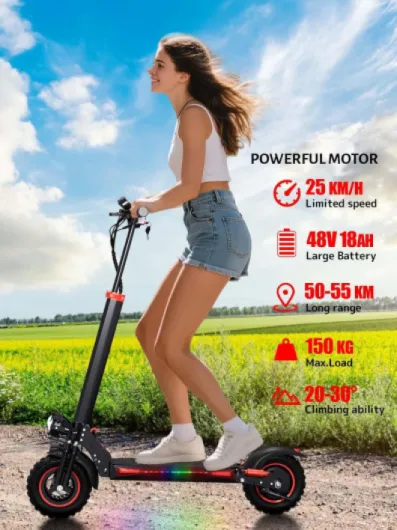
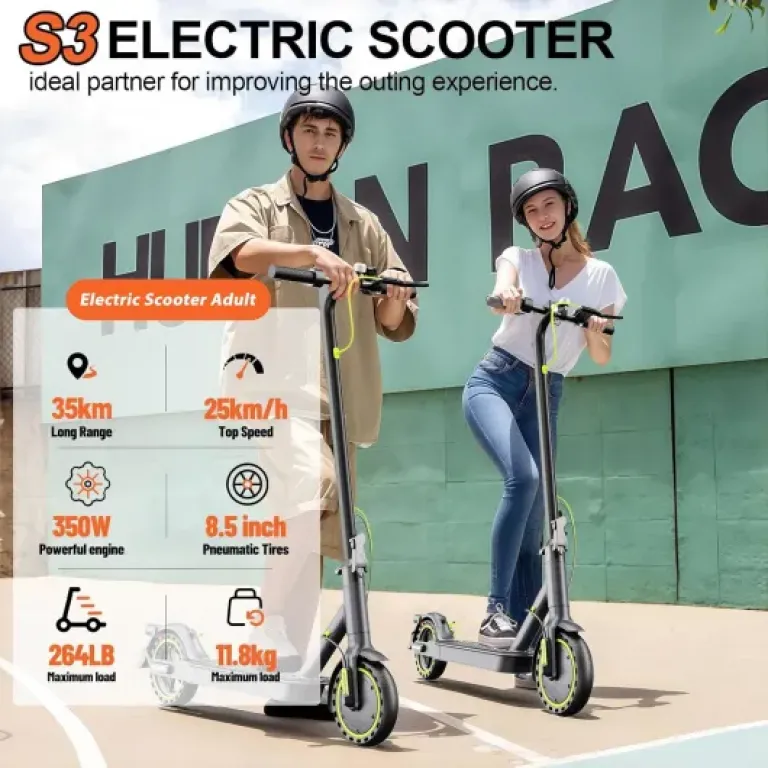
I’ve been using this TODIMART T3 electric scooter for a couple of weeks to replace short bus trips and lazy walks to the shops. I didn’t know the brand at all, so I went in with low expectations and the idea that if it was bad, I’d just return it. On paper it ticks the basics: 350W motor, about 30 km range, 25 km/h top speed, and it’s pretty light at around 12 kg. So I wanted to see if those numbers actually feel real in everyday use.
Most of my rides were short: 3–6 km runs to the supermarket, the gym, and a few longer 10–12 km spins just to drain the battery and see how far it really goes. I’m around 80 kg, so not super light but not pushing the 120 kg limit either. I used it mostly on flat city roads and cycle paths, with the odd small hill and a few rougher pavements to test the solid tyres.
First impression: it feels like a budget copy of the usual big-name scooters, but not in a terrible way. The controls are simple, the folding system is familiar, and if you’ve used any mid-range scooter before, you won’t be lost. It’s not flashy, it just looks like a generic black e-scooter. Which is fine for me; I care more about whether it moves me from A to B without drama.
Overall, after a couple of weeks, I’d say it does the job for short commutes and casual rides, but you need to be realistic. The quoted range is optimistic unless you’re light and always on flat ground, the ride is quite firm because of the solid tyres and no suspension, and build quality is okay but not premium. If you’re expecting something like a high-end Xiaomi or Ninebot, you’ll notice the difference, but for the price it’s decent as a first scooter or for teens.
Value for money: good if you catch it at a decent price
On the value side, this scooter sits in that affordable but not super cheap segment. It’s clearly cheaper than big-name models with similar specs, but it’s still a bit of money for something from a brand most people haven’t heard of. For what you pay, you get: a 350W motor, about 20 km real-world range, Bluetooth/app functions, solid tyres, and a fairly light 11.8 kg frame. That’s a decent package if your expectations are realistic and you mainly need a simple commuter.
Compared to more famous brands like Xiaomi or Ninebot in the same power range, you usually pay more for slightly better finishing, stronger brand support, and sometimes better spare parts availability. With TODIMART, you trade that for a lower price and still get most of the core features. If you’re on a tight budget or buying for a teen who might be rough with it, that trade-off can make sense. Just be aware that resale value later will probably be lower because the brand isn’t well known.
Where the value can dip is if you buy it at full price when other, better-known scooters are on sale. In that case, I’d probably lean toward the more established brand, even if it means losing Bluetooth or some minor feature. But if you find this TODIMART T3 on promo, it becomes a pretty solid deal for short urban trips, especially if you really want solid tyres and a lightweight frame.
So overall, I’d say the value is good but not mind-blowing. It’s a sensible choice for: first-time scooter users, teens, or adults doing short commutes who don’t want to spend big money. If you’re heavier, need long range, or ride in bad conditions often, it’s probably worth saving up for something sturdier and with a bigger battery, because pushing this one beyond its comfort zone will just highlight its limits.
Looks like every other scooter, which is not a bad thing
Design-wise, this TODIMART T3 is very generic, and I mean that in a neutral way. It’s matte black, with a straight handlebar, a simple stem, and a narrow deck. If you’ve seen a Xiaomi M365 clone, you basically know what this looks like. There are no flashy colours or big logos screaming for attention, which I actually like. It just flies under the radar, and for an electric scooter that you might leave in bike racks or near the office, that’s not a bad thing.
The folding mechanism is standard: you open a latch at the bottom of the stem, fold it down, and hook it onto the rear mudguard. It’s nothing special, but it works. After several folds and unfolds, the latch still feels reasonably tight with only a tiny bit of play in the stem, which is pretty normal for this type of scooter. Folded size is compact enough to fit in a car boot or under a desk. It’s not micro-size, but manageable for everyday commuting.
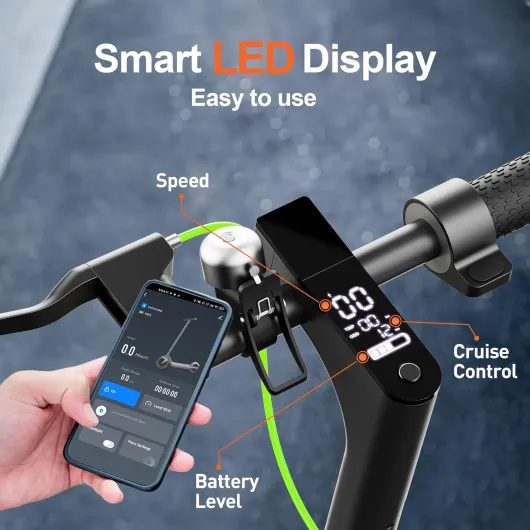
The cockpit layout is simple: a central display with a power button that you use to switch modes and turn lights on, a thumb throttle on the right, and a brake lever on the left. The display is readable in daylight, but in direct bright sun you sometimes have to angle your head to see the battery bars properly. No fancy controls or multiple levers, so you get used to it very quickly. Grips are basic rubber, not super soft but they don’t feel like cheap plastic either.
If I had to criticise the design, I’d say the deck is a bit narrow and short. I can stand with one foot forward and one sideways, but there isn’t a lot of room to move or adjust stance. Taller riders or people with big feet will probably feel a bit cramped. Also, because there’s no suspension, the whole design is quite rigid, so visually it looks a bit barebones compared to scooters with chunky forks or rear shocks. Still, for a simple city scooter, the design is functional and doesn’t try to pretend it’s something it’s not.
Battery and range: marketing vs real life
The scooter uses a 36V 7.8Ah battery (280 Wh). On the product page they talk about 30–35 km range. That number is always in ideal conditions: light rider, eco mode, flat ground, no wind. In real life, with my 80 kg, riding mostly in the highest speed mode at 20–25 km/h, I was getting around 18–22 km per charge. On one very careful ride using mostly mode 2 and keeping speed under 20 km/h, I managed just over 25 km, but it was a bit boring.
So if you plan daily return trips of 10–15 km total, you’re fine and will probably charge every 2–3 days. If you’re aiming for real 30 km days, you’ll likely run low unless you ride slowly and accept that last few kilometres will be at reduced power. Like many scooters, once the battery gets below 30%, you feel a drop in acceleration and hill performance. It’s not unusable, but it’s less fun and you have to plan ahead.
Charging time with the included charger is in the 4–5 hour range from near empty to full. That’s pretty standard for this capacity. The charger itself is nothing special, just a basic brick with a small LED. One thing to mention: I saw at least one user review saying their unit wouldn’t charge at all. Mine charged fine, but with cheaper brands you always have a bit more risk of quality control issues. At least there’s a one-year warranty and UK-based after-sales, according to the listing.
The battery indicator on the display is the usual bar system, which jumps around a bit depending on acceleration and hills. It’s not super precise, but you get used to reading it: full bars means you’re safe, two bars left means start heading home, blinking last bar means you pushed it too far. The app doesn’t really add much more detail, just a slightly nicer visual. In short, the battery is fine for short to medium commutes, but if you want long-range, daily heavy use, you might want a model with a bigger battery.
Comfort: firm ride, fine for city, not for pothole country
Let’s be clear: this is not a plush scooter. It has rigid (no) suspension and 8.5-inch solid tyres. That combo means you feel pretty much every bump, crack, and manhole cover. On smooth tarmac or decent cycle paths, it’s totally fine and the ride feels controlled. But the moment you hit rough pavement, cobblestones, or broken roads, you’re going to feel it in your hands and legs. It’s not painful, but it’s definitely a firm and noisy ride compared to air-filled tyres.
The deck height and handlebar position are okay for my 1.78 m height. I don’t feel hunched over, and I can ride 20–30 minutes without my back complaining. The rubber grips are basic but grippy enough, even with slightly sweaty hands. There’s no real ergonomic shape or padding, though, so if you ride longer stretches on rough surfaces, your hands might get tired. Standing position is a bit limited by the short deck, so you end up locking into one stance most of the time.
On the plus side, the solid tyres mean no puncture stress. I’ve had air-filled scooters before and constantly worrying about flats gets old fast, especially in cities with glass and debris on the road. Here you trade comfort for peace of mind. The tyres also have low rolling resistance, so once you’re at speed the scooter rolls smoothly on good surfaces. Grip in dry weather is fine; in the wet you can feel a bit more slip, so you just have to brake earlier and avoid sharp turns.
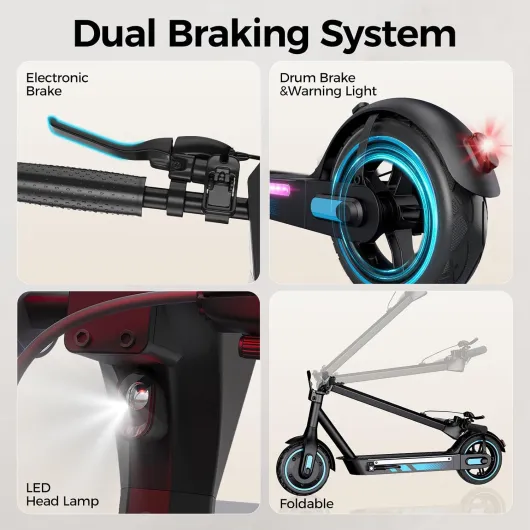
Braking comfort is decent. The mechanical disc brake has enough bite without throwing you over the bar, and combined with the motor brake it slows you down in a controlled way. You do get a bit of squeak from the disc in light rain, but that’s pretty standard. Overall, comfort is acceptable for short commutes and flat cities. If your daily route is full of potholes or cobblestones, I’d look for something with suspension and/or pneumatic tyres, because this one will shake you around.
Build quality and durability: feels okay, but it’s still a budget scooter
In terms of build, the frame is aluminium and feels reasonably solid. There’s a little bit of flex if you bounce on it, but nothing alarming. After a couple of weeks of daily use, I didn’t notice any cracks, loose welds, or serious issues. The folding hinge is always the weak point on these scooters. So far the latch stays tight, but I can see it needing occasional adjustment or tightening over time, like most budget scooters. It’s not worse than others I’ve tried, just something to keep an eye on.
The solid rubber tyres are a plus for durability. You won’t get flats, you won’t have to deal with inner tubes, and they should last a good while unless you ride on really sharp debris constantly. The downside is that when they do wear out, they’re usually more annoying to replace than air-filled ones. But overall, for a daily beater scooter, I’d rather have solids and a firm ride than be stuck with punctures every few months.
Electronics-wise, everything worked fine on my unit: lights, display, Bluetooth, brake sensor. But looking at user reviews, you can see the usual budget-brand pattern: most people are happy, but there are a few who got units with charging issues or dead parts. That’s where the one-year warranty and UK warehouse become important. You’re not buying a premium brand with rock-solid QC, so you have to accept a slightly higher chance of defects and rely on the seller to sort it if something goes wrong.
Weather resistance is basic. It’s not clearly marketed as water-resistant to a specific IP rating, so I wouldn’t ride it in heavy rain on purpose. I did ride on damp roads and light drizzle, and it survived, but I always wiped it down after. The cables and connectors look somewhat protected, but not like a high-end scooter designed for all-weather commuting. Long term, if you store it indoors, avoid deep puddles, and do simple checks (tighten screws, keep the brake adjusted), it should hold up reasonably well for the price. Just don’t expect it to be bulletproof for several years of daily abuse.
Performance: 25 km/h is there, hills are okay, nothing more
In terms of performance, the TODIMART T3 is good enough for city commuting, but don’t expect miracles. The 350W motor (500W peak) pushes you up to the claimed 25 km/h on flat ground without much trouble if you’re around my weight (80 kg). Acceleration is not brutal, it’s more of a steady build-up. It feels safe and predictable, which is probably better for beginners or teens, but if you’re used to more powerful scooters, you’ll find it a bit tame.
There are three speed modes. In practice, mode 1 is very slow and more useful for tight spaces or for kids, mode 2 is fine for shared paths, and mode 3 is what you’ll use 90% of the time on roads and cycle lanes. The nice thing is you can tweak some aspects via the app, including cruise control, which actually works and is handy on long, straight sections. Just be aware that if you leave cruise control on, you need to remember it’s there or it can catch you out when you release the throttle and the scooter keeps going.
For hills, the brand claims up to 25° (which is optimistic). On gentle slopes, it holds speed fairly well. On steeper city hills, it slows down but keeps climbing as long as the hill isn’t too long or insane. If you’re heavy and the hill is serious, you’ll feel the motor struggling and your speed might drop into the low teens. Compared to similarly specced scooters from better-known brands, it’s in the same ballpark, maybe a touch weaker on really tough climbs.
Braking performance is actually one of the nicer surprises. The rear disc brake combined with motor braking gives you solid stopping power without locking the wheel constantly. You still need to anticipate, especially with the solid tyres, but it feels safe. In the rain, I’d slow down anyway because grip isn’t great. Overall, performance is decent but nothing more: it gets you to work or school at a sensible pace, but this is not a speed toy or a powerful hill-climbing machine.
What you actually get for the money
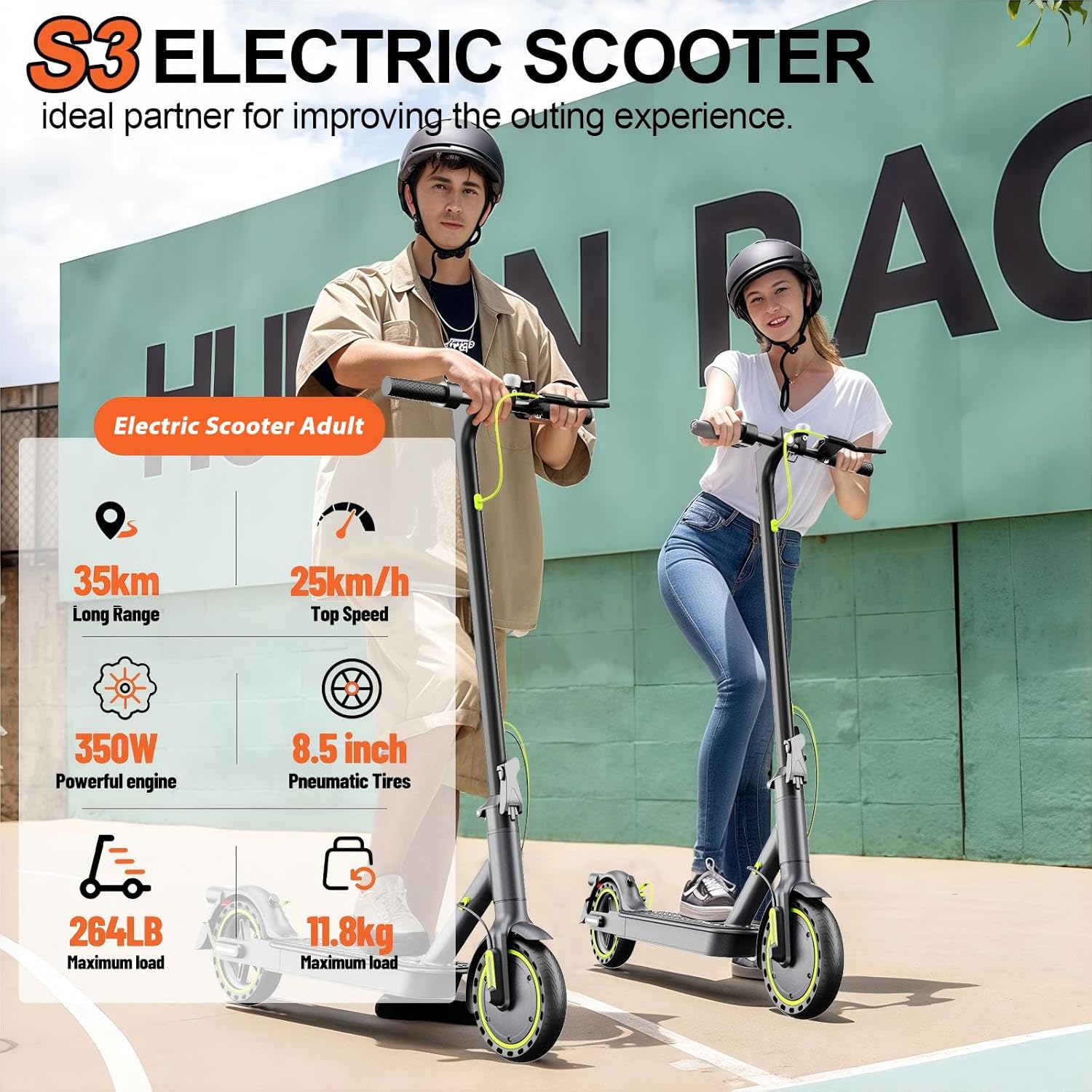
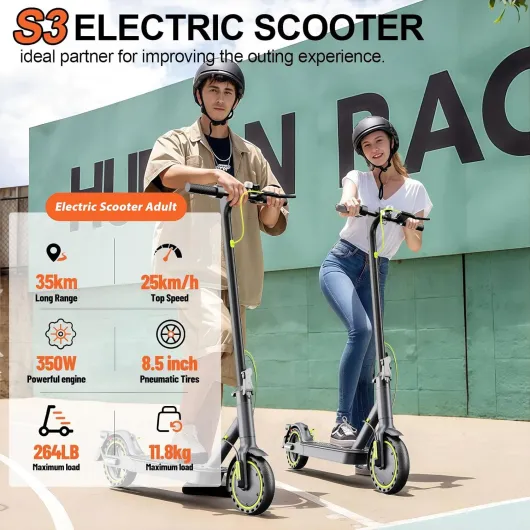
On the spec sheet, the TODIMART T3 looks pretty standard for a budget adult scooter. You get a 350W brushless motor (500W peak), a 36V 7.8Ah battery (280 Wh), 8.5-inch solid rubber tyres, and a top speed limited to 25 km/h. The brand claims a 30–35 km range, which is very optimistic unless you’re light, ride in eco mode, and stick to flat surfaces. Weight is listed at about 11.8 kg, and it supports riders up to 120 kg, which is enough for most adults.
Out of the box, there isn’t much in terms of extras. Don’t expect fancy accessories. You basically get the scooter, the charger, and the usual basic tools and manual. No helmet, no lock, nothing. Assembly is simple: raise the stem, lock it, screw in the handlebar if needed, and you’re done in a few minutes. It’s the kind of setup where you don’t really need instructions if you’ve ever seen a folding scooter before.
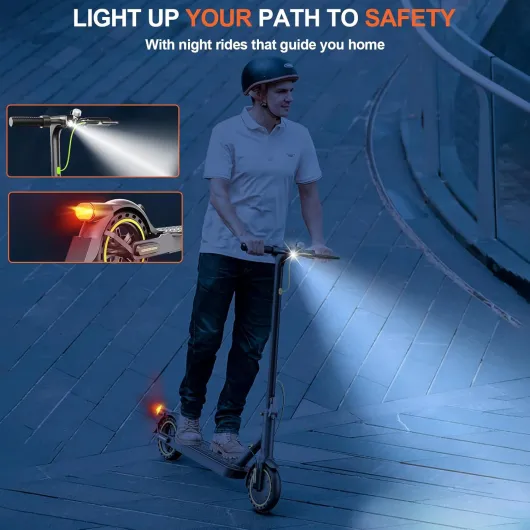
Feature-wise, it does have some nice touches for the price. There’s a colour LCD display that shows speed, battery level, and mode. It also has Bluetooth with an app where you can lock/unlock the scooter, change speed settings, and enable cruise control. You also get a front LED headlight and a rear brake light, which are pretty much mandatory if you ride in the evening. Brake-wise, it uses a mechanical disc brake on the rear plus motor braking.
In day-to-day use, the scooter feels like a straightforward commuter tool: no fancy suspension, no huge wheels, no flashy design. It’s meant for short city rides on relatively decent surfaces. If you’re coming from walking or a basic push scooter, it will feel like a big upgrade. If you’re coming from a more expensive electric scooter, you’ll see the corners that were cut, but at this price bracket it’s fairly aligned with what you’d expect.
Pros
- Lightweight (around 11.8 kg) and easy to fold and carry
- Solid tyres mean no punctures and low maintenance
- Decent real-world performance for short commutes (around 20 km range, 25 km/h top speed)
Cons
- Ride is quite firm and uncomfortable on rough roads due to solid tyres and no suspension
- Brand is relatively unknown and quality control can be hit or miss
- Range claims (30–35 km) are optimistic unless you ride slowly and are quite light
Conclusion
Editor's rating
The TODIMART T3 is a no-nonsense budget electric scooter. It’s light, folds easily, and has enough power and speed for normal city commuting. In real use, you’re looking at around 20 km of comfortable range at full speed, with a top speed of about 25 km/h, which is perfectly fine for bike lanes and short trips to work, school, or the shops. The solid tyres remove the headache of punctures, and the disc brake does a decent job of stopping you without drama.
On the flip side, comfort is clearly sacrificed. With no suspension and solid 8.5-inch wheels, rough roads get tiring fast. The brand is also not very well known, so even though there’s a one-year warranty and a UK warehouse, you’re still taking a bit more risk than with a big name. Build quality is okay for the price, but you can feel it’s a budget scooter when you look closely at the finishing and small details.
I’d recommend this to people who need a simple, affordable scooter for short, mostly flat city rides, especially if you want something light to carry up stairs or onto public transport, or for teens around 12+ under supervision. If you’re heavier, ride long distances, have a lot of hills, or want real comfort on rough roads, I’d look for something with a bigger battery, pneumatic tyres, and maybe suspension, even if it costs more. In short: it gets the job done, offers decent value, but it’s not the kind of scooter you buy if you’re picky or rough on your gear.