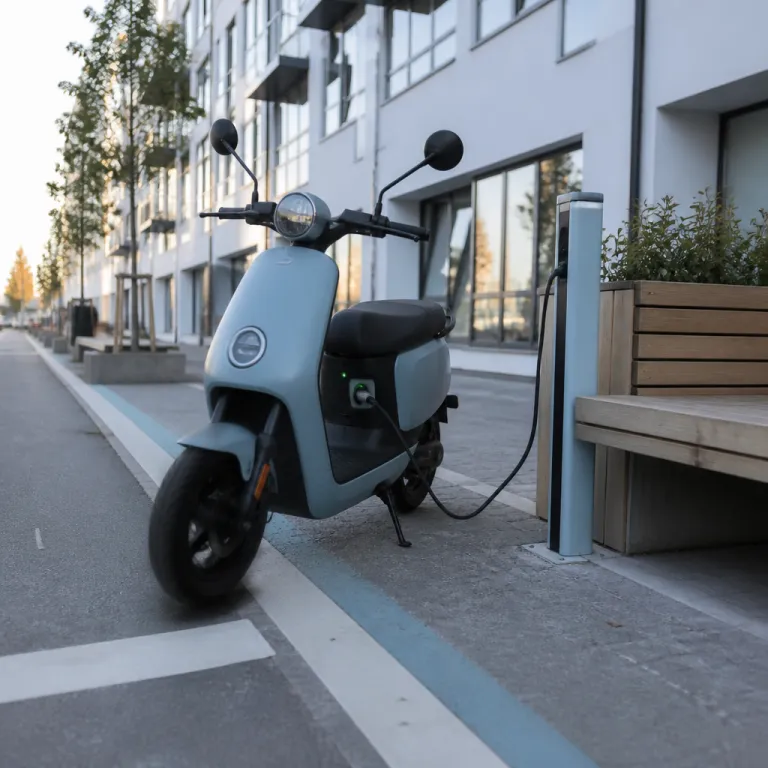

Understanding the gogo motor scooter as a commuter mobility scooter
The modern gogo motor scooter sits at the crossroads of urban transport and assisted mobility. For many riders, it blends the pride of independent movement with the practicality of a compact mobility scooter designed for dense city streets. This mix of commuter efficiency and medically oriented features makes it attractive to both younger travellers and older users managing mobility-related health needs.
Unlike a basic sport scooter, a commuter focused gogo motor scooter is engineered as a serious mobility device with a defined medical profile. Some models are registered as an FDA-regulated medical device, which means the product must meet stricter safety and reliability standards than recreational scooters, following guidance such as the FDA’s general controls for Class I and II durable medical equipment.[1] When a manufacturer positions a scooter as both a mobility scooter and a light commuter vehicle, they must balance comfort, durability, and regulatory compliance.
Many riders compare a gogo motor scooter with a compact power wheelchair, especially when evaluating turning radius and indoor manoeuvrability. A power wheelchair usually offers tighter control in very small spaces, while scooters provide better range and a more natural traveller posture with a proper seat and adjustable tiller. For commuters who move between pavements, shops, and public transport, the scooter format often feels more intuitive and less clinical than traditional medical devices.
From elite traveller to everyday rider: models, parts, and real use cases
Manufacturers such as Pride Mobility have built reputations around compact models like the Go Go Elite Traveller, which inspired many gogo motor scooter designs.[2] The “elite traveller” concept focuses on portability, quick-touch disassembly, and a feather-touch mechanism that lets users separate the frame into light parts for car transport. On typical Go Go Elite Traveller style products, the heaviest piece after disassembly often weighs around 15 to 17 kilograms, light enough for many users or carers to lift into a car boot, according to manufacturer specification sheets.
In practice, a gogo motor scooter aimed at commuters must balance premium features with realistic weight capacity and battery life. A typical model will use a sealed 12 V battery box (often two 12 Ah to 18 Ah batteries in series for a 24 V system) that can be removed for indoor charging, which is crucial for apartment dwellers without ground floor sockets. Riders comparing commuter scooters often look at detailed reviews such as an analysis of whether the Phantom Gogo A10 is the right commuter electric scooter, because these tests highlight how a scooter behaves in real traffic and on imperfect pavements.
Beyond the headline specifications, long term satisfaction depends on the availability of repair services and replacement parts for the scooter motor, transaxle, and electronics. A commuter who uses their mobility scooter daily cannot afford long downtimes while waiting for a specific wheel assembly or angle adjustable tiller component. Strong customer service from established brands, including responsive advice on medical classification questions and documentation that aligns with FDA expectations, often matters as much as the initial purchase price.
Key technical features that matter for commuter class medical devices
When a gogo motor scooter is marketed as suitable for both commuting and medical support, the technical details deserve close attention. The combination of motor power, battery box capacity, and total weight capacity determines whether the scooter can handle hills, kerb cuts, and daily shopping loads. A commuter who weighs 90 kilograms and carries a 10 kilogram bag needs a mobility scooter that still performs well near its rated limits, typically a 120 to 135 kilogram maximum user weight on many compact models, as reported in product data sheets.
Turning radius is another critical specification, especially for travellers navigating lifts, train platforms, and narrow shop aisles. A smaller turning radius allows the scooter to behave almost like a compact power wheelchair indoors, while still offering the stability of a three or four wheel layout outdoors. Many three wheel commuter scooters quote a turning radius of roughly 1.1 to 1.2 metres, while four wheel variants may be closer to 1.3 metres.[2] Comparative tests of ultra light electric scooters for adults, such as detailed range and motor performance reviews of 350 watt foldable models, help riders understand how a gogo motor scooter might feel in similar conditions.
Commuter focused scooters also benefit from an adjustable tiller and angle adjustable seat that reduce strain on wrists, shoulders, and lower back. When these parts are combined with feather-touch disassembly and a patented locking mechanism, the scooter becomes easier to transport in a small car or taxi. For people who rely on an FDA-recognised mobility device every day, such ergonomic refinements can mean the difference between occasional use and confident, all day mobility.
Design, comfort, and the psychology of pride in mobility
Design choices on a gogo motor scooter influence not only comfort but also how riders feel about their mobility. Many users describe a sense of pride when their mobility scooter looks closer to a sleek commuter scooter than to a traditional medical device. This emotional response matters, because it encourages regular use and supports social participation rather than isolation.
Seat design is central to this experience, since commuters may spend several hours per day on their scooters. A well padded, angle adjustable seat with armrests and a stable wheel configuration can reduce fatigue on longer journeys across town. When combined with a smooth transaxle and responsive motor control, the scooter feels less like a clinical aid and more like a personal transport product tailored to the rider.
Some manufacturers experiment with sport inspired styling, adding bolder colours, streamlined bodywork, and lighting that resembles small motorcycles. Articles examining why an electric scooter that looks like a motorcycle is reshaping urban riding show how aesthetics can change public perception of assisted mobility. For many riders, a contemporary, design-led approach helps bridge the gap between medical necessity and lifestyle choice, reinforcing the idea that a medical device can still express personality.
Maintenance, repair, and long term reliability of gogo motor scooters
Owning a gogo motor scooter as a daily commuter tool means planning for maintenance from the first day. Regular checks of tyre wear, wheel alignment, and transaxle noise help prevent sudden failures that could leave a rider stranded between home and work. Because these scooters function as both mobility devices and transport products, downtime has a direct impact on independence and employment.
Battery care is especially important, since repeated deep discharge can shorten the usable life of the battery box. Most manufacturers recommend charging the scooter after each day of use, avoiding complete depletion and storing the device in a dry, temperate environment. Riders who respect these charge guidelines typically see more consistent range and fewer unexpected cutouts, which is vital when crossing large parks or industrial zones with limited shelter.
When repair becomes necessary, access to genuine parts for the scooter motor, braking system, and adjustable tiller can determine how quickly the device returns to service. Brands that invest in strong customer service networks, including trained technicians and clear documentation for medical device components, tend to earn higher loyalty. For commuters who rely on a mobility scooter rather than a car, this reliability often justifies paying slightly more for a model with proven durability and long term parts support.
Choosing the right model: matching class, features, and personal needs
Selecting a gogo motor scooter for commuting starts with an honest assessment of daily routes and physical abilities. A rider who mainly travels on flat pavements may prioritise compact size and tight turning radius, while someone facing steep hills will need a stronger motor and higher weight capacity. Medical considerations also matter, because a user with limited upper body strength may require a more supportive seat and lighter feather-touch disassembly system.
Regulatory status can guide this decision, especially when comparing devices that claim both mobility scooter and medical device roles. A scooter classified as an FDA-regulated medical device or recognised within a specific assistive technology framework has usually undergone more rigorous testing than a purely recreational product.[1] For some travellers, especially those coordinating with healthcare providers or insurers, this status can influence reimbursement options and long term support.
Finally, prospective buyers should evaluate how each model handles real world commuting tasks such as boarding public transport, entering lifts, and storing the scooter at home or work. Features like an adjustable tiller, angle adjustable armrests, and a removable battery box make it easier to adapt the scooter to changing environments. When these elements are combined with responsive customer service and a clear supply of replacement parts, the gogo motor scooter becomes a dependable partner rather than just another gadget.
How gogo motor scooters fit into the wider electric scooter landscape
Within the broader electric scooter market, the gogo motor scooter occupies a distinct niche between lightweight kick scooters and full size power wheelchairs. It offers seated comfort, medical grade stability, and commuter friendly range without the bulk of larger mobility vehicles. This balance appeals to travellers who want both practical mobility and a sense of personal pride in their chosen device.
Urban planners increasingly recognise that mobility scooters and compact commuter scooters can reduce car dependency for short trips. When pavements are smooth, kerb cuts are consistent, and charging points are accessible, more residents feel confident using scooters as everyday transport. In such environments, well-designed compact models help bridge the gap between disability focused equipment and mainstream micro mobility products.
As technology evolves, we can expect improvements in motor efficiency, battery energy density, and smart diagnostics for transaxle and control systems. These advances will likely enhance the safety profile of FDA-recognised mobility devices while extending range and reducing charge times. For riders, the core promise remains the same: a compact, reliable gogo motor scooter that turns everyday journeys into manageable, even enjoyable, parts of life.
Key figures shaping the gogo motor scooter and mobility scooter market
- Global mobility scooter sales exceeded 1 million units in a recent twelve month period, reflecting rising demand for compact medical device solutions in ageing urban populations, according to aggregated estimates from multiple mobility equipment market research reports and industry forecasts.[3]
- Studies of urban travel patterns show that more than 50% of daily trips in many European cities are under 5 kilometres, a distance well within the typical range of a commuter class gogo motor scooter, based on household travel surveys published by national transport authorities and summarised in urban mobility studies.[4]
- Battery technology improvements have increased average scooter range by roughly 20% over the past decade, allowing many mobility scooter models to cover 20 to 30 kilometres on a single charge under standard test conditions, as reported in manufacturer specification sheets and lithium battery industry analyses.[3][5]
- Safety analyses indicate that low speed scooters and power wheelchairs are involved in significantly fewer severe collisions per kilometre than cars, especially in traffic calmed zones with speed limits below 30 km/h, according to comparative road safety studies of vulnerable road users.[6]
- Surveys of users report that more than two thirds of mobility scooter owners feel their device has improved their ability to participate in social activities, underlining the psychological impact of reliable personal transport, a finding echoed in disability mobility and ageing in place research.[7]
FAQ about gogo motor scooters for commuters
How far can a typical gogo motor scooter travel on one charge ?
Most commuter focused gogo motor scooters offer a range between 15 and 30 kilometres per charge, depending on battery box capacity and rider weight. Real world range also depends on terrain, temperature, and how often the scooter stops and starts. Checking both the official specification and independent range tests gives a more realistic expectation.
What is the difference between a gogo motor scooter and a power wheelchair ?
A power wheelchair is usually designed for continuous indoor and outdoor use with very tight turning radius and advanced seating support. A gogo motor scooter prioritises portability, longer range, and a more scooter like riding posture with an adjustable tiller and separate seat. Many commuters prefer scooters for their balance of comfort, storage space, and easier car transport.
Can a gogo motor scooter be used as an FDA class medical device ?
Some gogo style scooters are certified as FDA-regulated medical devices, while others are sold purely as consumer products. Models recognised within a medical device framework must meet specific safety, labelling, and performance standards. Buyers who need medical device status for insurance or clinical reasons should confirm the exact classification with the manufacturer or distributor.
What maintenance does a commuter mobility scooter require ?
Routine maintenance includes checking tyre pressure, inspecting wheel and transaxle components for wear, and keeping the frame clean and dry. Batteries should be charged regularly and not left fully discharged for long periods, which can shorten their life. Periodic professional servicing helps ensure that the motor, brakes, and steering remain safe for daily commuting.
How do I choose the right weight capacity and size for my scooter ?
Start by adding your body weight to the typical load you carry, such as bags or shopping, and choose a scooter with a weight capacity at least 15 to 20% higher. Consider where you will store the scooter and whether feather-touch disassembly is needed for car transport. Testing different models in person, paying attention to seat comfort and turning radius, is the most reliable way to find a suitable fit.
Sources: [1] U.S. Food and Drug Administration, medical device classification and general controls guidance; [2] Pride Mobility Go Go Elite Traveller product literature and technical specifications; [3] Global mobility scooter market reports from major industry research firms; [4] National household travel surveys and European urban mobility observatories; [5] Lithium battery industry white papers on energy density trends; [6] Road safety studies on powered mobility devices and vulnerable road users; [7] Academic research on mobility scooter use, disability mobility, and ageing in place.