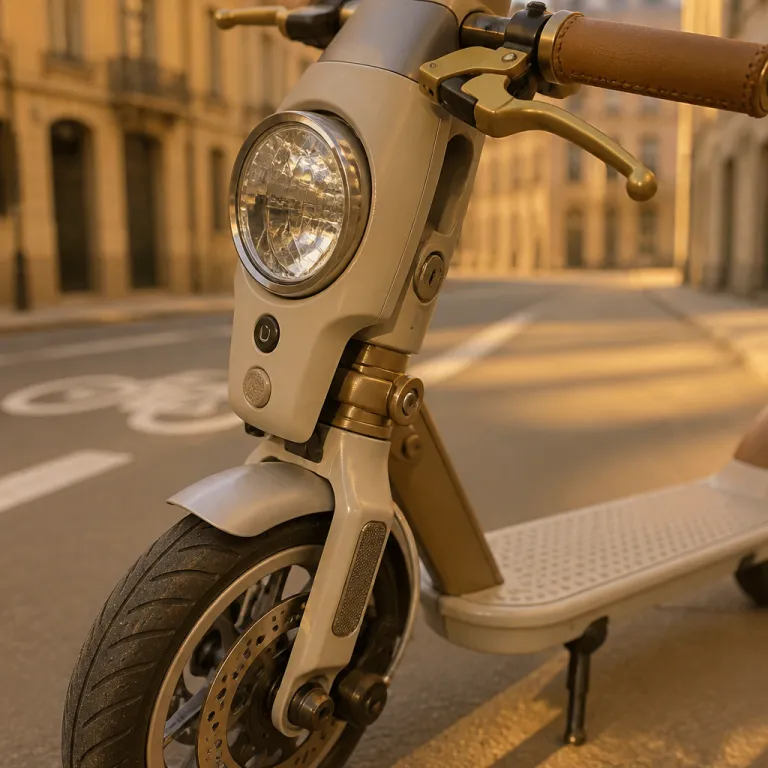

Why an electric scooter with light matters for everyday commuters
An electric scooter with light is no longer a niche gadget for tech fans. It has become a practical commuter scooter that competes directly with the urban bike and even the compact skateboard for short city trips. When you compare electric scooters with other micromobility options, the presence and quality of lights often decide whether a model truly works for daily riding.
City riders share the road with cars, bikes, pedestrians, and sometimes kick scooter users who move unpredictably. Strong headlights, visible rear lights, and side-facing scooter lighting make the difference between being seen early and being noticed too late by distracted drivers. A modern electric scooter with light systems that include front beams, rear brake indicators, and optional underglow or a subtle LED strip turns a small vehicle into a clearly defined road user.
Many commuters now expect a scooter with integrated LED lights that rival good bike lights in brightness and beam pattern. For regular night riding, many safety experts recommend a front light output of roughly 200–400 lumens for lit streets and 400–800 lumens for darker paths, with a wide, even beam that illuminates at least 10–15 meters ahead. When you evaluate any electric scooter, treat the lighting package as a core safety feature, not as a decorative scooter accessories bundle.
Key lighting features to compare before you pay
Before you compare the price of any electric scooter with light, look closely at the technical details of the lighting hardware. A bright LED headlight at the front is essential, but its mounting height, beam width, and power consumption all affect real-world safety and usable range miles. Many commuter-focused electric scooters now combine a frame-mounted LED light with handlebar reflectors and low-mounted deck LEDs that increase side visibility.
Check whether the scooter uses a focused headlamp or a simple point-style light, because only a proper headlamp can replace a dedicated set of bike lights. For mixed traffic, look for a cut-off style beam that throws light low onto the road while reducing glare for oncoming riders and drivers. When you evaluate a specific price product, ask whether the lighting package includes rear lights that respond to braking within about 0.2–0.5 seconds, and whether the scooter lights stay on in low battery mode.
Battery capacity and lighting efficiency interact directly, especially on compact scooters with smaller packs. A scooter with LED systems that draw less power will preserve range miles, which matters for commuters who ride long distances after dark. If you want a foldable long-range commuter, examine models such as a tested long-range electric scooter for adults with dual suspension and water resistance, which often pair efficient LED lights with solid tires to balance comfort, grip, and durability.
Balancing price, performance, and lighting quality
Many buyers focus first on the ticket price of an electric scooter with light, but long-term value depends on more than the initial figure. A low-price product that cuts corners on LED lights, wiring quality, or weather sealing can become expensive once repairs and replacements start. When you compare electric scooters, consider the total cost of ownership, including maintenance of solid tires, brake pads, and any scooter accessories such as extra lights or reflective elements.
Some commuter scooters with integrated lighting offer strong value because they bundle reliable LED strip accents, bright headlights, and durable rear lights into one coherent package. Others rely on minimal lighting setups that technically meet regulations but leave you wanting better visibility on unlit streets. If your budget is tight, it can be smarter to choose a mid-range scooter with a sound electrical system and then add certified LED bike or bike lights as external accessories.
Weight and portability also influence how much lighting you really need on a daily kick scooter or compact electric scooter. A very light model designed for short hops between public transport stops may work well with a modest LED light and reflective decals. For longer commutes, consider a tested ultra-light electric scooter for adults that still offers a stable deck, reliable built-in LEDs, and enough range miles to handle evening detours without anxiety.
How lighting affects real world safety and riding comfort
Lighting on an electric scooter with light does more than help you see the road ahead. It shapes how other road users interpret your speed, direction, and position, especially when scooters with small profiles blend into busy backgrounds. A clear front LED light, responsive rear lights, and side-facing illumination create a visual footprint closer to that of a compact bike.
On rougher surfaces, solid tires transmit more vibration, which can blur your vision and make it harder to read the road at night. A stable beam from a frame-mounted LED light helps compensate, while underglow or a low LED strip along the deck edges improves your awareness of curb height and obstacles. Riders who share lanes with bike and skateboard traffic often report that super-bright headlights reduce close passes, because drivers judge distance more accurately.
Weather also changes how effective any scooter lighting system will be in practice. In rain or fog, a slightly warmer-toned LED light in the 3000–4500 K range can cut through reflections better than a harsh blue-white beam, while reflective scooter accessories on your helmet and jacket add passive visibility. For mixed weather commuting, look for electric scooters with sealed wiring, robust LED housings, and a lighting control layout that you can operate easily while riding with gloves.
Customizing your electric scooter lighting setup
Many riders buy an electric scooter with light and then gradually customize the setup to match their routes. The stock LED lights are often adequate for city centers, but suburban or rural roads may demand extra power and better side visibility. Treat the scooter as a base product and think of lighting as a modular system that can evolve with your needs.
Start by assessing whether the original lighting leaves any dark zones around your wheels or the rear of the deck. If it does, consider adding a certified LED strip under the deck for subtle underglow, which helps drivers see your outline without creating a distracting light show. You can also mount compact LED bike lamps on the handlebar or fork, and pair them with high-quality bike lights on your helmet for redundancy.
When you add scooter accessories, avoid overloading the electrical system or creating cable clutter that could snag while riding. Use mounts and brackets designed for scooters with narrow handlebars, and route wires along existing channels where possible. If you prefer a clean look, choose wireless rear lights with LED elements that attach to your helmet or backpack, leaving the electric scooter frame free of extra hardware.
Buying channels, memberships, and what “free” really means
Shopping for an electric scooter with light can feel confusing because marketing terms around price and delivery are often vague. Some online shop platforms advertise free delivery, but the final price sometimes hides shipping costs inside a higher base price product. When you compare offers, always calculate the total amount you will actually pay with taxes, accessories, and any extended warranty.
Membership programs can be useful if they provide real value for regular riders rather than just promotional emails to members. Look for benefits such as discounted scooter accessories, priority service slots, or extended coverage on LED lights and batteries, because these parts are critical for safe riding. If a retailer invites you to join a club or loyalty scheme, check whether the perks apply to electric scooters with integrated lighting or only to generic bike and skateboard gear.
Some brands run seasonal campaigns, sometimes tagged around months such as Jul, where they bundle extras like a spare LED light, reflective stickers, or upgraded scooter lights at no extra cost. These offers can make a mid-tier scooter with LED upgrades more attractive than a bare-bones model with a slightly lower price. Always read the terms carefully to see whether free items affect return policies, and whether you can still pay with your preferred method such as installment plans or digital wallets.
Key statistics about electric scooters with integrated lighting
- According to a 2020 report from the U.S. Consumer Product Safety Commission (CPSC), emergency department visits related to e-scooters, hoverboards, and e-bikes increased by more than 20 percent between 2017 and 2019, with poor visibility cited as a contributing factor in many nighttime crashes (CPSC, “Micromobility Products-Related Hazards,” October 2020).
- Research published by the Insurance Institute for Highway Safety (IIHS) in 2020 on electric scooter use in mixed traffic found that riders using front lights rated above roughly 200 lumens were significantly more visible to drivers than those relying on minimal factory lights (IIHS, “Electric Scooter Injuries in the District of Columbia,” June 2020).
- Data from several European city sharing schemes, summarized in a 2021 micromobility usage review by the International Transport Forum, show that more than 40 percent of electric scooter trips occur during low-light conditions in winter months, which underlines the importance of reliable LED headlights and rear lights on commuter models (ITF, “Safe Micromobility,” 2021).
- Battery tests reported by independent labs and consumer organizations in 2022 indicate that efficient LED light systems typically consume less than 5 percent of total battery capacity over one hour of continuous use, which has a limited impact on overall range miles for most commuter scooters.
- Market analyses from micromobility research firms such as Berg Insight and McKinsey’s Center for Future Mobility (2021–2023) report that a growing majority of new commuter electric scooters now ship with integrated LED lighting packages, including headlights and brake-activated rear lights, as standard equipment rather than optional accessories.
FAQ: electric scooters with light for commuters
Are built in scooter lights enough for night commuting ?
Factory-fitted lights on an electric scooter with light are often designed to meet minimum legal requirements rather than to match the performance of premium bike lights. For well-lit city streets, a good stock LED light and clear rear lights can be sufficient. On darker routes, many riders add an extra handlebar-mounted LED bike lamp and reflective scooter accessories for better safety.
How much does lighting affect battery range miles ?
Efficient LED lights draw relatively little power compared with the motor, so the impact on range miles is usually modest. Continuous use of super-bright headlights and decorative underglow or a long LED strip can reduce range slightly, especially on smaller batteries. Commuters who ride mostly at night should prioritize scooters with larger packs and energy-efficient LED systems.
Can I replace weak factory lights scooter systems myself ?
Upgrading the lighting on an electric scooter with light is possible, but you must respect the limits of the electrical system. Many riders add external USB-rechargeable bike lights or helmet-mounted lamps instead of rewiring the scooter itself. If you want to change built-in scooter lights, use a qualified technician to avoid damaging the controller or battery.
Are solid tires a good idea for night riding ?
Solid tires remove the risk of punctures, which is reassuring when riding after dark far from home. They can feel harsher than air-filled tires, so pairing them with a strong LED light and good suspension helps you see and absorb bumps earlier. For mixed day and night commuting, many electric scooters with solid tires and quality lighting packages offer a practical compromise.
What safety gear should I use with a well lit electric scooter ?
Even with a powerful electric scooter with light setup, a certified helmet remains essential. Reflective clothing, ankle bands, and small clip-on rear lights increase your visibility from multiple angles. Gloves and eye protection also improve comfort and control, especially when facing glare from oncoming headlights or wet road reflections.