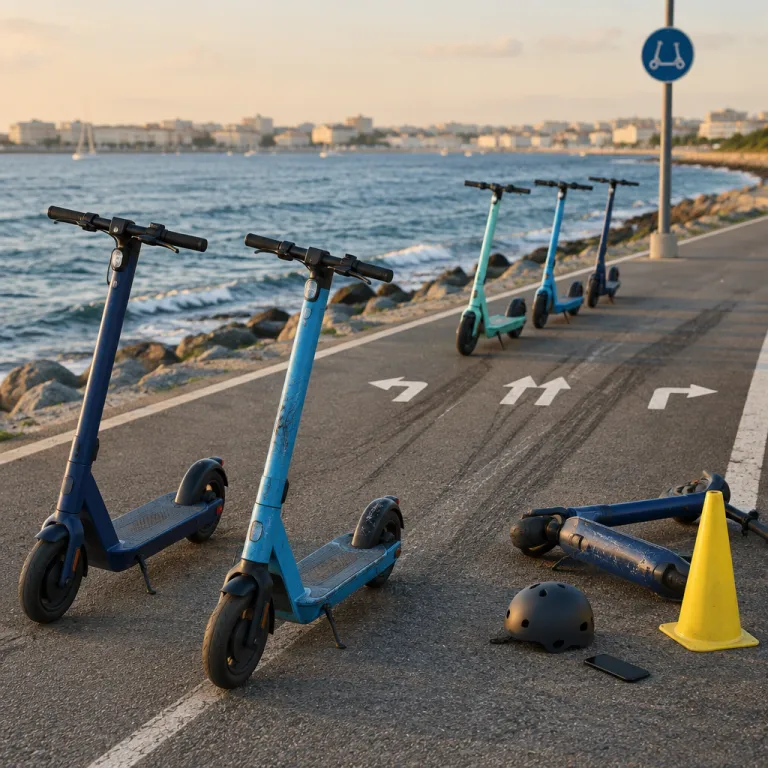
Why electric scooter group riding rules safety starts with the slowest rider
Every safe group ride on electric scooters begins with one simple rule. The entire group must match the speed of the slowest scooter, no matter how powerful the other scooters or bikes might be. Ignore that, and you turn a relaxed riding ride into a stretched accordion of near misses and hard braking.
When one electric scooter can hit 30 km/h while another tops out at 20 km/h, the faster rider is responsible for hanging back and respecting the practical speed limit set by the weakest machine. This is not just informal etiquette for scooter riders ; it is the foundation of real scooter safety, because mixed speeds multiply stopping distances, reaction gaps, and the risk of rear end collisions on narrow bike lanes. In many cities, local regulations already cap the speed of rental electric scooters and scooters bikes, so your private hot rod has to behave as if it were a slower shared scooter anyway.
Think of the group as a single long vehicle that must obey the rules of the road, not as a swarm of individual riders each chasing their own pace. The lead rider should constantly check mirrors, glance back briefly, and adjust speed so no one is sprinting to catch up on a busy road or weaving through bikes to close a gap. If someone’s battery starts sagging and their scooter slows, the group will slow with them, because etiquette matters more than bragging about top speed.
Formations, bike lanes and etiquette when sharing space with others
On narrow bike lanes and shared paths, formation is not a style choice ; it is a safety tool. A tight single file line is usually the safest formation for a group ride on electric scooters, because it keeps the group predictable for cyclists, pedestrians, and any electric bicycle riders approaching from behind. Staggered formation only makes sense on wider lanes or low traffic roads where each rider has room to dodge potholes without clipping a wheel.
Good etiquette for scooter riders starts with the idea that you are a guest in spaces built first for bikes and pedestrians. That means holding a straight line, keeping a steady speed, and never riding scooter side by side so wide that bikes cannot pass safely within the marked lanes. When the path narrows, call out "single file" so all riders tuck in, and remember that etiquette matters more than conversation when the margin for error shrinks.
Shared paths in dense cities have their own unwritten rules of the road that sit on top of local laws. You yield to people on foot, you slow your ride well below the posted speed limit when passing families, and you never blast music so loud that other riders cannot hear your bell or your hand signals. If your group riding habits ignore these best practices, you are not just rude ; you are the reason some municipalities are rethinking scooter access after high profile crashes and fleet shakeups such as the major Denver e scooter operator changes reported by Electric Scooter Guru.
Hand signals, communication and the problem of one handed control
Clear hand signals turn a loose group of scooter riders into a coordinated team that moves as one. The challenge is that riding scooter with one hand on the bar feels less stable than on a bike, especially on small solid tires or at higher speed. That means your group riding communication system has to balance clarity with control.
Borrow the standard cycling hand signals, but adapt them for electric scooters and scooters bikes. For a left turn, extend your left arm straight out ; for a right turn, extend your right arm, because the old bicycle style bent arm signal is often misunderstood by newer riders. To show slowing or stopping, drop your left arm down with your palm facing back, and combine that with a loud verbal "slowing" or "stopping" so riders who cannot see your hand still get the message in time to respect the speed limit of the group.
On rough road surfaces, it is safer to keep both hands on the bar and rely on voice, bells, or even simple Bluetooth intercoms instead of elaborate gestures. Before any group rides, agree on a small set of signals for hazards, turns, and stops, and practice them at low speed in an empty parking lot. Some riders will prefer to use an electronic horn or helmet mounted light flashes as backup, but no gadget replaces the discipline of looking back, making eye contact, and confirming that the whole group ride actually understood the plan, especially when local laws require you to signal turns just like a bike or electric bicycle.
Night rides, braking distances and the liability nobody talks about
Once the sun goes down, electric scooter group riding rules safety becomes much less forgiving. Different scooters and bikes have wildly different headlight power, brake performance, and side visibility, so a mixed group ride can turn into a chain reaction crash if the lead rider brakes hard in the dark. The law will not care that your Segway Ninebot Max G30 has better drum braking than your friend’s budget scooter ; it will care who was negligent.
For night group rides, set a minimum lighting standard before anyone rolls out. Every electric scooter should have a white front light, a bright red rear light, and some form of side visibility such as wheel reflectors or reflective tape on the deck, because cars and bikes often see you first from the side at intersections. If one rider shows up with a dim stock light and no rear visibility, the group will either fix it with clip on lights or politely bench that scooter, because scooter safety is a shared responsibility, not a personal preference.
Liability in a pile up is messy, but some patterns are clear. If the lead rider is tailgating a bike, ignores the rules of the road, then slams the brake to avoid a parked car, they may share fault for any rear end collisions behind them, especially if they were pushing the group above the posted speed limit. In contrast, a rider who maintains safe following distance, uses clear hand signals, and respects local regulations about lighting and braking has a much stronger case that they took reasonable care, which matters when insurance companies and local laws start asking who pays for a broken wrist and a cracked helmet.
Route choice, mixed rentals and keeping the weakest link safe
Route planning is where electric scooter group riding rules safety quietly succeeds or fails before the first throttle touch. A good route for group riding avoids high speed multilane roads, complex intersections, and steep hills that punish weaker motors and older battery packs. The best practices focus on protected bike lanes, low speed neighborhood streets, and park paths where local regulations allow scooters and bikes to mix.
Mixed groups that combine personal electric scooters with rental scooters and scooters bikes face special problems. Rental fleets often have lower top speed, softer acceleration, and stricter geofenced speed limit zones than privately owned scooters, so the group ride must be built around those constraints. If your Xiaomi Pro 2 can climb a hill at 22 km/h while a rental scooter crawls at 10 km/h with a heavy rider, you will either wait at the top or you will split the group in a way that makes communication and scooter safety much harder.
Think about failure modes when you choose a route, not just scenery. Where will you regroup if someone’s battery drops into limp mode or a brake starts grinding and needs inspection using a guide such as the Electric Scooter Guru article on disc versus drum versus electronic brakes. Which sections of the road network have clear bike lanes and forgiving shoulders, and which are hostile to slower riders who cannot match traffic speed. Smart planners treat the weakest scooter and the least experienced rider as the design constraint, then use local laws and emerging frameworks such as proposed speed tier systems in states like Massachusetts as a mental model for matching each part of the route to the right class of machine and rider skill.
Gear, maintenance and the quiet work that prevents crashes
Group riding culture often obsesses over range and top speed while ignoring the boring details that actually keep riders out of the hospital. A well maintained electric scooter with healthy brakes, properly inflated tires, and a battery that does not sag under load is far safer in a tight group than a faster scooter that wobbles at the stem and squeals when stopping. Before any group rides, treat a quick mechanical check as mandatory, not optional.
Every rider should wear helmet protection that matches their speed and environment, not just a thin skate lid for social media photos. At 20 to 25 km/h on a shared road with cars and bikes, a certified bicycle or light motorcycle helmet dramatically reduces head injury risk, and full finger gloves protect hands in the most common fall pattern. If someone refuses to wear helmet gear or shows up with loose straps and a cracked shell, the group will either help them fix it or ask them to sit this ride out, because etiquette matters most when the stakes are highest.
Maintenance is not just about the scooter ; it is about predictable behavior. A rider who knows their machine’s true stopping distance, how the regenerative brake blends with the mechanical system, and how the battery behaves near empty will make better split second decisions in traffic. Regularly checking brake pad thickness, listening for grinding noises, and following manufacturer guidance on battery charging are quiet habits that support the rules of the road, because a scooter that stops when you expect it to stop is the foundation of every safe group ride in busy cities.
FAQ
How much space should I leave between scooters in a group ride ?
On flat paths at 20 km/h, leave at least two seconds of following distance between your front wheel and the scooter ahead. Increase that gap to three or four seconds in wet conditions, on unfamiliar road surfaces, or when riding scooter models with weaker brakes. Heavier riders and scooters with smaller wheels need even more space, because their stopping distance is longer.
Are hand signals really necessary if we ride slowly on bike lanes ?
Yes, hand signals remain essential even at low speed, because other riders and bikes cannot read your mind. A clear signal for turns and stops gives the group time to react and helps cyclists behind you anticipate your line. Combine signals with verbal cues so that riders who are not looking directly at you still understand what will happen next.
Can we legally ride electric scooters side by side on the road ?
Whether you may ride side by side depends on local laws and how they classify scooters relative to bikes. Many cities allow bicycles to ride two abreast but expect scooters to behave like single file vehicles in narrow lanes. When in doubt, single file is safer and more courteous, especially on shared paths with pedestrians.
Who is responsible if the lead rider causes a pile up during a group ride ?
Liability usually depends on whether the lead rider behaved reasonably under the rules of the road and local regulations. If they were speeding, tailgating, or braking unpredictably without signals, they may share responsibility for any crashes behind them. Each rider still has a duty to maintain safe distance, but courts and insurers will look closely at the leader’s behavior.
What safety gear is recommended for casual weekend group rides ?
At minimum, every rider should wear helmet protection that meets bicycle safety standards, along with closed toe shoes and gloves. For night rides or higher speed routes, add bright front and rear lights, reflective clothing, and possibly knee and elbow pads. The goal is to be both visible and protected, so that a minor mistake does not turn into a serious injury.