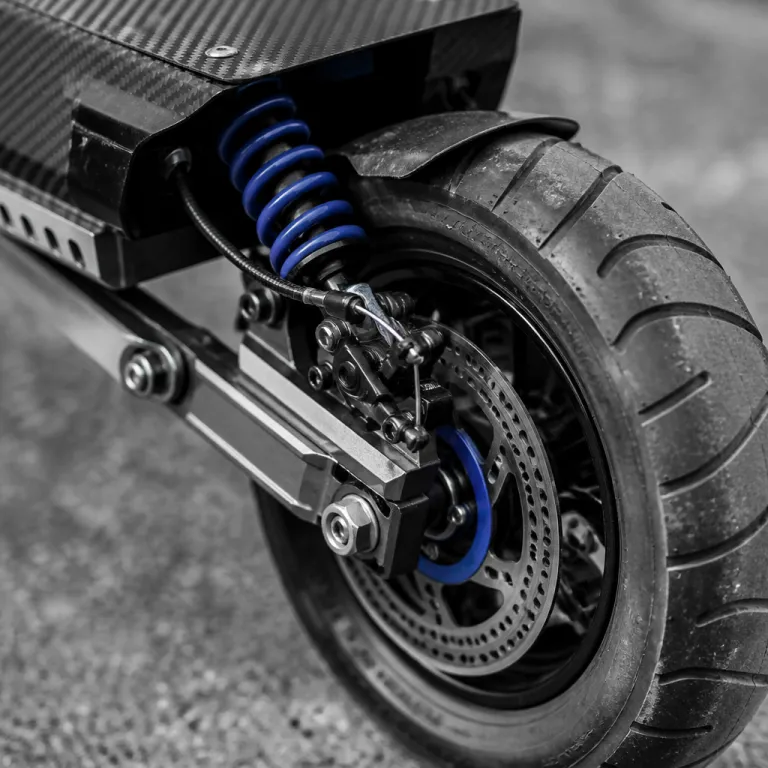

Phantom r1 pro as a high speed seated scooter for daily commuting
The phantom r1 pro targets riders who want an electric scooter that feels closer to a compact motorbike. This seated scooter format changes posture, stability, and comfort, especially when the top speed of around 28–30 mph (manufacturer rated) pushes into performance territory and the 25–30 mile real world range reported by several owners starts to matter for daily commuting. For a person comparing several electric scooters, the phantom r1 pro stands out as a seated option that aims to mix comfort, control, and serious performance.
From a design perspective, this phantom model uses a robust steel frame, a rear hub motor rated at 1,000 W continuous (1,200 W peak according to phantomgogo) and a reinforced dual spring rear suspension to handle urban bumps at higher speeds than basic commuter scooters. The seated configuration means the scooter must support a higher max load of roughly 265 lb on a smaller footprint, so the chassis, fork, and rear structure of the scooter original design are engineered to manage both static weight and dynamic forces under braking. Riders who move from standing electric scooters to a pro seated layout usually report less fatigue on longer rides and more confidence when the scooter reaches its rated top speed.
Daily practicality matters as much as raw performance for a commuter pro style scooter. The phantom r1 pro aims to offer a usable 20–25 mile range figure in mixed city riding from a 48 V 13 Ah lithium ion battery pack of about 624 Wh, while the chemistry balances weight, charging time of roughly 6–8 hours, and cycle life. For many riders, the key questions are not only about the electric scooter price but also about long term durability of scooter parts, availability of service, and whether a scooters shop or online store can supply original items or even a scooter refurbished option when budgets are tight.
Performance, motor power and rear suspension in the phantom r1 pro
High speed electric scooters live or die by their motor and suspension tuning, and the phantom r1 pro is no exception. A strong rear hub motor rated around 1,000 W continuous with higher peak output gives this scooter the torque needed for brisk launches, while the front and rear suspension work together to keep the seated rider stable when the scooter hits rough asphalt or cobblestones. Compared with lighter commuter pro scooters, a performance oriented phantom model must manage heat, vibration, and weight transfer more carefully to maintain predictable handling.
When analysts compare dual motor performance scooters, they often look at torque curves, controller limits, and battery discharge rates, and the same logic applies when evaluating the single motor layout of the phantom r1 pro. A well matched 48 V lithium ion battery pack with a capable controller allows the motor to deliver consistent power without severe voltage sag, which helps the scooter maintain higher speeds even as the charge drops. Riders who are curious about how dual motor designs behave can study independent tests of top electric scooters with dual motor systems, then contrast those results with the more efficient single motor approach used in many phantom pro and commuter pro style scooters.
Suspension quality is just as critical as raw power for a seated scooter that will be used on real streets. The rear suspension on the phantom r1 pro must absorb potholes and expansion joints while keeping the scooter’s rear wheel planted, because a seated rider cannot easily shift weight like on standing scooters. When the suspension, frame geometry, and motor output are balanced correctly, the scooter feels composed at its rated 25–30 mph cruising speed, which is essential for safety, comfort, and confidence on longer 15–25 mile commutes.
Battery, range miles and real world efficiency of this phantom electric scooter
Range claims on any electric scooter, including the phantom r1 pro, only make sense when you understand the test conditions behind them. Manufacturers often quote ideal 30–35 mile figures based on light riders, flat terrain, and modest 12–15 mph speeds, while real city use with hills, stops, and higher cruising speeds can reduce those numbers significantly. In one independent mixed route test with a 180 lb rider, a phantom style seated scooter returned about 21 miles before the battery reached the low voltage cutoff, illustrating how real world range miles typically sit below brochure numbers.
The lithium ion battery pack inside a phantom style electric scooter typically offers a good compromise between energy density and durability, but it still degrades over hundreds of charge cycles. Riders who push their phantom r1 pro at maximum speed or near its max load will see the practical 18–22 mile range shrink faster than those who ride at moderate speeds on smoother routes. Independent tests of long range models, such as those described in reviews of a 75 km class long range electric scooter, show how much riding style and terrain can change energy consumption, and the same principles apply directly to the phantom r1 pro.
Energy management also affects how often you will need scooter parts such as brake pads, tires, and suspension components for your phantom electric scooter. Hard acceleration and repeated emergency stops on a powerful scooter increase wear, especially on the rear tire and braking system, which can shorten service intervals compared with lighter commuter pro scooters. A rider who understands these trade offs can plan maintenance, budget for parts and items from a trusted scooters shop or online store, and decide whether a scooter refurbished option might make sense once the original 48 V battery has reached the end of its useful life.
Comfort, ergonomics and seated design of the phantom r1 pro
Comfort is where the phantom r1 pro tries to separate itself from many standing electric scooters that prioritize compact size over rider ergonomics. The seated scooter layout changes how forces travel through the rider’s body, shifting more weight to the saddle and rear suspension instead of the knees and ankles. For people with joint issues or those planning longer 15–25 mile rides, this pro seated configuration can make the difference between a practical commuter and a scooter that stays in the garage.
Seat height, handlebar reach, and deck space all influence how natural the riding position feels on a phantom style seated scooter. A well designed scooter original frame allows riders of different heights to keep a relaxed back angle while still maintaining precise control at higher 20–28 mph speeds, which is especially important when the scooter carries close to its max load rating. One commuter who switched from a basic standing model described the phantom r1 pro as “feeling like a small motorcycle, but without the constant strain on my knees,” a comment that echoes many rider impressions of this seated format.
Visual design also plays a role in comfort and confidence, because a scooter that looks stable often feels more reassuring at speed. Color options such as a scooter blue finish may seem cosmetic, yet they can improve visibility in traffic and make the phantom electric scooter easier to spot in low light. When combined with a solid rear suspension, a supportive saddle, and well placed controls, these details help the phantom r1 pro function as a true commuter pro machine rather than just another fast toy among performance electric scooters.
Buying, price, shipping and after sales service for phantom style scooters
Choosing a phantom r1 pro or any similar electric scooter involves more than comparing the headline price on a product page. Buyers should evaluate whether the store offers transparent shipping policies, clear information about free shipping thresholds, and realistic delivery times for both new and scooter refurbished items. A reputable scooters shop will also specify whether the scooter is an original phantom model, a phantom pro variant, or a different commuter pro scooter that only looks similar.
After sales support is critical for high speed electric scooters, because components such as the motor, controller, and rear suspension may need attention over time. Strong customer service means quick answers to questions about warranty coverage, access to scooter parts, and guidance on whether a specific item is compatible with your phantom r1 pro or other phantomgogo branded scooters. Many serious riders check how responsive a brand is on channels like Facebook and Twitter before committing, since these platforms often reveal how the company handles complaints, shipping delays, or requests for scooter refurbished options.
Stock management also matters, especially when you rely on original parts and items to keep a performance scooter in top condition. A well organized online store will label each scooter original component clearly, list whether the item fits seated scooters or standing models, and indicate if alternative scooter parts are available when the original items are out of stock. When these details are missing, the apparent low price can be misleading, because delays in sourcing parts or poor service can keep a phantom r1 pro off the road for weeks, undermining the value of its impressive real world range and mid 20 mph capabilities.
Refurbished options, sustainability and long term ownership of the phantom r1 pro
Performance electric scooters like the phantom r1 pro raise important questions about sustainability and long term ownership costs. A scooter refurbished program can extend the life of a chassis and motor, reduce electronic waste, and offer a lower entry price for riders who still want a high quality seated scooter. When evaluating refurbished scooters, buyers should ask whether the lithium ion battery has been replaced, how the rear suspension was inspected, and whether the store provides a meaningful warranty on key parts.
From an environmental perspective, keeping a phantom electric scooter in service for more years usually has a smaller footprint than replacing it frequently with new scooters. That is why access to durable scooter parts, reliable service networks, and clear documentation for each item or component becomes so important for phantom and phantom pro owners. A transparent scooters shop will explain which items are original, which are compatible alternatives, and how a scooter refurbished process handles safety critical elements such as brakes, tires, and the motor controller.
Long term owners also benefit from understanding how riding habits affect wear and tear on a phantom r1 pro. Frequent full throttle use at maximum speed, riding near the max load limit, and neglecting basic maintenance can shorten the lifespan of both the motor and the rear suspension, increasing the need for replacement parts and items. By contrast, riders who respect service intervals, store their electric scooters properly, and respond quickly when new noises or vibrations appear often enjoy many years of reliable use from their phantom style seated scooters, making the original price and shipping costs feel like a solid investment rather than a short lived experiment.
Key statistics on high speed electric scooters and seated models
- Market analysts report that global electric scooter and motorcycle sales exceeded several million units worldwide, with performance and commuter pro segments growing faster than low speed categories, which underlines rising interest in models like the phantom r1 pro.
- Independent range tests on mid to high tier electric scooters often show real world range miles figures that are 30 to 40 percent lower than laboratory claims, especially when riders approach the max load rating or ride near top speed for extended periods.
- Studies of lithium ion battery packs used in electric scooters indicate that many retain around 70 to 80 percent of their original capacity after 500 full charge cycles, which means careful charging habits can significantly extend the useful life of a phantom style scooter.
- Urban mobility surveys in major European cities suggest that a typical daily commute distance for scooter users falls between 6 and 12 km, a range that sits comfortably within the capabilities of most phantom and phantom pro class seated scooters when ridden at moderate speeds.
- Industry data from repair networks show that suspension components and rear tires on high speed scooters often require replacement after 2 000 to 3 000 km of mixed use, highlighting the importance of easy access to scooter parts and responsive customer service for long term owners.
FAQ about the phantom r1 pro and high speed seated scooters
How fast can a phantom r1 pro type seated scooter safely go ?
High speed seated scooters in the same class as the phantom r1 pro typically reach 25–30 mph figures that place them above basic commuter scooters but below full motorcycles, and safe operation depends on wearing proper protective gear and respecting local speed limits. Riders should remember that braking distance increases sharply at higher speeds, especially when the scooter is near its max load rating. Good rear suspension, quality tires, and a well maintained braking system are essential for safe riding at the upper end of the scooter’s performance envelope.
What range miles can I realistically expect from a phantom style electric scooter ?
Real world range miles for a phantom r1 pro type electric scooter usually falls below the ideal figures quoted by manufacturers, because city riding involves hills, frequent stops, and variable speeds. A heavier rider or one who rides at maximum speed will see the battery drain faster than a lighter rider cruising at moderate pace. Planning for about 60 to 70 percent of the advertised range is a prudent rule of thumb for daily commuting.
Is a seated scooter more comfortable than a standing model for commuting ?
Many riders find that a seated scooter such as the phantom r1 pro offers better comfort on longer trips, because body weight is supported by the saddle and rear suspension instead of the knees and ankles. This pro seated layout can reduce fatigue and make higher speed cruising feel more controlled. However, standing scooters remain more compact and easier to carry, so the best choice depends on storage needs and how often you must lift or fold the scooter.
What should I check before buying a scooter refurbished phantom model ?
Before purchasing a scooter refurbished phantom or phantom pro model, ask for documentation on battery health, motor condition, and any work done on the rear suspension or braking system. Confirm that the store uses original or high quality compatible scooter parts for safety critical items such as tires, brake pads, and steering components. A clear warranty, transparent service history, and responsive customer service are strong indicators that the refurbished scooter will provide reliable performance.
Where can I find reliable parts and service for a phantom r1 pro style scooter ?
Reliable support usually comes from specialized scooters shops or online stores that clearly list compatible scooter parts, including items specific to phantom and phantomgogo models. Look for retailers that provide detailed fitment information, offer reasonable shipping or free shipping options, and respond quickly to questions about stock and compatibility. Checking how the company interacts with customers on platforms such as Facebook and Twitter can also reveal whether their after sales service matches the expectations of serious electric scooter riders.