Key criteria to judge a lightweight scooter for commuting
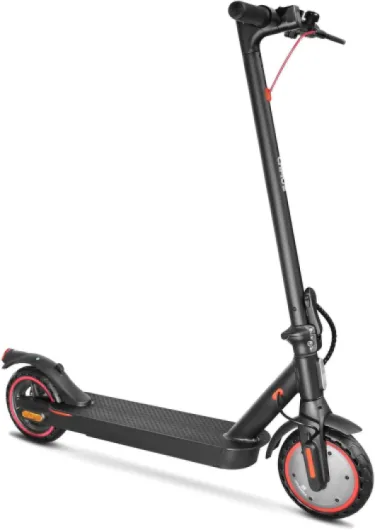
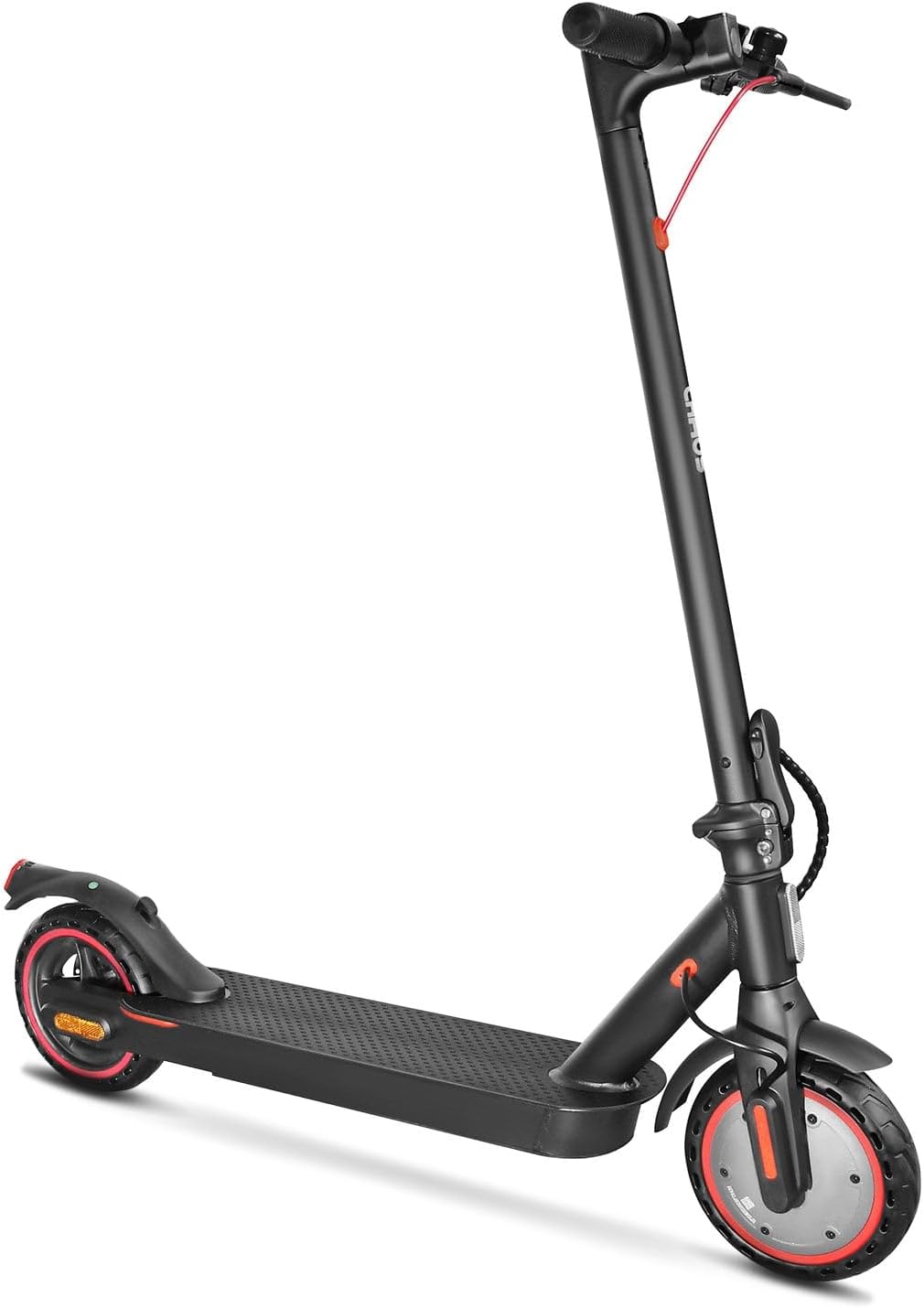
Choosing among the best lightweight electric scooters starts with defining your commute. If you carry the scooter up several flights of stairs, a lightweight scooter under 12 kg with a compact fold and a portable smooth handle design will feel dramatically easier to live with. For mixed transport, a portable scooter that folds quickly and locks securely is often more important than raw top speed or extreme performance numbers.
Weight in kilograms and weight in lbs both matter because manufacturers often quote both, and you should check whether the listed weight includes accessories such as racks or larger tyres filled with air. A scooter weighing 11 kg, or about 24 lbs, feels manageable for most adults, while a 17 kg model, roughly 37 lbs, can become tiring to carry round busy stations or crowded pavements. Always compare the scooter weight with your own rider weight and the max rider rating, because a light frame still needs enough structural strength for safe braking and stable handling.
For commuting, range miles and tested range under realistic conditions are more useful than optimistic manufacturer claims. Look for independent tests that show speed tested at different battery levels and that describe how hill climbing affects the remaining range weight balance. If you expect frequent folding, consider models highlighted in guides to top foldable electric scooters for commuting, where reviewers focus on portability, smooth ride quality, and long term durability of hinges and latches.
Performance, speed, and ride quality in compact electric scooters
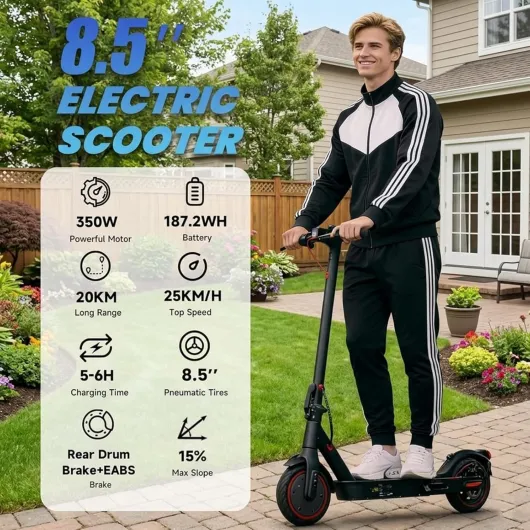
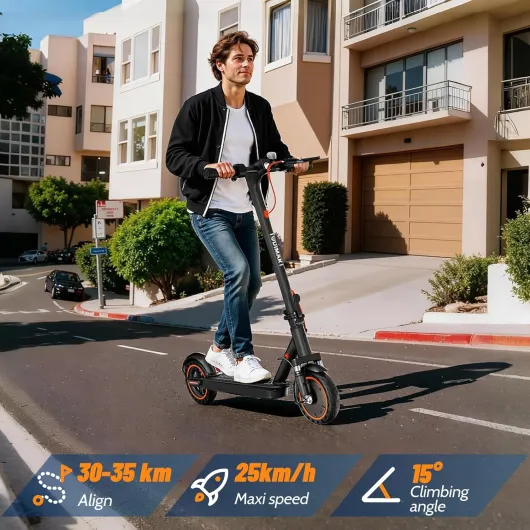
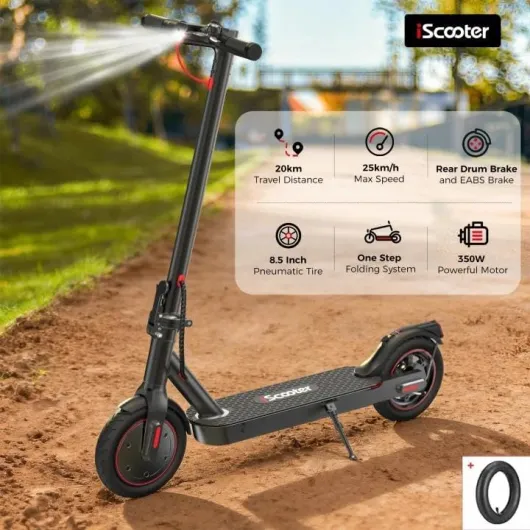
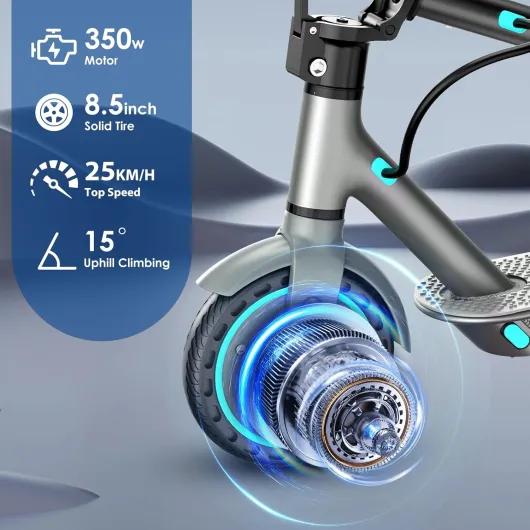
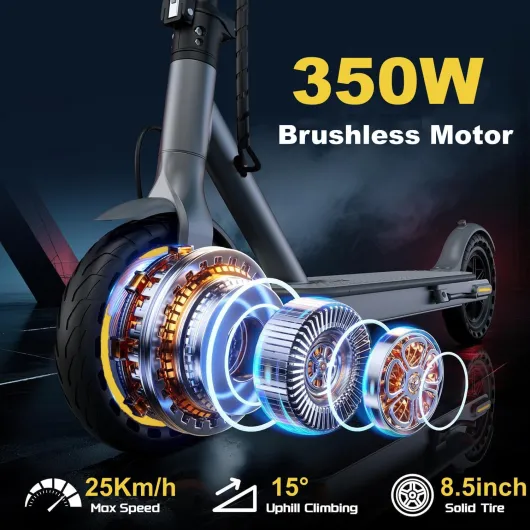
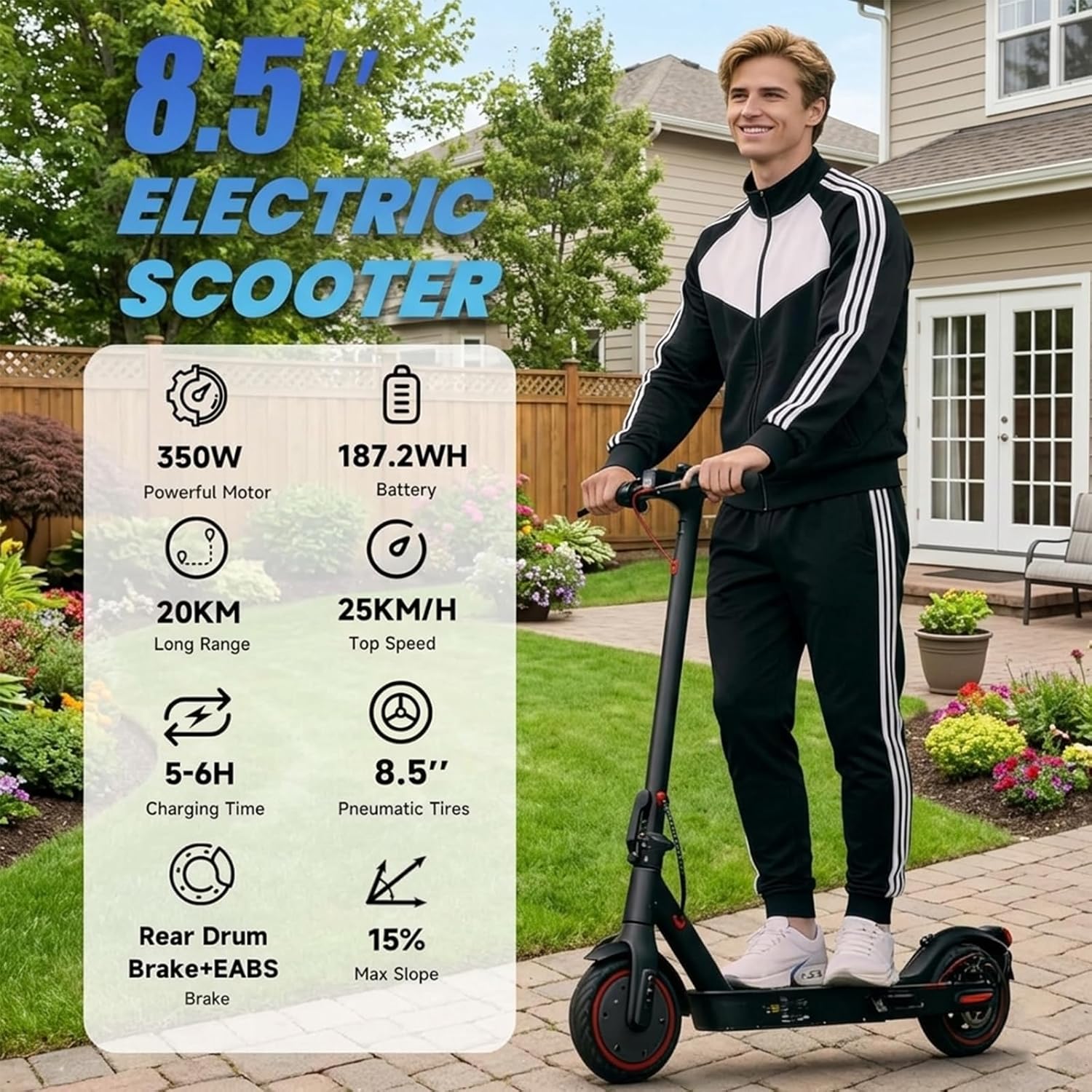
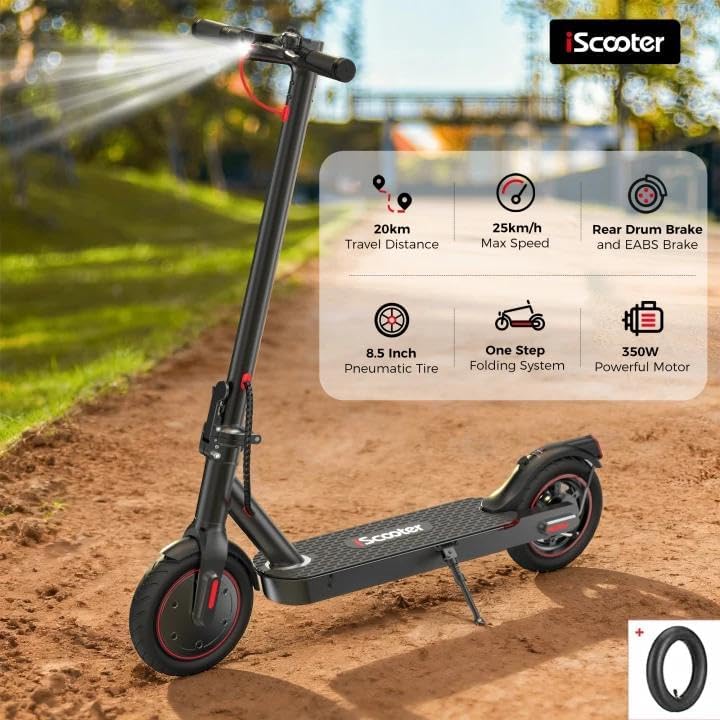
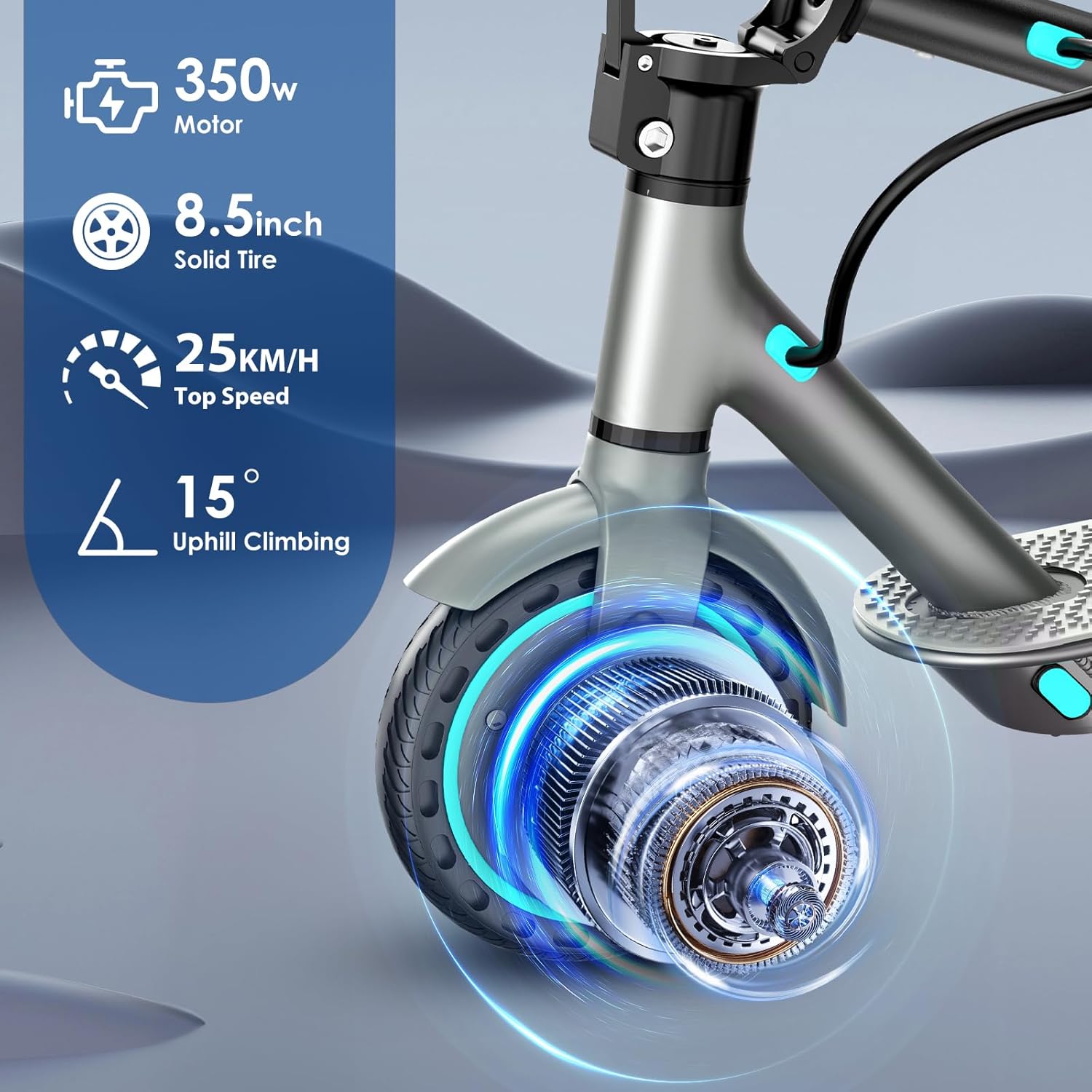
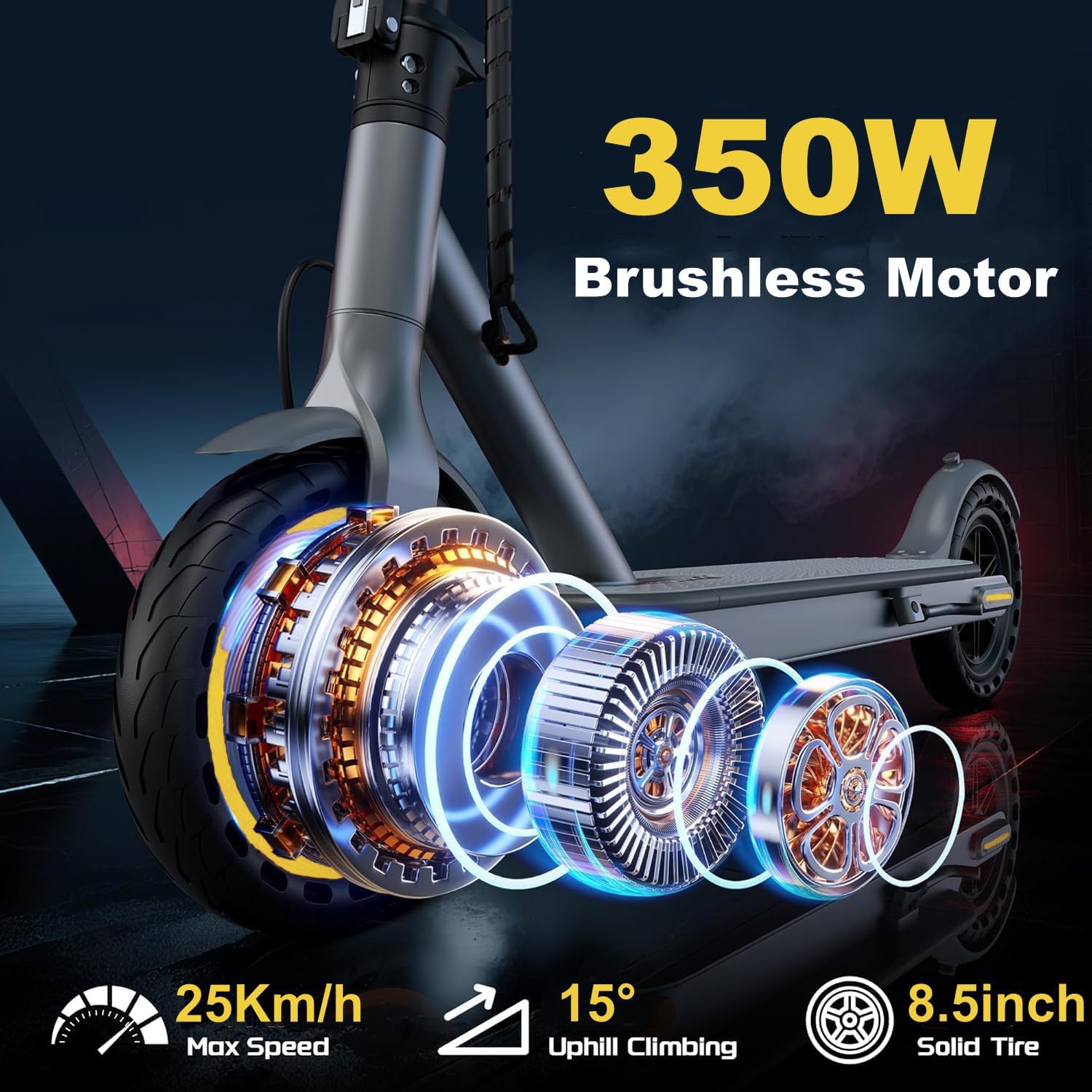
Many riders assume that a lightweight electric scooter must feel underpowered, yet modern compact motors deliver impressive acceleration. A well tuned 350 W to 500 W hub motor can reach a practical top speed of around 25 km/h, or roughly 15 mph, while still keeping the scooter weight low enough for daily carrying. The key is how efficiently the controller manages power delivery and how the battery chemistry supports repeated high current bursts without overheating.
When comparing the best lightweight electric scooters, focus on how the scooter behaves at real world speed mph rather than chasing headline top speed numbers. A stable smooth ride at 20 km/h with predictable braking and confident cornering is far more valuable than a shaky chassis that claims a higher top speed but feels nervous on rough tarmac. Reviewers who have tested multiple scooters often describe ride quality in detail, noting how tyre size, air filled or solid construction, and deck length influence comfort on broken pavement.
Models such as the Fluid Mosquito and the Fluid Horizon illustrate two different approaches to compact performance in electric scooters. The Fluid Mosquito prioritises ultra portable design and very low weight, making it a lightweight scooter ideal for quick hops and last mile connections, while the Fluid Horizon accepts a little extra weight for stronger hill climbing and longer tested range. For riders who want a powerful yet manageable commuter, detailed reviews like this independent test of a 350 W to 500 W electric scooter show how speed tested results compare with manufacturer claims across different rider weight scenarios.
Range, battery claims, and what tested range really means
Range figures for electric scooters can be confusing, because the same scooter may show very different numbers in marketing brochures and in independent tests. Manufacturer claims usually assume a light rider weight, low average speed, warm air temperature, and flat terrain, which rarely matches real commuting conditions. That is why the best lightweight electric scooters are those whose tested range remains close to the advertised range miles when ridden at normal speed mph by an average adult.
When you read about tested range, check the test protocol carefully, including the rider weight in kilograms, the chosen speed mode, and whether the route included hill climbing or only flat ground. A scooter that manages 25 km of tested range at a steady 22 km/h with a 75 kg rider offers more honest performance than one that reaches 30 km only at walking pace with a very light rider. Pay attention to how the battery behaves near the end of its charge, because some scooters sharply limit acceleration and top speed once the charge drops below 30 percent.
Battery capacity, expressed in watt hours, interacts with scooter weight and frame design, so a larger pack always adds some extra kilograms or lbs. The best lightweight models strike a compromise, offering enough energy for a realistic daily round trip while keeping the scooter portable enough for stairs and public transport. For riders who need a longer range without sacrificing too much portability, high power folding models such as those reviewed in this long range folding electric scooter test show how careful design can deliver both strong performance and a relatively smooth ride.
Comfort, safety, and ride quality in lightweight scooter design
Comfort on a lightweight scooter depends on more than just tyres and suspension. A smooth ride comes from the interaction between wheel size, deck height, handlebar width, and overall frame stiffness, all tuned to support the expected max rider weight. When these elements align, even a very light scooter can offer a portable smooth experience that feels secure on imperfect city streets.
Tyres filled with air absorb small bumps better than solid tyres, yet they introduce the risk of punctures and require regular pressure checks to maintain optimal performance. Many of the best lightweight electric scooters use a hybrid approach, combining an air filled front tyre for comfort with a solid rear tyre for durability, which improves ride quality without adding too much weight. Braking systems also matter, and a combination of mechanical drum or disc brakes with regenerative electric braking often provides the most predictable stopping distances across different rider weight ranges.
Safety on compact electric scooters also depends on lighting, deck grip, and how stable the scooter feels at speed tested levels. A scooter perfect for dense urban traffic should include bright front and rear lights, side reflectors, and a deck surface that remains grippy in wet air conditions. Riders should also respect the stated max rider rating, because exceeding the recommended rider weight can compromise both hill climbing ability and braking performance, especially on steep descents or during emergency stops.
How to match a top lightweight electric scooter to your needs
Selecting among the best lightweight electric scooters starts with an honest assessment of your daily routes. Measure your typical round trip distance, note the steepest hill climbing sections, and consider how often you will need to carry the scooter by hand. These simple checks help you balance range miles, scooter weight, and acceptable price before you even compare specific models.
For short inner city rides under 8 km each way, a very lightweight scooter under 12 kg with modest top speed and a compact fold is usually sufficient. Riders covering longer distances or facing frequent hills may prefer slightly heavier scooters around 15 kg, where stronger motors and larger batteries deliver better acceleration, higher top speed, and more generous tested range. In both cases, check whether the scooter offers a smooth ride at your normal speed mph, because comfort and control matter more than chasing the absolute best performance figures.
Budget also shapes your options, since a lower price often means simpler suspension, smaller batteries, or more basic displays, while premium models justify higher cost with refined ride quality and robust components. When comparing offers, look beyond headline claims and ask how the scooter will feel after a year of daily use, including how the folding mechanism, brakes, and tyres stand up to repeated stress. By weighing performance, portability, and durability together, you can identify the best lightweight scooter that truly fits your lifestyle rather than just winning on paper specifications.
Key figures on lightweight electric scooters
- Many commuter focused electric scooters weigh between 11 kg and 15 kg, which most adults can carry for short periods without excessive strain, according to product data from major manufacturers.
- Typical top speed limits for street legal electric scooters in European cities range from 20 km/h to 25 km/h, reflecting safety regulations designed to balance mobility and accident risk.
- Independent tests by specialist reviewers often find that real world tested range is about 20 to 30 percent lower than optimistic manufacturer claims, especially when ridden at higher average speeds.
- Maximum rider weight ratings for mainstream scooters usually fall between 100 kg and 120 kg, ensuring that frame strength and braking systems remain within safe operating limits for most adults.
- Market analyses from mobility research firms show that lightweight and foldable models now represent a significant share of urban electric scooter sales, driven by commuters who combine riding with public transport.