Key performance metrics that matter in a commuter scooter
When you evaluate the best foldable electric scooters for commuting, three metrics dominate the discussion : speed mph, tested range and total weight. Top speed figures look impressive on paper, yet for city riding the useful band usually sits between 20 and 25 mph top, because many bike lanes and shared paths impose limits. A scooter that reaches this top speed quickly but remains stable and predictable will feel more pro and confidence inspiring than a faster but twitchy model.
Independent reviewers often publish a tested range figure that differs from the brand’s claimed range miles, since they ride at realistic speed and include hills and stops. This tested range is crucial for a commuter who cannot risk arriving late because the battery died five kilometres from home. Before buying, look for a full review that explains the tested range, braking distance and ride quality rather than only repeating catalogue numbers.
Weight and portability complete the performance picture for electric scooters used every day. A foldable scooter under about 15 kg feels genuinely portable for most adults, while heavier scooters around 20 kg or more start to feel punishing on stairs or during long station transfers. If you want a light commuter machine that keeps things simple, reading a detailed light commuter scooter review such as the Maxshot V1 electric scooter analysis can help you understand how numbers translate into daily comfort.
Portability, folding mechanisms and real carrying weight
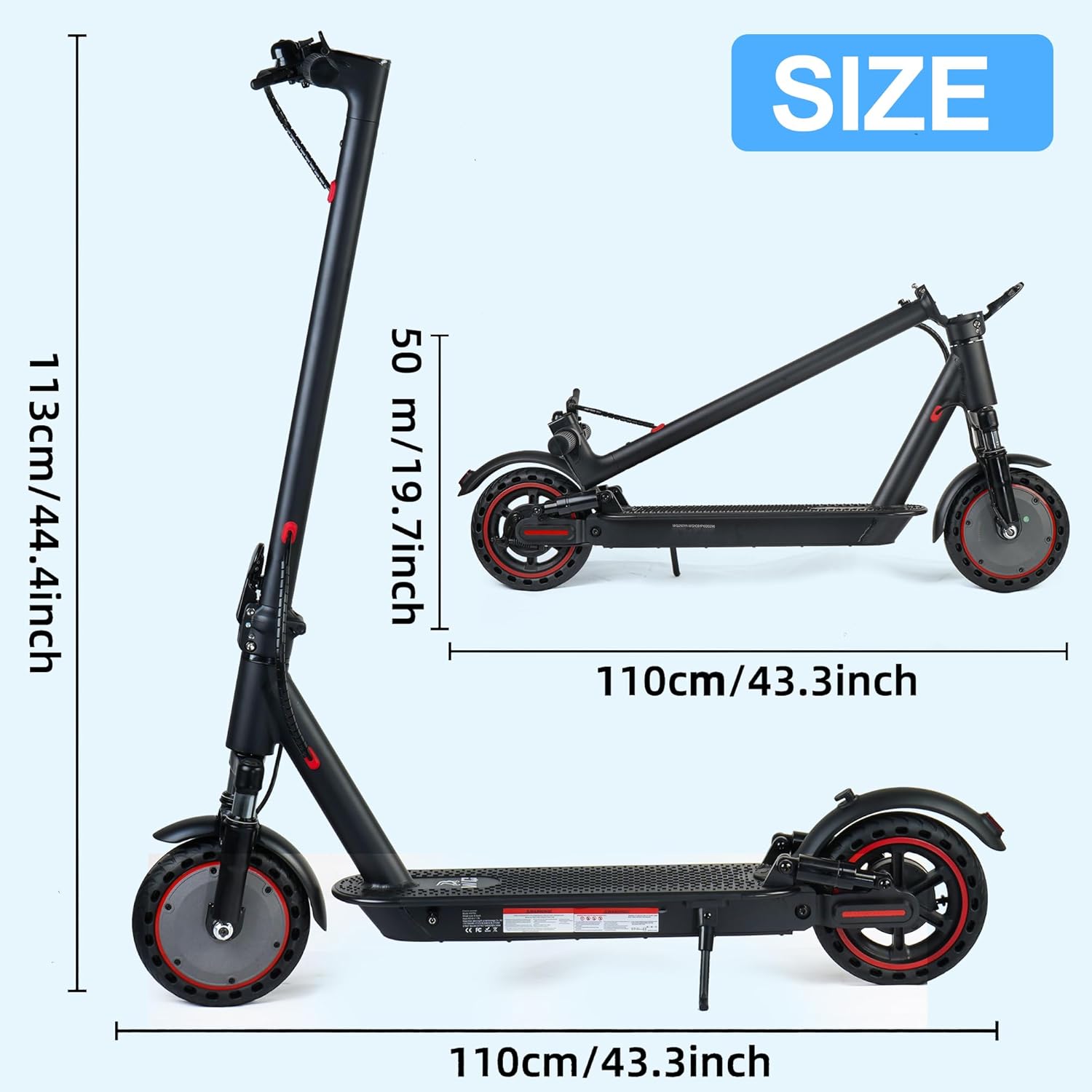
Portability defines the best foldable electric scooters for commuting more than any other single trait. A clever folding mechanism that locks securely and unfolds in seconds can turn a scooter into a truly portable smooth companion for mixed transport journeys. When a scooter folds compactly enough to slide under a café table or office desk, it becomes easier to protect from theft and bad weather.
Not all foldable scooter designs are equal, so you should examine hinge robustness, stem wobble and handlebar folding systems. Some scooters use dual latches or safety pins to reduce play, which improves ride quality and braking distance because the chassis flexes less under load. If you regularly pass through turnstiles or squeeze into small car trunks, a guide to foldable electric scooters that fit under a desk or through a turnstile can be more useful than a simple spec sheet.
Weight lbs figures on product pages sometimes exclude accessories such as racks or extra locks, so check carefully before purchase. For a smaller commuter, even a few extra lbs can transform a supposedly lightweight scooter into a daily burden. When comparing scooters, imagine carrying the electric scooter one handed for five minutes, then choose the weight and folded size you can realistically manage every working day.
Battery, range miles and real world efficiency
Battery capacity determines how far the best foldable electric scooters for commuting can travel between charges. A larger battery increases potential range miles and tested range, yet it also adds weight and raises the price, so there is always a trade off. For most urban commuters, a realistic target is a scooter that covers at least twice the daily round trip distance on a single charge.
Manufacturers usually quote ideal conditions, so independent tested range results provide a more honest picture of what an electric scooter can achieve. Look for reviews that state rider weight, average speed mph and terrain, because these factors strongly influence energy use. A heavier rider travelling at higher speed will drain the battery faster, which means two commuters using identical scooters may experience very different range miles.
Charging habits also affect long term battery health and commuting reliability. Regular partial charges, avoiding full depletion and storing the scooter in moderate temperatures help preserve battery capacity over time. If your commute is long or includes steep hills, consider models highlighted in long distance commuting guides such as the top electric scooters for long distance commuting overview, then cross check which of those remain reasonably lightweight and foldable.
Ride quality, safety features and water resistance
Comfort and safety separate a merely acceptable scooter from the best foldable electric scooters for commuting. Ride quality depends on tyre size, suspension design, deck width and overall chassis stiffness, all of which shape how the scooter behaves on broken asphalt or cobblestones. A smooth ride reduces fatigue, keeps your attention on traffic and makes daily use feel more like a calm glide than a constant battle with vibrations.
Dual braking systems that combine a mechanical brake with electronic assistance shorten braking distance and add redundancy if one system fails. Bright lights, integrated turn signals and reflective accents help other road users notice you, especially during early morning or late evening rides. Water resistance ratings such as IP54 or higher matter for commuters who cannot avoid occasional rain, because they indicate how well the electric components resist splashes and puddles.
Some pro level scooters add wider handlebars, better grips and more advanced controllers that deliver smoother acceleration at low speed. These refinements improve control in crowded bike lanes where sudden stops and quick swerves are common. When you read a full review, pay close attention to comments about stability at top speed, low speed balance and wet weather behaviour, because these details often matter more than raw mph numbers.
Notable lightweight commuter models and what sets them apart
Among current lightweight commuter scooters, the Niu KQi series stands out for combining solid range with thoughtful design. The Niu KQi Air variant pushes this further by using advanced materials to cut weight while maintaining a stable platform at commuting speed mph. Riders who want a scooter perfect for mixed transport often appreciate how the Niu KQi and KQi Air balance weight lbs, battery capacity and ride quality.
In practice, these scooters offer a smooth ride thanks to wide tyres and carefully tuned geometry rather than heavy suspension components. Their electric systems prioritise efficient acceleration up to a practical mph top figure instead of chasing extreme top speed that few commuters can legally use. For many riders, this approach delivers the best blend of tested range, manageable weight and predictable handling in daily traffic.
When comparing such models with other top contenders, pay attention to details like deck length, handlebar height and folding latch ergonomics. A slightly longer deck can transform comfort on longer rides, while a secure latch reduces flex and noise during every ride. The best foldable electric scooters for commuting share this same philosophy : they focus less on headline numbers and more on how the scooter feels and behaves during hundreds of real world journeys.
How to choose the best foldable electric scooter for your commute
Selecting the best foldable electric scooters for commuting starts with mapping your actual route. Measure distance, note elevation changes and identify whether you mostly ride on bike lanes, rough pavements or smoother roads. This simple analysis clarifies how much range miles you truly need, what top speed is appropriate and how much emphasis to place on suspension versus pure lightweight design.
Next, match scooter specifications to your body and lifestyle rather than to marketing slogans. A commuter who weighs 90 kg and carries a backpack needs more battery capacity and stronger brakes than a lighter rider covering a shorter distance. Try to test ride several scooters if possible, because a five minute ride often reveals more about ride quality, braking distance and handling than pages of technical data.
Finally, consider total ownership cost, including maintenance, tyres and potential battery replacement, not just the purchase price. A slightly higher price for a robust, well supported electric scooter can pay off in reliability and safety over several years. When you align speed, tested range, weight, folding convenience and safety features with your specific needs, you end up with a scooter that feels tailored to your commute rather than a compromise.
Key figures about foldable electric scooters for commuting
- Global electric scooter sales for urban mobility exceeded several million units according to multiple market research firms, reflecting rapid adoption in dense cities.
- Typical commuter scooters offer a practical tested range between 20 and 35 kilometres, which comfortably covers the average European urban round trip distance.
- Many popular lightweight commuter models weigh between 12 and 15 kg, a range most adults can carry up a flight of stairs without excessive strain.
- Common top speed limits for street legal electric scooters in many European countries sit around 20 to 25 km/h, aligning with shared path safety guidelines.
- Independent braking tests show that modern dual brake systems can reduce stopping distance by several metres compared with older single brake designs at similar speeds.