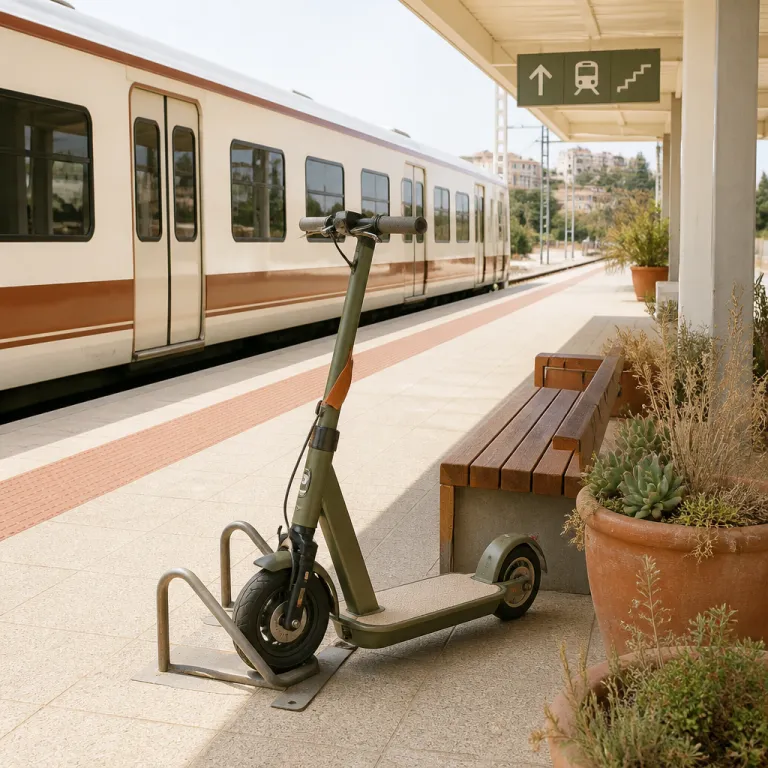
Why an electric scooter changes the way you use transit
An electric scooter turns a fragmented commute into one coherent trip. When you pair a lightweight scooter with a reliable bus or rail network, the last kilometre finally feels easier instead of exhausting. In dense cities where public transport is strong but not perfect, that small electric machine quietly erases the worst walking gaps.
Think about a daily ride where you leave the car at home, roll a folding scooter to the nearest bus stop, then glide from one of the main transit hubs to your office in minutes. That is multimodal commuting in practice, a mixed chain of buses, trains and metro lines where the scooter handles short trips that would otherwise push you back into car use. In large metropolitan areas such as London or New York, transit agencies explicitly assume riders will use scooters, bikes or an electric bike to reach stations that sit just beyond comfortable walking distance.
When the electric scooter is light enough and the folding system is fast, you move through public transit almost as smoothly as a pedestrian. You tap into the transit system for the long haul, then let the scooter handle the better mile at each end of the journey. Used this way, electric scooters are not toys; they are compact pieces of urban transport infrastructure that make public transit feel better, faster and more humane.
Choosing the right scooter for mixed train and bus commuting
For a commuter who mixes scooter plus train plus bus, weight matters more than raw power. Once a scooter passes about 13 kilograms, carrying it through a crowded city station or up stairs inside public transport becomes a daily workout instead of a quick lift. Most riders who use multimodal transit every weekday find that 11 to 12 kilograms is the real world limit for comfortable daily carrying, which aligns with many manufacturers’ stated “portable” weight ranges.
Folding speed is just as critical as weight, because a slow latch can jam a fare gate or delay a bus boarding queue. You want a folding mechanism that locks in under five seconds, with a stem that does not wobble after hundreds of kilometres of commuting. Models like the GoTrax XR Ultra and Xiaomi Pro 2 balance modest motors with manageable weight according to their published spec sheets, while heavier scooters such as the Segway Ninebot Max G30 feel stable on rough bike lanes but become awkward on narrow train stairs.
Handlebar width and wheel size also shape how your electric scooter behaves inside a transit system. Bars wider than about 45 centimetres can snag on turnstiles, and tiny 8 inch wheels tend to catch in platform gaps when you roll the scooter beside you. If you expect to store the scooter under a desk or in a campus locker, measure the folded footprint carefully and apply the same logic used when choosing the right electric scooter for college students on busy campuses, because cramped offices and crowded trains share the same space problems.
Transit rules, safety and etiquette for scooters on the move
Transit authorities and transit agencies do not treat every electric scooter the same way. Some public transit operators allow scooters only when they are folded, others ban electric scooters entirely during peak commuting hours, and a few treat them like bikes with specific carriage rules. Before you build a multimodal commuting routine, you need to read the actual policy for your local buses, trains and metro lines; systems such as Transport for London and the MBTA in Boston now publish detailed scooter and bike rules alongside general passenger regulations.
In practice, the safest approach is to behave as if your scooter is a compact bike inside the transit system. Keep the electric scooter folded in stations, avoid blocking doors or aisles, and never ride on platforms even for short trips between transit hubs. When platforms are crowded, rolling the scooter beside you with one hand and holding the bar low keeps the centre of gravity stable and reduces the risk of clipping ankles.
Outside the station, the rules shift again as you move from sidewalks to bike lanes and then to mixed traffic with car trips. Several European and North American cities now treat electric scooters and electric bike models like bicycles, which means using marked lanes where available and yielding to pedestrians at crossings. If you want a deeper sense of how a compact machine can reshape everyday urban commuting, the analysis of how a GoGo motor scooter reshapes everyday urban commuting offers a useful parallel for understanding how small vehicles interact with public transport and city streets.
Real world performance: range, comfort and the better mile
Spec sheets promise long ranges, but multimodal transit riders rarely need them. When your scooter-based commute includes a long rail segment, the electric vehicle usually covers only three to seven kilometres of daily travel. That means a smaller battery, a lighter frame and a more comfortable carry up stairs are often better than a huge pack that adds weight you never use.
In testing, a Segway Ninebot Max G30 that claims more than 60 kilometres of range delivered about 35 kilometres for a 90 kilogram rider on mixed city terrain with gentle hills at roughly 18–22°C, which is consistent with several independent range tests that report roughly half to two thirds of the advertised maximum under similar conditions. The same rider on a lighter GoTrax XR Ultra saw roughly 18 kilometres on comparable routes and temperatures, but the scooter felt easier to lift into public transport and more nimble weaving through bike lanes. For a commuter who only needs short trips between transit hubs, that trade off can be rational, because the better mile at each end of the journey matters more than the distant theoretical maximum.
Comfort also depends on tyres, deck size and braking, especially when you ride in cities with rough asphalt and tram tracks. Pneumatic tyres on electric scooters soak up cracks better than solid honeycomb designs, but they add puncture risk that can ruin a daily ride if you hit debris near a station. Drum brakes require less maintenance than disc brakes in wet weather, which matters when you rely on public transport every day and cannot afford a scooter that fails during the evening rush.

| Model | Weight | Typical fold time | Wheel size | Claimed range | Tested range* |
|---|---|---|---|---|---|
| GoTrax XR Ultra | ~12 kg | 3–5 s | 8.5 in | up to 27 km | 15–20 km |
| Xiaomi Pro 2 | ~14 kg | 3–5 s | 8.5 in | up to 45 km | 25–30 km |
| Segway Ninebot Max G30 | ~19 kg | 5–7 s | 10 in | up to 65 km | 30–40 km |
*Tested ranges are typical values reported by independent reviewers under mixed urban conditions for riders around 75–95 kilograms at moderate temperatures; actual performance varies with rider weight, terrain, tyre pressure, wind and temperature.
Cost, planning and using real time information for smarter commutes
When you compare costs honestly, an electric scooter plus a monthly transit pass usually beats rideshare for the last kilometre. A mid range scooter around six hundred dollars spread over three years of daily commuting often undercuts the price of regular car trips to the station or repeated ride hailing for short hops. The real savings appear in cities where parking near transit hubs is scarce or heavily priced.
Planning tools make this kind of scooter-and-transit commute even more efficient. Many transit agencies now publish real time arrival data, so you can time your ride to the station and avoid long waits on windy platforms. When you combine that information with a mental map of bike lanes, quiet back streets and safe crossings, the scooter becomes a precision tool that stitches the transit system into a seamless door to door transport network.
There is also a strategic question about performance and future needs, especially if you are tempted by more powerful machines. High voltage models aimed at long suburban travel can be overkill for short trips to public transport, but they may suit riders who mix weekend leisure with weekday commuting, and resources that explain whether a 72 volt scooter is the right high performance electric scooter for you can help frame that decision. Whatever you choose, remember that the best scooter for multimodal transit is the one you are still willing to carry on a rainy Tuesday, not the one that looks impressive in a spec sheet.
FAQ
Can I bring my electric scooter on any train or bus ?
No, rules vary widely between transit authorities and even between lines inside the same city. Some public transport systems allow only folded electric scooters, while others restrict them during peak commuting hours or ban them entirely. Always check the official policy of your local transit agencies before planning a multimodal commuting routine, and look for sections that mention bikes, personal mobility devices or micromobility vehicles.
How heavy is too heavy for a daily multimodal commute ?
Most riders can comfortably carry about 11 to 12 kilograms up one flight of stairs. Once a scooter passes roughly 14 kilograms, it tends to stay at home on wet or tiring days, which undermines the whole idea of using a scooter to link trains and buses. If you expect to use buses, trains and crowded stations every weekday, prioritise a lighter folding electric model over extra range.
Is a more powerful scooter always better for mixed commuting ?
Higher power helps on steep hills and in strong headwinds, but it usually adds weight and cost. For short trips between transit hubs, a modest motor with good efficiency is often better than a heavy high performance machine. Focus on folding speed, reliability and comfort rather than chasing top speed you will rarely use in city traffic.
Do I need special safety gear when I combine scooters with public transit ?
You should wear at least a certified helmet and closed shoes whenever you ride an electric scooter. Inside stations and on platforms, the main safety rule is simple; never ride, always walk and keep the scooter under tight control. Reflective clothing and lights also help when you exit a well lit train into darker city streets.
How does a scooter compare with a bike for last mile commuting ?
A bike or electric bike offers more stability at higher speeds and better handling on rough surfaces, but it is harder to carry through narrow doors and crowded aisles. A compact scooter folds smaller, fits under desks and usually passes through turnstiles more easily, which suits many urban commuting patterns. The best choice depends on your local bike lanes, storage options and how often you need to lift the vehicle during a daily ride.