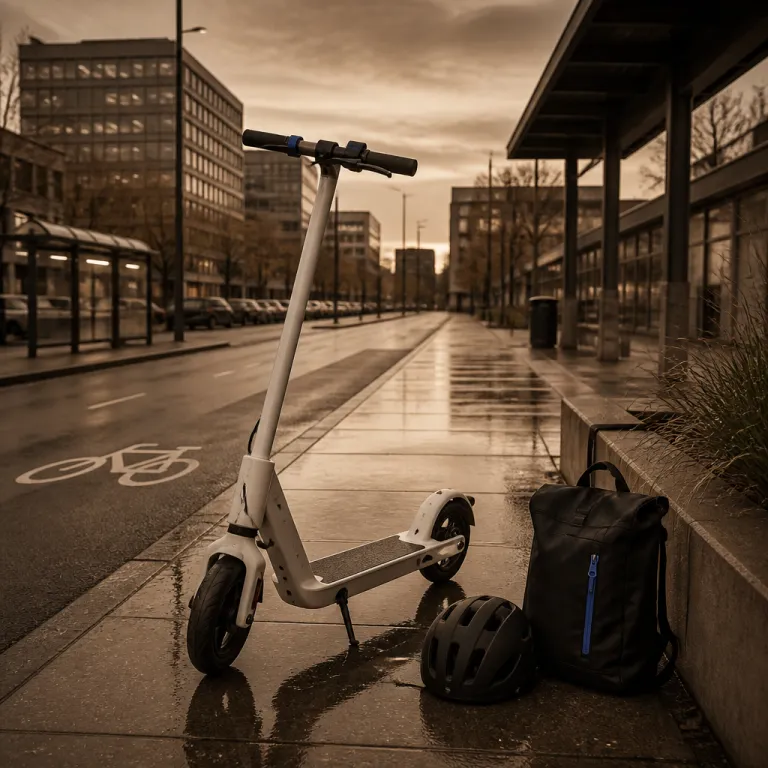

Why a white electric scooter appeals to urban commuters
A white electric scooter stands out in dense city traffic and crowded bike lanes. The bright colour improves visual contrast for drivers and pedestrians, which can subtly enhance perceived safety during long commuting hours. Many adults now choose white scooters because they pair minimalist design with practical electric performance.
When you compare modern electric scooters with a traditional bike, the difference in effort is striking for daily commuting. A compact electric scooter with a 500 watt motor can maintain a steady 20–25 km/h on flat roads, while a similar electric bike often requires more rider input to match that pace. Riders who alternate between scooters and bikes often report that the scooter feels less sweaty and more office friendly over a similar distance. As one Berlin commuter put it after switching from a bike, “I arrive at my desk without needing a change of clothes, even on warm days.”
Colour does not change the certified technical specifications, but it shapes how the product fits your lifestyle. A white commuter scooter looks discreet with office wear, yet it remains visible when you ride at an indicated top speed of 25 km/h to 30 km/h. For adults and older teens who share scooters inside a household, a neutral white frame also blends more easily with different tastes and accessories such as a scooter seat or reflective helmet stickers.
Key specifications that matter for a white commuter scooter
Before comparing any white electric scooter, you need to understand the core specifications that affect real world use. The first is battery capacity, which determines both the practical riding range and the psychological comfort of not worrying about the last kilometres. A typical commuter scooter for adults offers a usable range between 25 km and 40 km, while premium scooters can reach more than 60 km under ideal conditions.
Manufacturers usually quote range figures based on light riders, warm temperatures and eco modes, so your personal maximum distance will often be lower. Heavier adults, frequent stops and higher speed riding all reduce the effective range, especially on hilly routes. When you read a product sheet, treat the stated maximum range as a best case scenario rather than a guaranteed daily figure for mixed commuting conditions.
Motor power and top speed also shape how an electric scooter feels in traffic. Entry level white scooters for adults and teens often use a single front hub motor with around 350 watts and a limited top speed of roughly 25 km/h, which suits regulated city bike lanes. More advanced dual motor setups can reach a much higher top speed and stronger hill climbing, as seen on performance models such as the G2 electric scooter for adults with long range and dual suspension, which has been tested by independent reviewers to maintain over 30 km/h on moderate hills with a 75 kg rider under favourable conditions.
Battery life, charging habits and long term ownership costs
Battery life is the hidden backbone of every white electric scooter, because it dictates both daily convenience and long term cost. Lithium ion packs inside commuter scooter models typically last between 500 and 1,000 full charge cycles before noticeable capacity loss, according to data from cell suppliers such as Panasonic, LG Energy Solution and CATL. For a rider who charges an electric scooter three times per week, that can translate into several years of regular commuting before the range drops significantly.
Charging habits strongly influence how long range performance holds up over time. Keeping the battery between roughly 20 percent and 80 percent charge, avoiding prolonged storage at 0 percent and limiting fast charging when possible all help preserve the original capacity. Urban riders who share electric scooters or electric bike style vehicles within a family often benefit from planning a simple charging schedule at home, which reduces stress about remaining distance during busy workdays.
Emerging designs with swappable packs are changing how people think about battery life and delivery style usage. Instead of buying a larger and heavier white electric scooter, some riders prefer a lighter frame with two smaller batteries that can be rotated, as explained in industry analyses of why swappable batteries and standardization can beat simply adding bigger cells. For adults and older teens who ride both scooters and an occasional electric dirt or trail bike on weekends, this modular approach can reduce downtime and spread the long term price of replacement packs across several compatible products.
Comfort, safety and ergonomics for adults and teens
Comfort on a white electric scooter depends on more than just the deck size and handlebar height. Tyre diameter, suspension design and the option for a scooter seat all influence how stable the scooter feels at speed on rough asphalt or cobblestones. For adults who commute daily, a slightly heavier folding frame with proper suspension often proves more comfortable than an ultra light scooter with rigid forks.
Safety features deserve the same attention as range and price when you compare scooters. Certified lighting systems with a bright front beam, side reflectors and a responsive rear brake light help a white frame remain visible even in mixed traffic with cars and bike riders. Dual braking systems that combine a front drum or disc with a rear electronic brake shorten stopping distances, especially on wet roads where a single mechanical brake can lock too easily.
Control electronics also play a role in safe commuting for adults and teens who may be new to electric scooters. Features such as cruise control, configurable acceleration modes and speed limits allow parents to tailor an electric scooter to a younger rider’s experience level. Some global brands now integrate app based locks, ride statistics and certified firmware updates, which can reduce the risk of tampering and keep the product compliant with evolving local regulations.
Folding mechanisms, portability and storage in small spaces
Portability is a decisive factor when choosing a white electric scooter for mixed mode commuting. Many riders need to carry their scooters up apartment stairs, onto trains or into office lifts, so the folding mechanism and total weight matter as much as the advertised top speed. A well designed folding joint should lock with a clear click, resist frame flex and allow the scooter to roll on its wheels when folded.
For adults who combine a scooter and a regional train, a compact folded footprint can be more valuable than an extra 5 km of range. Models with a folding stem and folding handlebars fit more easily under a desk, beside a workstation or in a hallway, which reduces the temptation to leave the scooter outside where theft risk is higher. Some commuter scooter designs even integrate a hook that lets the folded scooter attach to a trolley style suitcase, turning the combined products into a practical travel system for global business trips.
Storage also affects how well the scooter ages over time. Keeping a white frame indoors protects it from ultraviolet damage and corrosion, which helps maintain both resale price and mechanical integrity. Riders who own several scooters, an electric bike and perhaps a compact dirt bike often create a simple vertical rack system at home, so each product has a defined parking spot and charging cable without cluttering living space.
Performance, pricing and how to read real world reviews
Performance figures for a white electric scooter can look impressive on paper, but you need to translate them into daily experience. A claimed top speed of 40 km/h might sound attractive, yet many cities limit electric scooter use to 20–25 km/h on public paths, which means the extra speed is only relevant on private property. Instead of focusing solely on top speed, pay closer attention to acceleration curves, hill climbing ability and how stable the scooter feels at your usual cruising pace.
Price comparisons should factor in both the initial purchase and the running costs over several years. A slightly more expensive commuter scooter with better battery life, water resistance and certified components can work out cheaper than a budget model that needs a new pack or frequent repairs after heavy commuting. When you evaluate the price of different scooters, consider what is included in the package, such as a charger, spare inner tubes, a scooter seat option or extended warranty coverage.
Long form reviews and owner reports help bridge the gap between marketing claims and reality. Detailed tests of high speed seated scooters, for example, show how dual motor setups behave under load and how comfortable a dual motor configuration feels on longer rides. When you read about electric scooters or electric dirt style models, look for consistent comments about real world range, build quality and delivery experiences, because these patterns reveal more than a single enthusiastic or angry rating.
Key figures about white electric scooters and commuter models
- In major European capitals, shared electric scooters have reached average daily usage rates of around 4 to 6 rides per vehicle, according to operator reports from companies such as Tier, Lime and Dott, which demonstrates strong demand for compact commuting solutions among adults.
- Typical commuter scooter models for adults offer a nominal motor power between 300 watts and 700 watts, which is sufficient for urban gradients up to roughly 10 percent when carrying an 80 kilogram rider.
- Many mid tier white electric scooter products now advertise a range between 30 km and 45 km per charge, while premium dual motor models can exceed 70 km under controlled test conditions.
- Regulations in several European countries cap the legal speed for scooters on public roads at about 20–25 km/h, which is significantly lower than the mechanical top speed of some performance models.
- Life cycle analyses of electric scooters suggest that using a durable commuter scooter for at least two to three years of regular commuting can reduce per kilometre emissions compared with short car trips in dense urban areas.
FAQ about white electric scooters for commuting
How far can a typical white electric scooter travel on one charge ?
Most white commuter scooter models for adults offer a practical range between 20 km and 35 km when ridden at moderate speed on mixed terrain. Premium scooters with larger batteries can reach a maximum range above 50 km, but real world distances usually fall below the laboratory figures. Your weight, riding style, tyre pressure and temperature all influence the effective range you experience, and riders on hilly routes or rough surfaces should expect lower numbers than light users on flat bike paths.
Is a white electric scooter suitable for both adults and teens ?
Many manufacturers design scooters that can safely carry adults and older teens, provided the rider respects the stated weight limit and local regulations. Adjustable handlebars, configurable speed limits and optional accessories such as a scooter seat help tailor one product to different family members. Parents should still verify that the electric scooter is certified for the intended age group and that teens receive proper training before commuting alone.
How does a white electric scooter compare with an electric bike for commuting ?
An electric bike usually offers a longer range and better performance on steep hills, while a scooter is lighter, more compact and easier to store indoors. Riders who face long distances above 15 km per day often prefer an electric bike, whereas those with shorter urban routes value the folding convenience of scooters. A white frame on either vehicle improves visibility in traffic and pairs well with reflective clothing for added safety.
What maintenance does a commuter scooter require over time ?
Routine maintenance for a white electric scooter includes checking tyre pressure, inspecting brake pads, tightening bolts and cleaning the folding mechanism. Battery care is equally important, so owners should avoid deep discharges, store the scooter in a dry indoor space and follow the manufacturer’s charging guidelines. With basic attention, many commuter scooter models can provide several years of reliable service for daily commuting.
Can a white electric scooter handle rough roads or light off road paths ?
Most commuter scooters are optimised for paved streets and bike lanes, but models with larger tyres, suspension and robust decks can manage light gravel or compacted dirt paths. Riders who frequently use unpaved routes may consider a hybrid design that borrows elements from an electric dirt or trail bike, such as knobbier tyres and reinforced frames. In all cases, staying within the recommended speed and wearing protective gear remain essential for safe riding.