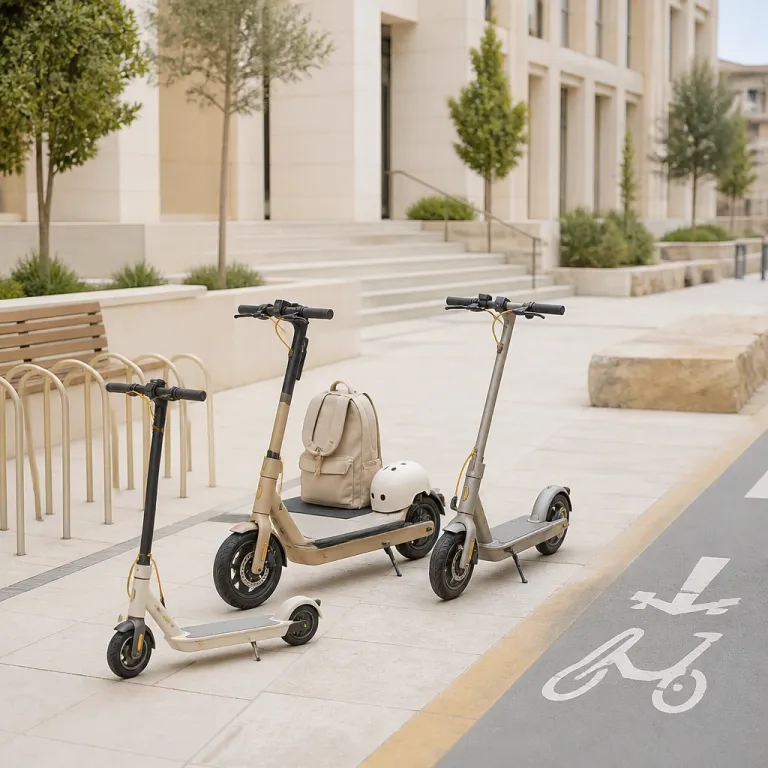

Why an electric scooter fits modern college campus life
An electric scooter for college students has become a practical everyday tool rather than a novelty gadget. On a large campus, these compact electric rides turn a twenty minute walk into a five minute trip, while keeping transport costs predictable and low. Many college students now treat a reliable campus scooter as essential as a laptop or backpack.
Across scooter friendly universities, administrators have quietly tested different parking layouts and charging options to manage growing fleets of scooters. This shift reflects how a modern electric scooter offers a flexible middle ground between walking, cycling, and public transport, especially when lecture halls, libraries, and dorms are spread over several kilometres. When you choose carefully from a clear list of models, the right product can handle daily trips, late night library runs, and weekend errands without drama.
For a typical scooter campus environment, the best electric models balance speed, safety, and portability. A compact electric scooter with a reasonable top speed, dependable brake system, and moderate weight capacity usually serves college students better than a heavy dual motor powerhouse. The goal is not max performance, but a calm, predictable ride that fits into crowded bike racks and narrow residence hall corridors.
Key performance metrics: range, speed, and charging time
When comparing any electric scooter for college students, three numbers matter most. You should look closely at real world range, safe speed in mph, and realistic charging time, because these figures determine whether the scooter quietly supports your routine or constantly disrupts it. A model advertised with a long range might still disappoint if that range estimate assumes a very light rider and perfectly flat terrain.
For everyday campus use, a commuter electric scooter with a claimed range of 25 to 40 km usually covers several days of short rides. Many scooters best suited to students reach a top speed between 20 and 30 km/h, which translates to roughly 12 to 18 mph, fast enough to cross campus quickly without feeling unstable in crowds. Pay attention to how brands describe speed mph and top speed, because some highlight a theoretical max that you will rarely reach in real conditions.
Charging time also shapes your routine more than you might expect. A practical commuter scooter typically needs 4 to 6 hours to recharge from empty, so you can plug in after evening classes and wake up to a full battery. Before deciding a product is the pro best option, check whether the charger fits your dorm layout, whether the scooter campus policy allows charging in hallways, and whether the battery is removable for safer indoor storage; for deeper commuter electric comparisons, you can study a detailed guide on choosing the right commuter electric scooter here: commuter electric scooter buying advice.
Safety first: brakes, tyres, and handling on crowded paths
Safety on an electric scooter for college students starts with the braking system. A reliable brake on both the front and rear wheels shortens stopping distance and gives you more control when pedestrians step into the path unexpectedly. When you compare electric scooters, always check the specified brake type and whether the scooter uses mechanical disc brakes, drum brakes, or electronic regenerative systems.
Models with a strong front brake combined with a rear mechanical brake usually offer the best balance of power and modulation. On wet leaves or gravel near campus construction zones, a well tuned front and rear brake setup can prevent skids and keep the ride predictable, even when you are carrying a backpack full of textbooks. Some scooters best suited to students also include anti lock features, which reduce the risk of the front wheel locking when you squeeze the lever in panic.
Handling depends on more than just the brake type, because tyre size and suspension matter too. A commuter scooter with larger pneumatic tyres at the front and rear will roll more smoothly over cracked pavement, speed bumps, and the edges of bike lanes. If you regularly ride at the higher end of the speed mph range, prioritise stability and grip over raw max speed, and remember that the best electric scooter is the one that lets you arrive calm, not shaken; for a closer look at how colour and design intersect with daily safety, see this analysis of a white electric scooter used for commuting: white electric scooter commuting insights.
Portability, weight capacity, and storage in student housing
Living in a dorm or shared apartment changes how you evaluate any electric scooter for college students. Portability becomes as important as performance, because you may need to carry the scooter up several flights of stairs or fit it under a lofted bed. A lighter scooter with a folding stem often proves more practical than a heavy dual motor machine, even if the latter boasts a higher max speed.
When you read specifications, pay close attention to the stated weight capacity. Many electric scooters support riders up to 100 or 120 kg, but if you are near that limit and also carry a heavy backpack, you should choose a product with extra margin to protect both frame integrity and real world range. Overloading a scooter reduces effective range, increases charging time needs, and can stress the brake system, especially during emergency stops on downhill campus paths.
Storage rules on campus also influence your decision. Some universities restrict scooters in hallways or require parking at designated racks, so a compact commuter electric model that folds quickly can help you comply with regulations while still keeping the scooter secure. If you want a deeper sense of how design details affect everyday storage and use, a case study on how a purple electric scooter changes daily rides for different age groups offers useful parallels for college students here: purple electric scooter daily use.
Comparing brands, prices, and where to buy
Once you understand your needs, you can compare specific electric scooter for college students options by brand and price. Established names such as Segway and its Segway Ninebot line have built reputations for robust commuter scooter models that suit campus life, while newer brands compete aggressively on features and cost. A careful list of candidates helps you avoid impulse purchases driven only by flashy speed mph claims or unrealistic long range promises.
Many students start their search on Amazon because it offers a wide selection and fast shipping. On such platforms, look beyond the headline top speed and focus on verified reviews that mention daily ride quality, real charging time, and how the scooter handles repeated trips across campus. Pay attention to whether reviewers describe the product as the best electric option for mixed weather, or whether they report issues with the brake system, folding mechanism, or battery degradation over time.
Price should be weighed against total ownership costs, not just the initial payment. A slightly higher price for a Segway Ninebot commuter electric scooter with proven durability, accessible spare parts, and strong after sales support can be better value than a cheaper model that fails after one semester. When you compare scooters best suited to students, consider warranty length, local repair options, and whether the brand offers clear maintenance guidance, because these factors determine whether your scooter campus experience remains smooth or becomes a recurring hassle.
Choosing the right commuter scooter profile for your routine
Different patterns of campus movement call for different electric scooter for college students profiles. If you mainly ride short distances between nearby lecture halls, a lightweight commuter scooter with modest top speed and quick folding may be ideal. Students who travel from off campus housing or internships might instead prioritise long range capability and higher speed mph to cover several kilometres efficiently.
For heavier riders or those carrying sports gear, a model with a higher weight capacity and possibly a dual motor configuration can maintain stable acceleration on hills. Dual motor scooters deliver stronger torque, but they also increase overall weight and may reduce range electric performance if ridden aggressively, so they suit only some college students. In contrast, a single motor commuter electric scooter often offers a better balance of price, portability, and battery life for everyday campus use.
Think carefully about when and where you ride most often. Night classes, early morning labs, and part time jobs extend your schedule, so integrated lights at the front and rear, reflective accents, and a responsive brake type become more important than raw max speed. The pro best choice is the scooter that matches your real routine, not the one that tops a generic list of scooters best on paper, and that alignment is what ultimately makes an electric scooter feel like a natural extension of student life.
Key statistics on electric scooters in student mobility
- According to the National Association of City Transportation Officials, shared electric scooters accounted for roughly 136 million trips in the United States in 2019, showing how quickly scooters have become part of everyday urban and campus mobility (NACTO, “Shared Micromobility in the U.S. 2019”).
- Data from the International Transport Forum indicate that typical electric scooter trips average about 2 to 3 km, which closely matches the distance between many dorms and main lecture halls on large university campuses (ITF, “Safe Micromobility,” 2020).
- Consumer testing by several European mobility agencies has found that many commuter electric scooters reach practical ranges of 20 to 30 km per charge, rather than the higher marketing claims, when ridden by adults at moderate speed with frequent stops (for example, ADAC e-scooter tests published in 2022).
- Studies from road safety organisations report that the majority of electric scooter incidents at low speeds involve inexperienced riders braking too hard with the front brake, underlining the importance of learning proper brake type use and practising emergency stops in a safe area (ITF, “Safe Micromobility,” 2020).
- Market research from firms such as Statista shows that the global electric scooters and bikes market has grown at double digit annual rates in recent years, driven partly by younger users and college students seeking affordable alternatives to car ownership (Statista, “E-scooter market size worldwide,” 2023).
FAQ: electric scooter for college students
Is an electric scooter allowed on most college campuses ?
Many universities allow electric scooters but apply specific rules about where you can ride and park. Some campuses require riders to stay on bike lanes, limit speed in crowded areas, or ban scooters inside academic buildings. Always check your campus transportation policy before buying a scooter, so you can choose a model that fits local regulations.
What top speed is safe for riding on campus paths ?
On shared paths with pedestrians and cyclists, a top speed around 20 to 25 km/h is usually safer than the higher max speed some scooters can reach. You should ride slower in crowded zones, near crosswalks, and around blind corners, regardless of the scooter’s rated speed mph. Many college students find that using the lower speed mode built into their commuter scooter helps maintain better control.
How much range do I need for daily student use ?
For most students, a practical range of 20 to 30 km per charge is enough for several days of short trips across campus. If you commute from off campus housing or often ride to internships, you may want a long range model rated for 40 km or more. Remember that real range electric performance depends on rider weight, hills, temperature, and how often you accelerate hard.
Should I buy a dual motor scooter for college ?
A dual motor scooter offers stronger acceleration and hill climbing, but it is usually heavier, more expensive, and sometimes overpowered for crowded campus paths. Many college students are better served by a lighter commuter electric scooter with a single motor, good brakes, and reasonable weight capacity. Choose dual motor only if you regularly face steep hills or long off campus rides where the extra power truly matters.
Where is the best place to buy an electric scooter as a student ?
Students often compare prices between local bike or scooter shops and large online retailers such as Amazon. Buying locally can provide easier access to service, test rides, and warranty support, while online platforms may offer a wider list of models and frequent discounts. Whichever route you choose, focus on verified reviews, clear specifications, and a transparent return policy before committing to a product.