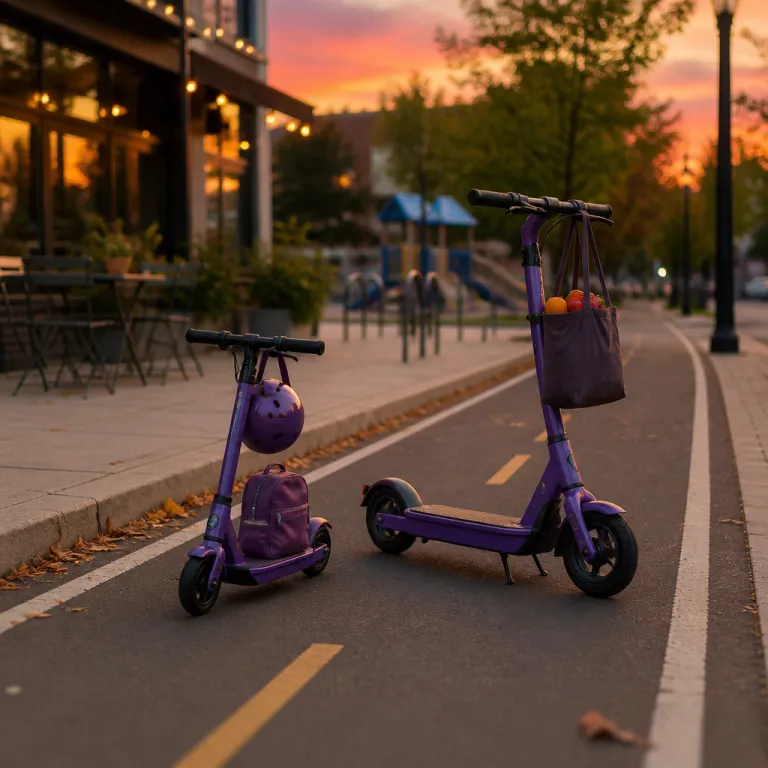

Why a purple electric scooter appeals to both kids and adults
A purple electric scooter stands out instantly in a sea of grey and black commuter models. The vivid purple frame helps kids feel proud of their ride, while adults appreciate the extra visibility in traffic and crowded parks. Many parents now choose a bright purple scooter because the colour makes it easier to spot their child from several metres away, especially at school gates or busy playgrounds.
When families compare electric scooters, they usually balance style, safety, speed and long term running costs. A well designed children’s e-scooter can later be passed to younger siblings, while a sturdier adult scooter may serve as a short range commuter vehicle. In both cases, the right mix of motor power, battery capacity and durable parts determines how many miles of reliable service the scooter can deliver before major maintenance is needed.
Colour alone never defines performance, yet a purple electric scooter often signals a youth focused design with moderated top speed and softer acceleration. Brands tune the scooter motor and controller so that kids reach a safe cruising pace rather than racing to the headline speed figures that adult electric models advertise. For mixed age households, choosing complementary purple scooters for kids and adults can also simplify maintenance, because shared parts such as tyres, chargers and folding mechanisms are easier to manage and replace.
Key safety factors when choosing purple scooters for kids
Safety should guide every decision when buying a purple scooter for a child. Parents need to check the stated maximum speed, the recommended age range and the maximum rider weight before they look at colour or price. A kids model that limits speed to around 10 to 15 miles per hour (mph) gives young riders time to react to obstacles and reduces the severity of falls, which aligns with guidance from child safety organisations in the US and EU such as the American Academy of Pediatrics and the European Child Safety Alliance.
Wheel design matters as much as the motor when evaluating electric scooters for children. Models with wider solid tyres or air filled pneumatic tyres provide more grip on uneven pavements, while a lower deck keeps the centre of gravity stable at any speed. For younger kids, a scooter motor with gentle acceleration is more important than a high top speed because smooth starts reduce sudden wobbles and low speed crashes.
Parents comparing kids’ scooter options under a tight budget should still insist on a reliable battery, a clear rear brake and a sturdy folding latch. Independent tests that compare children’s electric scooters, such as consumer magazine reviews of sub €300 models from brands like Razor and Segway-Ninebot, help families understand how real eight year olds handle bumps, kerbs and emergency stops. A purple electric scooter that passes these practical tests will usually offer better long term performance, fewer unexpected parts failures and more predictable braking.
Performance, range and speed for a purple scooter in real life
Performance on a purple electric scooter depends on how motor power, battery size and rider weight interact. A compact scooter motor rated around 150 to 250 watts suits younger kids, while heavier adults may require 350 watts or more to reach the same speed on gentle slopes. Riders should remember that every extra kilogram of rider or backpack weight, and every headwind, can reduce the effective top speed they experience on the road.
Manufacturers usually quote a range figure in miles based on light riders on flat ground at moderate speed. In daily use, a purple scooter ridden by an older child on mixed terrain may achieve only two thirds of the advertised range, especially if they accelerate hard from every stop or ride in cold weather. Planning for a realistic long range of 8 to 15 miles helps families avoid mid journey battery anxiety and unexpected pushes home, and corresponds with typical 150 to 250 watt hour (Wh) battery packs that need roughly 4 to 6 hours for a full charge according to common manufacturer spec sheets.
Some premium kids and adult scooters now include app control to show remaining range in miles, adjust acceleration profiles and even limit top speed remotely. This smartphone connectivity can be valuable when a single purple electric scooter is shared between siblings of different ages, because parents can set lower speed limits for younger kids. Over time, gradually increasing the allowed speed setting lets children grow skills without jumping suddenly to adult level performance.
Comparing kids models, adult electric options and hybrid family scooters
Families often debate whether to buy separate scooters for kids and adults or to choose a hybrid model that suits both. A compact purple electric scooter with a moderate motor rating can work for teenagers and lighter adults on short urban trips. However, taller riders who need to cover more miles at higher speed usually benefit from a dedicated adult scooter design with a longer deck, higher handlebars and stronger brakes.
Kids focused brands such as Razor offer colourful models including the well known purple Razor E100 and E200 series, which prioritise stability and predictable performance over raw speed. These scooters typically use smaller motors and shorter range batteries, which keeps weight low and makes the ride easier to control for younger kids. In contrast, adult electric scooters from performance oriented brands may reach a top speed above 25 mph and support higher loads, which is unsuitable for most children even if the frame is painted in an appealing purple shade.
When a household wants one folding scooter that can travel to school in the morning and carry an adult to the train station later, compromise becomes essential. The chosen purple scooter should have adjustable handlebars, a robust motor and solid tyres or puncture resistant pneumatic tyres to handle heavier loads. Checking that the stated range and speed ratings apply to both children’s and adults’ weights prevents disappointment after purchase and avoids overloading the frame.
Understanding price, parts, shipping and long term value
Headline price often dominates the first comparison between purple electric scooters, yet long term value depends on more than the sticker cost. A cheaper scooter with weak parts, limited spare availability and a fragile folding hinge may fail after one hard season of use. Paying slightly more for a model with a proven motor, reinforced deck and widely stocked tyres usually reduces total cost over several years of daily school runs.
Parents should examine what is included in the advertised price and what counts as an optional extra. Some retailers offer free shipping within certain regions, while others charge a separate delivery fee that can significantly change the final bill. A package that includes a spare battery, extra solid tyres and basic tools for parts replacement may represent better value than a bare scooter with a lower initial price but costly accessories.
Warranty terms also influence the real cost of owning a purple scooter for kids or an adult model. A longer warranty on the battery and electrical components signals confidence in performance and can protect families from early failures. Before ordering, buyers should confirm whether free returns or free shipping on warranty repairs apply, because sending an electric scooter back for service can be expensive if transport is not covered.
Practical tips for safer, more enjoyable purple scooter rides
Daily habits shape how safe and enjoyable a purple electric scooter feels for kids and adults. Riders should start every ride with a quick check of tyres, brakes and folding latches to ensure nothing has loosened. A thirty second inspection can prevent a minor parts issue from turning into a serious crash at speed, especially on rough pavements or wet surfaces.
Helmet use is non negotiable for children and strongly recommended for adults on any electric scooter, regardless of the colour or top speed rating. Gloves and knee pads help younger kids build confidence while they learn to balance, steer and brake smoothly at 10 to 15 mph. Parents can gradually relax protective gear as skills improve, but they should always match allowed speed to the rider’s experience, local traffic conditions and any legal limits on e-scooters.
Charging routines also affect both safety and long term battery health on purple scooters. Families should use only the supplied charger, avoid leaving the scooter plugged in overnight for many days in a row and store the battery at moderate temperatures. Teaching kids to park their purple scooter indoors, away from rain and direct sun, preserves the finish, protects the motor and electronics and keeps the ride ready for the next miles of fun.
Key figures about purple electric scooters and kids’ models
- Many mainstream kids’ electric scooters limit top speed to around 12 mph, which safety organisations consider a manageable pace for riders under 12 on flat pavements and shared paths.
- Typical entry level children’s models offer a claimed range of 8 to 15 miles per charge, although real world range often drops by 20 to 30 percent when hills, heavier riders and frequent stops are included.
- Adult oriented electric scooters commonly support rider weights up to about 100 kilograms (220 pounds), while many kids’ scooters are rated for 50 to 70 kilograms, so checking the label prevents overloading a purple scooter shared within a family.
- Solid tyres now appear on a growing share of urban scooters because they eliminate punctures and tube changes, although they can transmit more vibration than air filled tyres on rough surfaces.
- Market surveys from large retailers and mobility research groups show that bright colours such as purple, teal and red are increasingly popular for kids’ scooters, as parents value higher visibility in crowded parks, near school entrances and on residential streets.
FAQ about purple electric scooters for kids and adults
What age is appropriate for a child’s first purple electric scooter ?
Most manufacturers recommend starting with a low speed kids’ scooter around age six to eight, provided the child already balances confidently on a regular kick scooter or bicycle. Parents should prioritise models with limited speed, simple thumb or twist controls and strong brakes, then supervise early rides closely in safe areas away from traffic and steep hills.
How fast should a kids purple scooter go for everyday use ?
For primary school children, a maximum top speed of 10 to 12 mph is usually sufficient for fun rides and short trips to nearby parks. Teenagers with more experience can handle 15 mph or slightly higher, but anything approaching adult electric performance should wait until they understand road rules, local regulations and wear proper protective gear.
Are solid tires better than air filled tires on a purple electric scooter ?
Solid tyres remove the risk of punctures and reduce maintenance, which many parents appreciate on kids’ scooters used daily for school runs. However, air filled pneumatic tyres offer a softer ride and better grip on rough or wet surfaces, so the best choice depends on whether comfort, handling or zero maintenance matters more for your family.
How long does the battery usually last on a kids purple scooter ?
A typical kids’ electric scooter battery provides around 300 to 500 full charge cycles before noticeable capacity loss, which often translates to two or three years of regular use according to manufacturer datasheets for common lithium-ion packs. Lifespan improves when families avoid deep discharges, store the scooter indoors and recharge the battery after, rather than during, long periods of inactivity.
Can one purple electric scooter safely serve both kids and adults ?
Some sturdier models with higher weight limits and adjustable handlebars can be shared between older kids and lighter adults for short rides. However, families must check the rated load, braking performance and speed settings carefully, then adjust expectations so that neither rider group pushes the scooter beyond its intended design or legal use on local streets.