
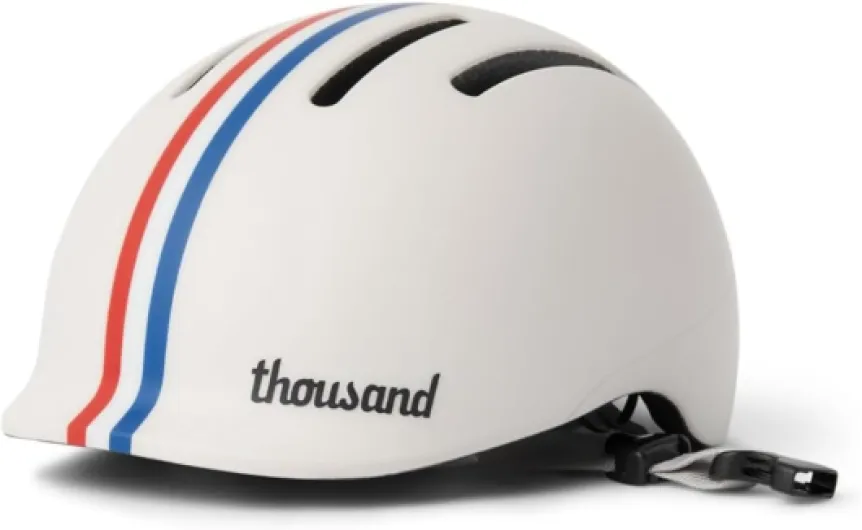
Understanding the importance of a toddler helmet
Why a helmet is essential for toddlers on electric scooters
When it comes to electric scooters, safety should always come first—especially for young children. A helmet is not just a recommended accessory; it is a crucial piece of safety equipment for toddlers. The head of a child is more vulnerable to impacts, and even a minor fall can lead to serious injuries. According to safety standards, wearing a properly fitted helmet can significantly reduce the risk of head injuries during a ride. This is why parents and caregivers should prioritize choosing a high-quality toddler helmet before letting their kids ride a scooter or a kids bike.
Understanding the risks and benefits
Electric scooters can reach speeds that may surprise many parents. For toddlers, their balance and coordination are still developing, making them more prone to falls. A helmet designed for toddlers, such as the Giro Scamp, Joovy Noodle, or Kali Chakra, offers specific features like mold construction and MIPS (Multi-directional Impact Protection System) to enhance impact protection. These features are not just marketing terms—they are tested technologies that help protect a child’s head in case of an accident.
Setting the foundation for safe riding habits
Introducing a helmet early helps toddlers develop good safety habits that can last a lifetime. Whether your child is riding a toddler bike, a kids bike, or an electric scooter, making helmet use non-negotiable is key. Many parents find that starting with a comfortable, well-fitted helmet encourages kids to wear it without resistance. As you explore other important factors like fit, comfort, and style, remember that the primary goal is always to protect your child’s head.
For more tips on keeping your toddler safe and making the most of your scooter experience, check out this guide on choosing the best accessories for your hoverboard or scooter.

Key safety features to look for in a toddler helmet
Essential Safety Elements in Toddler Helmets
When choosing a helmet for your toddler, safety is the top priority. Not all helmets offer the same level of protection, so it’s important to know what features to look for. Here are the key safety aspects that matter most for young riders:- Certified Safety Standards: Always check that the helmet meets recognized bicycle helmet safety standards, such as CPSC or EN 1078. These certifications indicate the helmet has passed rigorous impact tests suitable for kids and toddlers.
- Impact Protection Technology: Look for helmets with advanced impact protection, like MIPS (Multi-directional Impact Protection System). Models such as the Giro Scamp and Giro Tremor child helmets often include this technology, which helps reduce rotational forces during falls.
- In-Mold Construction: High-quality helmets, including many from Giro and Kali Chakra, use in-mold construction. This method fuses the outer shell with the foam liner, creating a lightweight yet durable helmet that offers better energy absorption during impacts.
- Adjustable Fit Systems: A helmet that fits well is safer. Features like dial adjust systems (found in the Joovy Noodle and Giro Scamp) and adjustable side straps help ensure the helmet stays secure on your child’s head, even during active play.
- Full Head Coverage: For toddlers, a helmet should cover the back and sides of the head, not just the top. This design provides extra protection for vulnerable areas during falls from a bike, scooter, or while riding as a passenger.
Quality Materials and Construction
The materials used in toddler helmets play a big role in their protective ability. EPS foam liners are standard for absorbing shock, while a tough polycarbonate shell resists punctures and abrasions. Brands like Giro, Joovy, and Kali Chakra are known for their quality construction, which you can easily find on platforms like Amazon or at local bike shops.Why Proper Safety Gear Matters
Helmets are just one part of keeping your child safe while riding. For a complete approach to safety, consider pairing a helmet with other protective gear. Learn more about the importance of knee and elbow pads for electric scooter riders in this detailed guide on protective gear. Choosing a helmet with these safety features ensures your toddler is protected, whether they’re on a kids bike, scooter, or simply learning to balance. In the next section, we’ll explore how to ensure the helmet fits your child’s head correctly for maximum safety and comfort.Ensuring a proper fit for your toddler
How to Check If a Helmet Fits Your Toddler
Getting the right fit for a toddler helmet is one of the most important steps in ensuring safety during electric scooter rides. A helmet that is too loose or too tight can reduce its effectiveness and make your child uncomfortable. Here’s how you can make sure your child’s helmet fits properly and offers the best protection.
- Measure your child’s head: Use a soft measuring tape to measure the circumference of your child’s head, just above the eyebrows and ears. Compare this measurement with the sizing chart provided by the helmet manufacturer. Brands like Giro (including the Giro Scamp and Giro Tremor), Joovy Noodle, and Kali Chakra offer clear size guides for kids and toddlers.
- Try before you buy: If possible, have your child try on the helmet before purchasing. The helmet should sit level on the head, covering the forehead without tilting back. There should be about two finger-widths between the eyebrows and the helmet edge.
- Check the dial adjust system: Many modern kids bike helmets, such as the Joovy Noodle and Giro Scamp, feature a dial adjust mechanism at the back. This allows you to fine-tune the fit so the helmet is snug but not tight. Adjust until the helmet feels secure and does not move side to side or front to back.
- Adjust the side straps: The side straps should form a "V" shape just below the ears. Buckle the chin strap and tighten it so only one or two fingers fit between the strap and your child’s chin. This helps keep the helmet in place during sudden movements or impacts.
- Test for comfort and stability: Ask your child to shake their head gently. The helmet should stay in place and not wobble. If it moves, re-adjust the fit or try a different size or model. Lightweight in-mold construction and features like MIPS (Multi-directional Impact Protection System) can also enhance both comfort and safety.
Quality helmets for toddlers, such as those found on Amazon or at local bike shops, often meet or exceed safety standards for impact protection. Whether you choose a Giro, Joovy, or Kali Chakra model, always prioritize a secure fit for your child’s head. For more tips on choosing the right gear for your electric scooter, check out this guide on selecting the best e-bike battery for your electric scooter.
Comfort considerations for young riders
Prioritizing Comfort for Happy Rides
When it comes to toddlers and electric scooter safety, comfort is more than just a nice-to-have—it’s essential for keeping your child protected and willing to wear their helmet every time. Even the safest helmet can be left behind if it feels uncomfortable or causes irritation. Here’s what to look for to ensure your toddler’s helmet is as comfortable as it is safe.
- Padding and Liner Quality: Soft, moisture-wicking padding inside the helmet helps prevent discomfort and absorbs sweat. Brands like Giro Scamp and Joovy Noodle are known for plush liners that can be removed and washed, making them ideal for active kids.
- Weight and Mold Construction: Lightweight helmets, often made with in-mold construction, reduce strain on a child’s neck. This is especially important for younger toddlers with developing muscles. Helmets like the Giro Tremor Child and Kali Chakra are designed to be light without compromising on impact protection.
- Ventilation: Adequate vents keep your toddler’s head cool during rides. Look for bike helmets with multiple vents and channels to allow airflow, which is especially helpful on warm days or longer scooter trips.
- Adjustability: A dial adjust system lets you fine-tune the fit, ensuring the helmet stays snug without pinching. Side straps should be easy to adjust and sit flat against the child’s head. The Joovy Noodle and Giro Scamp both offer user-friendly adjust fit mechanisms that accommodate growing heads.
- Chin Strap Comfort: A padded chin strap prevents chafing and makes it easier for toddlers to keep the helmet on. Check for easy-to-use buckles that won’t pinch skin when fastening.
Comfort is closely linked to safety and proper fit. A helmet that feels good is more likely to be worn correctly, providing the full benefit of its safety features and meeting bicycle helmet safety standards. When shopping for a toddler helmet on Amazon or at your local bike shop, prioritize comfort features alongside safety certifications and adjustability. This ensures your child is protected and happy to wear their helmet every ride.
Style and design: making helmets appealing to toddlers
Making Helmets Fun and Attractive for Toddlers
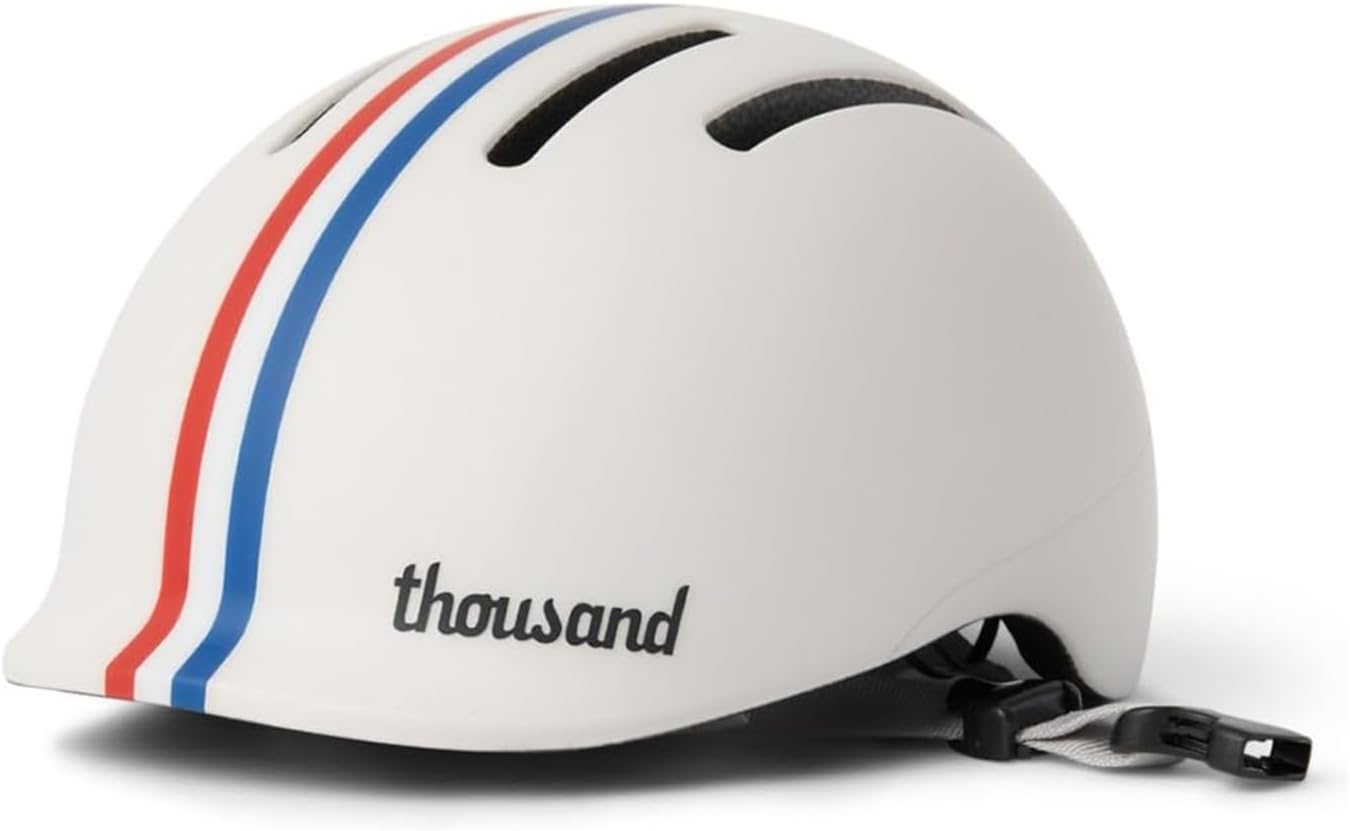
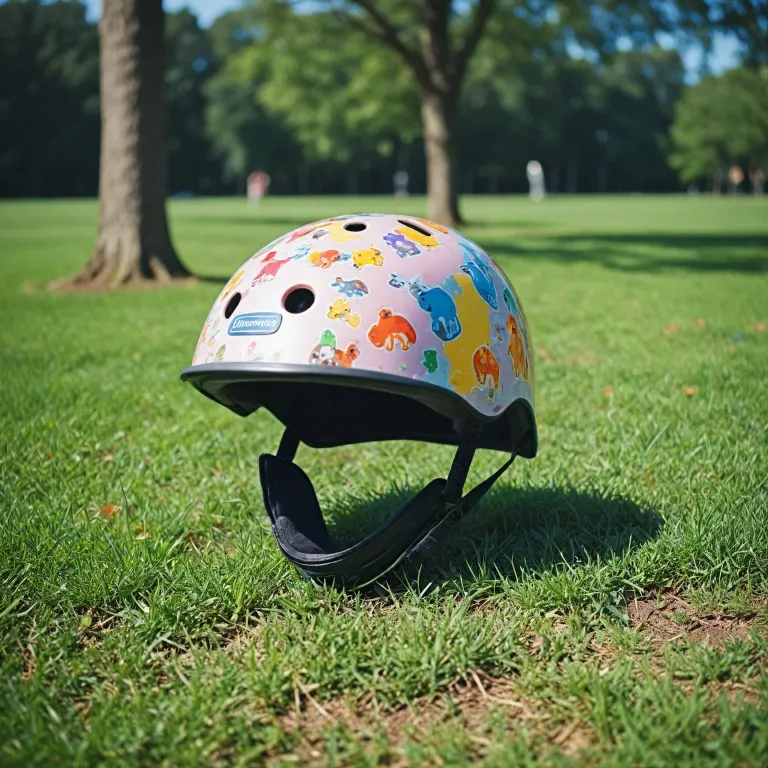
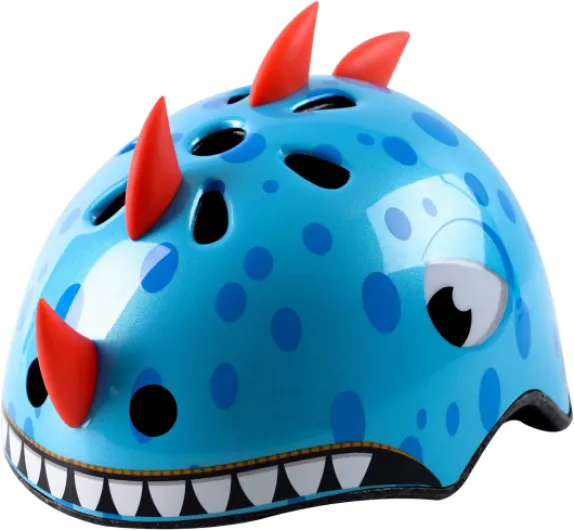
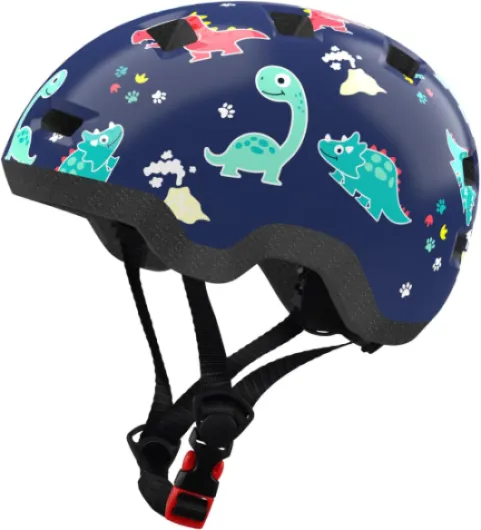
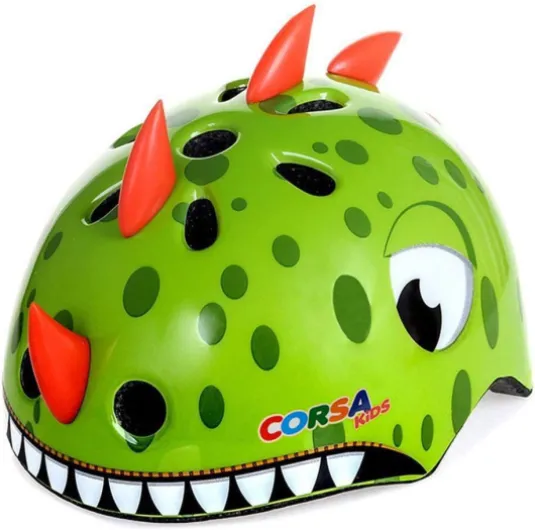
When it comes to getting toddlers to wear a helmet every time they ride their electric scooter or kids bike, style and design can make a big difference. Young children are more likely to keep their helmet on if they actually like how it looks and feels. Many brands, such as Giro and Joovy, have recognized this and offer a wide range of colors, patterns, and even character-themed options that appeal to kids.- Colorful Choices: Helmets like the Giro Scamp and Joovy Noodle come in bright, playful colors that catch a child’s eye. This makes the helmet feel more like a fun accessory than just safety gear.
- Fun Graphics: Some helmets feature animal prints, cartoon designs, or favorite themes. These can help toddlers feel excited about putting on their helmet before a ride.
- Matching Gear: Look for helmets that coordinate with other scooter or bike accessories. Matching knee pads, gloves, or even scooter grips can encourage toddlers to suit up fully for safety.
Balancing Style with Safety and Quality
While style is important for encouraging helmet use, it should never come at the expense of safety or quality. Always check that the helmet meets recognized safety standards and offers features like in-mold construction, MIPS (Multi-directional Impact Protection System), and proper impact protection. Brands such as Giro and Kali Chakra are known for combining appealing designs with robust safety features.- Adjustable Fit: Helmets with dial adjust systems and side straps, like the Giro Tremor Child and Joovy Noodle, ensure a snug and comfortable fit for different head shapes and sizes.
- Lightweight Comfort: A lightweight helmet with good ventilation will keep toddlers comfortable, making them less likely to remove it during rides.
Where to Find Appealing Helmets for Toddlers
Many quality toddler helmets are available on Amazon and other reputable retailers. Look for models that have strong reviews for both safety and style. Always prioritize helmets that are easy to adjust and maintain, so your child’s head is protected every time they ride their toddler bike or electric scooter. Choosing a helmet that your toddler loves can make all the difference in building safe riding habits early on.Maintenance and helmet care tips
Keeping Your Toddler’s Helmet in Top Shape
Proper maintenance of your toddler’s helmet is essential for ongoing safety and comfort. Even the best kids bike helmets, like the Giro Scamp, Joovy Noodle, or Kali Chakra, need regular care to ensure they continue to provide reliable impact protection and a secure fit.- Inspect Regularly: Check the helmet for cracks, dents, or any damage to the shell and inner foam. Mold construction helmets, such as the Giro Tremor Child or Joovy Noodle, should be replaced if you notice any signs of wear or after a significant impact.
- Clean Gently: Use mild soap and water to clean the helmet’s exterior. Avoid harsh chemicals that could degrade the materials. Removable pads can be hand-washed and air-dried to keep the inside fresh for your toddler’s head.
- Check the Fit and Adjustments: As your child grows, regularly adjust the dial fit system, side straps, and chin buckle to maintain a snug, comfortable fit. A helmet that’s too loose or tight won’t provide optimal safety. Refer to the manufacturer’s instructions for adjusting features like the dial adjust or side straps.
- Store Properly: Keep the helmet in a cool, dry place away from direct sunlight and extreme temperatures. This helps preserve the quality of the materials and ensures the helmet remains safe for your toddler bike adventures.
- Replace When Needed: Even high-quality helmets like the Giro Scamp MIPS or Kali Chakra should be replaced every few years, or immediately after a crash. Helmets that meet recognized safety standards (such as CPSC or EN standards) are designed for single-impact protection.