
Understanding the different types of electric scooter tires
Key Differences Between Pneumatic and Solid Tires
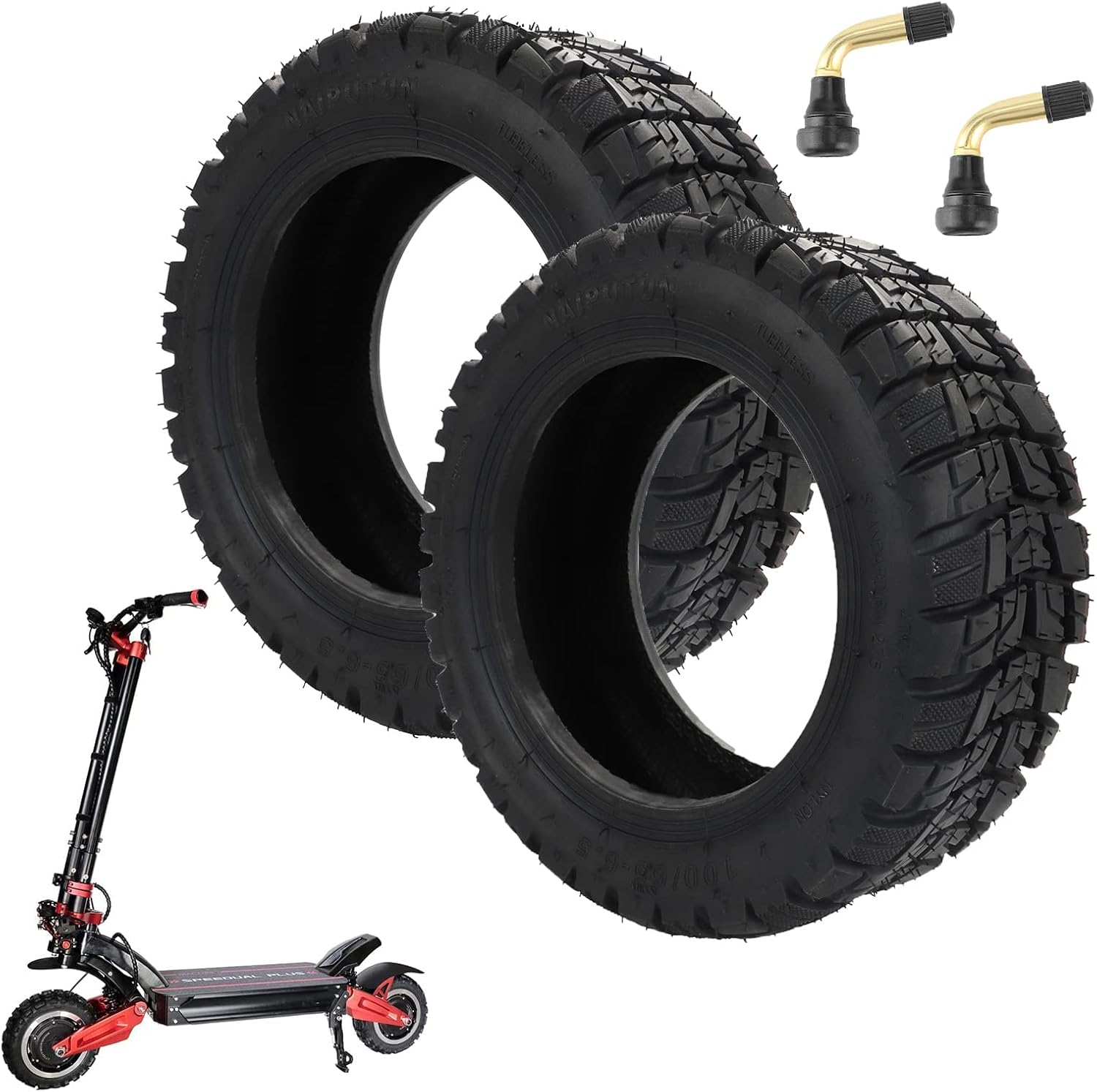
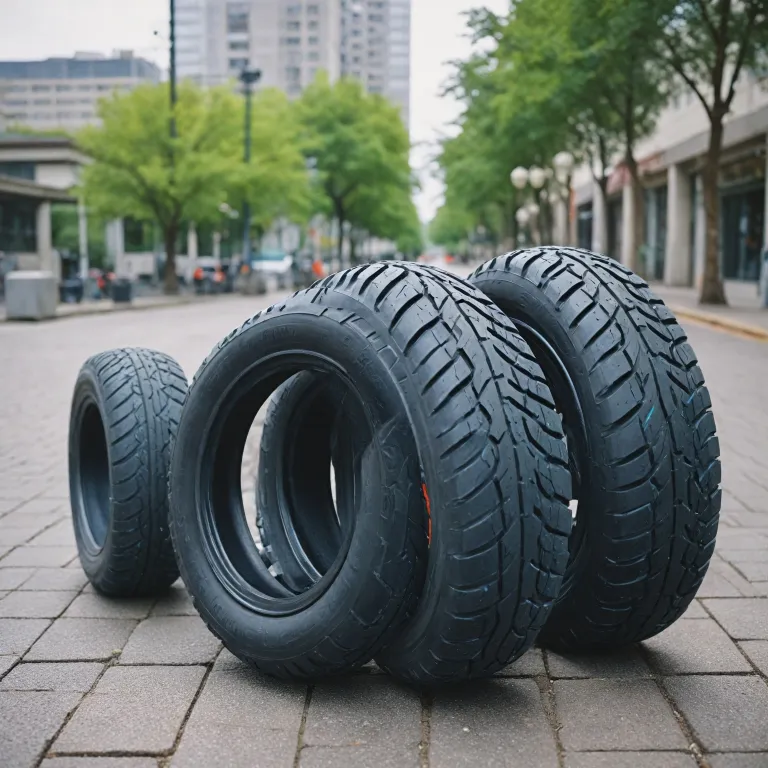
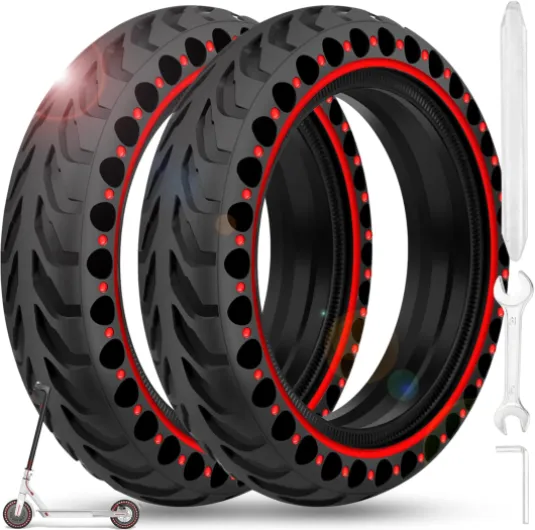
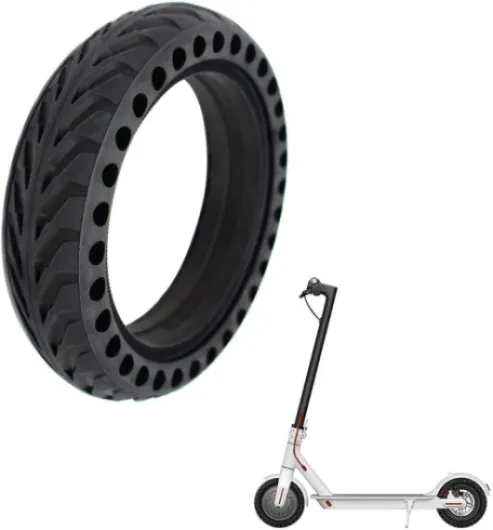
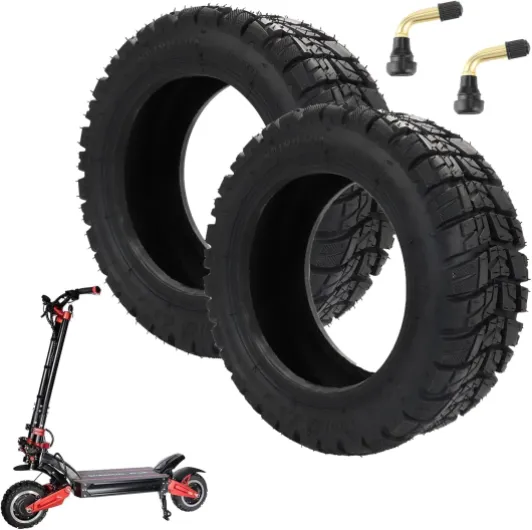
When looking at electric scooter tires, the first thing to know is that there are two main types: pneumatic (air-filled) and solid (airless). Pneumatic tires use an inner tube or are tubeless, relying on air pressure to provide cushioning. Solid tires, on the other hand, are made from durable rubber and do not require inflation. Each type has its own set of advantages and drawbacks, which can affect your ride comfort, maintenance needs, and overall scooter performance.
- Pneumatic tires: These offer better shock absorption, making them ideal for rough or uneven surfaces. They come in both tube and tubeless versions. However, they are more prone to punctures and require regular pressure checks (measured in psi).
- Solid tires: Made from heavy duty rubber, these are puncture-proof and require less maintenance. While they eliminate the risk of flats, they can feel stiffer and transmit more vibrations from the road.
Understanding Tire Construction and Components
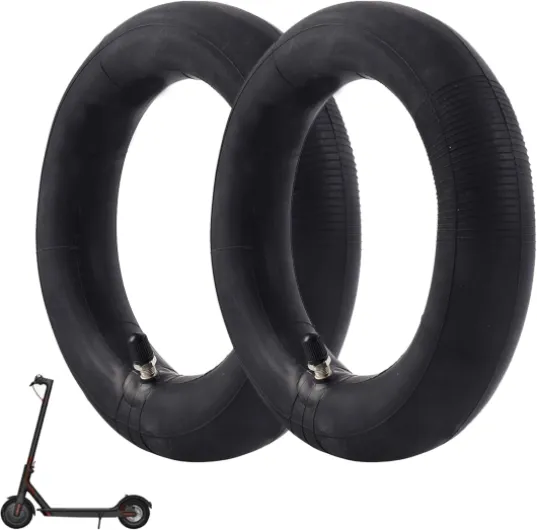
Electric scooter tires are more than just rubber. Pneumatic tires often include an inner tube, which holds the air, and a valve stem for inflation. The outer rubber tire is mounted on the rim. Tubeless tires, meanwhile, seal directly against the rim and do not use an inner tube. Solid tires are a single piece of rubber, sometimes reinforced with extra ply for heavy duty use.
When choosing a tire, consider the following:
- Rim compatibility: Not all tires fit every scooter. Check your scooter’s specifications for compatible electric scooter tires.
- Valve stem type: The valve stem is crucial for maintaining proper pressure in pneumatic tires. Some stems are angled for easier inflation.
- Ply rating: This refers to the tire’s strength and durability. Higher ply means a more heavy duty tire, which can handle more weight and resist punctures.
Price and Availability Considerations
The sale price of scooter tires varies based on type, size, and brand. Solid tires often cost more upfront but can save money over time by reducing the need for repairs. Pneumatic tires and inner tubes are generally more affordable, but you may need to replace them more often, especially if you encounter frequent flats.
Choosing the Right Tire for Your Riding Style
Your environment and riding habits play a big role in tire selection. If you ride mainly on smooth city streets, solid tires might be a good fit. For mixed terrain or longer rides, pneumatic tires provide better comfort and grip. For more details on tire repair and finding reliable services, check out this guide on finding reliable electric scooter tire repair services nearby.
Understanding these basics will help you make informed decisions as you explore tire size, tread patterns, and maintenance tips in the next sections.

How tire size impacts performance and comfort
Why Tire Size Matters for Your Ride
When choosing electric scooter tires, the size of the tire is a key factor that directly affects your scooter’s performance, comfort, and safety. The diameter and width of the tire, as well as its compatibility with your rim and valve stem, all play a role in how your scooter handles different terrains and conditions.
- Performance and Stability: Larger diameter tires generally provide better stability and smoother rides, especially over bumps and rough surfaces. Smaller tires can make your scooter more agile but may transmit more vibrations through the rubber tire and inner tube.
- Comfort: Wider tires, especially those with a heavy duty ply or reinforced inner tubes, offer more cushioning and absorb shocks better. This is important if you often ride on uneven roads or need extra support for higher pressure psi requirements.
- Compatibility: Not all scooter tires fit every electric scooter. Always check if the tire, inner tube, and valve stem are compatible with your scooter’s rim. Some scooters use solid tires, while others require pneumatic tires or tubeless tire setups.
- Price and Durability: Larger and heavy duty tires may come at a higher sale price, but they often last longer and resist flats better. Consider the duty rating and ply count when comparing tire reviews and sale price options.
Proper tire inflation is also crucial. Maintaining the recommended pressure psi helps prevent flats and ensures optimal performance. If you’re unsure about the right size or need help with installation, it’s wise to consult a reliable electric scooter tire repair service for guidance.
| Feature | Smaller Tires | Larger Tires |
|---|---|---|
| Agility | High | Moderate |
| Comfort | Lower | Higher |
| Stability | Lower | Higher |
| Flat Resistance | Lower | Higher (with heavy duty or solid tires) |
| Sale Price | Lower | Higher |
Choosing the right tire size for your electric scooter is about balancing your need for comfort, performance, and durability. Always consider your typical riding environment and check that your chosen tire, inner tube, and valve stem are compatible electric scooter items.
Choosing the right tread pattern for your environment
Matching Tread Patterns to Your Riding Conditions
When selecting a scooter tire, the tread pattern is more than just a visual detail—it directly impacts your electric scooter’s grip, safety, and overall performance. The right tread can help prevent flat tires, improve handling, and even affect how your scooter responds to different surfaces.
- Slick or smooth tread: These rubber tires are ideal for city riders who stick to paved roads. They offer low rolling resistance, which means better energy efficiency and a quieter ride. However, they may not provide enough traction in wet or dusty conditions.
- Knobby or patterned tread: If your routes include gravel, dirt, or uneven paths, a more aggressive tread pattern is recommended. These tires electric scooters use are designed for heavy duty use, offering better grip and stability on loose surfaces. The trade-off is a slightly higher rolling resistance and possibly more road noise.
- Hybrid tread: Some scooter tires combine smooth centers with textured edges. This design balances efficiency with cornering grip, making them a versatile option for mixed environments.
It’s also important to consider whether you’re using pneumatic tires, solid tires, or tubeless tire options. Pneumatic tires with inner tubes offer more flexibility and shock absorption, but require regular pressure checks (monitoring the pressure psi is key). Solid tires are puncture-proof and low maintenance, but can be less comfortable on rough terrain. Tubeless tires combine some benefits of both, reducing the risk of pinch flats while still providing a good ride feel.
Don’t forget to check compatibility with your scooter rim and valve stem. Not all tread patterns or tire sizes will fit every model, so always verify with your scooter’s specifications before purchasing. For more on how tire choices affect braking and safety, check out this guide on choosing the right brake pads for your electric scooter.
Reading tire reviews and comparing sale price, ply rating, and heavy duty features can help you make a more informed decision. Remember, the right tread pattern will not only extend the life of your scooter tire but also enhance your daily ride experience.
Tips for maintaining your electric scooter tires
Keeping Your Tires in Top Shape
Regular maintenance of your electric scooter tires is key to safety, performance, and saving money in the long run. Whether you ride on pneumatic tires, solid tires, or tubeless tire options, a few simple habits can help you avoid flat tires and extend the life of your scooter tires.- Check Tire Pressure: Use a reliable gauge to monitor the pressure psi of your tires. Under-inflated pneumatic tires can cause poor handling and increase the risk of punctures. Over-inflation, on the other hand, may reduce grip and comfort. Always follow the manufacturer’s recommended pressure for your specific electric scooter model.
- Inspect for Wear and Damage: Look for cracks, cuts, or embedded debris in the rubber tire. Pay special attention to the tread pattern and sidewalls. Worn-out tread or visible ply layers can signal it’s time for a replacement.
- Check Valve Stems and Inner Tubes: Ensure the valve stem is straight and not leaking. For scooters with inner tubes, inspect for bulges or slow leaks. If you notice frequent loss of air, the inner tube may need replacing.
- Keep Rims and Tires Clean: Dirt and debris can cause premature wear or damage to both the rim and the tire. Clean your scooter tires and rims regularly, especially after riding in wet or muddy conditions.
- Rotate Tires if Possible: Some compatible electric scooters allow you to swap front and rear tires. This can help even out wear, especially if you use heavy duty tires or ride frequently.
Choosing the Right Maintenance Items
Having the right items on hand can make tire maintenance easier:- Portable air pump for quick inflation
- Spare inner tubes and valve stem caps
- Tire levers for removing scooter tires from the rim
- Patch kit for emergency repairs
Dealing with punctures and common tire issues
Handling Flats and Tire Damage
Flat tires are a common issue for electric scooters, especially if you use pneumatic tires or ride on rough surfaces. A flat can happen due to sharp objects, low tire pressure, or worn-out rubber. Here’s how you can address these problems:- Check for punctures: Inspect your scooter tire for nails, glass, or thorns. Sometimes, the damage is visible on the rubber or near the valve stem.
- Assess the inner tube: If your scooter uses inner tubes, remove the tire and check the tube for holes. Submerge the tube in water and look for bubbles to spot leaks.
- Patch or replace: Small punctures in the inner tube can often be patched with a repair kit. For larger holes or heavy duty damage, replacing the inner tube or the entire tire is safer.
- Solid tires: If you’re tired of flats, consider switching to solid tires. They don’t require inflation and are immune to punctures, but may offer less comfort compared to pneumatic tires.
- Check tire pressure: Maintaining the recommended pressure psi for your scooter tires helps prevent pinch flats and improves ride quality. Use a reliable gauge and inflate to the manufacturer’s specs.
- Inspect the valve stem: Sometimes, air leaks from a damaged valve stem. Make sure it’s tight and not cracked. Replace if necessary.
Common Tire Issues and Quick Fixes
- Worn tread: If the tread on your rubber tire is worn smooth, traction will suffer. Replace the tire promptly to avoid slipping, especially in wet conditions.
- Bead or rim damage: A bent rim or damaged bead can cause air leaks or make it hard to seat the tire. Inspect the rim and replace if it’s out of shape.
- Loose fit: If your tire doesn’t fit snugly on the rim, it may not be compatible electric scooter tire. Always check compatibility before purchase, especially if buying at a sale price.
- Heavy duty needs: For riders carrying extra weight or using scooters on rough terrain, look for heavy duty scooter tires with higher ply ratings and reinforced sidewalls.
- Tubeless tire leaks: Tubeless tires can lose air at the rim or valve. Use soapy water to find leaks and reseal or replace as needed.
When and how to replace your electric scooter tire
Recognizing When a Tire Needs Replacement
Electric scooter tires are crucial for safety and performance. Over time, even the best heavy duty rubber tire or solid tire will wear down. Look for these signs that your scooter tire or inner tube needs replacing:
- Visible cracks or splits in the rubber
- Worn tread pattern or bald spots
- Frequent loss of pressure psi, even after proper inflation
- Repeated flats or punctures in pneumatic tires
- Bulges or deformities near the valve stem or rim
Choosing the Right Replacement Tire or Tube
When selecting a new tire electric or inner tube, check your scooter’s manual for compatible electric scooter tires. Pay attention to:
- Size: Match the diameter and width to your rim
- Type: Decide between pneumatic tires (with inner tubes or tubeless) and solid tires
- Ply rating: Higher ply means more heavy duty and puncture resistance
- Valve stem: Ensure the valve stem electric type matches your scooter’s inflation system
- Price: Compare sale price and tire reviews for value and durability
How to Replace Your Electric Scooter Tire
Replacing a scooter tire or inner tube can be done at home with basic tools, but some riders prefer professional help, especially for tubeless tire or solid tire installations. Here’s a general process:
- Remove the wheel from your electric scooter, following the manufacturer’s instructions
- Deflate the tire completely if it’s pneumatic
- Use tire levers to gently pry the rubber tire off the rim
- Replace the old inner tube or tire with the new item, ensuring it’s seated evenly
- Check the valve stem position and inflate to the recommended pressure psi
- Reinstall the wheel and test for proper inflation and fit
Extra Tips for Longevity
After replacement, regularly check tire pressure, inspect for damage, and keep your scooter tires clean. Using quality inner tubes and heavy duty tires can reduce the risk of flats and extend the life of your electric scooter. For more details on tire types and maintenance, refer to earlier sections of this guide.