
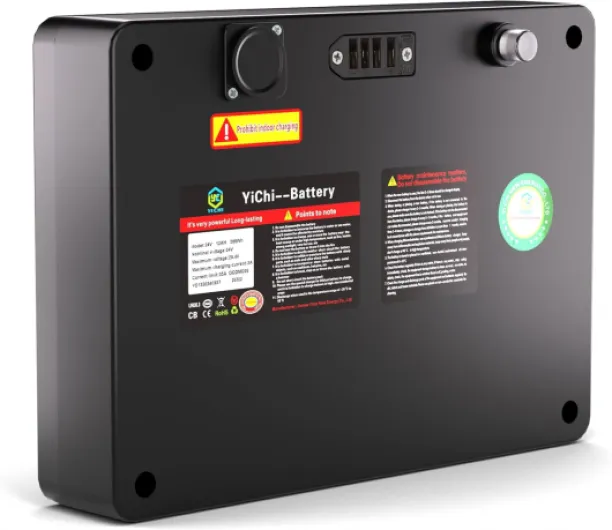
Understanding lithium battery technology in scooters
What Sets Lithium Batteries Apart in Electric Scooters?
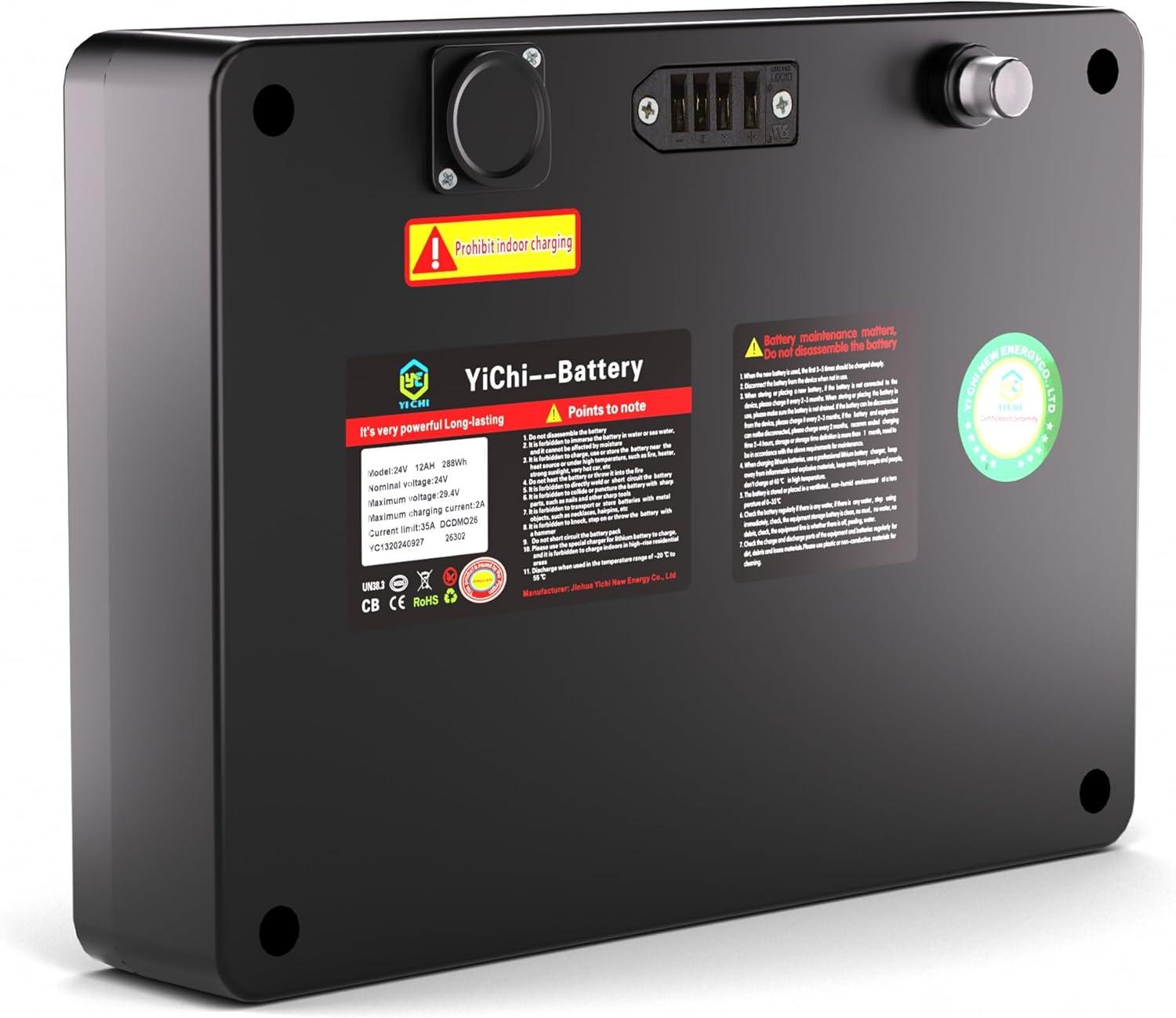
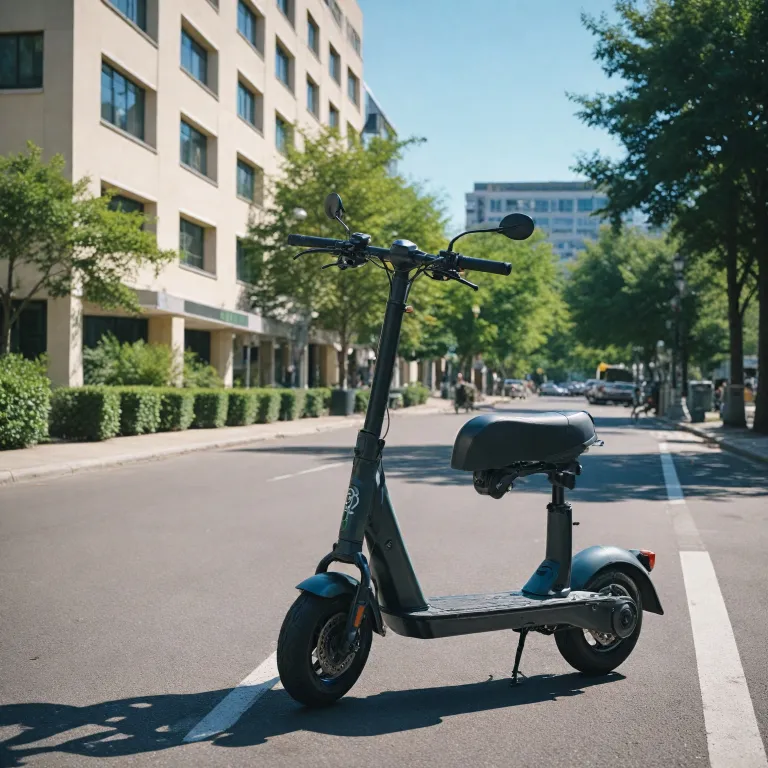
When exploring the world of electric scooters, the type of battery inside is a key factor that shapes your experience. Lithium batteries, especially lithium ion and lifepo batteries, have become the standard for modern mobility scooters and electric scooter models. But what makes these batteries so popular compared to older options like lead acid batteries?
- Energy Density: Lithium ion batteries offer a high energy density, meaning they can store more power in a smaller, lighter battery pack. This translates to longer rides and less weight to carry.
- Cycle Life: Lithium batteries, including deep cycle and lifepo battery types, are designed to handle hundreds or even thousands of charge and discharge cycles. This gives them a longer usable life than most lead acid scooter batteries.
- Charging Efficiency: With a compatible battery charger, lithium battery packs can recharge faster and more efficiently. This is a big plus for daily commuters who need their electric scooter ready to go.
- Maintenance: Unlike lead acid batteries, lithium batteries require minimal maintenance. There’s no need to top up fluids or worry about acid leaks.
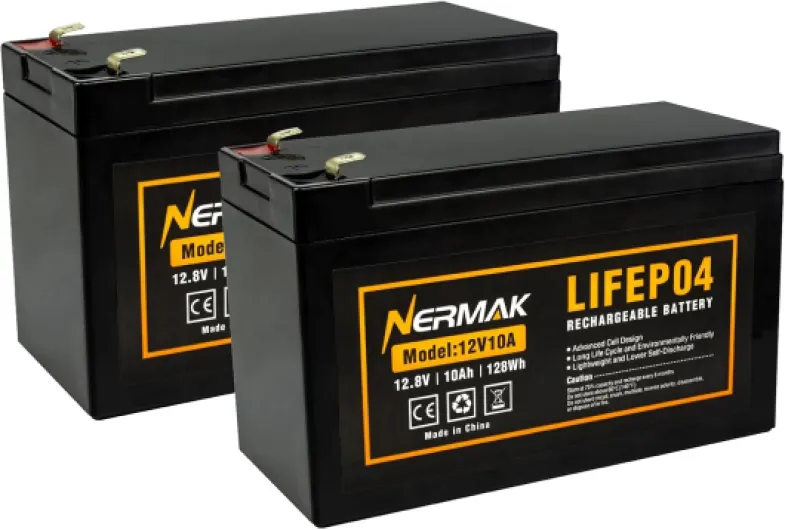
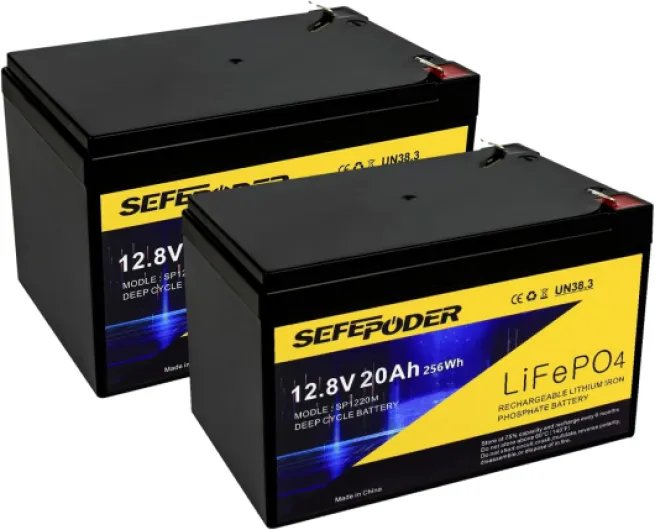
It’s important to note that lithium batteries come in several chemistries. Lithium ion is the most common for electric scooters, while lifepo batteries (lithium iron phosphate) are valued for their stability and safety. Each type has its own strengths, which can impact the price, performance, and replacement options for your scooter battery.
Modern scooters often feature a battery management system (BMS) to monitor the health and safety of the battery pack. This system helps prevent issues like overcharging or overheating, reducing the risk of fire and extending the life of your battery electric product.
If you want to dive deeper into how these components work together in your scooter, check out this guide on understanding the essential components of an e-scooter.
Understanding lithium battery technology is the first step in choosing the right mobility scooter for your needs. In the next section, we’ll look at the key benefits of lithium battery scooters, including why they’re often the preferred choice for daily commutes.

Key benefits of lithium battery scooters
Why Lithium Batteries Stand Out in Electric Scooters
When comparing battery options for electric scooters, lithium batteries are a clear favorite for daily commuters. Unlike traditional lead acid batteries, lithium ion and LiFePO batteries offer a combination of lightweight design, longer cycle life, and higher energy density. This means you get more power and range from a smaller, lighter battery pack, making your scooter easier to handle and transport.
Advantages That Matter for Daily Mobility
- Longer Lifespan: Lithium batteries typically last much longer than lead acid or deep cycle batteries. With proper care, a lithium ion battery can handle hundreds of charge cycles before needing replacement, reducing long-term costs.
- Faster Charging: Using a compatible battery charger, lithium batteries recharge much quicker than other types. This minimizes downtime and keeps your electric scooter ready for your next ride.
- Lightweight Design: The reduced weight of lithium battery packs improves scooter performance and portability. This is especially important for commuters who need to carry their scooter or lift it onto public transport.
- Consistent Power Output: Lithium batteries deliver steady power throughout their charge, so your scooter won’t slow down as the battery drains. This ensures a reliable and enjoyable ride every time.
- Better Value Over Time: While the initial price of a lithium battery scooter may be higher, the lower maintenance needs and longer lifespan make it a cost-effective choice in the long run.
Eco-Friendly and Safe Mobility Solutions
Lithium batteries are not only efficient but also more environmentally friendly compared to lead acid options. They contain fewer toxic materials and are easier to recycle. Modern lithium battery packs often include a BMS (Battery Management System) that helps prevent issues like overcharging or overheating, reducing the risk of fire and enhancing safety for everyday use.
For a deeper dive into how batteries shape your scooter experience, check out this guide on the role of the battery in electric scooters.
How lithium batteries impact scooter performance
How lithium batteries shape your daily ride
When it comes to electric scooters, the type of battery you choose has a direct impact on your daily mobility. Lithium ion batteries have become the standard for most modern scooters, replacing older lead acid batteries and deep cycle options. This shift is not just about following trends—it's about real improvements in performance, reliability, and user experience.
- Power and acceleration: Lithium battery packs deliver consistent power output, which means your scooter accelerates smoothly and maintains speed even as the battery charge drops. This is a significant advantage over lead acid batteries, which can lose power quickly as they discharge.
- Range and efficiency: Lithium ion batteries are lighter and more energy-dense, allowing electric scooters to travel further on a single charge. Whether you use a standard lithium battery or a lifepo battery, you can expect longer rides and fewer stops for recharging.
- Weight and portability: The reduced weight of lithium batteries makes scooters easier to carry and maneuver. This is especially important for commuters who need to lift their scooter onto public transport or up stairs.
- Charging speed: Lithium battery chargers are designed for faster and more efficient charging. Most lithium ion battery packs can reach a full charge in just a few hours, minimizing downtime and keeping you on the move.
- Consistent performance over time: Unlike lead acid or other cycle batteries, lithium batteries maintain their capacity and output over hundreds of charge cycles. This means your scooter battery will last longer before needing replacement, offering better value for the price.
Battery management systems (BMS) are another key factor. A quality BMS protects your lithium battery from overcharging, overheating, and the risk of fire, which can be a concern with any high-capacity battery pack. This technology helps extend the life of your scooter battery and ensures safe operation every day.
For those considering upgrades or replacements, there are many lithium battery options and kits available, including lifepo batteries and lithium ion battery packs. When comparing products, look for details on cycle life, charger compatibility, and whether the battery is suitable for your specific scooter model.
If you’re looking to get the most value for your money, timing your purchase can make a difference. Check out this guide on how to make the most of e-bike Black Friday deals for tips on finding the best price on battery electric scooters and accessories.
Maintenance tips for lithium battery scooters
Simple Habits to Extend Battery Life
Maintaining your lithium battery scooter is key to getting the most out of your daily commute. Unlike older lead acid batteries, lithium ion batteries and lifepo batteries offer longer life and better performance, but they still need proper care. Here are some practical tips to help you keep your scooter battery healthy:
- Charge regularly: Avoid letting your battery pack run completely flat. Frequent, partial charges are better for lithium batteries than deep cycle discharges.
- Use the right charger: Always use the charger provided with your electric scooter or a compatible replacement. Using the wrong battery charger can damage the battery management system (BMS) and reduce battery life.
- Store properly: If you won’t use your scooter for a while, store the battery at around 50% charge in a cool, dry place. Extreme heat or cold can shorten the lifespan of lithium ion batteries.
- Avoid overcharging: Most modern scooters have a BMS to prevent overcharging, but it’s still a good habit not to leave your scooter plugged in for days.
When to Consider Battery Replacement
Even with good care, all batteries eventually lose capacity. Signs that it might be time for a scooter replacement battery include noticeably reduced range, longer charging times, or your scooter shutting off unexpectedly. Many mobility scooters and electric scooter models allow for easy battery pack swaps, and there are options for both original and aftermarket kits. When shopping for a replacement, check compatibility with your scooter and compare price, warranty, and battery chemistry (such as lithium ion vs. lifepo batteries).
Safety and Longevity
Safety is a top priority with any battery electric product. Lithium batteries are generally safe, but improper handling can lead to issues like overheating or, in rare cases, fire. Always follow manufacturer guidelines for charging and storage. If you notice swelling, leaking, or strange smells from your scooter battery, stop using it immediately and seek professional help. Choosing a quality battery with a reliable BMS can help prevent most problems and keep your mobility scooter running smoothly.
Safety considerations with lithium battery scooters
Staying Safe with Lithium Battery Scooters
When using a lithium battery powered electric scooter, safety should always be a top priority. Lithium ion batteries are known for their efficiency and power, but like any advanced technology, they require careful handling and awareness. Here are some practical safety considerations to keep in mind for your daily mobility:
- Use the correct charger: Always use the charger provided by the manufacturer or a certified replacement. Using an incompatible battery charger can damage the battery pack or even cause overheating and fire risks.
- Monitor charging times: Avoid leaving your scooter battery charging overnight or unattended for long periods. Overcharging can stress the battery lithium cells and reduce their lifespan.
- Inspect for damage: Regularly check your scooter battery and connections for any signs of swelling, leaks, or corrosion. Damaged lithium batteries or exposed battery packs should be replaced immediately to prevent hazards.
- Store properly: Keep your electric scooter and its lithium ion battery in a cool, dry place. Extreme heat or cold can negatively affect battery performance and safety. Never store your scooter near flammable materials.
- Understand BMS (Battery Management System): Many modern scooters include a BMS to help prevent overcharging, deep discharge, and overheating. Make sure your product has a reliable BMS for added safety.
- Choose quality over price: While there are many options on the market, not all lithium batteries or kits meet the same safety standards. Investing in a reputable product can reduce the risk of battery failure or fire.
- Know your battery type: Some scooters use lithium ion, while others use lifepo batteries (lithium iron phosphate). Lifepo battery options are known for their stability and deep cycle capabilities, which can offer additional peace of mind for mobility scooters.
Staying informed about your scooter’s battery technology and following these safety tips will help you enjoy reliable, safe, and efficient mobility every day. If you ever notice unusual behavior, such as reduced power, excessive heat, or a sudden drop in cycle battery performance, consult your manufacturer or a certified technician for advice on scooter replacement or maintenance.
What to look for when buying a lithium battery scooter
Essential features to evaluate before purchase
When choosing a lithium battery scooter for your daily commute, it’s important to look beyond just the brand or style. The right electric scooter can make a big difference in your daily mobility, safety, and overall satisfaction. Here are some key points to consider when evaluating your options:
- Battery type and chemistry: Most modern scooters use lithium ion batteries, but you may also find lifepo batteries (lithium iron phosphate) or deep cycle battery options. Each type offers different advantages in terms of cycle life, safety, and performance. Lithium ion batteries are popular for their high energy density and lighter weight, while lifepo batteries are known for stability and longevity.
- Battery capacity and range: Check the battery pack’s capacity (measured in Ah or Wh) to estimate how far you can travel on a single charge. A higher capacity means more power and longer range, but also affects the scooter’s weight and price. Consider your daily commute distance and whether you need a replacement battery or a kit for extended rides.
- Charger compatibility and charging time: Look for a scooter battery charger that matches the battery’s voltage and amperage. Fast charging is convenient, but make sure it doesn’t compromise battery longevity. Some products include a charger, while others require a separate purchase.
- Battery management system (BMS): A quality BMS protects the battery from overcharging, deep discharge, and overheating, reducing the risk of fire and extending the battery’s life. Make sure the scooter’s battery pack includes a reliable BMS for safety and performance.
- Build quality and safety certifications: Check for certifications like UL or CE, which indicate that the product meets safety standards. Inspect the scooter for sturdy construction, proper insulation, and secure battery housing to prevent accidents.
- Replacement and upgrade options: Over time, you may need a scooter replacement battery or want to upgrade to a higher-capacity pack. Ensure the scooter model supports easy battery replacement and that compatible lithium batteries or lifepo battery kits are available.
- Price and value: Compare the price of different scooters and battery options, considering factors like battery chemistry, cycle life, and included accessories. While lithium battery scooters may cost more upfront than lead acid or acid batteries, they often offer better long-term value due to lower maintenance and longer lifespan.
By carefully evaluating these features, you can select a battery electric scooter that fits your mobility needs, budget, and safety requirements. Remember, the right scooter battery and charger setup will ensure reliable performance and peace of mind on your daily journeys.