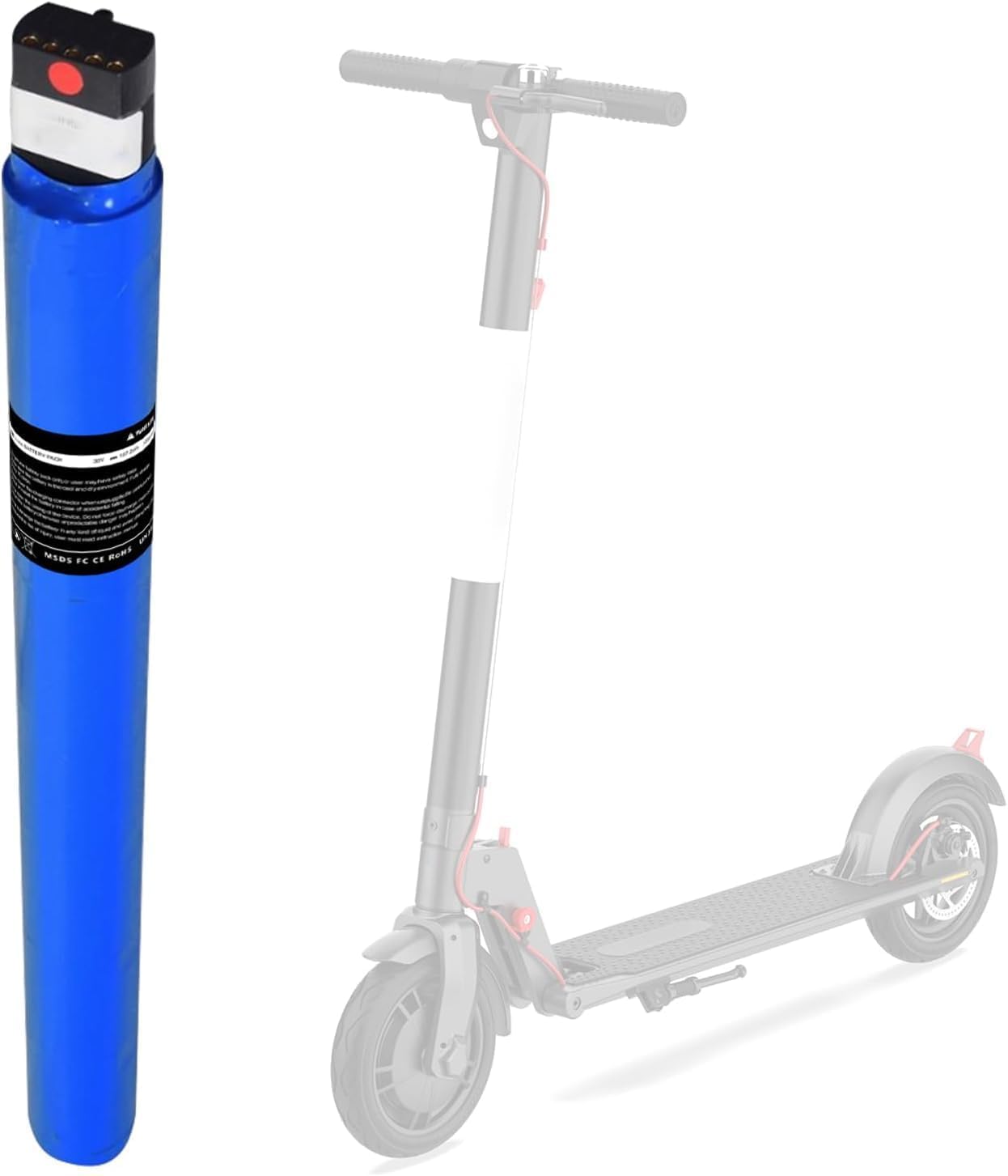
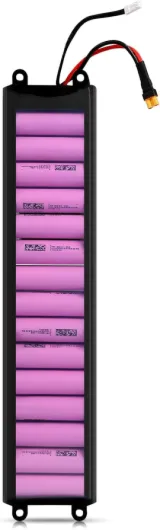

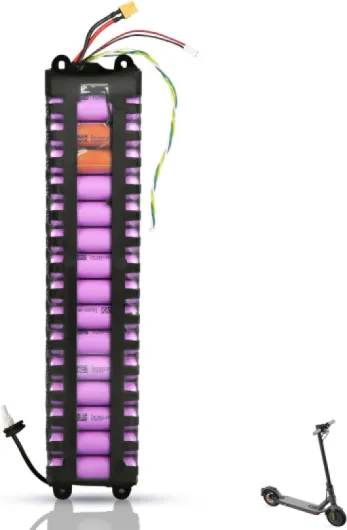
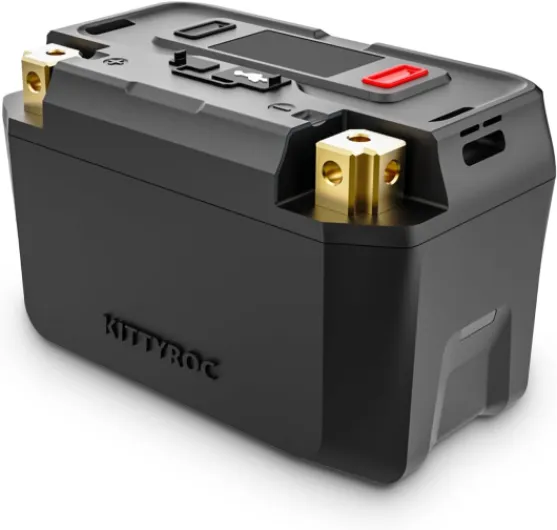
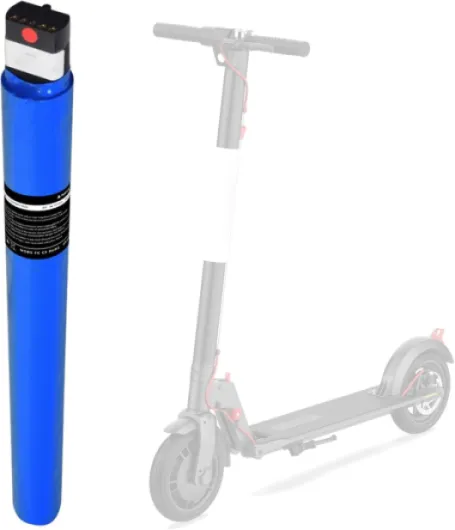
Understanding escooter battery basics
What Makes an Electric Scooter Battery Unique?
When you look at an electric scooter, the battery is the heart of the ride. It stores the energy that powers your scooter, and its quality directly affects how far and how fast you can go. Most modern electric scooters use lithium ion batteries, which are known for their lightweight design, long battery life, and high energy density. These batteries are also found in electric bicycles and scooter bikes, making them a popular choice for personal electric vehicles.
Types of Batteries Used in Scooters
- Lithium Ion Batteries: These are the most common in electric scooters and electric bicycles. They offer a good balance of weight (often measured in lbs), energy, and lifespan. Lithium ion batteries are also available in various voltage options, such as 36 volt or 48 volt electric scooter batteries.
- Lead Acid Batteries: Older models or budget scooters might use these. They are heavier and have a shorter battery life compared to lithium options, but their price can be lower.
Key Battery Specifications to Know
- Voltage (V): This tells you how much power the battery can deliver. Higher voltage usually means more speed and power for your scooter or electric bicycle.
- Capacity (Ah): Measured in amp-hours, this indicates how much energy the battery pack can store. A higher capacity means a longer ride before you need to recharge.
- Weight (lbs): The weight of the battery pack affects the total weight lbs of your scooter. Lighter batteries are easier to carry and improve overall performance.
- Size and Compatibility: Not all batteries fit every scooter. Always check if a battery is compatible with your scooter model before buying.
Why Battery Basics Matter for Your Ride
Understanding these basics helps you choose the right battery replacement or upgrade. Whether you are looking for a battery pack with free shipping, comparing battery packs by price, or searching for a battery compatible with your specific scooter, knowing the fundamentals will save you time and money. If you are considering replacing your scooter battery, check out this step-by-step guide to battery replacement for practical advice.
As you explore more about electric scooters, you will see how battery performance, range, and lifespan all connect. In the next sections, we will look at what influences battery performance, how to estimate your range, and tips to extend your battery's life.

Key factors that influence battery performance
What Impacts Your Electric Scooter Battery Performance?
When choosing a battery for your electric scooter, understanding what affects its performance is essential. Several factors can influence how long your scooter battery lasts, how far you can ride, and how often you’ll need a battery replacement.- Battery Type: Most modern scooters use lithium ion batteries, known for their high energy density and lighter weight lbs compared to older lead-acid batteries. Lithium batteries generally offer longer battery life and more charge cycles, making them a popular choice for electric scooters and electric bicycles.
- Voltage and Capacity: The battery volt rating (for example, 36V or 48V) and amp-hour (Ah) capacity determine the total energy stored in the battery pack. Higher voltage and capacity mean more power and longer range, but also add to the weight lbs and size of the battery pack.
- Weight and Size: The total weight lbs of your scooter battery impacts both performance and portability. Heavier batteries can provide more energy but may make your scooter bike or electric bicycle harder to carry or maneuver. Always check if the battery is compatible with your scooter model and fits the battery compartment.
- Rider and Cargo Weight: The combined weight lbs of the rider and any cargo affects battery performance. Heavier loads require more energy, reducing the range you can achieve on a single charge.
- Temperature and Weather: Extreme temperatures, especially cold, can reduce the efficiency of lithium ion batteries. If you ride your electric scooter in varying climates, expect some changes in battery performance throughout the year or even month to month.
- Riding Style and Terrain: Frequent stops, starts, and riding on hills or rough terrain require more energy from your battery pack. Smooth, steady rides on flat surfaces are best for maximizing battery life.
- Battery Age and Maintenance: Over time, all batteries lose capacity. Regular maintenance and proper charging habits can help extend battery life. If you notice a drop in performance, it may be time to consider battery replacement or upgrading to a new battery pack.
How to estimate battery range for your rides
Calculating Your Real-World Battery Range
Estimating how far your electric scooter will go on a single charge is crucial for planning your rides and avoiding unexpected stops. While manufacturers often advertise a maximum range, real-world results can vary due to several factors. Understanding these can help you choose the right battery pack and avoid disappointment.
- Battery Capacity: The size of your battery, usually measured in amp-hours (Ah) or watt-hours (Wh), directly affects how much energy your scooter can store. Larger battery packs generally provide longer range, but also add weight lbs to your scooter bike.
- Rider Weight: Heavier riders or carrying extra lbs will drain the battery faster. Always consider the combined weight lbs of rider and cargo when estimating range.
- Terrain and Riding Style: Hills, rough surfaces, and frequent stops require more energy. Smooth, flat routes are more efficient for your electric scooter battery life.
- Speed: Higher speeds increase wind resistance and energy consumption. Riding at moderate speeds helps maximize your battery pack's range.
- Weather Conditions: Cold temperatures can reduce lithium ion batteries' performance, while hot weather may affect battery life over time.
To estimate your range, divide your battery's watt-hour (Wh) rating by the average energy consumption per mile (often between 10-20 Wh/mile for electric scooters). For example, a 500Wh battery pack on a scooter that uses 15Wh per mile will provide about 33 miles per charge. Always check if your scooter battery is compatible with your model and consider the voltage (volt) and size before upgrading.
Remember, battery packs for electric bicycles and scooters are not one-size-fits-all. Factors like battery volt, weight lbs, and pack size will affect compatibility and performance. If you’re also considering tire upgrades for better efficiency, check this guide to choosing the right electric bicycle tire for your scooter.
| Battery Type | Typical Range (miles) | Weight (lbs) | Price Range |
|---|---|---|---|
| Lithium Ion | 15-40 | 5-15 | $$$ |
| Lead Acid | 8-20 | 15-30 | $$ |
When comparing scooter batteries, consider not just the advertised range, but how your riding habits, weight, and local terrain will impact real-world performance. This will help you select the most suitable battery replacement or upgrade for your electric scooter or electric bicycles.
Tips for extending your escooter battery lifespan
Practical Ways to Maximize Your Battery’s Lifespan
Taking care of your electric scooter battery is essential for both performance and long-term savings. Whether you ride a scooter bike, electric bicycle, or a lightweight scooter, these habits can help you get the most out of your battery pack and avoid frequent battery replacement.- Charge Smartly: Avoid letting your battery pack drain completely. Lithium ion batteries, commonly used in electric scooters and bikes, last longer when you recharge them before they reach low voltage. Try to keep the battery between 20% and 80% charge.
- Store Properly: If you won’t use your scooter for more than a month, store the battery at around 50% charge in a cool, dry place. Extreme heat or cold can reduce battery life and energy capacity.
- Use the Right Charger: Always use a charger compatible with your battery volt and voltage. Using the wrong charger can damage the battery pack and void warranties. Check the manufacturer’s recommendations for your specific scooter battery.
- Avoid Overloading: Carrying more weight lbs than your scooter’s recommended limit forces the battery to work harder, reducing its lifespan. Be mindful of the total weight, including accessories and bags.
- Keep It Clean: Dirt and moisture can affect the battery terminals and connections. Regularly wipe down your scooter and check the battery compartment for debris.
- Don’t Overcharge: Unplug your battery once it’s fully charged. Many lithium ion batteries have built-in protection, but it’s still good practice to avoid leaving them plugged in overnight.
Additional Tips for Different Battery Types
- For lithium battery packs, avoid exposing them to water or excessive vibration, as this can impact performance and safety.
- If you use lead-acid batteries (less common in modern electric scooters), keep them upright and check fluid levels if applicable.
- When considering a battery replacement, always check if the new battery is compatible with your scooter model and voltage requirements.
Why Battery Care Matters
Proper maintenance not only extends the lifespan of your scooter batteries but also ensures consistent performance, reliable range, and better value for the price. Whether you’re commuting daily or riding for fun, these steps help you get the most out of your electric scooter, electric bicycles, or bike battery packs. Many reputable brands offer free shipping and warranty on replacement batteries, so investing in quality and proper care pays off in the long run. If you notice your battery pack losing capacity or taking longer to charge, it may be time to consider a new battery compatible with your scooter. Regular care and attention can delay this need and keep your rides smooth and efficient.Common signs your escooter battery needs replacement
Warning Signs Your Battery Needs Attention
Knowing when your electric scooter battery is nearing the end of its life can save you from unexpected breakdowns and help you plan for a battery replacement. Here are some of the most common indicators that your scooter battery or battery pack may need to be replaced:
- Reduced range: If your electric scooter or electric bike is not traveling as far as it used to on a full charge, this is often a sign that the battery life is declining. Even lithium ion batteries, known for their longevity, will eventually lose capacity over time.
- Longer charging times: When your battery pack takes noticeably longer to reach full charge, it could mean the battery cells are aging or damaged.
- Sudden drops in voltage: If you notice the battery volt reading drops sharply during use, or the scooter shuts off unexpectedly, this can indicate a failing battery or voltage issues within the pack.
- Physical changes: Swelling, leaks, or unusual odors from the battery pack are serious warning signs. Lithium ion batteries should never be used if they show physical damage.
- Frequent need to recharge: If you find yourself charging your scooter batteries much more often than before, the battery’s energy storage is likely diminished.
What to Do When You Notice These Signs
When you experience any of these issues, it’s important to check if your battery is still compatible with your scooter model and whether it’s time for a battery replacement. Consider the weight lbs and size of the replacement battery to ensure it fits your electric scooter or electric bicycle. Also, compare the price, voltage, and energy capacity of available battery packs to find the best option for your needs. Many suppliers offer free shipping on scooter batteries, which can help reduce the total cost.
Keep in mind that using a battery that is not compatible with your scooter bike or electric bicycles can lead to performance issues or even safety risks. Always choose a lithium battery or battery pack that matches the required battery volt and voltage specifications for your scooter or bike. Regular maintenance and timely replacement will keep your electric scooters running smoothly and efficiently, month after month.
Comparing battery options when upgrading or replacing
What to Look for When Comparing Battery Options
When it's time for a battery replacement or an upgrade for your electric scooter, making the right choice can impact your scooter's performance, range, and even safety. Here are some key points to consider when evaluating different battery packs for electric scooters and electric bicycles:- Battery Chemistry: Most modern scooters use lithium ion batteries, which offer a good balance of weight lbs, energy density, and battery life. Older models or budget options may use lead-acid batteries, but these are heavier and have a shorter lifespan.
- Voltage and Capacity: Check the battery volt (e.g., 36V, 48V) and amp-hour (Ah) rating. Higher voltage and capacity generally mean more power and longer range, but also more weight lbs. Make sure the battery is compatible with your scooter's voltage requirements.
- Physical Size and Weight: The battery pack must fit in your scooter or bike battery compartment. Always compare the size and weight lbs of different battery packs, especially if you want to keep your electric scooter lightweight and portable.
- Brand Reputation and Reviews: Look for batteries with high stars ratings and positive feedback from other electric scooter users. Reliable brands often offer better safety features and longer warranties.
- Price and Shipping: Compare the price of different battery packs, but also consider if free shipping is available. Sometimes, a slightly higher price with free shipping can be more cost-effective.
- Compatibility: Not all batteries are universal. Always check if the battery is compatible with your scooter model. Some scooters and electric bicycles require specific connectors or sizes.
| Battery Type | Voltage (V) | Capacity (Ah) | Weight (lbs) | Estimated Lifespan (months) | Typical Price |
|---|---|---|---|---|---|
| Lithium Ion | 36-52 | 7-20 | 6-12 | 24-48 | $$$ |
| Lead Acid | 24-48 | 7-12 | 15-30 | 6-12 | $ |