
Understanding the role of electric bicycle tires in scooter performance
How Electric Bicycle Tires Influence Your Scooter Experience
The type of tire you choose for your electric scooter can make a big difference in your daily ride. Whether you are commuting on city roads, tackling mountain paths, or enjoying a folding scooter for quick errands, the right bike tire impacts comfort, safety, and performance. Tires are not just about rubber on the road—they connect your scooter to the terrain, absorb shocks, and help you maintain control in different conditions.
- Performance: High performance tires provide better grip and stability, especially at higher speeds. The tread pattern and tire pressure play a crucial role in how your scooter handles corners and rough surfaces.
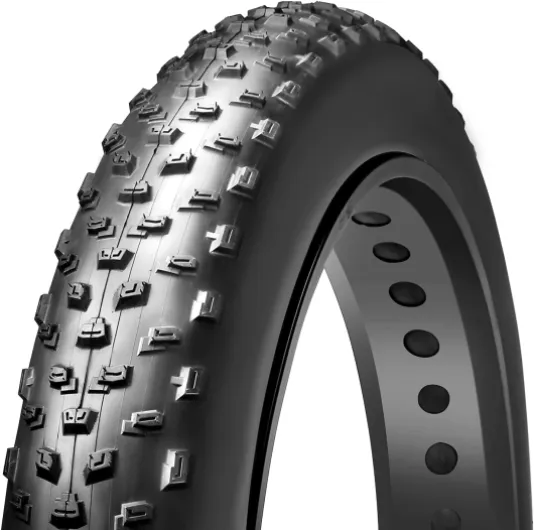
- Terrain Adaptability: Road bike tires are designed for smooth surfaces, while fat tires or mountain bike tires are built for off-road adventures. Choosing the right tire for your usual terrain—be it city streets, gravel, or mountain trails—can help you get the most out of your electric scooter.
- Comfort and Safety: Fat bike tires and heavy duty options offer more cushioning, which can be important for longer rides or rougher roads. Proper tire pressure also helps prevent flats and improves overall ride quality.
- Price and Durability: The price of bike tires varies depending on features like tread design, size (inch), and construction. While a higher price might mean better durability or performance, it's important to balance your needs and budget. Regular price and sale price differences can also affect your decision.
Understanding these factors is key before you look at specific features, tire sizes, or compare tubeless and tube tires. If you ever face issues like punctures or need help with maintenance, finding reliable electric scooter tire repair services nearby can keep your scooter running smoothly. The right tire choice is the foundation for a safe and enjoyable electric ride, whether you prefer a fat tire for stability or a road tire for speed.

Key features to look for in electric bicycle tires
What Makes a Good Electric Bicycle Tire for Scooters?
When selecting tires for your electric scooter, understanding the key features can make a big difference in your ride quality and safety. The right tire can help you handle different terrain, improve performance, and even extend the life of your scooter. Here are the most important features to consider:
- Tread Pattern: The tread affects how your scooter grips the road. For city riding, smooth road bike tires offer less rolling resistance and better efficiency. If you plan to ride on mixed or mountain terrain, look for deeper treads or fat tires for better traction and stability.
- Tire Size (Inch): The diameter and width of your tire impact comfort and control. A larger tire inch size can absorb bumps better, while a fat bike tire provides more surface contact for heavy duty use or off-road riding. Always check your scooter’s compatibility before buying.
- Material and Construction: High performance electric bike tires are often made with puncture-resistant layers and reinforced sidewalls. Heavy duty tires can handle higher pressure and more weight, which is important for electric scooters that carry batteries and motors.
- Tubeless vs. Tube Tires: Tubeless tires are becoming more popular for electric bikes and scooters because they reduce the risk of flats and can handle lower tire pressure for a smoother ride. Tube tires are easier to repair but may not offer the same performance benefits.
- Price and Value: Compare the regular price and sale price of different bike tires. Sometimes, a higher price means better durability and performance, but there are also affordable options that offer good value for everyday riding.
Choosing the right tire is not just about the price or the look. It’s about matching your riding style, the terrain you’ll face, and the performance you expect from your electric scooter. For more details on how specific tire models like the Unagi tire impact electric scooters, check out this guide to understanding the role of Unagi tire in electric scooters.
Remember, the right tire can help you get the most out of your scooter, whether you’re commuting on road tires, exploring with fat bike tires, or looking for high performance on mountain bike terrain.
Tubeless vs. tube tires: which is better for electric scooters?
Comparing Tubeless and Tube Tires for Electric Scooters
When it comes to choosing tires for your electric scooter, one of the most debated topics is whether to go for tubeless or tube tires. Both types have their own advantages and drawbacks, and the right choice can impact your riding experience, tire performance, and even maintenance routines.
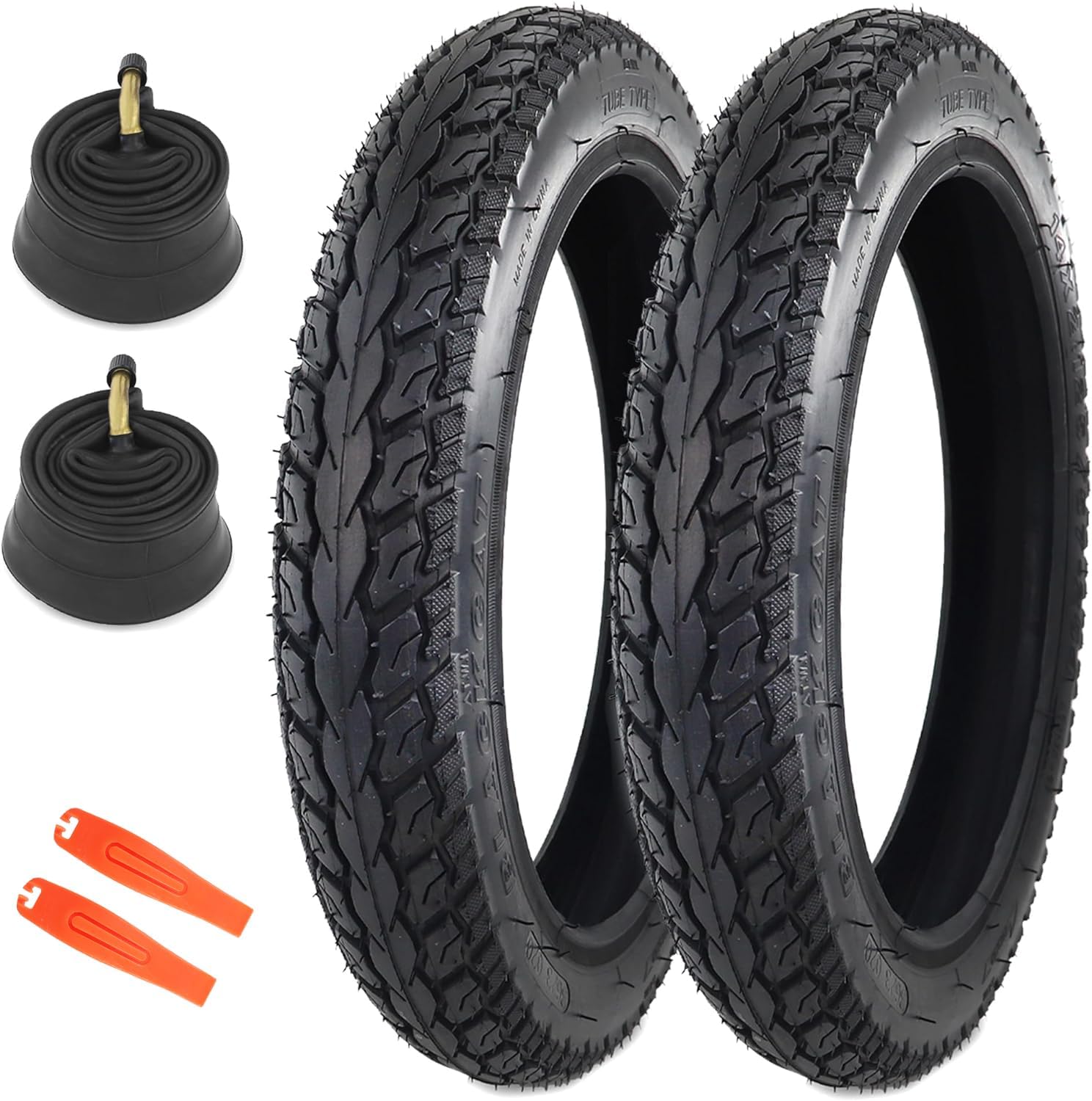
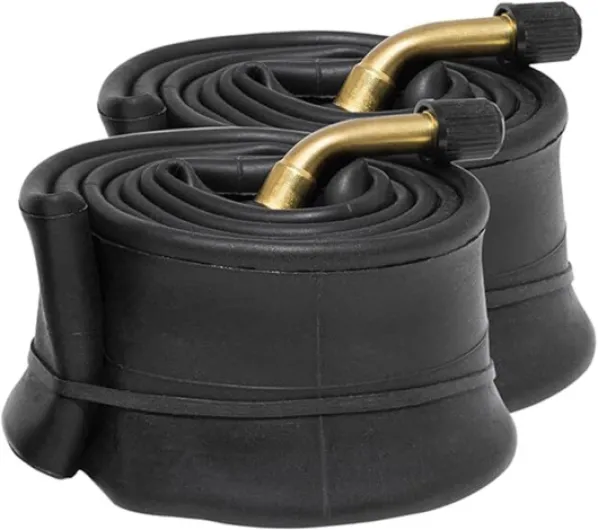
- Tube Tires: These are traditional bike tires that use an inner tube to hold air. They are often more affordable and widely available in various sizes, including fat tire and mountain bike options. Tube tires are generally easier to repair on the road, especially if you carry a spare tube or patch kit. However, they are more prone to punctures, and maintaining the correct tire pressure is crucial for high performance and safety.
- Tubeless Tires: Tubeless tires, as the name suggests, do not require an inner tube. Instead, they create an airtight seal with the rim. This design reduces the risk of flats and allows you to run lower tire pressure, which can improve traction on rough terrain or when riding a fat bike. Tubeless tires are often found on high-end electric bikes and heavy duty scooters, offering better puncture resistance and a smoother ride. On the downside, installation and repairs can be more complex, and the initial price is usually higher than regular tube tires.
Choosing between tubeless and tube tires depends on your riding style, the terrain you frequent, and your maintenance preferences. For city commutes on smooth road surfaces, tube tires at a regular price might suffice. If you often ride on mixed terrain or want a high performance setup, tubeless tires could be worth the investment, especially for fat tires or mountain bike-inspired scooters.
Keep in mind that tire tread, tire inch size, and the type of bike tire you select will also affect your scooter's performance. Folding bikes and electric scooters with smaller wheels may have limited options, so always check compatibility before purchasing. For those looking to enhance their ride further, consider exploring how scooter pegs can enhance your electric scooter experience for additional tips.
How to maintain your electric bicycle tires for longer life
Simple habits to extend tire life
Taking care of your electric scooter tires is key to keeping your ride smooth and safe. Whether you use fat tires for mountain terrain or slim road tires for city riding, regular maintenance can help you get the most value for the price you pay. Here are some practical tips to help your bike tires last longer:
- Check tire pressure often: Keeping your tire pressure at the recommended level is essential. Under-inflated tires can wear out faster and reduce performance, while over-inflated tires may lead to a harsh ride and less grip on the road. Use a reliable gauge and check at least once a week, especially before long rides.
- Inspect tread and sidewalls: Look for signs of wear, cracks, or embedded debris. Worn tread can reduce grip, especially on wet or uneven terrain. If you notice bald spots or cuts, it might be time to consider a replacement, even if the price seems high—safety comes first.
- Clean your tires regularly: Dirt and grime can hide damage and wear down the rubber. Use a soft brush and mild soap to clean your tires, especially after riding on muddy or rough terrain. This is particularly important for fat tires and heavy-duty mountain bike tires.
- Rotate if possible: Some electric scooters and bikes allow you to swap front and rear tires. This helps even out the wear, especially if you ride often or carry heavy loads.
- Store properly: Keep your scooter or folding bike in a cool, dry place away from direct sunlight. UV rays and heat can weaken the rubber, shortening the life of your tires.
Why tire type and terrain matter
The type of tire you choose—be it a fat bike tire for off-road adventures or a high-performance road bike tire—affects how you maintain it. Fat tires, for example, may need more frequent pressure checks due to their larger volume. Mountain bike tires with deep tread can trap more debris, so regular cleaning is important. On the other hand, road tires for electric bikes tend to wear faster if used on rough terrain, so inspect them more often if you switch surfaces frequently.
When to replace your tires
No matter how well you maintain your tires, they will eventually need replacing. If you notice a drop in performance, frequent flats, or visible damage, it is time to invest in new bicycle tires. While the sale price or regular price might be a factor, remember that high-quality tires are an investment in your safety and riding experience.
Common problems with electric bicycle tires and how to fix them
Frequent Tire Issues and Practical Solutions
Electric scooter riders often encounter a few recurring tire problems, whether using fat tires, road bike tires, or heavy duty mountain bike options. Recognizing these issues early can help maintain high performance and extend the life of your bicycle tires.- Punctures and Flats: Sharp objects on the road or rough terrain can puncture both tube and tubeless tires. Carrying a portable patch kit or a spare tube is a smart move. For tubeless tires, sealant can temporarily fix small punctures until a more permanent repair is possible.
- Low Tire Pressure: Riding with low tire pressure reduces performance and increases the risk of pinch flats, especially on folding bikes or fat bike tires. Regularly check your tire pressure using a reliable gauge. The recommended pressure is usually printed on the tire sidewall and varies by tire inch and type.
- Uneven Tread Wear: Over time, the tread on your electric bike tires can wear unevenly, especially if you ride on mixed terrain or carry heavy loads. Rotating your tires (if your scooter design allows) and maintaining proper alignment can help extend their lifespan.
- Sidewall Damage: Hitting curbs or riding over sharp edges can damage the sidewalls of your bike tires. Inspect your tires regularly for cuts or bulges. If you notice significant damage, replace the tire to avoid sudden blowouts.
- Bead Separation: This issue, where the tire bead separates from the rim, is more common with low-quality or improperly installed tires. Always ensure your tire is seated correctly and consider investing in high performance or heavy duty tires for demanding rides.
Tips to Prevent Tire Problems
- Choose the right tire for your terrain—fat tires for off-road, road tires for smooth pavement, and mountain bike tires for mixed surfaces.
- Monitor tire pressure before every ride, especially if you switch between bikes or use your scooter for commuting and mountain rides.
- Invest in quality tires, even if the sale price is higher than the regular price. High quality bike tires often last longer and offer better performance.
- Clean your tires after riding in muddy or rocky terrain to remove debris that could cause punctures.
Choosing the right tire size for your electric scooter
Finding the Perfect Tire Size for Your Electric Scooter
Choosing the right tire size is crucial for both safety and performance when riding your electric scooter. The size of your bike tire affects how your scooter handles different terrain, the comfort of your ride, and even the lifespan of your tires. Here’s what you need to know to make an informed decision.- Check Manufacturer Recommendations: Always start by looking at your scooter’s manual or the manufacturer’s website. They usually specify the ideal tire inch size for your model. Using the recommended size helps maintain high performance and safety.
- Understand Tire Markings: Most electric bicycle tires have numbers printed on the sidewall, such as 10 x 2.5. The first number is the tire’s diameter (in inches), and the second is the width. Fat tires, for example, are wider and offer more stability, especially on rough terrain.
- Consider Your Riding Terrain: If you ride mostly on smooth road surfaces, road bike tires or standard bike tires are usually sufficient. For off-road or mountain bike conditions, fat bike tires or heavy duty mountain bike tires provide better grip and comfort.
- Balance Comfort and Performance: Larger diameter tires can roll over obstacles more easily and provide a smoother ride. However, they may increase the overall price and weight of your scooter. Smaller tires are lighter and often found on folding bikes, but they can feel bumpier on uneven surfaces.
- Check Tire Pressure Compatibility: Make sure the tire pressure range matches your scooter’s requirements. High tire pressure can improve efficiency on road tires, while lower pressure is better for fat tires on rough terrain.
- Price Considerations: Fat tires and high performance bicycle tires tend to have a higher sale price compared to regular bike tires. Consider your budget, but remember that investing in the right size and type can help avoid frequent replacements and improve your overall riding experience.
| Tire Type | Best For | Common Sizes (inch) | Price Range |
|---|---|---|---|
| Standard Bike Tires | Urban, Road | 8-10 | Low to Medium |
| Fat Tires | Mountain, Mixed Terrain | 10-12+ | Medium to High |
| Heavy Duty Tires | High Performance, Off-road | 10-12 | High |
| Folding Bike Tires | Portable Scooters | 6-8 | Low |