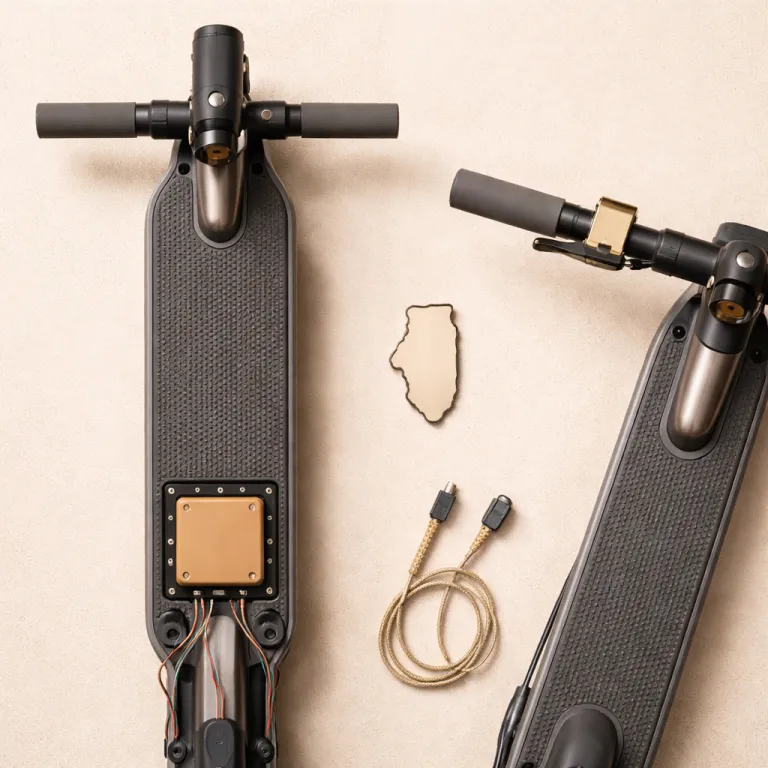

Illinois’ 28 mph threshold and what it means for everyday riders
Illinois is moving toward one of the first United States tiers of electric scooter laws that treats very fast scooters more like motor-driven cycles or small motorcycles. Under Senate Bill 3336, any electric scooter or electric bicycle capable of more than 28 mph becomes a high speed electric vehicle class, and that triggers licensing requirements, registration, and mandatory insurance for riders. For urban commuters who ride electric scooters at low speed in bike lanes today, the law draws a bright line between a practical city scooter and a performance machine built for 40 mph straight line speed.
The bill requires a valid driver license, proof of insurance, and formal registration for any motorized scooter or high speed electric bicycle that can exceed that 28 mph maximum speed on level ground. Below that threshold, most scooters allowed on Illinois streets remain treated like bicycles or low speed motorized scooters, with no registration required and no specific scooter laws on licensing, although local cities can still set their own speed limits and rules for riding sidewalks. Senate Bill 3336, as filed with the Illinois General Assembly and summarized by the Legislative Reference Bureau, would take effect January 1, 2025 if enacted, and it also sets a 16 year minimum age for riders of these faster vehicles, which aligns them more closely with other motorized vehicles in the state and signals that lawmakers see 30 to 40 mph capability as fundamentally different from a casual 20 mph ride to the train.
For now, Illinois keeps low speed electric scooters in roughly the same legal bucket as a bicycle, meaning riders are usually expected to use bike lanes where available and obey the posted speed limit like any other road user. Helmet use is strongly encouraged but not universally mandated for adults, so serious commuters should treat a certified helmet as non negotiable safety gear whenever they ride, especially as higher speed electric models creep closer to moped territory. If you already own a Segway Ninebot Max G30 or Xiaomi Pro 2 that tops out around 25 mph, this law probably will not change your daily riding much, but it should make you think harder about how fast you actually need your scooter to go on crowded city streets.
How Illinois compares with other states and what performance owners should expect
Across the United States, most electric scooter laws still treat electric scooters as a gray area between bikes and motorized scooters, with very few states requiring a specific scooter license or plate. California, for example, caps scooter speed at 15 mph on public roads, requires a driver license but not full vehicle registration, and leaves many details like riding sidewalks or helmet rules to local cities. New York state allows scooters up to 20 mph in most cities, bans riding sidewalks in many dense areas, and again stops short of demanding insurance, registration, or formal licensing requirements for typical commuter scooters.
Illinois’ move is different because it ties the law to a clear speed threshold, not just where scooters are allowed to ride, and then layers on the same kind of registration required for other motorized vehicles. Owners of 40 mph dual motor performance scooters like the Kaabo Mantis or Wolf Warrior will likely see their machines treated more like small motorcycles, with scooter laws that demand a driver license, proof of insurance, and a plate if the bill passes the House unchanged. That would be a major shift for riders who bought high speed electric scooters online assuming they were just faster bicycles or recreational scooters, and it could push some owners either to detune their maximum speed or keep those scooters off public streets entirely.
Other states are watching, even if they have not yet copied this exact 28 mph line in their own electric scooter laws, because high power motorized scooters are showing up in crash and injury data from big cities. The U.S. Consumer Product Safety Commission reported an estimated 50,000 emergency department visits involving e-scooters and other micromobility devices in 2022, and transportation departments in places like New York City, Los Angeles, and Austin already track collisions involving electric scooters and electric bicycle models separately from traditional bicycle crashes. If Illinois proves that a clear speed limit tied to licensing requirements and insurance reduces serious injuries, expect more states to follow with their own tiered systems for motorized scooter regulation and stricter enforcement of speed limits in bike lanes.
Practical steps for safe riding and staying ready as rules tighten
If you commute daily on an electric scooter, the safest move right now is to ride as if the strictest version of these scooter laws already applied to you. That means wearing a properly fitted helmet every ride, using bike lanes instead of riding sidewalks whenever they exist, and keeping your actual speed well below the posted speed limit when you share space with pedestrians or traditional bicycle riders. Treat your scooter like any other motorized vehicle in traffic, signal clearly, hold your line, and remember that at 20 mph a small pothole can throw you just as hard as a crash on a low speed motorcycle.
Owners of faster electric scooters should start documenting their machines the way car owners do, with clear records of purchase, serial numbers, and any existing insurance or coverage that might apply under their current policy. If your scooter’s maximum speed is above 28 mph, talk with your insurer about whether it can be added as a listed motorized scooter or whether a separate policy is needed, because the moment a state law changes you do not want to be sorting out coverage after a crash. It is also worth checking your local city website for updates on where scooters are allowed, whether riding sidewalks is banned in certain districts, and how bike lanes are marked for mixed use by bicycles, kick scooters, and electric scooters.
Good maintenance is part of safe riding too, especially as more states treat these machines as serious vehicles rather than toys, so inspect your brakes, tires, and folding stem regularly and use guides on securing your electric scooter’s stem to reduce wobble at speed. If you are upgrading parts, choose handlebars that give you better leverage and control at 20 to 25 mph, and consider thoughtful accessories that improve visibility and comfort on longer ride days. As electric scooter laws evolve, the riders who stay ahead of licensing requirements, respect speed limits, and treat their scooters like real vehicles will be the ones still enjoying fast, efficient commutes instead of arguing with a police officer at the side of the road.