

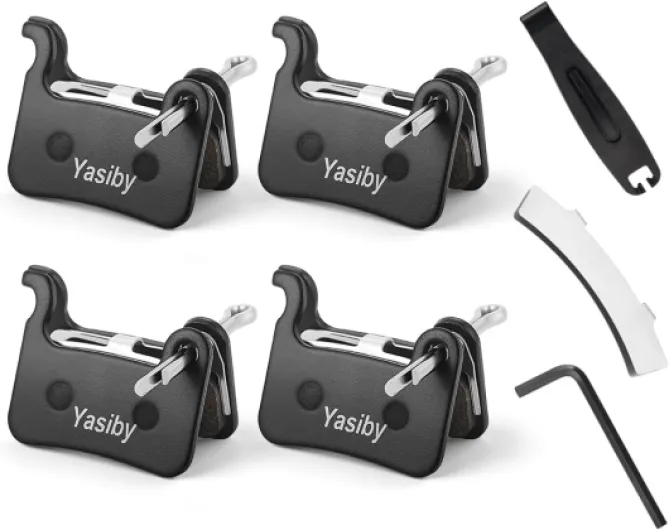

Understanding the role of brake pads in electric scooters
Why Brake Pads Matter for Your Electric Scooter
Brake pads are a crucial part of your electric scooter’s safety system. They press against the disc or rotor to slow down your scooter, giving you the stopping power you need in daily rides. Whether you have mechanical brakes or hydraulic calipers, the quality and condition of your pads can make a big difference in how well your scooter stops, especially in emergencies or on wet roads.
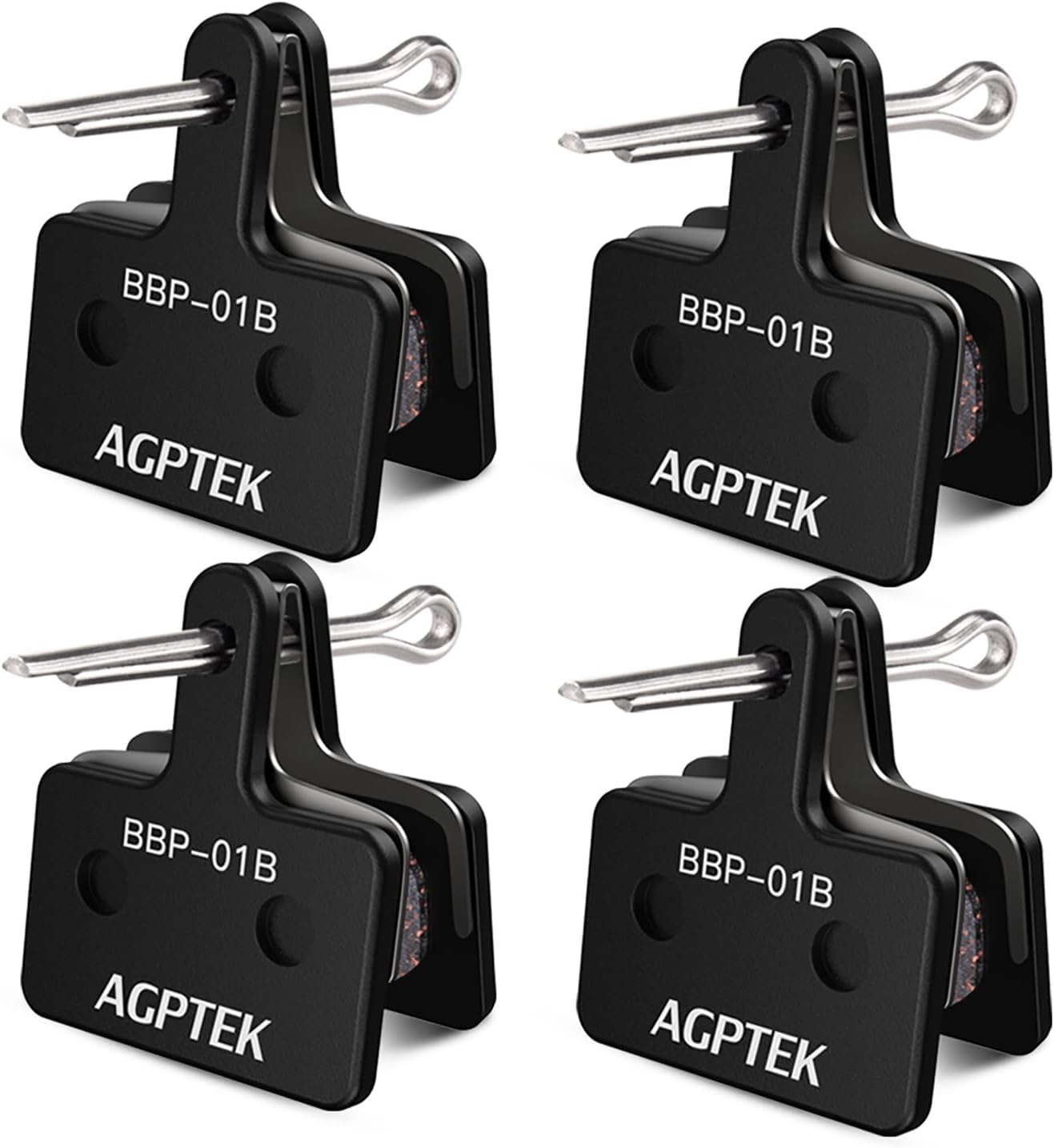
Many electric scooters use bike brake pads, including popular types like semi metallic, compatible Shimano, and Tektro brake pads. Some models even use OEM pads designed for specific calipers. The right pads ensure your disc brake system works efficiently, providing excellent stopping and control. If you ride a fat tire scooter or an ebike-style model, you might need larger or more robust pads for reliable performance.
- Stopping power: Good brake pads help you stop quickly and safely.
- Compatibility: Not all pads fit every scooter. Check if your scooter uses Shimano Deore, Tektro, or other specific types.
- Wear and tear: Pads wear out over time, so regular checks are important for safety.
Customer reviews and verified ratings can help you find great pads at a regular price. Look for stars and helpful feedback about stopping power and durability. Some stores offer customer support to help you find the right fit, and you can often read reviews before you buy. If you want to explore more ways to enhance your scooter’s utility, check out this guide on electric scooter trailers for extra carrying options.
Understanding the role of brake pads is the first step to safer rides. In the next sections, you’ll find out which types of pads are compatible with your scooter and how to spot when it’s time for a replacement.

Types of e bike brake pads compatible with electric scooters
Popular brake pad types for electric scooters
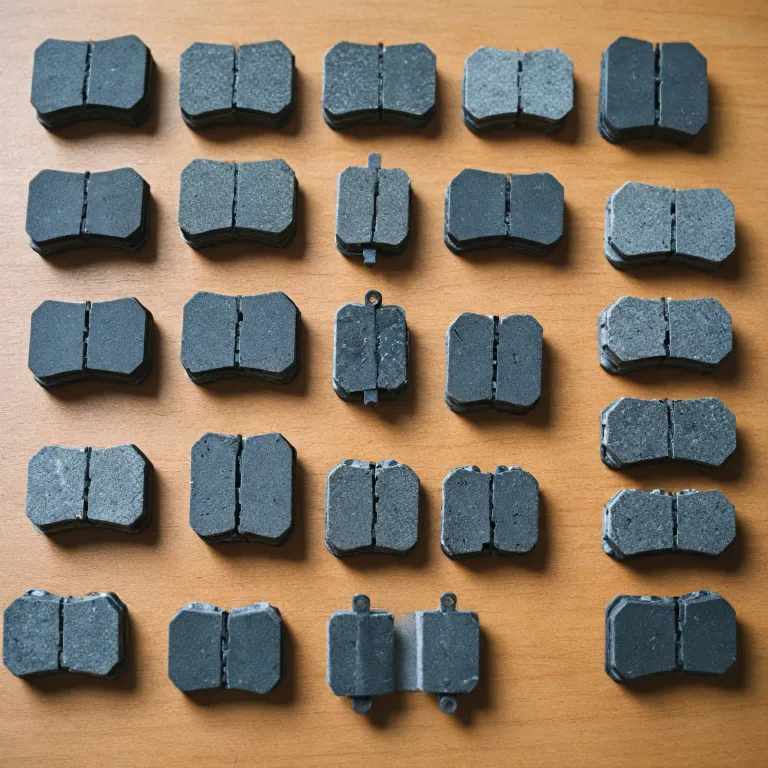
When looking for brake pads for your electric scooter, you’ll notice several types originally designed for e bikes and regular bikes. Not all pads are compatible, so it’s important to know what works with your scooter’s brake system. Here are the main types you’ll encounter:
- Semi-metallic pads: These are a common choice for electric scooters. They offer a good balance of stopping power and durability, making them suitable for daily commutes and fat tire models. Semi-metallic pads are often praised in reviews for their excellent stopping and consistent performance, even in wet conditions.
- Organic (resin) pads: Organic pads are made from non-metallic materials. They tend to be quieter and cause less wear on the disc, but may not last as long as semi-metallic options. Many riders find them great for city use where smooth, quiet braking is preferred.
- Sintered (metal) pads: These pads are made from hardened metals and provide strong braking, especially in demanding conditions. They’re often used for high-speed or heavy scooters, but can wear down the disc faster and may be noisier.
Compatibility with popular brake systems
Electric scooters often use caliper or mechanical brakes similar to those found on e bikes. Some of the most common systems are Tektro and Shimano. When searching for replacement pads, check if your scooter uses Tektro brake calipers, Shimano Deore, or compatible Shimano disc brake systems. OEM pads are usually a safe bet, but many verified aftermarket options are available at a regular price.
| Brake System | Compatible Pad Types | Notes |
|---|---|---|
| Tektro | Semi-metallic, organic, sintered | Look for Tektro brake or pads bike labels |
| Shimano (Deore, others) | Semi-metallic, organic, sintered | Check for compatible Shimano or Shimano brake pads |
| Generic mechanical brakes | Varies | Measure your old pads and compare before buying |
Where to find the right pads
To make sure you get the right fit, read product descriptions carefully and look for reviews from other ebike or scooter owners. Many stores offer helpful customer support and verified reviews, which can be a great resource. If you want to compare options or find a store with a wide selection, this guide on choosing the right U-lock also covers reputable online retailers for scooter parts.
Remember, choosing the right brake pads is not just about price or star ratings. It’s about ensuring your scooter’s brakes deliver the stopping power you need for safe rides. In the next section, we’ll look at what factors matter most when selecting pads for your specific needs.
Key factors to consider when choosing brake pads
What to Look for When Selecting Brake Pads
Choosing the right brake pads for your electric scooter is essential for both safety and performance. With so many options available, it’s easy to feel overwhelmed. Here’s what you should pay attention to when making your decision:
- Compatibility: Not all pads fit every scooter. Check if the pads are compatible with your brake system, such as tektro brake, shimano brake, or mechanical brakes. Some scooters use disc brake systems, while others use caliper or drum brakes. Always verify if the pads are suitable for your model, especially if you have a fat tire scooter or need rear brake replacements.
- Material: The material affects stopping power and durability. Semi metallic pads offer a good balance between performance and price, while organic pads are quieter but may wear faster. If you ride in wet conditions, look for pads with excellent stopping power and water resistance. OEM pads are designed by the original manufacturer and can be a safe choice, but aftermarket options like shimano deore or compatible shimano pads can also perform well.
- Performance: Read reviews and look for stars or verified feedback from other users. Pads with a high number of positive reviews often indicate reliable stopping power and durability. Pay attention to comments about noise, wear rate, and fitment. A great pad should provide excellent stopping power without excessive noise or rapid wear.
- Price: Compare the regular price of different pads. While cheaper options may seem attractive, investing in quality pads can save you money in the long run by reducing the frequency of replacements and improving safety. Some stores offer customer support or a find store feature to help you locate the right product.
- Ease of Installation: Some pads are easier to install than others. If you’re not experienced with bike maintenance, look for pads that come with clear instructions or check if your local shop offers installation services. Pads that fit well with your caliper or disc setup can make the process smoother.
Don’t forget to check for signs of wear, as discussed earlier, and replace your pads before they become a safety risk. For more on the importance of keeping your scooter’s components in top shape, you can read this guide on essential scooter maintenance.
By considering these factors, you’ll be able to find pads that offer the best balance of performance, price, and safety for your electric scooter.
How to identify worn-out brake pads
Signs Your Brake Pads Need Replacing
Recognizing when your electric scooter’s brake pads are worn out is essential for maintaining excellent stopping power and safety. Here’s how you can tell if your pads need attention:- Reduced Braking Performance: If you notice your scooter takes longer to stop or the brakes feel less responsive, your pads may be worn. This is common with both mechanical brakes and disc brake systems, including popular brands like Tektro and Shimano Deore.
- Unusual Noises: Squealing, grinding, or scraping sounds from your caliper or disc often signal that your pads are too thin or contaminated. Semi metallic and OEM pads can both develop these issues over time.
- Visual Inspection: Look through the caliper window or remove the wheel to check pad thickness. If the pad material is less than 3mm, or you see metal backing, it’s time to replace them. This applies to both fat tire and standard models, as well as compatible Shimano or Tektro brake pads.
- Vibration or Pulsing: If you feel vibrations when braking, your disc or pads might be unevenly worn. This can affect both front and rear brake performance.
What to Read in Reviews and Ratings
When shopping for replacement pads, it’s helpful to read verified reviews. Look for feedback on:- How well the pads bike withstood daily use
- Whether customers noticed a drop in stopping power over time
- Star ratings for durability and fit with specific models like Shimano brake or Tektro brake systems
- Customer support and return policies, especially if you find store options with regular price discounts
Helpful Tips for Identifying Worn Pads
- Compare your current pads to new ones if possible, especially if you have a set of OEM pads as reference.
- Don’t ignore any sudden changes in braking feel or noise, even if the pads look good.
- If you’re unsure, many bike shops offer free inspections or can recommend compatible Shimano or pads bike options for your ebike.
Maintenance tips for longer-lasting brake pads
Simple steps to keep your brake pads in top shape
Regular maintenance is key to getting the most out of your electric scooter’s brake pads. Well-maintained pads not only deliver excellent stopping power but also help you avoid costly repairs. Here are some practical tips to help you extend the life of your pads:- Inspect regularly: Check your brake pads and disc for wear every few weeks, especially if you ride often or on fat tire models. Look for thinning pads, uneven wear, or debris stuck between the pad and disc brake.
- Keep them clean: Dirt and grime can reduce the effectiveness of your brakes. Use a soft brush or cloth to gently clean the caliper, disc, and pads. Avoid using oil-based cleaners, as they can damage the pad surface.
- Check alignment: Misaligned calipers or pads can cause uneven wear and poor braking. Make sure the pads are centered on the disc and not rubbing when the brake is not engaged. This is especially important for mechanical brakes and models using Shimano Deore or Tektro brake systems.
- Replace when needed: Don’t wait until your pads are completely worn out. If you notice a drop in stopping power or hear a grinding noise, it’s time to replace them. OEM pads or verified compatible Shimano and Tektro options are usually a safe bet.
- Read reviews: Before buying replacement pads, check customer support ratings and verified reviews. Look for feedback on durability, price, and fit for your specific ebike or scooter model. Stars and helpful reviews can guide you to great options.
Choosing the right materials and fit
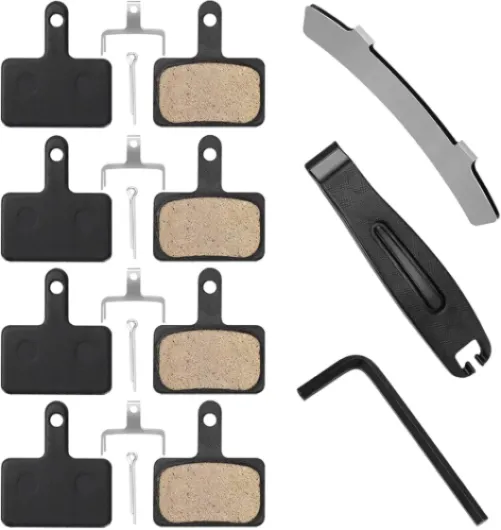
The type of pad material you choose—like semi metallic or organic—can affect both performance and longevity. Semi metallic pads often provide good stopping power and last longer, but may be noisier than organic pads. Make sure your new pads are compatible with your caliper and disc size. Pads bike shops recommend for Shimano brake or Tektro brake systems are usually reliable, but always double-check fit, especially for rear brake or fat tire models.When in doubt, find support
If you’re unsure about which pads to choose or how to maintain them, don’t hesitate to reach out to customer support or visit a local store. Many brands offer helpful guides and support to ensure you get the right fit and performance for your electric scooter. A little extra effort in maintenance can go a long way in keeping your ride safe and smooth.Safety considerations when upgrading brake pads
Ensuring Safe Upgrades and Reliable Performance
When upgrading the brake pads on your electric scooter, safety should always come first. Not all pads are created equal, and using the wrong type can compromise your stopping power or even damage your disc and caliper. Before making any changes, double-check that the new pads are compatible with your scooter’s brake system—whether you have mechanical brakes, disc brakes, or a specific brand like Tektro or Shimano Deore.
- Fit and Compatibility: Always verify that the pads are designed for your model. For example, some pads are made for fat tire scooters, while others are compatible with Shimano or Tektro brake systems. OEM pads or those marked as compatible Shimano are generally a safe bet.
- Material Matters: Semi metallic pads often provide excellent stopping power and durability, but check reviews to see if they suit your riding style and conditions. Some riders find that organic pads offer a quieter ride, while others prefer the longevity of metallic options.
- Installation: If you’re not confident installing new brake pads yourself, consider seeking help from a verified bike shop or customer support. Incorrect installation can lead to uneven wear or reduced braking efficiency.
- Testing: After installing new pads, test your brakes in a safe area. Make sure the rear brake and front brake engage smoothly and the stopping distance is good. Listen for unusual noises and check that the caliper aligns well with the disc.
- Reviews and Ratings: Reading helpful reviews from other riders can give you insight into real-world performance. Look for products with high stars and positive feedback about stopping power and durability. Don’t just go by regular price—sometimes a higher price means better materials or longer life.
Remember, great brake pads are essential for your safety and the overall performance of your ebike or electric scooter. Take the time to find store options with good customer support and verified products. A well-chosen set of pads bike users trust can make a significant difference in your daily ride.