


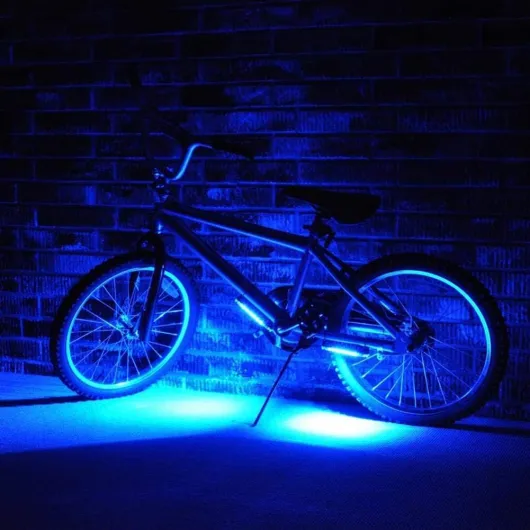
Understanding the importance of e bike lighting
Why Lighting Matters for Electric Scooters
Riding an electric scooter at night or in low-light conditions brings unique challenges. Good lighting is not just about seeing the road ahead—it’s about being seen by others. Whether you use your scooter for commuting, errands, or fun, a reliable bike light setup is essential for safety. Many accidents happen because riders are not visible enough, especially at dusk or dawn. That’s why investing in quality front and rear bike lights is a smart move for any electric bike or scooter owner.
Visibility and Safety on the Road
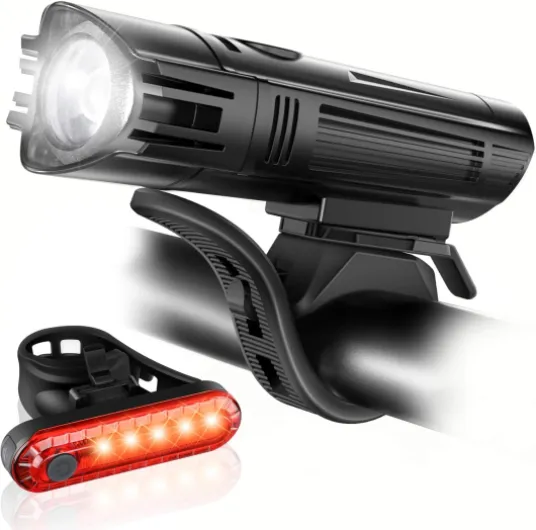
Front bike lights with high lumens help you spot obstacles, while rear lights alert cars and pedestrians to your presence. Features like daytime running lights and bright beams make a big difference, even during cloudy days. Some advanced lights offer high and low beam options, or a running light mode for extra visibility. STVZO front lights, popular in Europe, are designed to reduce glare for oncoming traffic while providing a focused beam for the rider. Reviews often highlight the importance of a well-placed fork mount or rear bike light for all-around safety.
Comparing Lighting Options and Price
There’s a wide range of bike lights available, from budget-friendly options to high-end models with sensors and IPX waterproof ratings. Comparing regular price and sale price can help you find the best deal. Some lights include features like ambient light sensors, which automatically adjust brightness based on your surroundings. Others offer easy mounting systems for quick installation. When shopping, consider the price in USD, the light’s lumens, and whether it’s suitable for your scooter’s motor and battery setup. For more on securing your scooter, check out this guide on choosing the right chain lock.
- Front and rear lights are both essential for safety
- Look for bright, waterproof, and easy-to-mount options
- Compare regular and sale prices to get the best value
- Consider features like light sensors and high-low beam modes
Proper lighting is a key part of responsible electric scooter riding. The next sections will explore the different types of lights, what features to look for, and how to install and maintain your lighting system.

Types of e bike lighting available for electric scooters
Comparing the Main Lighting Options
When it comes to electric scooters, choosing the right bike light can make a real difference in both safety and comfort. There are several types of lights available, each with their own strengths and price points. Here’s a breakdown to help you compare options and find what fits your needs best.
- Front Bike Lights: These are essential for visibility and often come in high beam, low beam, or a combination. Some models, like the STVZO front lights, are designed to avoid dazzling oncoming traffic by focusing the beam downward. Look for features like high lumens for brightness, fork mount compatibility, and a running light or daytime running option for extra safety.
- Rear Bike Lights: Rear lights are crucial for letting others see you from behind. Many offer steady or flashing modes, and some include a light sensor to adjust brightness based on ambient light. Mounting options vary, so check if the light fits your scooter’s design.
- Integrated Lighting Systems: Some electric bikes and scooters, especially those with Bosch motors, come with built-in lighting. These systems often include both front and rear lights, and may feature automatic sensors or IPX waterproof ratings for all-weather use.
- Clip-On and Removable Lights: For flexibility, clip-on bike lights are popular. They’re easy to install and remove, making them ideal if you want to use the same lights on multiple bikes or scooters. Just make sure the mount is secure and the light is bright enough for your needs.
Key Features to Compare
When shopping for bike lights, consider the following:
- Brightness (Lumens): Higher lumens mean a brighter light, but also check beam pattern for focused visibility.
- STVZO Certification: Especially important if you ride in areas with strict regulations, STVZO lights provide a controlled beam.
- Waterproof Rating: Look for IPX waterproof ratings to ensure reliability in rain or wet conditions.
- Light Sensor: Some advanced models adjust automatically to ambient light, switching between daytime running and night modes.
- Mounting Options: Fork mount, handlebar, or seat post—choose what fits your scooter best.
- Price and Reviews: Compare regular price and sale price, and check user reviews to see how lights perform in real-world conditions. Some shops offer discounts during shop sales, so keep an eye out for deals in USD.
Specialized Lighting for Enhanced Safety
For those who want to go beyond the basics, consider high low beam options, lights with running light features, or rear bike lights that offer multiple modes. Some systems even sync with your electric bike’s motor for automatic operation.
For more ways to boost your safety and visibility, check out this guide on the best e-bike mirrors to complement your lighting setup.
Key features to look for in e bike lighting
What Makes a Quality E Bike Light for Your Electric Scooter?
When comparing bike lights for your electric scooter, it’s important to focus on features that ensure safety, visibility, and durability. The right lighting setup can make a big difference for both daytime running and night riding. Here’s what to look for when shopping for the best e bike lighting:
- Brightness and Beam Pattern: The light lumens rating tells you how bright a bike light is. For city riding, a front bike light with 200-400 lumens may be enough, but for dark paths, consider 600 lumens or more. Look for lights with a focused beam or a high low beam option to avoid blinding others. STVZO front lights are designed to meet strict beam standards, reducing glare for oncoming traffic.
- Front and Rear Coverage: A complete setup includes both a bright front light and a reliable rear bike light. Rear lights rear visibility is crucial for being seen from behind, especially in low-light conditions.
- Mounting Options: Check if the light offers a fork mount, handlebar mount, or seatpost mount. A secure mount keeps the light steady over bumps. Some lights are designed for easy removal, which is handy if you park in public places.
- Waterproof Rating: Look for an IPX waterproof rating, especially if you ride in rain or wet conditions. IPX4 or higher is generally recommended for electric bike and scooter use.
- Smart Features: Advanced lights may include a light sensor or ambient light sensor that automatically adjusts brightness. Daytime running modes and running light functions help you stay visible even in daylight.
- Battery Life and Charging: Compare battery life and charging options. Some lights use USB charging, while others may require regular battery changes. Consider how long the light lasts on high beam and low beam settings.
- Legal Compliance: In some regions, only STVZO-certified lights are allowed for road use. Check local laws to ensure your lights meet requirements for brightness and beam pattern.
- Price and Reviews: Balance your budget by comparing regular price and sale price. Read reviews to see how the light performs in real-world conditions. Some brands, like Bosch, are known for quality, but shop sale events for deals on high-end models.
For those using a powerful motor or riding at higher speeds, investing in a high-lumen front bike light and a bright rear light is even more important. If you’re curious about how lighting interacts with your scooter’s electrical system, check out this comprehensive guide to scooter chargers for more technical details.
Installation tips for e bike lighting on electric scooters
Getting Your Lights Set Up Correctly
Once you’ve chosen the right bike lights for your electric scooter, proper installation is key to safety and performance. Whether you’re adding a bright front bike light or a rear bike light, a secure mount is essential. Most modern lights offer fork mount or handlebar options for the front, and seatpost or frame mounts for the rear. Always check if your light is compatible with your scooter’s design and motor placement, especially if you have a Bosch motor or similar setup.
- Mounting: Use the included hardware or shop sale kits for extra mounting options. Make sure the light is stable and doesn’t shake loose during rides. For front lights, position the beam to illuminate the road ahead without blinding others. Rear lights should be visible from a distance and not blocked by bags or accessories.
- Wiring and Power: Many e bike lights are USB rechargeable, but some connect directly to your scooter’s battery. If you choose a wired option, follow the manufacturer’s instructions to avoid damaging the wiring or affecting the motor. Pay attention to IPX waterproof ratings to ensure your lights can handle rain and splashes.
- Sensor Features: Some advanced lights include a light sensor or ambient light sensor, automatically switching between daytime running and high low beam modes. Make sure these sensors are not obstructed by your scooter’s frame or accessories.
- STVZO Compliance: If you’re using STVZO front lights, ensure the beam pattern is set correctly for low beam and high beam modes. This helps avoid dazzling oncoming traffic and meets legal requirements in some regions.
Tips for a Smooth Installation
- Compare reviews for your chosen bike light to see if users mention any installation challenges.
- Check the regular price and sale price to get the best value, especially if you’re upgrading both front and rear lights.
- Test the lights after installation by riding in a low-light area. Adjust the angle of the beam for optimal visibility.
- For extra safety, consider adding a running light or daytime running light for increased visibility during the day.
Proper installation not only ensures your lights work as intended but also helps you get the most out of your investment, whether you paid the regular price or found a shop sale. Taking the time to set up your lights correctly will make your night rides safer and more enjoyable.
Maintenance and troubleshooting for e bike lighting
Keeping Your Lights Reliable and Safe
Regular maintenance of your electric scooter’s bike lights is essential for both safety and performance. Whether you use a front bike light with a fork mount, a rear bike light, or a set of stvzo front and rear lights, keeping them in top condition ensures you stay visible and compliant with local regulations.- Check for Water Resistance: Many modern lights are rated as IPX waterproof. After riding in rain or washing your scooter, inspect the seals and housings to prevent water ingress that can damage the light or its sensor.
- Inspect Mounts and Connections: Vibration from the motor or rough roads can loosen mounts. Regularly check that your front and rear lights, especially those with fork mounts, are secure. Tighten any loose screws and ensure wiring is intact.
- Monitor Battery and Charging: Some lights run on replaceable batteries, while others are USB rechargeable. Keep an eye on battery levels, especially for high beam or daytime running lights, as these consume more power. Charging regularly helps avoid sudden outages.
- Clean Lenses and Sensors: Dirt or debris can reduce light lumens and affect the performance of ambient light sensors. Wipe lenses gently with a soft cloth and check that sensors are unobstructed for optimal automatic switching between high and low beam modes.
Troubleshooting Common Light Issues
If your bike lights are dim, flickering, or not turning on, consider these steps before replacing them:- Compare Power Sources: If your light is powered by your electric bike’s main battery (like some Bosch motor systems), check the connection and voltage. For standalone lights, try a fresh battery or a different USB cable.
- Test Light Modes: Switch between high, low, and running light modes. If only one mode works, the issue may be with the internal switch or sensor.
- Review Product Reviews: If you recently bought a new light at a sale price or regular price, check online reviews for similar issues. Some models may have known faults or require firmware updates.
- Check for STVZO Compliance: STVZO lights have specific beam patterns and sensors. If your light is not performing as expected, verify it’s installed correctly and not obstructed.
When to Replace Your Bike Lights
- If your lights no longer hold a charge or the beam is significantly weaker, it may be time to shop sale events for a replacement.
- Consider upgrading to a brighter, more efficient model with features like ambient light sensors or improved IPX waterproof ratings.
- Always compare the regular price and sale price to get the best value.
Legal considerations and best practices for night riding
Stay Safe and Legal When Riding at Night
Riding your electric scooter after dark brings extra risks and responsibilities. Proper lighting is not just about seeing and being seen—it’s also about following the law and protecting yourself and others. Here’s what you need to know about legal requirements and best practices for night riding with e bike lights.
- Legal Requirements: Many regions require both a front bike light and rear bike light when riding at night. The front light should be white and bright enough to illuminate the road ahead, while the rear light must be red and visible from a distance. Some areas specify minimum light lumens or mandate features like a daytime running light or running light for added visibility.
- STVZO and Standards: In Europe, the STVZO standard regulates bike lights, focusing on beam shape and brightness to avoid dazzling other road users. STVZO front lights often have a cut-off line, providing a low beam that lights the road without blinding oncoming traffic. Compare STVZO lights with regular high beam options to find what’s legal and safe for your area.
- Mounting and Position: Mount your front bike light at handlebar or fork mount height for optimal coverage. Rear bike lights should be attached to the seat post or rear fender. Make sure all lights are securely mounted and not blocked by bags or accessories.
- Waterproofing and Durability: Choose lights with an IPX waterproof rating to ensure they work in rain or splashes. This is especially important for electric bike riders who commute regularly or ride in varying weather.
- Sensor and Ambient Light Features: Some advanced lights include a light sensor or ambient light sensor that automatically adjusts brightness based on conditions. This helps maintain visibility without draining the battery unnecessarily.
Best Practices for Night Riding
- Always check your lights before heading out. Test both front and rear lights for brightness and battery level.
- Use a combination of high and low beam settings if your light supports it. High beam is useful for dark paths, while low beam or running light is better for city streets.
- Consider adding extra lights rear or side reflectors for increased visibility from all angles.
- Regularly clean your lights and check for damage, especially after riding in wet or dusty conditions.
- Stay aware of local laws regarding light color, brightness, and mounting height. Fines for non-compliance can be costly, sometimes exceeding the price of a quality bike light (often ranging from 20 to 100 USD or more).
Reading reviews and comparing features like beam pattern, battery life, and sensor technology can help you find the best lighting for your electric scooter. Whether you’re shopping at regular price or looking for a shop sale, prioritize safety and legal compliance over low sale price alone. Reliable lighting is as essential as a good Bosch motor or quality tires for a safe ride.