



Understanding the need for turn signals on bikes and electric scooters
Why Urban Riders Need Better Visibility
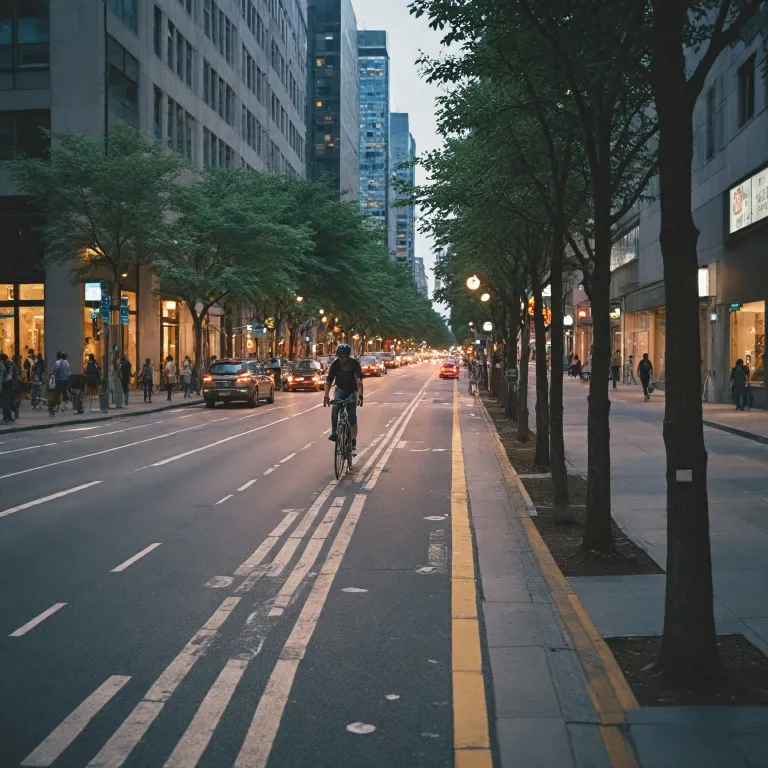
As cities grow busier, more people are choosing electric bikes, ebikes, and scooters for their daily commute. These vehicles offer a convenient, eco-friendly way to navigate urban roads. However, sharing the road with cars, buses, and other bikes means that visibility and clear communication are more important than ever. Riders often face challenges in low light conditions or during night rides, where traditional hand signals can be hard for other road users to see. This is where integrated turn signals, brake lights, and other lighting systems come into play, making a significant difference in safety and awareness.
Common Risks Without Turn Signals
Without proper signaling, riders on electric bikes or scooters are at greater risk of accidents. Motor vehicles may not anticipate a sudden turn or lane change, especially if the rider is not equipped with visible turn signals or lights. Even with a commuter ebike or a fat tire model, the lack of built turn signal systems can make it difficult for drivers to predict your next move. This is especially true in poor light conditions or when riding in heavy traffic. A reliable signaling system is not just a convenience—it’s a step toward safer roads for everyone.
Growing Demand for Safer Urban Mobility
The popularity of ebikes with integrated turn signals and brake lights is rising, especially among city riders who want to enhance their safety. Many new electric bikes and scooters are now equipped with advanced lighting systems, including assist features and power-efficient LEDs. These improvements help riders communicate more effectively with other road users, reducing the risk of collisions and misunderstandings. For those interested in maximizing their visibility, adding mirrors can also be a smart move. Check out this guide on the best e-bike mirrors to further enhance your ride.
- Electric bikes and scooters with turn signals improve safety in city traffic
- Riders benefit from better communication with other road users
- Integrated lighting systems are becoming standard on many ebikes electric models
- Fat tire and commuter ebike classes are also adopting these features

How turn signals work on bikes and electric scooters
How modern turn signals operate on electric bikes and scooters
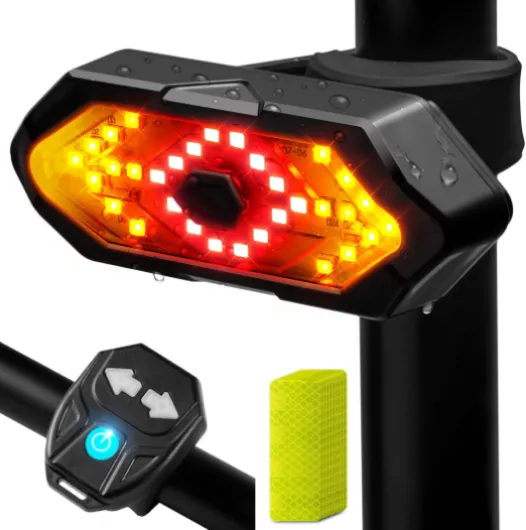
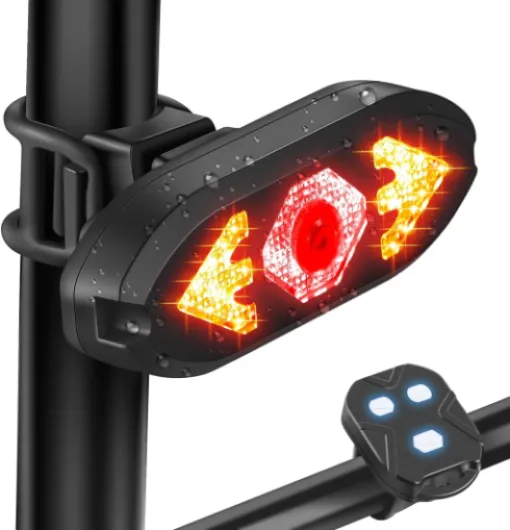
Turn signals on electric bikes, ebikes, and scooters are designed to boost safety and communication between riders and other road users. These systems use bright LED lights, often integrated into the handlebars, rear frame, or even the mirrors of the vehicle. When a rider activates the signal, the lights blink in the direction of the intended turn, making intentions clear even in low light or challenging weather conditions.
Key components of turn signal systems
- LED lights: Chosen for their visibility and low power consumption, LEDs are the standard for most ebikes with turn signals.
- Control switches: Usually mounted near the handlebar grips, allowing riders to activate left or right signals without taking their hands off the controls.
- Integrated turn signal systems: Some commuter ebike models and fat tire bikes come equipped with built turn signal and brake lights as part of their standard safety features.
- Power source: Turn signals draw from the main battery system of the electric bike or scooter, ensuring consistent operation as long as the vehicle is powered.
Types of turn signal setups
There are several classes of turn signal systems available for ebikes and electric scooters:
- Factory-installed: Many new electric bikes, especially those rated stars for safety, come with integrated turn signals and brake lights.
- Aftermarket kits: Riders can choose from a range of add-on kits that fit various bike and scooter models, including fat tires and step-through frames.
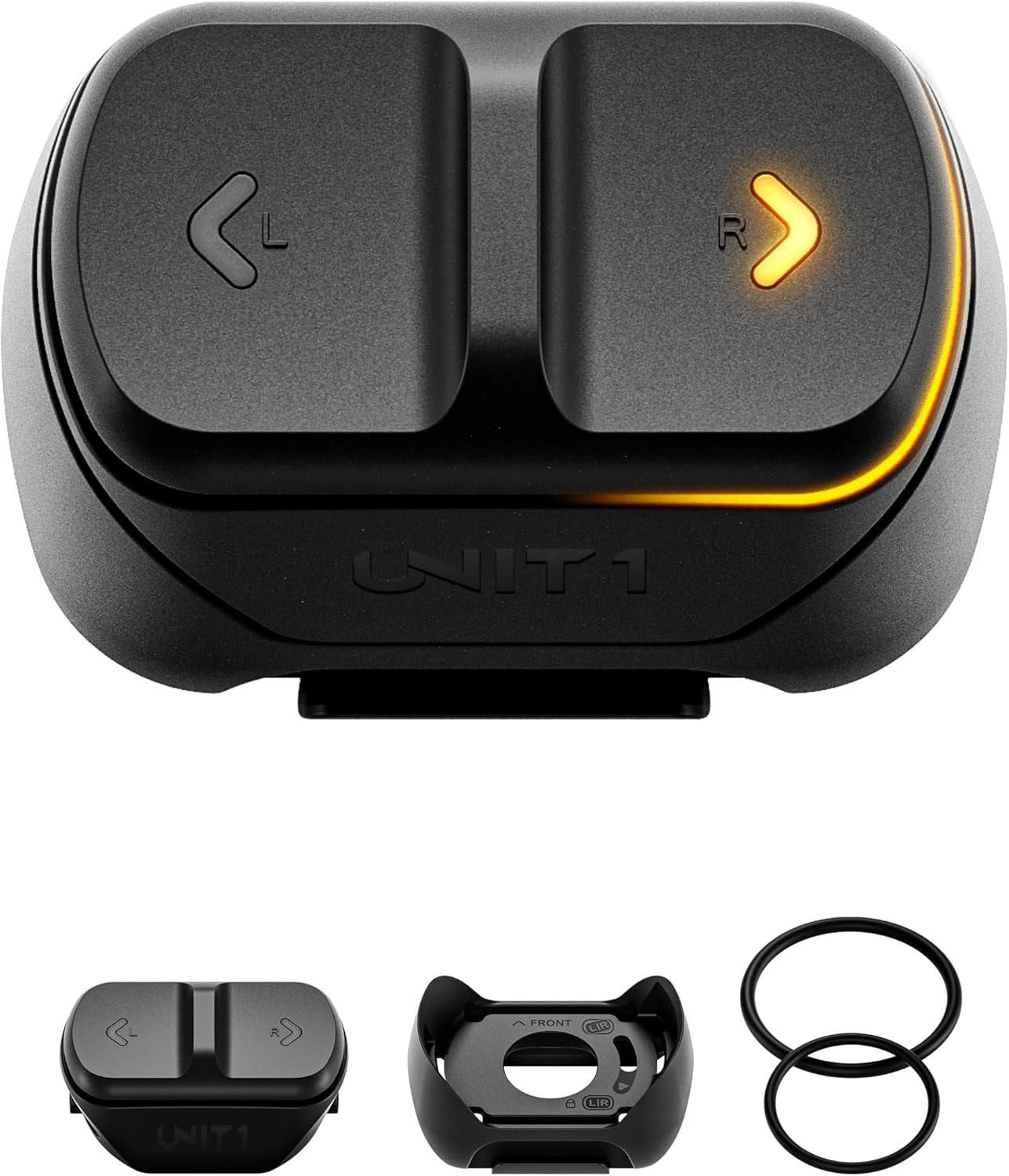
- Wireless systems: Some solutions use wireless remotes, making installation easier and reducing the need for complex wiring.
Step-by-step signaling process
When preparing to turn, the rider presses the appropriate switch. The system sends power to the corresponding LED lights, which begin to blink. This alerts nearby road users to the rider’s intentions, improving safety for everyone on the road. Some advanced systems even include audible alerts or vibration feedback for the rider, ensuring the signal is active.
For those interested in further enhancing their ride’s safety and visibility, consider exploring the best e-bike mirrors to complement your turn signal system.
Benefits of using a bike with turn signals in city traffic
Enhancing Safety and Communication on Urban Roads
Riding an electric bike or scooter in city traffic can be challenging, especially during peak hours or in low light conditions. Adding turn signals to your bike or ebike is a simple step that makes a big difference for both safety and communication. When your ride is equipped with integrated turn signals and brake lights, you make your intentions clear to other road users, reducing the risk of accidents and misunderstandings.
- Improved Visibility: Turn signals and lights help you stand out, especially in poor light or at night. This is crucial for commuter ebike riders and those using fat tire bikes, as their larger frames can sometimes block hand signals.
- Clear Communication: With built turn signal systems, you no longer rely solely on hand gestures, which can be missed in heavy traffic or when your hands are occupied with the handlebars. This is especially helpful for ebikes with higher power or assist modes, where maintaining control is essential.
- Legal Compliance: Some cities now require bikes and ebikes to be equipped with lights and signaling systems. Having a class-compliant system ensures you meet local regulations and avoid fines.
- Confidence for All Riders: Whether you’re new to electric bikes or an experienced commuter, using a bike with turn signals boosts your confidence on the road. You can focus more on your ride and less on worrying if others see your intentions.
For those considering upgrading their system, choosing the right battery is also important to ensure your lights and signals work reliably. Check out this guide on selecting the best 72V ebike battery for your electric scooter to keep your signaling system powered and effective.
| Feature | Benefit |
|---|---|
| Integrated turn signals | Clear, visible communication with other road users |
| Brake lights | Warns following vehicles when you slow down or stop |
| Fat tires and ebikes include lights | Improved stability and visibility in all conditions |
| Rated stars for safety | Helps riders choose reliable, tested systems |
As more ebikes electric and electric scooters come equipped with advanced signaling systems, urban mobility is becoming safer and more predictable for everyone sharing the road.
Challenges and limitations of current turn signal solutions
What Makes Turn Signals on Electric Bikes and Scooters Tricky?
While adding turn signals to bikes, ebikes, and electric scooters seems like a clear step forward for safety, there are real-world challenges that slow down adoption and effectiveness. Understanding these issues helps riders make informed decisions about their own ride and safety.
- Visibility in Low Light and Daylight: Not all turn signals are bright enough to be seen in direct sunlight or at night. Inconsistent light output can make it hard for other road users to notice your intentions, especially in busy city traffic or during low light conditions.
- Integration with Existing Systems: Many ebikes and electric scooters are not equipped with built turn signal systems from the factory. Adding aftermarket solutions can be complicated, especially if the bike or scooter has a unique frame or wiring setup. Some riders find that integrating turn signals with brake lights or other lighting systems can be a technical challenge.
- Durability and Weather Resistance: Electric bikes and scooters face all kinds of weather. Turn signals need to be water-resistant and robust enough to handle bumps, rain, and even the occasional fall. Not all products on the market meet these standards, which can lead to failures just when you need them most.
- Battery Power and System Compatibility: Adding extra lights and signals draws more power from your ebike or scooter’s battery. For commuter ebike riders or those using fat tire models with higher power needs, this can slightly reduce range. Compatibility with the existing electrical system is another concern, especially for ebikes electric models with unique motor or assist setups.
- Legal and Class Differences: Regulations around turn signals on bikes and electric bikes vary by region and class. Some areas require specific types of lights or signal systems, while others do not. Riders need to check local laws to ensure their setup is compliant and safe for road use.
Why Some Riders Still Hesitate
Despite the clear safety benefits, not every rider is quick to adopt turn signals. Some worry about the aesthetics of adding bulky lights to their bikes or ebikes. Others are concerned about the extra step in their pre-ride routine, especially if the system is not integrated and requires manual activation or charging. For those using fat tires or off-road electric bikes, there’s also the question of whether signals will withstand rough terrain.
Finally, the market is still evolving. While some ebikes include integrated turn signals and brake lights, many popular models do not. Riders often have to rely on third-party solutions, which can vary in quality and ease of installation. As technology improves and more electric bikes come equipped with advanced lighting systems, these challenges are likely to become less significant.
Tips for choosing and installing turn signals on your electric scooter
Key Considerations Before Adding Turn Signals
Choosing and installing turn signals on your electric scooter or ebike can make a significant difference in your daily ride. With the growing number of ebikes, electric bikes, and scooters on city roads, being equipped with visible signals is becoming essential for safety and communication with other road users. Here are some important steps and factors to consider:
- Compatibility: Not all turn signal systems fit every bike or scooter. Check if the system is designed for your class of vehicle, whether it’s a commuter ebike, fat tire model, or a standard electric scooter. Some ebikes include integrated turn signals, while others require aftermarket kits.
- Visibility: Look for turn signals with bright LED lights that are visible in low light and various weather conditions. Integrated turn signal and brake lights can enhance safety, especially during night rides or in poor light conditions.
- Power Source: Consider whether the turn signal system draws power from your bike’s main battery or has its own battery. Systems that connect to your electric bike’s power assist system may offer more convenience but could impact battery life.
- Installation Process: Some turn signals are easy to install with basic tools, while others may require professional help. Follow the manufacturer’s instructions step by step to ensure a secure fit and proper function. Test the lights before your first ride to confirm everything works as intended.
- Durability: Urban riding exposes your bike to bumps, rain, and dust. Choose turn signals rated for outdoor use, ideally with waterproofing and shock resistance. Fat tires and off-road ebikes may need even more robust systems.
- Legal Requirements: Check local regulations regarding turn signals on electric bikes and scooters. Some areas require specific types of lights or minimum brightness for road safety compliance.
Features to Look For
- Wireless Controls: Many modern systems offer wireless handlebar-mounted remotes for easy operation without taking your hands off the grips.
- Integrated Brake Lights: Some turn signal kits include brake lights, which further alert road users when you slow down or stop.
- Multiple Light Modes: Adjustable brightness and flashing patterns can improve visibility in different light conditions.
- High User Ratings: Look for products rated stars by other riders, especially those who use their ebikes electric for daily commuting.
Installation Tips for a Safer Ride
- Test your turn signals and brake lights before heading out on the road.
- Position the lights where they are clearly visible from behind and the sides.
- Secure all wiring and components to avoid interference with the wheels, motor, or assist system.
- Regularly check the lights for dirt or damage, especially after riding in wet or dusty conditions.
Adding turn signals is a smart step for anyone looking to boost safety and confidence while navigating city traffic on electric bikes, ebikes with fat tires, or any class of electric scooter. As more riders upgrade their bikes with built turn signal systems, urban mobility becomes safer and more predictable for everyone.