

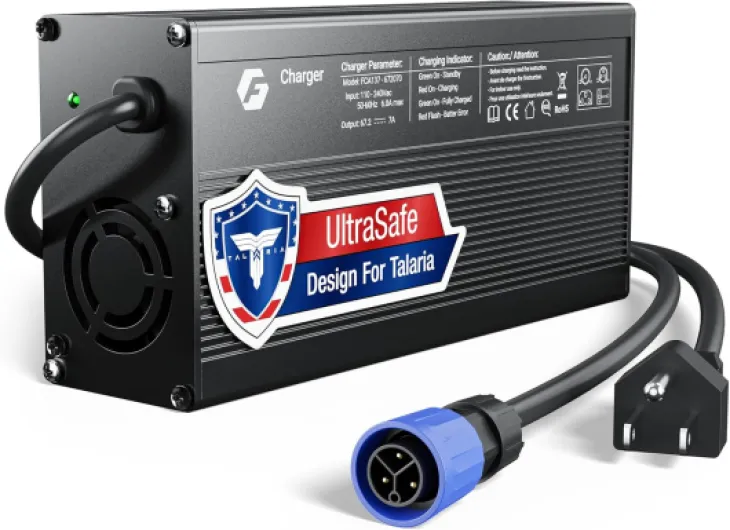
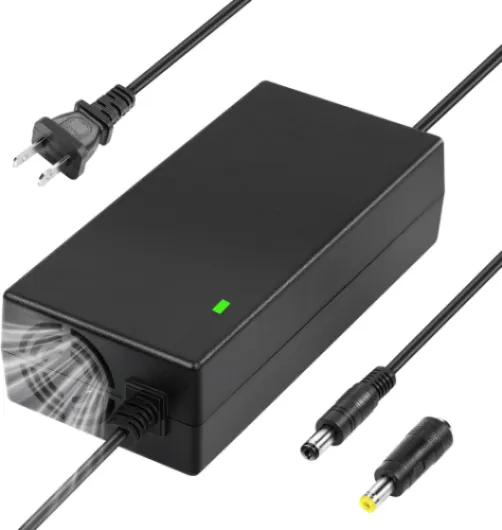
Understanding ebike battery charger basics
What Makes an Ebike Battery Charger Essential?
When it comes to keeping your electric scooter running smoothly, the battery charger is just as important as the battery itself. The right charger ensures your lithium ion battery pack receives the correct voltage and current, helping to maintain performance and extend the life of your battery. Whether you have a universal smart charger or a model-specific product, understanding the basics can save you from costly mistakes and help you get the most out of your investment.
Key Components and How They Work
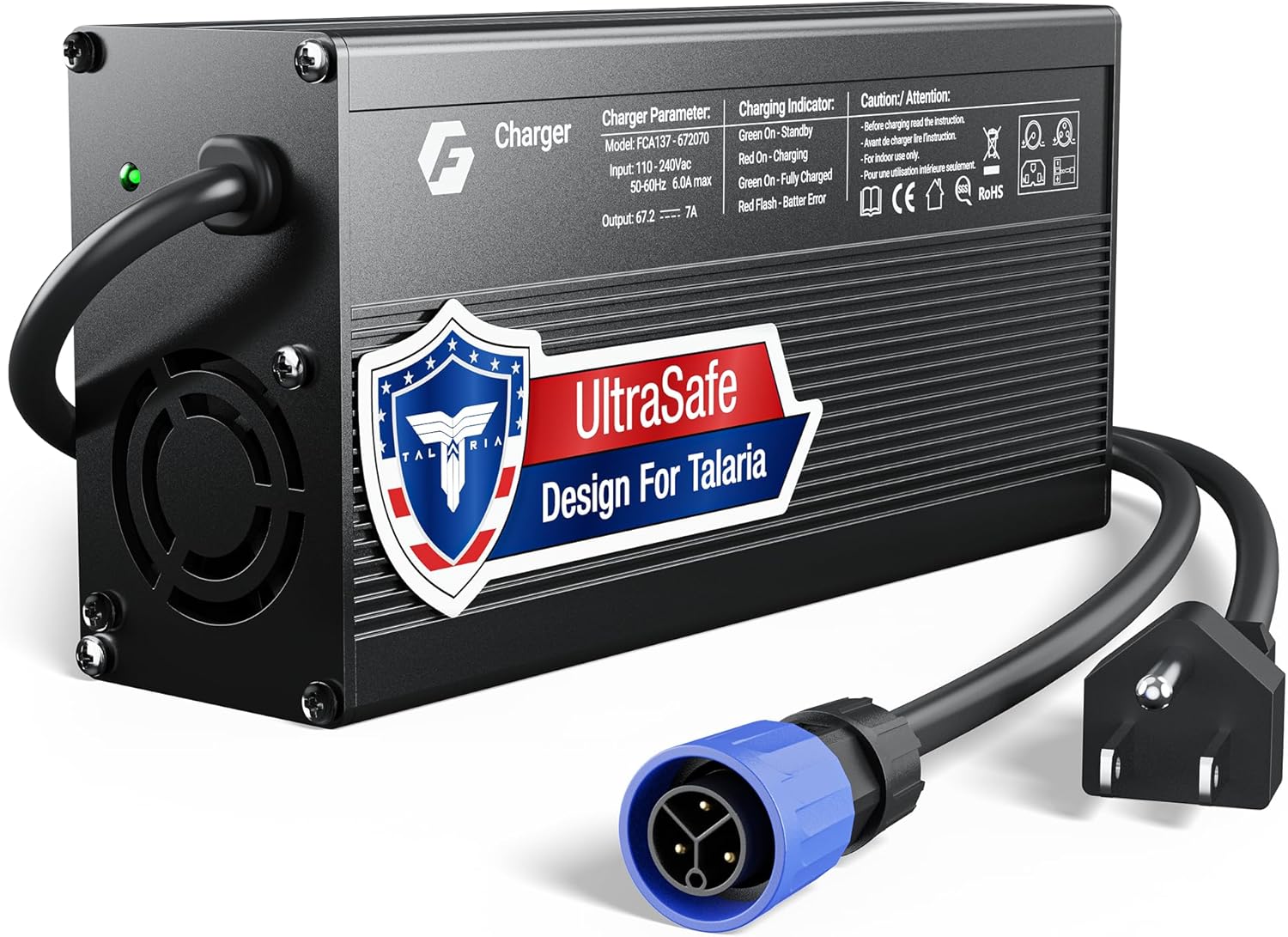
- Voltage and Current: Every ebike battery charger is designed to deliver a specific voltage and current. Using a charger with the wrong voltage can damage your battery pack or even pose safety risks.
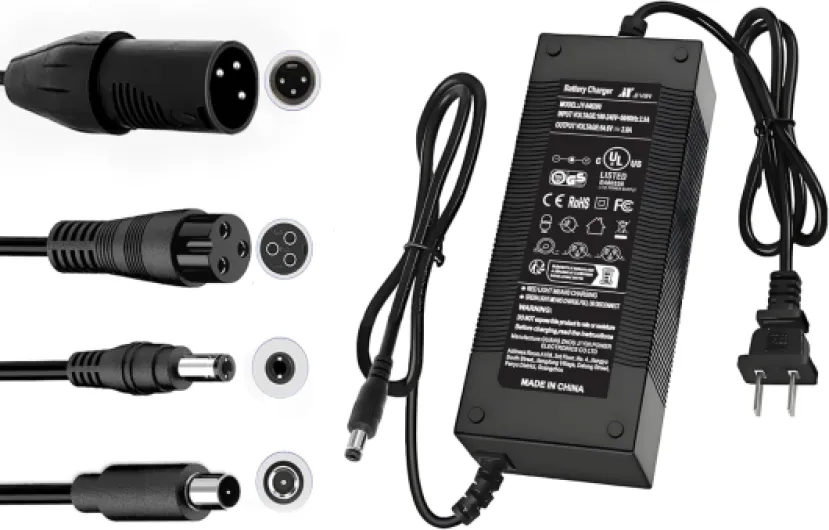
- Connector Type: Electric scooters and bikes use different charger connectors. Make sure your charger matches your battery ebike connector to avoid compatibility issues.
- Smart Charging: Many modern chargers feature smart technology that automatically adjusts the power supply to protect your lithium ion battery from overcharging or overheating.
Types of Ebike Battery Chargers
There are several types of battery chargers available, from basic models to advanced universal smart chargers. Some are designed for specific brands like Lectric, while others are marketed as universal chargers compatible with a range of electric bikes and scooters. The price can vary widely, with high price models offering more features such as faster charging or better safety protections.
How to Choose the Right Charger
When shopping for a charger replacement or an extra charger for convenience, consider the following:
- Compatibility: Check your battery’s voltage and connector type.
- Charging Speed: Higher current chargers can reduce charging time, but may not be suitable for all batteries.
- Safety Features: Look for chargers with overcharge, short-circuit, and temperature protections.
- Reviews and Ratings: Platforms like Amazon let you view stars and read feedback from others who bought the same product.
For a deeper dive into how different chargers work and what to look for in a quality product, check out this guide to understanding the Evercross electric scooter charger. This resource covers essential details about charger types, battery compatibility, and what makes a charger reliable for your electric bike or scooter.

Compatibility between chargers and electric scooters
How to Match Your Charger with Your Electric Scooter
When it comes to charging your electric scooter, not every charger is created equal. The right battery charger ensures your lithium ion battery is charged safely and efficiently. Compatibility is more than just matching plugs; it involves understanding voltage, current, and connector types. Using the wrong charger can damage your battery pack or even void your warranty.
- Voltage and Current: Always check the voltage and current requirements of your ebike battery. Most electric scooters use lithium ion batteries, which typically require chargers rated for 36V, 48V, or 52V. Using a charger with the wrong voltage can harm the battery or reduce its lifespan.
- Connector Type: There are several charger connector types, such as DC barrel, XLR, and proprietary connectors. Make sure the charger fits your scooter’s charging port. Universal smart chargers often come with multiple adapters, but double-check compatibility before buying.
- Battery Chemistry: Not all chargers are suitable for every battery type. For example, a charger designed for lead-acid batteries should not be used with lithium ion batteries. Always confirm the charger is intended for your battery chemistry.
- Manufacturer Recommendations: Many brands, like Lectric and Ninebot, recommend using their own charger replacement products. This ensures optimal charging and maintains your warranty. For more details on specific models, check out this guide to Ninebot electric scooter chargers.
- Universal vs. Model-Specific: Universal smart chargers can be convenient, especially if you own multiple bikes or scooters. However, always verify that the universal charger matches your battery’s voltage and connector. Some universal chargers offer adjustable current and voltage settings, but incorrect settings can be risky.
Price can also be a factor. While high price chargers often come with advanced features like smart charging and safety protections, there are affordable options with solid ratings (stars) on platforms like Amazon. Always review product specifications and user feedback before making a purchase.
In summary, matching your charger to your electric scooter’s battery pack is crucial for safety, performance, and longevity. Take the time to review your scooter’s manual and charger specifications before buying a new charger or a charger replacement.
Safety tips when using an ebike battery charger
Key Steps to Charge Safely and Avoid Hazards
Charging your electric scooter’s battery safely is essential for both your personal safety and the longevity of your battery pack. Lithium ion batteries, which are common in ebikes and electric scooters, require careful handling and the right charger to prevent risks like overheating, fire, or reduced battery life. Here are practical safety tips to keep in mind when using any battery charger, whether it’s a universal smart charger or a model-specific product:
- Always use the correct charger: Make sure your charger matches the voltage and current specifications of your battery. Using an incompatible charger can damage the battery or even cause dangerous malfunctions. Double-check the charger connector and ensure it fits your battery pack securely.
- Charge in a safe environment: Place your electric bike or scooter on a flat, non-flammable surface away from direct sunlight, flammable materials, or moisture. This reduces the risk of fire or electrical short circuits.
- Monitor charging sessions: Avoid leaving your battery charging unattended for long periods. Even smart chargers with automatic shutoff features can fail, so it’s best to check on your battery periodically.
- Inspect your equipment: Before plugging in, examine your battery, charger, and cables for any signs of wear, damage, or corrosion. Replace any faulty components immediately. If you need a charger replacement, choose a product with high stars and positive reviews on trusted platforms like Amazon.
- Don’t overcharge: Disconnect the charger once the battery is fully charged. Overcharging can reduce the lifespan of lithium ion batteries and may increase the risk of overheating.
- Use surge protection: Plug your charger into a surge-protected outlet to shield your battery and charger from voltage spikes, especially in areas prone to power fluctuations.
For those building or upgrading a 72 volt battery pack, it’s crucial to select a charger that matches your battery’s voltage and current requirements. You can learn more about essential accessories for building a 72 volt battery for your electric scooter to ensure you have the safest and most reliable setup.
By following these safety tips, you can help protect your investment, avoid unnecessary high price repairs, and enjoy longer, safer rides on your electric bike or scooter.
Charging habits to extend battery life
Smart Charging Habits for Longevity
Taking care of your electric scooter’s battery pack is essential if you want to get the most out of your investment. Lithium ion batteries, which are common in ebike and electric scooter models, can last longer if you follow a few smart charging practices. Here are some practical tips to help extend your battery’s life and maintain the performance of your charger and scooter:
- Avoid full discharges: Try not to let your battery run completely flat. Lithium ion batteries perform best when you recharge them before they drop below 20%.
- Don’t overcharge: Unplug the charger once your battery reaches 100%. Leaving it connected for long periods can stress the battery and reduce its lifespan, even if you’re using a universal smart charger.
- Charge at moderate temperatures: Charging in extreme cold or heat can harm both the battery and the charger. Aim for room temperature conditions whenever possible.
- Use the correct charger: Always use a charger that matches your battery’s voltage and current requirements. Using a charger with the wrong specs, even if it’s labeled as universal, can damage your battery pack or cause safety issues.
- Partial charges are okay: Unlike older battery types, lithium ion batteries don’t need to be fully charged every time. Topping up your battery regularly is better than waiting for a full drain.
Practical Charging Routines
Developing a consistent charging routine can help you avoid common problems and get the most out of your ebike battery. Consider these habits:
- Charge after each ride if you use your electric bike daily, but don’t worry about reaching 100% every time.
- If you plan to store your scooter for a while, keep the battery at around 50% charge. This helps preserve battery health during periods of non-use.
- Monitor your charger’s performance. If you notice the charger or battery getting unusually hot, or if charging takes much longer than usual, it may be time to look for a charger replacement or check your battery for issues.
Comparing Chargers and Battery Packs
| Product | Voltage | Current | Price | Stars (Amazon View) |
|---|---|---|---|---|
| Universal Smart Charger | 36V/48V | 2A/3A | Price High | 4.5 |
| Lectric Ebike Charger | 48V | 2A | Mid Price | 4.3 |
| Generic Ion Battery Charger | 36V | 1.5A | Low Price | 4.0 |
Choosing the right charger and following these charging habits can help you avoid high replacement costs and keep your electric bike or scooter running smoothly for years. Always check the product details, voltage, and current before buying a new charger battery or battery pack, especially if you’re shopping on Amazon or other online platforms.
Troubleshooting common charging problems
Common Issues When Charging Your Electric Scooter
Charging your electric bike or scooter should be straightforward, but sometimes problems arise. Here are some frequent issues and practical steps to address them, especially when using lithium ion battery chargers or universal smart chargers.- Charger Not Recognized: If your charger battery is not detected by your ebike or electric scooter, first check the charger connector for any dirt or damage. Make sure the voltage and current ratings on your charger match the battery pack specifications. Using a charger with the wrong voltage can harm your battery or the charger itself.
- Battery Not Charging Fully: Sometimes, a lithium ion battery will not reach a full charge. This could be due to a faulty charger, aging batteries, or issues with the power supply. Try a different outlet, and if possible, test with another charger replacement to isolate the issue.
- Overheating: Both the charger and battery pack can get warm, but excessive heat is a warning sign. If your charger or battery feels unusually hot, unplug immediately. Overheating can be caused by a low-quality product, high price does not always mean better safety, so check reviews and stars on platforms like Amazon before buying.
- Slow Charging: If charging takes much longer than usual, inspect the charger’s output current. A universal charger may not deliver enough power for high-capacity batteries. Also, check if your battery is nearing the end of its life cycle, as older batteries charge more slowly.
- Indicator Lights Not Working: Many smart chargers and universal smart chargers have LED indicators. If these lights do not turn on, the charger might be faulty, or there could be an issue with the charger connector. Try another charger or test your charger on a different bike or battery ebike to confirm.
When to Seek Professional Help
If you have tried these steps and your electric bike or scooter still will not charge, it may be time to consult a professional. Persistent issues with your battery charger or lithium ion battery could indicate deeper problems with the battery pack or internal wiring. Do not attempt to open or repair lithium batteries yourself, as this can be dangerous. Always consider the warranty and support options available for your charger ebike or battery chargers. Some products bought on Amazon or from the manufacturer offer replacement or repair services, especially if the issue occurs soon after purchase (for example, within a few months like Jan to March).Quick Troubleshooting Table
| Problem | Possible Cause | Suggested Action |
|---|---|---|
| Charger not recognized | Connector issue, voltage mismatch | Check connectors, verify voltage and current |
| Battery not charging fully | Aging battery, faulty charger | Test with another charger, consider battery replacement |
| Overheating | Poor ventilation, incompatible charger | Unplug, let cool, check compatibility |
| Slow charging | Low output charger, old battery | Use correct charger, check battery health |
| No indicator lights | Faulty charger, bad connection | Try another charger, inspect connectors |
Recommended features to look for in an ebike battery charger
Key Qualities That Make a Charger Stand Out
When shopping for a battery charger for your electric bike or scooter, it is easy to get overwhelmed by the range of products and prices. To help you make a confident choice, here are some features and specs that matter most for safety, performance, and long-term value.
- Voltage and Current Compatibility: Always match the charger’s output voltage and current to your battery pack. For example, a 48V lithium ion battery requires a charger designed for 48V. Using the wrong voltage can damage your battery or even pose safety risks.
- Smart Charging Technology: A smart charger automatically detects when your battery is full and switches to trickle or maintenance mode. This helps prevent overcharging, which can shorten the life of lithium ion batteries and increase safety.
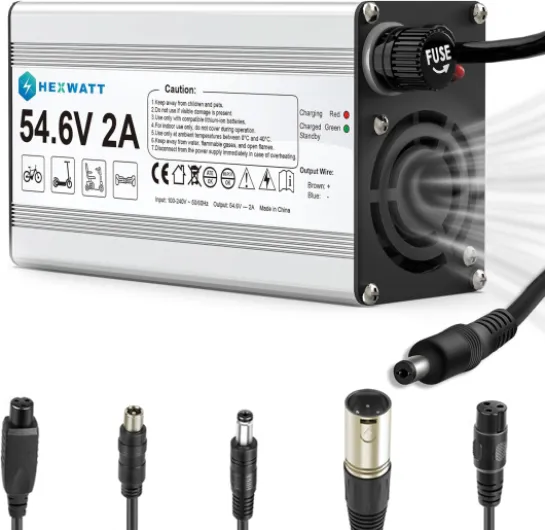
- Universal Fit and Connector Options: Some chargers are universal, with multiple connector types or adapters. This is helpful if you have more than one ebike or scooter, or if you plan to upgrade your battery pack in the future.
- Safety Certifications: Look for chargers with certifications like CE, UL, or FCC. These indicate the product has passed safety and quality tests. A charger with these marks is less likely to overheat or fail.
- Build Quality and Cooling: A good charger will have a sturdy case, quality cables, and sometimes a cooling fan. These features help it last longer and work safely, especially if you charge high-capacity batteries.
- Clear Indicators: LED lights or displays showing charging status, voltage, and current are very useful. They let you know when your battery is charging, full, or if there’s a problem.
- Reviews and Ratings: Check user reviews and star ratings on sites like Amazon. Look for feedback on reliability, build quality, and customer service. Products with consistently high stars and positive comments are usually a safer bet.
- Price and Warranty: While a low price can be tempting, very cheap chargers may cut corners on safety or durability. Compare the price to features, and look for a warranty or return policy. Sometimes, a higher price means better quality and peace of mind.
Quick Comparison Table
| Feature | Why It Matters |
|---|---|
| Voltage/Current Match | Prevents battery damage, ensures efficient charging |
| Smart Charger | Extends battery life, improves safety |
| Universal Connector | Works with multiple bikes or battery packs |
| Safety Certification | Reduces risk of fire or malfunction |
| Warranty | Protects your investment |
Choosing a charger with these features helps protect your lithium ion batteries, ensures your ebike or electric scooter is always ready to ride, and gives you peace of mind. Remember, a quality charger is as important as the battery itself for long-term performance and safety.