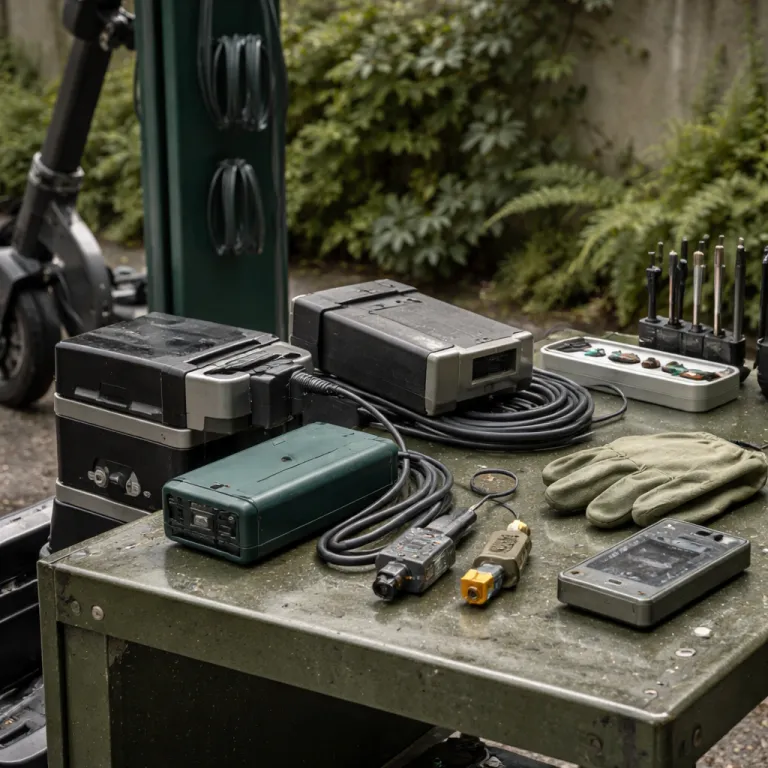
Why electric scooter charger replacement is riskier than it looks
Most riders treat an electric scooter charger replacement like buying a spare phone brick. Yet the charger that feeds your lithium battery pack quietly decides how long your scooter battery stays healthy, how far you ride, and how often you pay the regular price for a new pack. A cheap replacement charger can turn a fun weekend electric scooter into a short range headache in a single season.
Inside every modern electric scooter, from a Segway Ninebot Max G30 to a Xiaomi Pro 2 or a GoTrax XR Ultra, a smart Battery Management System (BMS) watches the lithium battery cells. That BMS expects a specific battery charger profile, with a defined voltage ceiling, current limit, and a tapering phase before shutoff, and it assumes the scooter charger is speaking the same electrical language. When you plug in random chargers bought at a tempting sale price, you gamble that the BMS can compensate for sloppy output instead of slowly cooking cells one battery cell at a time.
The danger is subtle because the scooter still turns on and the electric scooters still roll. A charger that sits 1 or 2 volts above spec does not explode anything on day one, but it nudges each lithium battery cell closer to its stress limit every night. For example, a typical 36 V scooter pack is fully charged at about 42 V, while a 48 V pack tops out near 54.6 V; creeping above those limits accelerates wear. In lab tests published by Battery University and cell makers such as Panasonic, charging a lithium-ion pack just 0.1 V per cell above its recommended maximum can cut cycle life by 20–30 percent, and a 0.2 V per cell overcharge can halve it. Six months later, your pocket range test on a familiar dirt path or paved bike trail feels shorter, and the regular price of a replacement pack suddenly matters more than the bargain sale you once paid for that off brand product.
How the right charger talks to your scooter’s BMS
A good electric scooter charger replacement does more than push current into batteries. It performs a quiet handshake with the scooter battery through the BMS, matching voltage, limiting amperage, and tapering off as the pack nears full, which is why the correct battery chargers feel barely warm at the end of a session. When that dialogue fails, you see longer charge times, hotter chargers, and sometimes cryptic error codes on the scooter display.
Most mainstream electric scooters use simple two prong or three prong XLR style connectors, but the plug shape hides very different expectations. A Segway or Xiaomi battery charger is tuned to a specific pack voltage and maximum current, while a random bicycle charger or generic power brick from an electric bicycle listing might share the same connector yet be far from compatible. When you shop for a replacement, match voltage first, then current, then connector type, and treat any mismatch as a red flag rather than a minor detail.
Think of the BMS as a traffic cop for lithium batteries, not a miracle worker. It can cut off a truly dangerous charger, but it cannot fully protect against chronic overvoltage or a fast charger that keeps pushing hard current into a nearly full pack. Industry references such as Battery University and manufacturer datasheets for 36 V and 48 V packs consistently warn that repeated charging above the recommended maximum voltage shortens cycle life. For example, IEC 62133 and UL 2271 testing protocols limit charge voltage to roughly 4.20 V per cell and specify that packs should not exceed a 1 C charge rate in normal use, which is why a 10 Ah scooter battery is typically paired with a 1.5–2 A charger rather than a 5 A unit. If you want a deeper dive into how a charger for an electric bicycle or scooter should behave, a guide on choosing the right e-bicycle charger for your electric scooter explains why matching specifications beats chasing the lowest sale price every time.
Fast chargers, regular chargers, and the hidden cost to battery life
Standard electric scooter chargers usually deliver around 1.5 to 2 amperes, which is gentle on lithium cells. Fast chargers push 4 to 5 amperes or more, cutting charge time in half but raising heat, and heat is what quietly shortens the lifespan of lithium batteries in scooters, bikes, and even pocket sized gadgets. For a casual weekend rider, shaving an hour off charging rarely offsets the long term cost of degraded lithium battery packs.
Manufacturers design each scooter battery with a specific C rate in mind, which is the safe charge current relative to capacity. A pro electric performance scooter might tolerate a higher rate, while a budget Jetson or Razor style electric scooter pack is happier with a regular charger that takes its time, especially in a warm garage. The ideal charging temperature range sits roughly between 15 and 35 degrees Celsius, and charging outside that window with a hot fast charger is a recipe for swelling cells and reduced range; Battery University case studies show that storing or charging lithium-ion packs at 40 °C can cut usable capacity by more than a third within a year, and IEC guidance on lithium-ion charging highlights temperature and current as key stress factors.
There is a smarter compromise than always going full speed or painfully slow. Use a regular price standard charger for everyday top ups to around 80 or 90 percent, then every month or two run a full 20 to 100 percent cycle so the BMS can rebalance cells, whether the pack lives in scooters, an electric bicycle, or a compact dirt bike style toy. For more context on how these strategies translate between scooter and bike packs, a detailed explainer on choosing the right charger for your electric bike shows why gentle habits often beat any fancy new charger product.
The Amazon charger gamble: price, compatibility, and silent damage
Scroll through any marketplace and you will see pages of chargers claiming to fit every electric scooter, bike, and toy. Listings promise compatibility with Razor scooters, Jetson scooters, generic dirt bike models, and even electric bicycle packs, often at a sale price that undercuts the official charger by half, which tempts riders who only glance at voltage and connector shape. The problem is that many of these chargers share the same shell but hide wildly different internals, from loose voltage regulation to missing safety certifications.
In testing, the safest third party battery charger units are the ones that publish full specifications, including exact output voltage, current, and protections, and that clearly state which scooter battery systems they are compatible with. For example, a well documented 42 V, 2 A charger might list “Segway Ninebot Max G30, Xiaomi M365/Pro/Pro 2, GoTrax GXL V2, GoTrax XR Ultra” on the label or in the manual, while a no name power brick that only lists a vague voltage range and a universal prong XLR connector is asking you to trust your lithium battery pack to guesswork, whether it sits in electric scooters, a compact pocket bike, or a folding bicycle. When you factor in the regular price of a replacement pack, the tiny regular price difference between a vetted charger and a mystery import looks less like savings and more like a slow motion loss.
There is also the issue of support when something goes wrong. Official Segway, Xiaomi, or GoTrax chargers usually come with clear documentation and a path to warranty service, while many marketplace chargers vanish from sale before your second season of riding. If you want to understand how a well specified bicycle charger should be documented and supported, a technical article on how an electric bike LCD display transforms your ride experience shows the same pattern of transparent specifications that you should demand from any charger product you bring near your batteries.
Real world signs your charger is helping or hurting your scooter
Riders often ask how to tell whether an electric scooter charger replacement is safe without a lab bench. Start with touch and time, because a healthy charger for lithium batteries runs warm but not hot, and it finishes within the same window as the original unit, while a failing charger either drags on for hours or cuts off too soon. If your scooter battery or the deck above it feels noticeably hotter than usual after charging, that is a warning sign, not a quirk.
Watch for behavior changes across your scooters, bikes, and other electric toys that share chargers. A once reliable Razor style dirt bike that suddenly loses power on hills, or a Jetson commuter scooter that drops from full to half in a few kilometers, may be telling you that the replacement charger is overcharging or undercharging cells. When multiple lithium battery packs charged on the same brick all show similar early fade, the charger is the common suspect, not the individual product.
Social proof can mislead here, because glowing comments on Facebook, Instagram, YouTube, or any Instagram YouTube review channel rarely track long term cell health. A charger that looks good in an unboxing video and boasts a flashy sale price might still push a slightly high voltage that erodes capacity over dozens of cycles, and you will not see that in a weekend test. Treat your charging setup with the same seriousness you give to brakes or tires, because the right battery chargers quietly extend the life of every scooter, bicycle, or pocket dirt toy you plug into them, while the wrong ones slowly kill your battery and send you back to paying the full regular price sooner than you planned.
FAQ
How do I choose a safe electric scooter charger replacement for my model ?
Use a simple checklist: (1) match the output voltage exactly to your original charger (for example, 42 V for a 36 V pack or 54.6 V for a 48 V pack), (2) choose an equal or slightly lower current rating, and (3) confirm the connector type, whether it is a barrel plug or a three prong XLR style. Check that the replacement is explicitly listed as compatible with your scooter battery model, such as “Segway Ninebot Max G30” or “Xiaomi Pro 2,” not just with generic electric scooters. Finally, look for documented safety certifications such as UL, CE, or IEC marks and avoid chargers that only advertise a low price without clear specifications.
Is a fast charger worth it for a casual weekend rider ?
For most weekend riders, a regular charger that takes a few hours is kinder to lithium batteries than a fast charger that finishes in half the time. Higher current means more heat, especially if you charge in a warm garage, and that heat shortens the lifespan of lithium battery packs in scooters and bikes. Unless you routinely need a full charge on short notice, stick with standard chargers to preserve range over the long term.
Can I use one charger for both my electric scooter and my electric bicycle ?
You can only share a charger between an electric scooter and an electric bicycle if the voltage, current rating, and connector type all match the requirements of both packs. Even when the plug fits, a mismatch in voltage or charging profile can slowly damage one of the batteries. Treat each pack as a separate product and only use a shared bicycle charger when the manufacturer confirms full compatibility.
What are the warning signs that my charger is damaging the battery ?
Warning signs include the charger or deck becoming unusually hot, charge times that grow longer or shorter than normal, and a noticeable drop in range after only a few months of use. Some scooters will also show BMS or charging error codes when a replacement charger behaves outside expected limits. If multiple scooters or bikes charged on the same brick all start losing range early, replace the charger before you pay the regular price for new packs.
How full should I charge my scooter battery for best longevity ?
Charging daily to around 80 or 90 percent and avoiding long periods at 100 percent helps extend the life of lithium batteries. Every month or two, run a full cycle from roughly 20 to 100 percent so the BMS can rebalance cells accurately. This approach works well for scooter battery packs, electric bicycle packs, and even small dirt bike style toys that share similar lithium chemistry.