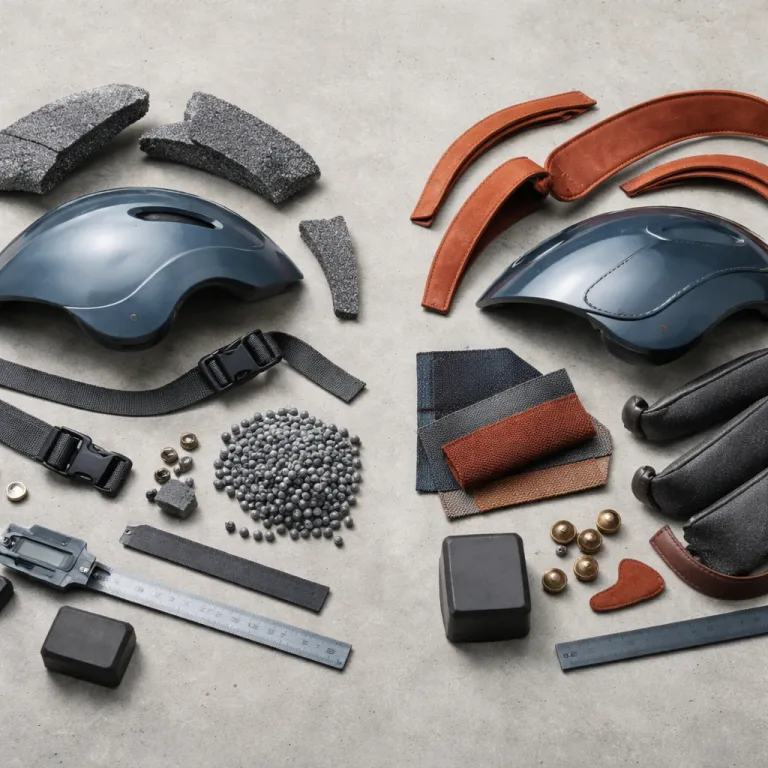

Why an electric scooter helmet matters more than the scooter itself
A fall from an electric scooter at 20 km/h hits like a low speed car crash. At those speeds, a properly certified electric scooter helmet turns a skull fracture into a bad day and a shaken rider, because the foam liner sacrifices itself to absorb impact energy. That is why the most important product in your child’s scooter setup is not the scooter itself but the helmet that stands between their brain and the asphalt.
For parents, the politics of helmet laws feel abstract while the physics are brutally concrete. A CPSC certified helmet or an EN 1078 certified bike helmet is tested with drop heights and impact speeds that mirror real scooter crashes, and the test rig measures how much force actually reaches a metal headform inside. Without that certification, a stylish matte black shell labeled as a skate accessory might look tough yet behave like décor when a youth rider hits a curb at 18 km/h on an electric scooter.
Think about the numbers that matter rather than the marketing slogans. CPSC and similar standards specify the maximum g forces allowed during impact, the strap retention strength, and the coverage area over the temples and the back of the head. When you compare helmets designed for electric scooters, skate parks, and bicycles, you want to see a clear certification mark, a model number you can look up, and a price product balance that favors safety testing over fashion branding.
Parents often ask whether a scooter helmet must be different from a bike helmet or from classic skate helmets. For speeds up to about 20 km/h on smooth paths, a certified multi sport helmet that meets the right standard can safely cover bike, skate, and scooter use, provided the fit is correct. Once your child rides faster electric scooters or shares roads with cars, you should treat the helmet like motorcycle gear and consider more coverage, more structure, and more visible light features.
One more hard truth about electric scooter helmets for youth riders. The global market is full of helmets labeled for electric, skate, and bike use that never mention any independent certification, and those products rely on vague language like impact resistant or shock absorbing instead of naming a standard. When you see that kind of helmet adults marketing, assume you are paying for style and a logo rather than for tested protection, no matter how premium the price looks on the box.
Understanding certification, standards and real protection
Every electric scooter helmet you consider should start with one question, which certification does it carry. In North America, you want to see CPSC for bicycle helmets and multi sport models, while in Europe EN 1078 covers bike helmets, skate helmets, and scooter helmets used at typical urban speeds. For riders in Canada or Australia, look for CSA or AS NZS 2063 markings, because those labels show that the helmet passed drop tests, strap tests, and coverage checks under a recognized standard.
Here is what that certification actually means in practice. Testers drop a helmeted metal headform from a defined height onto steel and anvil surfaces, then measure the peak acceleration that passes through the shell and foam, and a certified product must keep that number below a strict threshold to earn its mark. They also yank on the straps to ensure the helmet stays on during a violent tumble, and they check that the shell covers the forehead, sides, and back enough to protect common impact zones for electric scooter and bike crashes.
Parents choosing a scooter helmet for a first electric scooter often get distracted by vents, colors, and integrated helmet light features. Those details matter for comfort and visibility, but they come after certification, fit, and coverage, because a poorly fitting matte black helmet with a bright helmet led strip still fails if it rotates off during a fall. When you compare price product options online, filter first by certified models, then by size range, then by features like usb rechargeable led light strips or smart helmets connectivity.
Children’s heads are not just smaller versions of adult heads. Youth helmets designed for ages 6 to 14 use different shell shapes and thicker padding to match rounder skulls, and an adult open face bike helmet will often sit too high, leaving the forehead exposed. For a deeper dive into sizing and age specific fit, parents can read this detailed guide on choosing the right toddler helmet for electric scooter safety, then apply the same principles as their kids graduate to faster scooters.
One more nuance about certification labels and global availability. Some helmets sold in Canada or imported from overseas list multiple standards, such as CPSC, EN 1078, and AS NZS 2063, and that multi region certification can be reassuring when you buy from international retailers that offer worldwide delivery. Still, always inspect the inside of the helmet for a clear sticker with the standard name, the model number, and the manufacturing date, because a missing or smudged label is a red flag that this particular helmet scooter product might not be what the website promised.
Choosing between full face, open face and skate style helmets
Once you have narrowed your search to certified models, the next decision is coverage. For most city commutes on electric scooters at 15 to 20 km/h, a classic open face bike helmet or a low profile skate style scooter helmet offers a good balance of protection, ventilation, and weight. These helmets designed for multi sport use wrap around the back of the head, sit low on the forehead, and often include mounts for a helmet light or a clip on led light for night riding.
Full face helmets enter the conversation when speeds climb or terrain gets rough. If your teenager rides a powerful electric scooter that can exceed 25 km/h or uses off road paths with loose gravel, a certified full face helmet with a chin bar protects the jaw, teeth, and face from direct impact, and that extra structure can be the difference between a concussion and reconstructive surgery. The trade off is weight, bulk, and heat, so many parents reserve full face models for higher risk rides while keeping lighter bike helmets or skate helmets for slower neighborhood trips.
Skate style helmets have become the default look for youth electric scooter riders. Their round shells and small brims feel familiar from skate parks, and many brands now offer matte black, bright neon, and patterned designs that appeal to kids while still meeting bike and skate certification standards. When you compare these to more traditional bicycle helmets, focus on coverage over the temples and the back of the head, then check whether the product integrates helmet led strips, usb rechargeable helmet light modules, or even smart helmets features like brake activated led light arrays.
Visibility is where modern scooter helmets quietly leap ahead of older designs. Some helmet adults models now include integrated turn signals controlled by a bar mounted remote, which can make lane changes on shared bike and scooter paths far clearer to drivers behind you. For a broader look at how adding turn indicators to two wheel vehicles changes city riding, see this analysis of why adding turn signals to your bike is changing urban mobility, then decide whether a helmet led system or a separate bar mounted unit fits your child’s scooter best.
Parents sometimes worry that a full face helmet will encourage risky behavior because it feels more like motorcycle gear. In practice, the opposite often happens, as the snug fit and limited peripheral view remind youth riders that they are operating something more serious than a toy, especially on powerful electric scooters. The key is to match the helmet type to the scooter’s top speed, the route’s traffic mix, and your child’s maturity, rather than to chase the most aggressive looking product on the shelf.
Fit, comfort and visibility for youth and adult riders
A perfectly certified electric scooter helmet still fails if it does not fit. The shell should sit level on the head, low enough that the front edge rests about two finger widths above the eyebrows, and the side straps should form a clean V shape around each ear without twisting. When your child opens their mouth wide, the chin strap on a correctly adjusted scooter helmet will tug the helmet down slightly, showing that the system will stay put during a crash.
Comfort is not a luxury for youth riders, it is a safety feature. A heavy or poorly ventilated bike helmet will migrate to the handlebars or the backpack after ten minutes, while a well padded, lightweight scooter helmet disappears from attention and stays on for the entire ride. Look for helmets designed with multiple shell sizes rather than a single one size fits all product, then fine tune the fit using the rear dial adjuster and the included pad set so that the helmet adults models can adapt to growing heads over several school years.
Visibility deserves the same attention as impact protection. At minimum, your child’s electric scooter should have a white front light, a red rear light, and side reflectors, but adding a helmet light or a helmet led strip raises the rider’s visibility above car hoods and parked vehicles. Many modern smart helmets integrate usb rechargeable led light arrays with steady and flashing modes, and some even sync with the scooter’s brakes or include wireless turn signals that mirror the scooter’s own indicators.
Color choices are not just about style, especially in low light conditions. A matte black shell looks sleek on both bike helmets and skate helmets, yet it disappears against night streets and dark clothing, so pairing it with bright reflective decals or a powerful helmet light becomes essential. For younger children, consider high visibility colors or patterns that stand out in a driver’s peripheral view, then layer on led light accessories to keep them visible during early morning school runs and late afternoon rides home.
Parents buying in Canada or ordering from global retailers should also think about practical details like shipping and returns. A helmet that arrives with damaged foam, a misaligned shell, or missing pads should go straight back, no matter how attractive the price or how fast the delivery looked on the website. When in doubt between two sizes, choose the smaller shell if it passes the shake test without the strap fastened, because extra padding can fine tune a snug fit while no amount of adjustment can safely shrink an oversized helmet scooter model.
Budget, value and what parents should actually buy
Price is where many parents hesitate, torn between cheap helmets and premium designs. The good news is that a certified electric scooter helmet in the 30 to 60 euro range can offer the same impact protection as a 200 euro designer model, because both must pass the same standard tests to earn their certification marks. What you usually pay extra for at the top end are features like integrated led light systems, magnetic buckles, or smart helmets connectivity rather than a fundamentally safer shell.
When you compare price product options, start by listing your non negotiables. For a first youth electric scooter, that list might include a CPSC or EN 1078 certified shell, a size that fits now with room for growth, and at least one bright rear led light either on the helmet or the scooter itself. After that, you can decide whether to spend more on usb rechargeable helmet light modules, built in turn signals, or matching sets of bike helmets and skate helmets for siblings who share both scooters and bikes.
Parents of younger children often pair an electric scooter with training accessories. If your family is still in the transition from ride on toys to real electric scooters, it can be helpful to read hands on reviews of stability aids such as training wheels for youth scooters, then choose a helmet that matches the expected speed and risk level. Even at low speeds, a properly fitted scooter helmet or bike helmet protects against falls onto curbs, driveways, and playground surfaces that can still cause serious head injuries.
For families who ride together, buying multiple helmets at once can reveal patterns. You might choose a matte black open face helmet adults model with a subtle helmet led strip for yourself, a brighter youth scooter helmet with bold graphics for your child, and a compact skate style helmet for an older sibling who splits time between skate parks and electric scooters. In each case, the priority remains the same, a certified product with a clear standard label, a secure fit, and enough light and reflectivity to stand out in traffic.
Finally, remember that helmets have a lifespan. After any significant impact, whether from a crash or a hard drop onto concrete, the internal foam can be compromised even if the outer shell looks fine, and that helmet should be replaced rather than trusted again. Most manufacturers recommend replacing bicycle helmets, scooter helmets, and skate helmets every five to ten years depending on use and storage conditions, so keep an eye on the manufacturing date and treat a helmet as safety equipment with an expiration, not as a permanent accessory.
FAQ
Do I really need a different helmet for an electric scooter than for a bike ?
For speeds up to about 20 km/h, a certified bike helmet or multi sport skate style helmet that meets CPSC or EN 1078 can safely serve as an electric scooter helmet. The key is that the helmet is certified, fits correctly, and offers good coverage over the temples and back of the head. If the scooter regularly exceeds 25 km/h or is used in traffic, consider a model with more coverage, such as a robust open face or full face design.
What certifications should I look for on a kids’ scooter helmet ?
Parents should look for CPSC certification in the United States, EN 1078 in Europe, and CSA or AS NZS 2063 in Canada and Australia. These standards specify impact tests, strap strength, and coverage requirements that match typical bicycle and electric scooter crashes. Any youth helmet that lacks a clear certification label inside the shell should be avoided, regardless of its style or marketing claims.
How tight should an electric scooter helmet fit on a child ?
A child’s helmet should feel snug all around without causing pressure points. When the chin strap is unbuckled, the helmet should stay in place during a gentle shake test, and when the strap is fastened, your child should be able to open their mouth comfortably while feeling the helmet tug down slightly. If the helmet can be pushed back to expose the forehead or slides over the eyes, it is either too large or poorly adjusted.
Are built in lights and turn signals on helmets worth paying for ?
Integrated helmet lights and turn signals can significantly improve visibility, especially in urban traffic where riders are often at car bumper height. A usb rechargeable led light system on the helmet raises the rider’s position in drivers’ sightlines and can complement the scooter’s own lights. These features are most valuable for early morning, evening, or winter riding, but they should come after certification and fit in your priority list.
When should I replace my child’s electric scooter helmet ?
You should replace a helmet immediately after any crash where the head hits the ground, even if the outer shell looks intact. Over time, exposure to sun, sweat, and temperature changes can also degrade the foam, so most experts recommend replacing bicycle helmets, scooter helmets, and skate helmets every five to ten years depending on use. If your child outgrows the helmet before that, move to the next size rather than loosening straps to make an undersized shell last longer.