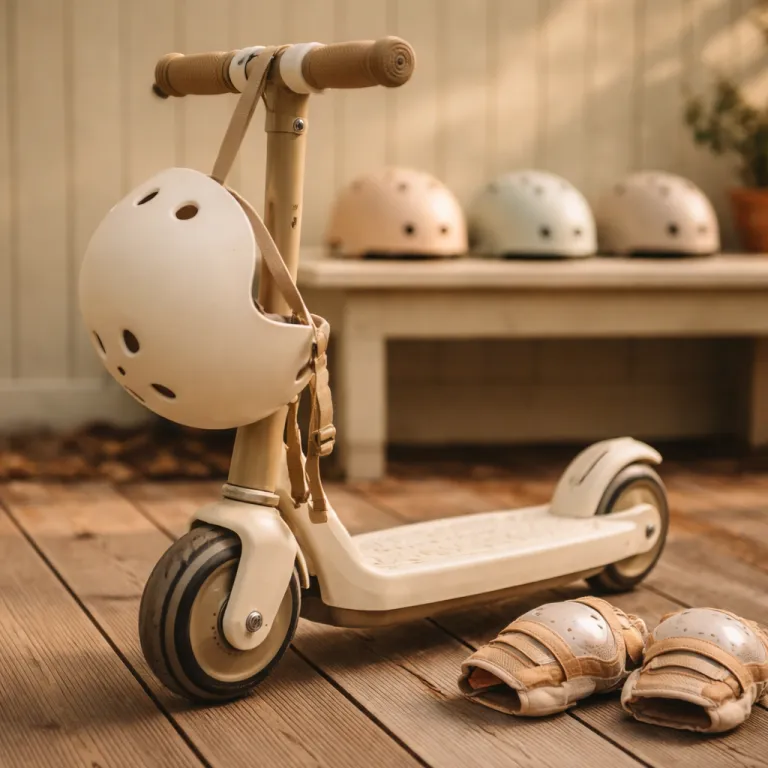
Age, skills and when an electric scooter for kids makes sense
Parents usually start looking at an electric scooter for kids once a basic kick scooter feels too easy. At that point, the real question is not only the child’s age but their coordination, impulse control and where they will ride, because a small mistake at 10 mph on hard pavement feels very different from a wobble on grass at walking speed. Think about your own child’s balance on regular scooters, their ability to respect rules and how crowded your pavements or bike paths are before you even compare price or brand.
For kids ages four to seven, a classic kick scooter or very low power kids electric model is still mainly a balance trainer, not transportation. You want a maximum speed of around 5 mph, a low deck height and big stable wheels so the scooter stays predictable when they hit a crack or a twig, and you also want an anti slip deck surface that works even when shoes are dusty. At this stage, a hand brake is optional but a simple rear fender brake that they can easily reach with one foot helps them learn how stopping feels before they manage more complex electric scooters.
Between eight and ten, many kids start asking for a “real” electric scooter and see older friends zipping along at higher speed. Here, the safest choice is a kids scooter with kick to start, a capped top speed between 8 and 10 mph and at least two braking systems, for example an electronic brake on the front wheel plus a mechanical rear hand brake. Parents should also check total weight in pounds (lb), because a scooter that is too heavy for a child to pick up or push at walking pace becomes a liability when the battery dies far from home.
- Under 8 years: treat any motor as a gentle assist, not transport.
- 8–10 years: prioritise capped speed, light weight and simple controls.
- 11+ years: focus on stronger brakes and frame strength before extra power.
Key safety standards, brakes and why UL2272 is non negotiable
Once you know your child is ready, the next filter for any electric scooter for kids is safety certification. UL2272 is a widely used electrical safety standard that tests the battery pack, wiring and control system to reduce fire and overheating risks, and you should treat this label as a gatekeeper rather than a nice bonus when you compare scooters kids on any retailer page. The standard includes vibration, impact and overcharge testing on the complete electrical system, not just the battery cells, which is why many fire departments now recommend choosing only UL2272 compliant devices.
Braking deserves the same level of scrutiny as the battery, because most falls on kids electric models happen when a child cannot stop smoothly in time. On dry pavement, a child travelling at 10 mph typically needs around 10 to 15 feet to come to a controlled stop, and that distance increases on wet or dusty surfaces. A good kids scooter for urban pavements combines an electronic brake that slows the front wheel when the throttle is released with a physical rear hand brake or foot brake that still works if the electronics fail, and the lever reach on the handlebar must suit small hands.
Some brands now add app based parental controls that let you cap speed, limit daily ride time and even lock the motor when the scooter is parked. Segway’s kids electric range and several Hiboy models, including the Hiboy Lite line, use Bluetooth links to a phone so you can set a beginner mode before handing over the scooter keys, while physical toggles on the deck are easier for kids to bypass. If you are also considering a seated model for an older sibling, it is worth reading a detailed seated electric scooter ride time review such as the one on a 40 minute twist grip model, because the same braking and battery principles apply even when the frame looks very different.
- Confirm UL2272 or equivalent electrical safety testing.
- Check for at least two independent ways to slow down.
- Make sure your child can comfortably reach and operate the levers.
Matching speed, wheel size and height adjustable parts to kids ages
Speed, wheel size and fit matter more than flashy led light strips when you choose an electric scooter for kids. For ages four to seven, small 5 to 6 inch wheels and a very low deck keep the center of gravity close to the ground, while an adjustable handlebar lets the scooter grow with a child who may gain several inches of height in a single year. In this range, a simple kick scooter with a tiny hub motor that only assists after a few pushes teaches throttle control without turning every ride into a race.
From eight to ten, look for a kids electric scooter with 6 to 8 inch wheels and a top speed of around 10 mph, because that is fast enough to feel exciting but still slow enough for quick stops on pavements. A height adjustable stem is crucial, since many scooters on amazon and other marketplaces ship with fixed bars that sit either at chest level or too low for taller kids, and both extremes reduce steering control. When you read specifications, compare the minimum and maximum adjustable height of the handlebar to your child’s shoulder height, aiming for grips that sit roughly at the mid torso.
By eleven to fourteen, some children are physically tall enough for small adult scooters but still lack the judgment for 25 mph traffic speeds. Here, a robust electric scooter with 8 to 10 inch wheels, a rated load around 150 lb and dual brakes makes more sense than a flimsy toy, yet you should still avoid models that exceed 15 mph. If you want to understand how adult level frames behave before putting a teenager on one, a technical test of a 350 W to 500 W commuter scooter with 19 to 22 mph capability and dual suspension can show how much extra power and speed change stopping distances and handling.
| Age range | Typical wheel size | Recommended top speed |
|---|---|---|
| 4–7 years | 5–6 inch | Up to about 5 mph |
| 8–10 years | 6–8 inch | About 8–10 mph |
| 11–14 years | 8–10 inch | About 12–15 mph |
Brands, prices and what “best” really means for a family scooter
Parents shopping for an electric scooter for kids quickly notice that every listing claims to be the best choice. In reality, the right scooter depends on your child’s size, your pavements and how much maintenance you are willing to do, so the best option for a light eight year old on smooth suburban paths is not the same as for a heavier twelve year old on rough city pavements. Think of each scooter as a bundle of trade offs between speed, weight, ride time and long term durability rather than a simple star rating.
GoTrax has built a reputation for solid entry level kids electric scooters with realistic specifications and honest range claims, especially for kids ages eight to twelve who want around 10 mph and 40 minutes of ride time. A typical GoTrax kids scooter uses 6 inch wheels, a simple rear foot brake plus an electronic front brake and a deck with anti slip grip tape, and the total weight often stays under 20 lb so children can carry it up a few stairs. Hiboy, by contrast, pushes slightly higher performance in models like the Hiboy Lite, which adds brighter led light strips and sometimes a stronger motor, but that extra speed and power only makes sense if your child already has good throttle discipline.
When you compare price on amazon or in a local shop, ignore inflated regular price claims and focus on the actual sale price, the warranty and the availability of spare parts. A scooter with a modest regular price but a replaceable battery, standard size wheels and a common hand brake design will usually outlast a flashy bargain that becomes unrepairable after one season. For very young riders or those with balance challenges, three wheel electric mobility scooters can offer a smoother and more stable smooth ride, and guides to why a 3 wheel electric mobility scooter can be your best choice explain how that extra wheel changes stability in everyday use.
- Compare real weight, not just motor watts or marketing range.
- Check that tyres, tubes and brake pads are easy to replace.
- Balance fun extras like leds against core safety features.
Practical buying checklist and how to read real world specs
By the time you are ready to buy an electric scooter for kids, the spec sheets can start to blur together. A clear checklist helps you cut through the noise and match a scooter kids model to your actual child rather than an idealised marketing profile, and it also keeps you from overpaying for led effects or folding tricks that add little to safety. Start with three basics for any kids scooter purchase, regardless of brand or retailer.
First, confirm the scooter weight in pounds and compare it to what your child can comfortably lift, because they will eventually need to push or carry it when the battery runs flat. Second, check that the handlebar is truly adjustable height or at least height adjustable across a useful range, not just a token two centimetre change that leaves the grips too low or too high as kids grow. Third, look closely at the deck surface, the presence of an anti slip layer and the quality of any led light or front light, since being seen at dusk matters as much as seeing the pavement ahead.
After that, look at the stated ride time and top speed, then mentally reduce both by a quarter to approximate real world use with hills, wind and frequent stops. Compare regular price and sale price only after you have filtered for UL2272 certification, dual brakes and appropriate wheel size, because a cheap uncertified electric scooter can cost more in risk than it saves in money. Finally, remember that a well chosen kids electric scooter is not about chasing the highest numbers but about giving your child a smooth ride that fits their skills today and leaves room for safe growth tomorrow.
- Match claimed range to your typical family routes.
- Plan where the scooter will be stored and charged safely.
- Recheck local rules on where children may ride powered scooters.
FAQ
What is a safe top speed for an electric scooter for kids ?
For kids ages four to seven, a safe electric scooter speed is around 5 mph, which feels brisk but still manageable on pavements. Between eight and ten, many experts recommend capping speed at 8 to 10 mph, especially in busy neighbourhoods. Older kids up to fourteen can handle 12 to 15 mph if they ride on bike paths, wear helmets and use scooters with strong brakes and anti slip decks.
How do I choose the right scooter size and handlebar height ?
Measure your child’s height and aim for a handlebar that sits roughly at mid torso when they stand on the deck. A height adjustable or fully adjustable height stem lets the scooter grow with them, which is crucial during fast growth spurts. Always check the manufacturer’s recommended kids ages and maximum lb rating to be sure the frame and wheels can safely support your child.
Are led lights on kids electric scooters useful or just decoration ?
Led light strips along the deck or wheels do add fun, but their main safety value is visibility at dusk or in shaded areas. A front light that actually illuminates the pavement is more important than colourful side leds, especially for older kids who ride later in the day. When you compare models, prioritise a bright forward light and reflective details, then treat extra led effects as a bonus.
What safety gear should kids wear on an electric scooter ?
Every child on an electric scooter should wear a properly fitted helmet that meets local safety standards. For higher speed models or rough pavements, wrist guards and knee pads reduce the risk of scrapes and minor fractures when they fall. Closed toe shoes with good grip work better with an anti slip deck than sandals, especially in wet conditions.
Is a kick scooter still useful once my child has an electric model ?
A traditional kick scooter remains valuable even after a child gets a kids electric scooter, because it builds balance and leg strength without any motor assistance. Many families keep both, using the kick scooter for short local trips and the electric scooter for longer rides with parents. Switching between the two also reminds kids that they must still learn to control speed and braking with their own body, not just rely on a motor and a hand brake.