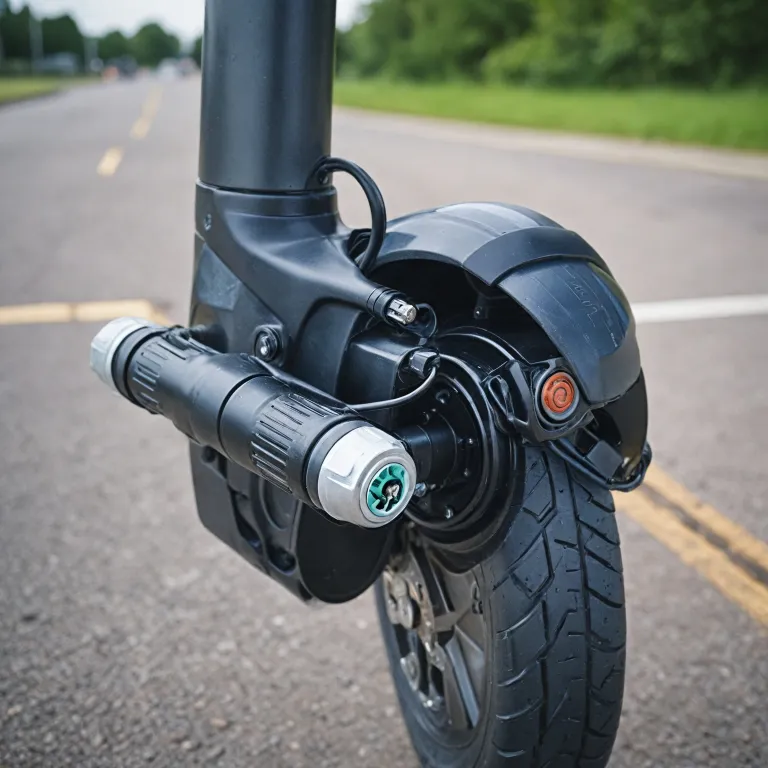

Why the female connector matters on electric scooters
The female connector on an electric scooter looks simple yet carries responsibility. It receives power connectors from the battery, charger, and controller, and it must ensure safe power connections under vibration and weather. When riders overlook this small connector, they risk sudden power loss and expensive damage.
Engineers design each connector as part of a system that must deliver high current without overheating. They match the connector pins, the wire gauge or AWG, and the voltage rating to the scooter’s motor and battery pack. When the female connector and male connector are poorly matched, even a short ride can stress electrical connectors beyond their limits.
On most scooters, the charging port uses low to medium voltage but can still carry high current during fast charging. That is why manufacturers often specify crimp terminals instead of solder for high density connectors that handle repeated mating and disconnect connectors cycles. A well chosen female connector with robust fittings and proper strain relief helps connectors ensure that power flows reliably on rough urban roads.
Materials also matter because a connector must resist corrosion from rain and road salt. Stainless steel shells, brass contacts, and stainless steel screws protect the connection and keep resistance low over time. When riders understand how female connectors and male connectors work together, they can spot wear early and avoid sudden failures.
In practice, every female connector on a scooter is part of a chain of connections. From the battery tube to the controller housing and onward to the motor, each connector, wire, and fitting must share compatible ratings. This holistic view of connectors, power, and gauge helps riders make informed maintenance decisions.
Key design features of female connectors for scooter reliability
Designers choose each female connector according to the scooter’s power profile. They consider the maximum voltage, the continuous current, and the peak surge during acceleration or regenerative braking. This analysis guides the selection of connector type, connector pins, and insulation materials.
For charging ports, many brands use circular electrical connectors with threaded steel or stainless steel locking rings. The thread keeps the mating pair secure while the rubber gasket around the tube shaped shell blocks water ingress. When riders plug in male connectors from chargers, the mechanical fitting must align smoothly to avoid bending pins.
Inside the scooter deck, compact high density connectors link the battery pack to the controller. These power connectors often use brass contacts plated for low resistance and long life under high current. Crimp terminals on the wire ends distribute stress evenly, which helps connectors ensure that vibration does not loosen the connection.
Wire gauge selection is another critical factor that affects both safety and performance. If the AWG is too small for the current, the wire and connector can overheat even when the voltage rating seems adequate. Matching the female connector, male connector, and wire gauge prevents hidden weak points in power connections.
Riders who perform their own maintenance should follow manufacturer diagrams when replacing connectors male or female. When in doubt, consulting a professional or a detailed guide on finding reliable repair services can prevent costly mistakes. A carefully selected female connector and compatible male connectors help ensure safe operation over thousands of kilometers.
Materials, corrosion resistance, and mechanical strength
The material of a female connector determines how it withstands daily use. Stainless steel shells resist rust when scooters are parked outdoors, while brass contacts maintain conductivity under repeated mating cycles. When combined with stainless steel screws and washers, these materials protect the integrity of power connections.
Some scooters use steel brackets or tube mounts to support heavy power connector assemblies. These fittings keep the connector aligned so that connectors male and female engage without side loading. Misaligned fittings can stress the thread or crack the plastic housing, which eventually compromises electrical connectors.
Corrosion is a silent enemy for both female connectors and male connectors on commuter scooters. Moisture creeps into poorly sealed connections, increasing resistance and reducing the ability to deliver high current to the motor. Over time, riders may notice weaker acceleration or intermittent power as oxidized connector pins struggle to carry voltage.
To mitigate this, manufacturers often specify stainless or plated brass for high current paths. They also use quick disconnect housings with gaskets that seal around the wire insulation and AWG sized conductors. These quick disconnect connectors allow technicians to service industrial equipment style components inside premium scooters without cutting wires.
Upgrades can further enhance durability for riders who push their scooters hard. When installing performance tires or following an advanced tire upgrade, it is wise to inspect every connector, fitting, and tube clamp nearby. Replacing a worn female connector with a robust stainless steel or brass design can extend the life of the entire power system.
Electrical ratings, AWG, and matching connectors to scooter power
Every female connector carries specific electrical ratings that must match the scooter’s design. These ratings include maximum voltage, continuous current, and sometimes short term surge capacity. Ignoring these limits can cause overheating at the connector pins long before the wire insulation shows damage.
Wire gauge or AWG is central to this matching process between connectors and power demands. A thicker wire with a lower AWG number can carry higher current without excessive heating, which is essential for high current motor phases. When a power connector is paired with undersized wire, the system may fail even if the connector itself is rated correctly.
Manufacturers often use different connector type families for low power signals and high current paths. Small high density connectors carry sensor data and throttle signals, while larger power connectors handle the main battery connections. This separation helps connectors ensure that noise from high current switching does not interfere with control signals.
In practice, a scooter may use several female connectors and male connectors along the battery and controller harness. Each connection must be rated for the highest voltage present anywhere in that part of the circuit. Riders who retrofit batteries or controllers should verify that every female connector and male connector in the chain can safely handle the new power level.
Routine inspection of electrical connectors is as important as checking tires or brakes. A maintenance checklist that includes cleaning, checking fittings, and confirming tight mating of connectors male and female can prevent roadside failures. Detailed guides on simple scooter maintenance for safer rides often highlight the role of connectors in overall reliability.
Safety, quick disconnects, and maintenance best practices
Safety around electric scooters begins with understanding how to handle power connections. Before working on any female connector or male connector, riders should disconnect the main battery and wait for capacitors to discharge. This simple habit reduces the risk of accidental short circuits at the connector pins.
Quick disconnect systems are widely used to simplify maintenance on scooters and industrial equipment. These connectors allow technicians to separate battery packs, controllers, and lighting harnesses without tools, which speeds up diagnostics. However, each quick disconnect must be rated to deliver high current safely and must lock firmly when mated.
Crimp terminals are preferred over solder joints in many high current applications. A properly executed crimp compresses the wire strands and terminal barrel to form a gas tight connection that resists vibration. When combined with strain relief and correct AWG selection, crimped electrical connectors can last for thousands of mating cycles.
Riders should periodically inspect all visible connectors, fittings, and tube mounted brackets for signs of wear. Look for discoloration, melted plastic, loose thread engagement, or corrosion on stainless or brass surfaces. Any female connector that shows damage should be replaced along with its corresponding male connectors to maintain balanced performance.
Good maintenance practice also includes checking that connectors ensure proper alignment and full insertion. Partial mating can increase resistance and heat, especially in high current power connections near the controller. By treating each female connector as a critical safety component, riders can extend the life of their scooters and reduce unexpected breakdowns.
Choosing and upgrading female connectors for demanding scooter use
Riders who modify their scooters for higher performance must reassess every connector in the power path. A stock female connector designed for moderate power may not handle upgraded batteries or controllers that deliver high current. Upgrading to robust power connectors with higher voltage and current ratings becomes essential.
When selecting replacement connectors, consider material, AWG compatibility, and mechanical design. Stainless steel or plated brass shells with secure thread locking provide strong resistance to vibration and environmental stress. Matching the connector type to existing fittings and tube mounts simplifies installation and reduces the chance of misalignment.
It is also important to choose connectors male and female from reputable families used in industrial equipment. These electrical connectors are tested for thousands of mating cycles, temperature extremes, and mechanical shock. Using such components as the main power connector can significantly improve long term reliability.
Upgrades should always maintain or improve safety margins rather than merely increasing power. That means selecting female connectors and male connectors whose ratings exceed the scooter’s maximum expected voltage and current. Riders should also ensure that wire gauge, crimp terminals, and insulation match these higher demands.
Finally, every new connection should be tested under load to confirm that connectors ensure stable performance. Monitoring temperature at the female connector and along the wire during a long climb can reveal hidden weaknesses. Thoughtful choices about connectors, fittings, and materials help electric scooters remain safe, efficient, and enjoyable for daily commuting.
Questions people also ask about female connectors on scooters
How does a female connector differ from a male connector on a scooter ?
A female connector contains recessed contacts that receive the exposed pins of a male connector. On scooters, the female connector is typically mounted on the frame or battery housing, while the male connector is attached to a cable or charger. This arrangement protects live contacts and helps ensure safe handling during everyday use.
Which AWG wire gauge should be used with scooter power connectors ?
The appropriate AWG depends on the scooter’s maximum continuous current and cable length. Manufacturers usually specify a minimum wire gauge for battery and motor connections, and riders should never downgrade to thinner wire. When upgrading components, it is safer to choose a lower AWG number that supports higher current with less heating.
Why are stainless steel and brass common materials in electrical connectors ?
Stainless steel offers excellent corrosion resistance and mechanical strength for shells, threads, and mounting hardware. Brass provides good electrical conductivity and is easy to plate, which improves contact performance and durability. Together, stainless steel and brass help connectors ensure reliable power delivery in harsh outdoor environments.
When should quick disconnect connectors be used on an electric scooter ?
Quick disconnect connectors are useful wherever components need regular removal, such as battery packs, lighting modules, or external accessories. They allow fast separation of connectors male and female without tools, which simplifies maintenance and transport. However, each quick disconnect must be rated for the scooter’s voltage and current to ensure safe operation.
Can riders replace scooter connectors themselves or should they visit a technician ?
Experienced riders with basic electrical skills can replace some connectors if they follow manufacturer specifications. They must choose compatible female connectors and male connectors, use correct crimp terminals, and verify AWG and ratings. When in doubt, consulting a qualified technician reduces the risk of unsafe power connections or voided warranties.