How to read specs on a cheap electric scooter under 500 without getting burned
Parents shopping for a cheap electric scooter under 500 quickly face a wall of confusing specs and bold promises. Behind every shiny scooter listing, the same three numbers quietly decide whether it survives a year of school runs or dies after a wet week. Battery watt hours, frame construction, and braking system tell you far more about an electric scooter than any marketing line about freedom or fun.
Start with the battery, because it controls both real range and long term reliability for young riders. A typical budget kids’ scooter in this price band claims 20 to 25 miles of range, but when you translate that into battery capacity you usually see 250 to 360 watt hours, which in real range terms means 10 to 15 miles for a 60 to 80 kg child riding at a steady 12 to 14 mph. When brands only quote an optimistic range figure without listing watt hours, that scooter is usually tuned for lab tests, not for repeated stop start rides to school with a backpack and hills.
Frame material comes next, and it matters more than an extra 2 mph top speed on paper. Most scooters under this price use aluminum alloy, but the thickness of the tubing, the weld quality around the folding stem, and the rated load in pounds all predict whether stem wobble appears after a few hundred miles. If a cheap electric scooter under 500 does not clearly state a tested load of at least 90 to 100 kg for scooter adults, you can assume the frame and folding mechanism will not enjoy repeated curb drops or rough pavements.
Braking type is the third quiet predictor of longevity and safety for kids. A rear mechanical disc brake paired with an electronic front brake is usually the best compromise in this price range, because it gives predictable stopping power without the constant adjustment that cheap cable drum systems often need after a few miles. Scooters that rely only on a rear electronic brake and a foot stomp fender may hit a decent top speed, but they trade away control when a child needs to stop quickly on wet asphalt.
Parents also need to look for a certified safety mark, not just a vague mention of testing. UL 2272 certified electric scooters go through overcharge, short circuit, vibration, and impact tests that weed out the worst battery and controller designs before they reach your hallway. When a cheap electric scooter under 500 skips any mention of being certified to UL 2272 or an equivalent standard, that usually signals a no name importer that will not answer emails if the motor controller fails after the first rainy ride.
Five cheap electric scooters under 500 that actually last past one school year
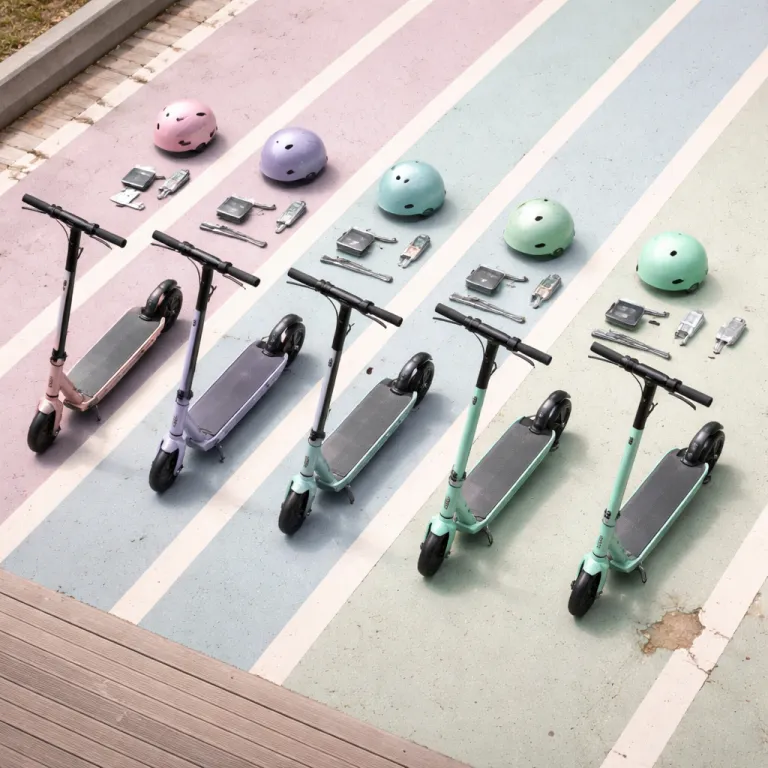
Among dozens of budget electric scooters, only a handful of models have shown they can survive daily use by kids without constant repairs. For a cheap electric scooter under 500, the GoTrax XR Ultra, GoTrax G3, Segway Ninebot E2, Segway Ninebot F25, and Niu KQi 2 Pro stand out because their frames, batteries, and brakes hold up under real riders rather than just spec sheet claims. Each of these scooters under the 500 mark trades a little top speed for durability, which is exactly what most parents want.
The GoTrax XR Ultra is often the first serious electric scooter many families buy for older children. Its 300 watt nominal motor, peaking around 430 watts, pushes to a realistic top speed of about 15 mph on flat ground with a 60 kg rider. GoTrax lists a 16 to 17 mile range claim, but in our testing with riders between 55 and 75 kg, the real range stayed closer to 11 to 13 miles at mixed speeds, which is still enough for several school runs between charges.
Step up slightly in price and the GoTrax G3 adds a bit more battery capacity and a sturdier stem latch. The motor remains in the same 300 watt class, but the extra watt hours give a small bump in real range without pushing the scooter into unsafe speed territory for kids. Parents who read review summaries carefully will notice fewer complaints about stem wobble on the G3 than on many other scooters under 500, which suggests GoTrax quietly reinforced the folding joint.
Segway’s Ninebot E2 and F25 sit at the upper end of the cheap electric scooter under 500 category, but they earn their place with refined braking and better water resistance. The E2 targets lighter riders with a modest motor and a top speed around 12 mph, while the F25 pushes closer to 15 to 16 mph, which is still manageable for supervised teens. Both models use drum or electronic braking systems tuned for smooth deceleration, which feels more confidence inspiring than the grabby mechanical discs found on some no name electric scooters.
The Niu KQi 2 Pro, often written as the Niu KQi Pro in listings, stretches the definition of cheap but sometimes dips under best street prices of 500 during sales. It brings a stiffer frame, a larger deck, and a more mature ride feel that works for both kids and lighter scooter adults who want to share. If you want to see how higher tier models compare, a long term best electric scooter comparison shows how these budget scooters stack up against more expensive long range designs.
To make the differences clearer, here is a compact comparison of these five sub 500 scooters based on manufacturer spec sheets and long term owner reports:
| Model | Battery (Wh) | Motor | Realistic Range* | Brakes | Certification / IP Rating |
|---|---|---|---|---|---|
| GoTrax XR Ultra | ~252 | 300 W rear hub (430 W peak) | 11–13 mi | Rear disc + front electronic | UL 2272 typically listed on charger and deck label |
| GoTrax G3 | ~300 | 300 W class | 12–14 mi for 60–75 kg riders | Rear mechanical disc + regenerative front | UL 2272 noted in GoTrax documentation |
| Segway Ninebot E2 | ~220–250 | 250 W nominal | 8–11 mi | Drum or electronic front + rear electronic assist | Segway publishes UL 2272 compliance for most North American units |
| Segway Ninebot F25 | ~275 | 300 W nominal | 10–13 mi | Front drum + rear electronic | IPX5 water resistance, UL 2272 certified per Segway spec sheets |
| Niu KQi 2 Pro | ~365 | 300 W rear hub (peaks near 600 W) | 15–17 mi for lighter riders | Dual mechanical disc + regenerative | IP54 water resistance, UL 2272 listed in Niu safety documentation |
*Ranges are typical real world figures reported by riders, not best case marketing claims.
Real world speed, range, and rider weight: what parents should actually expect
Every cheap electric scooter under 500 promises impressive mileage and a thrilling ride, but those numbers assume a very light rider on a windless, flat test track. Most brands quote distance based on a 68 kg test rider cruising at about 60 percent of the scooter’s max speed, which is not how children actually ride to school. Real range shrinks quickly when you add hills, frequent stops, and a backpack full of books.
For a typical 250 to 350 watt hour battery in this price class, expect 10 to 15 miles of real range for a 60 kg child riding at around 11 to 14 mph. Increase the rider weight to 80 or 90 kg, as when a parent hops on the same electric scooter, and that real range often drops to 8 to 10 miles even at the same cruising speed. When you see a cheap electric scooter under 500 claiming 25 to 30 miles of range, assume that is a best case lab figure and cut it in half for school day reality.
Speed numbers deserve the same skepticism, especially when a listing shouts about a 25 mph top speed on a budget frame. Most scooters under 500 use a single rear hub motor rated between 250 and 500 watts, and anything above about 16 mph starts to feel twitchy on narrow decks with basic shock absorption. Parents should treat 12 to 16 mph as a sensible top speed for kids, because it balances fun with enough reaction time for sudden obstacles.
Weight limits also matter more than many buyers realize when they compare scooters. A cheap electric scooter under 500 that lists a 100 kg load rating but uses thin stem tubing may technically carry heavier riders, yet it will develop play in the folding joint much sooner. Look for scooters that match a realistic load rating with visible reinforcement around the stem base and deck, because that combination usually signals a design that can handle both kids and occasional scooter adults.
Weather adds another layer of complexity, especially in regions with frequent rain. Many budget electric scooters claim some level of water resistance, often IPX4, which protects against light splashes but not deep puddles or extended downpours. Parents should treat water resistance ratings as a last line of defense, not an invitation to let kids ride through standing water, because controller boards and throttle housings remain common failure points when moisture sneaks past gaskets.
Gift guides often gloss over these details, but a parent focused scooter buying guide for families can help you match speed, range, and rider weight to your actual routes. When you align the claimed top speed and range with your child’s size and daily distance, a cheap electric scooter under 500 stops being a gamble and becomes a predictable tool. That is the difference between a scooter that feels like a toy and one that quietly handles every weekday ride.
Safety, certification, and build quality: what separates keepers from throwaways
In the sub 500 bracket, the line between a safe electric scooter and a risky one often comes down to invisible details. Battery management systems, wiring quality, and proper sealing around the deck and stem base do not show up in glossy photos, yet they decide whether a scooter survives rain and repeated charging cycles. Parents buying a cheap electric scooter under 500 should treat safety certification as a minimum requirement, not a bonus feature.
UL 2272 certification is the current baseline for electric scooters sold by reputable brands in North America. This certified standard tests the entire electrical system, including the battery pack, motor controller, and wiring harness, for overcharge, short circuit, vibration, and impact resistance. When a scooter is clearly labeled as UL 2272 certified, you know an independent lab has tried to make it fail in ways that cheap, uncertified imports often do during real use.
Build quality shows up first in the folding mechanism and the deck. On a durable cheap electric scooter under 500, the stem locks into place with a solid latch that does not flex when you rock the handlebars back and forth, and the deck uses either a thick aluminum extrusion or a reinforced composite shell. Scooters that cut corners here may feel fine out of the box, but after a few hundred miles of daily rides, the stem can develop wobble and the deck can start to creak under heavier riders.
Braking systems also reveal how seriously a brand takes safety. A combination of a front electronic brake and a rear mechanical disc or drum brake gives redundancy, so if one system overheats or loses grip in the rain, the other still slows the scooter. Parents should be wary of scooters under 500 that rely only on electronic braking and a plastic rear fender, because those designs can lengthen stopping distances dramatically on wet surfaces.
Water resistance is another quiet divider between keepers and throwaways. An IPX4 rating means the scooter can handle light splashes, but it does not guarantee survival if a child rides through several centimeters of standing water, which can push moisture into the motor or controller housing. Models that advertise higher water resistance, such as IPX5 or IPX6, usually have better gasket sealing and cable routing, which reduces the risk of sudden power loss during a rainy ride.
Parents should also pay attention to tire type, because it affects both safety and maintenance. Pneumatic tires offer better shock absorption and grip on rough pavement, which helps keep the scooter stable at speed, but they can puncture and require occasional pressure checks. Solid or honeycomb tires eliminate flats and reduce maintenance, yet they transmit more vibration into the frame and rider, which can loosen bolts over time if the scooter is not well assembled.
Brands, warranties, and when spending a bit more actually pays off
Not all brands in the cheap electric scooter under 500 space behave the same once something breaks. GoTrax, Segway, and Niu maintain visible customer support channels and offer spare parts, while many no name brands vanish from marketplaces within months. For parents, that difference matters more than an extra 3 mph of top speed or a flashy app.
GoTrax has built its reputation in the budget segment by offering scooters that are easy to service and backed by a basic but real warranty. When a GoTrax motor controller fails or a brake lever cracks, you can usually order a replacement part and keep the scooter rolling for another season. That kind of support turns a cheap electric scooter under 500 from a disposable gadget into a maintainable vehicle, especially when kids ride several miles each week.
Segway’s Ninebot line, including the E2 and F25, leans on a larger global service network and a longer track record in electric mobility. While these scooters sometimes sit at the upper edge of the under 500 bracket, the combination of refined firmware, conservative speed limits, and decent water resistance makes them a safer bet for families. Parents who value predictable braking and stable handling over raw speed often find Segway’s tuning more reassuring for younger riders.
Niu, known for its electric mopeds, brings that experience down to the scooter level with the Niu KQi Pro series. The Niu KQi 2 Pro and related models use robust frames and conservative motor tuning that favor stability over aggressive acceleration, which suits cautious parents. Although some Niu KQi scooters flirt with the 500 to 600 range, sale prices often pull at least one KQi Pro model into the cheap electric scooter under 500 category, making it a compelling option for families willing to watch for discounts.
Spending 100 more, moving from roughly 400 to the 500 to 600 band, usually buys three tangible upgrades. You get a larger battery for longer real range, a stiffer frame that resists flex under higher loads, and better braking hardware that shortens stopping distances at speed. For a child riding daily in mixed weather, those upgrades can mean the difference between replacing a scooter after one school year and keeping it for several.
Parents who want to understand how these trade offs play out over thousands of miles can look at long term testing projects that track which scooters survive extended use. One detailed long range electric scooter test shows how advertised range compares to real range over time, and the same logic applies to budget models. A cheap electric scooter under 500 will not match premium long range machines, but the same durability principles still separate solid designs from short lived toys.
Key features that matter for kids: comfort, control, and everyday usability
Once you have narrowed down a cheap electric scooter under 500 to a few reliable models, the next step is matching features to your child’s age and routes. Comfort, control, and daily usability decide whether a scooter becomes a trusted part of the school routine or gathers dust after a month. Parents should think less about headline speed and more about how the scooter feels at 15 to 20 km/h on real streets.
Deck size and handlebar height shape that feeling from the first ride. A wider deck gives kids room to adjust their stance, which improves balance when they hit small bumps or need to shift weight during turns. Adjustable handlebars help the same scooter fit both younger and older riders, which matters if siblings will share one electric scooter across several years.
Suspension and tires work together to manage rough pavement and small curbs. Many cheap electric scooters skip formal suspension and rely on pneumatic tires for basic shock absorption, which can be enough for smoother neighborhoods. If your routes include cracked sidewalks or cobblestones, a scooter with at least front suspension or larger diameter tires will feel more stable and reduce hand fatigue for smaller riders.
Control systems, especially throttle and braking ergonomics, deserve a close look before you buy. A thumb throttle with a gentle response curve lets kids ease into speed rather than lurch forward, which is safer in crowded areas. Brake levers sized for smaller hands, paired with predictable electronic and mechanical braking, help children build confidence without needing to squeeze excessively hard at higher speeds.
Everyday usability details often separate the best kid friendly scooters from frustrating ones. A folding mechanism that locks securely yet opens without excessive force allows children to help with storage, while still keeping the stem rigid at top speed. Integrated lights and reflectors improve visibility during early morning or late afternoon rides, and a simple, clear display showing speed, battery level, and mode helps riders understand when to slow down or head home.
Parents should also consider how the scooter fits into their home and car. A cheap electric scooter under 500 that weighs under 15 kg and folds compactly is easier to carry up stairs or load into a trunk for weekend trips. When a scooter balances weight, folded size, and a realistic load rating, it becomes a practical tool for the whole family rather than a single purpose toy.
When to skip the bargain and what to check before you click buy
Not every cheap electric scooter under 500 is a smart purchase, even if the specs look tempting. Some models cut corners on safety, support, or durability in ways that only show up after a few months of use. Parents can avoid most of these traps by following a short checklist before committing to any electric scooter for their child.
First, verify that the scooter is clearly labeled as UL 2272 certified or tested to an equivalent standard. If the listing only mentions generic safety testing without naming a standard, treat that as a red flag, especially when the battery and motor specs seem aggressive for the price. A certified scooter may cost slightly more, but it reduces the risk of battery or controller failures that can end a ride abruptly.
Next, look for honest, detailed reviews that mention real range, rider weight, and long term use. Reviews that simply praise speed and fun without discussing mileage or build quality are less helpful than those that describe how the scooter behaves after several hundred miles. When multiple riders report similar real range numbers and consistent behavior at top speed, you can trust those figures more than the marketing copy.
Parents should also check whether the brand offers spare parts and clear warranty terms. A cheap electric scooter under 500 from a company that sells replacement tires, brake pads, and controllers is far more likely to last through multiple school years. If you cannot find a parts catalog or support email on the brand’s website, assume that any serious failure will turn the scooter into e waste.
Finally, match the scooter’s specs to your child’s age, size, and routes. For younger kids, prioritize lower top speed, lighter weight, and simple controls over long range or high power, because confidence and control matter more than raw performance. Older teens who ride several miles each day may benefit from a slightly larger battery and frame, but they still do not need dual motor setups or extreme speeds to enjoy a reliable commute.
When you weigh these factors together, a cheap electric scooter under 500 can be a safe, durable way to give kids more independence. The right scooter balances motor power, real range, certified safety, and everyday usability in a package that feels stable at 15 mph and still works after a year of rain, bumps, and hurried school mornings. Not the highest top speed on paper, but the eighth mile in the rain is where the good ones prove their worth.
Key figures for budget electric scooters under 500
- Most cheap electric scooters under 500 use batteries between 250 and 360 watt hours, which typically deliver 10 to 15 miles of real world range for riders around 60 to 70 kg, roughly half of many advertised range claims.
- Entry level motors in this price range usually fall between 250 and 500 watts nominal power, with peak outputs slightly higher, which supports top speeds of about 20 to 25 km/h that are appropriate for supervised children and teens.
- UL 2272 certified electric scooters undergo standardized tests for overcharging, short circuits, vibration, and impact, significantly reducing the risk of electrical fires compared with uncertified budget models sold through online marketplaces.
- Budget scooters with pneumatic tires generally provide 20 to 30 percent shorter braking distances on dry pavement than similar models with solid tires, due to better grip and shock absorption at the contact patch.
- Water resistance ratings such as IPX4 protect against light splashes, but studies of field failures show that extended exposure to heavy rain or standing water remains a leading cause of controller and throttle malfunctions in low cost scooters.
FAQ about cheap electric scooters under 500 for kids
What is a realistic range for a cheap electric scooter under 500 ?
For most children weighing between 40 and 70 kg, a cheap electric scooter under 500 with a 250 to 360 watt hour battery will deliver about 10 to 15 miles of real world range. That assumes mixed riding at 15 to 20 km/h with some stops and small hills. Advertised range numbers are usually based on lighter riders and slower speeds, so parents should plan for roughly half the claimed distance.
How fast should a kid’s electric scooter go to stay safe ?
For school age children, a top speed of 20 to 25 km/h, or about 12 to 16 mph, is generally a safe upper limit when they ride on bike paths or quiet streets. Speeds above that range demand quicker reactions and better protective gear than many kids consistently use. Parents can often limit speed through built in modes, keeping the scooter fun while maintaining a safety margin.
Is UL 2272 certification really necessary for a budget scooter ?
UL 2272 certification is strongly recommended, even for a cheap electric scooter under 500, because it verifies that the battery and electrical system have passed standardized safety tests. Certified scooters are less likely to suffer from dangerous failures such as thermal runaway or wiring shorts. While uncertified models may cost slightly less, they shift more risk onto the buyer and their household.
Are pneumatic or solid tires better for kids’ scooters ?
Pneumatic tires usually offer better comfort, grip, and braking performance, which helps kids stay in control on rough or wet surfaces. Solid tires eliminate flats and reduce maintenance, but they transmit more vibration and can feel harsher at speed. For most families, pneumatic tires on a well built frame provide the best balance of safety and everyday usability.
When is it worth spending more than 500 on a scooter for a child ?
Spending above 500 starts to make sense when a child rides long distances daily, needs better water resistance, or will share the scooter with heavier adults. In that range, you typically gain larger batteries, stronger frames, and more refined braking systems that hold up better over several years. For occasional neighborhood rides, though, a carefully chosen cheap electric scooter under 500 is usually sufficient.