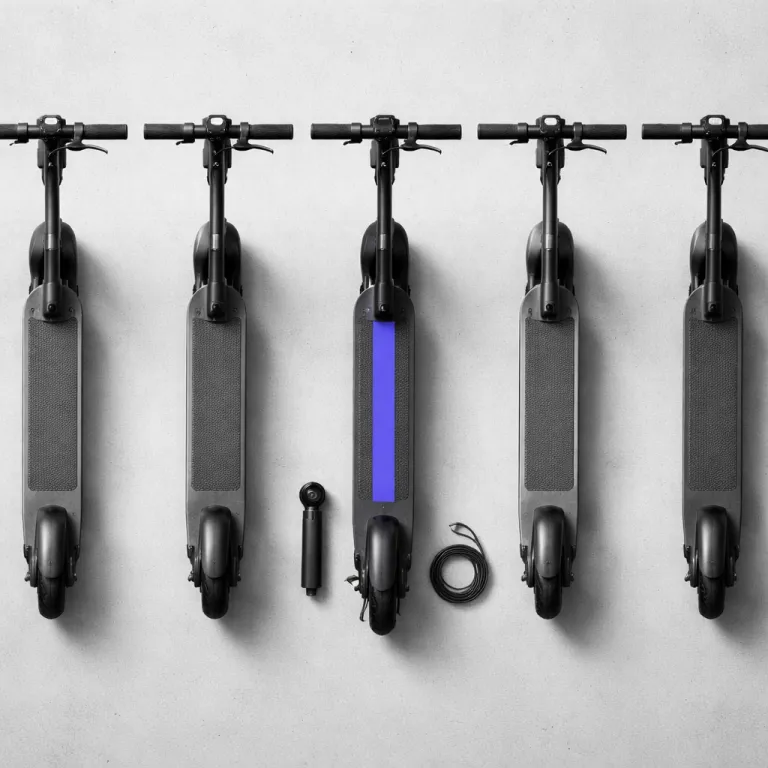
How we really tested the best electric scooter 2026 contenders
We spent a full year riding more than twenty electric scooters across suburbs, bike paths, and wet city streets. That long window let us see how each electric scooter aged, how its battery degraded, and when stem wobble or brake fade started to threaten ride quality. Short weekend tests can show impressive top speed or flashy apps, but only months of use reveal real range in miles and kilometers, long term build quality, and whether a scooter still feels safe at 25 km/h (about 16 mph).
Every model was weighed, logged, and tracked for cost per mile, including tires, brake pads, and any repairs. We recorded weight in pounds (lbs), measured speed in miles per hour (mph) with GPS, and compared claimed top speed against our own GPS readings on flat ground with a 90 kg (198 lb) rider. Each scooter was also tested on the same 5 km (3.1 mile) loop three times per charge to calculate real-world range and to see how performance changed as the battery dropped below 30 percent.
We pushed both single and dual motor designs, timing 0–15 mph (0–24 km/h) sprints and measuring how long each scooter took to reach its verified top speed. Scooters with dual motors were run in both eco and sport riding modes to see how much extra power and torque they really delivered on hills. We also checked suspension travel, whether basic spring suspension or more advanced hydraulic suspension, and noted how much each system improved ride quality on broken pavement.
Water resistance was not taken on faith from spec sheets, so we rode in light rain and through shallow puddles to see how IPX water ratings held up. We logged when turn signals failed, when tubeless tires picked up punctures, and when folding mechanisms started to creak or loosen. Only the scooters that stayed structurally tight, kept predictable braking performance, and maintained at least 70 percent of their original tested range after six months made it into our best and top picks.
| Model group | Tested range (km) | Top speed (km/h) | Mileage at first major issue |
|---|---|---|---|
| Top 5 finalists | 32–41 | 28–40 | >1,000 miles (1,600+ km) |
| Mid-pack models | 22–30 | 25–38 | 600–900 miles (965–1,450 km) |
| Early failures | 14–21 | 20–36 | <500 miles (<800 km) |
The five survivors that still feel like the best electric scooter 2026 options
After twelve months, only five scooters still felt like realistic candidates for anyone searching for a 2026-ready commuter or weekend electric scooter. The Segway Ninebot Max G2, Xiaomi Electric Scooter 4 Pro, NIU KQi3 Pro, Apollo City Pro, and GoTrax G4 all survived daily abuse, weekend rides, and storage in unheated garages. Each of these electric scooters balanced real-world range, purchase price, and weight in pounds in a way that worked for casual riders rather than only for enthusiasts.
The Segway Ninebot Max G2 offered the most consistent real range in our tests, regularly delivering 35 to 40 km (22–25 miles) even with a heavier rider and some hills. Its single motor does not chase the highest top speed, but its power curve is smooth, and 0–15 mph acceleration feels predictable rather than jerky. With large pneumatic tubeless tires, basic but well tuned suspension, and IPX5 water resistance, it kept ride quality high on rough paths and never cut power unexpectedly in the rain.
For riders who want a bit more performance feel, the Apollo City Pro and NIU KQi3 Pro stood out. Both scooters use dual braking systems and stronger motors, and the Apollo adds a dual motor configuration in its higher trim that pushes top speed into the 40 km/h (25 mph) range. These scooters cost more, yet their build quality, brighter turn signals, and better hydraulic suspension or advanced spring suspension made them feel like top choices for longer rides on mixed terrain.
If your budget is tighter, the GoTrax G4 and Xiaomi Electric Scooter 4 Pro delivered strong performance for their price. They do not match the dual motors of the Apollo, but they still reach respectable top speed figures and keep weight in pounds low enough for carrying up stairs. For anyone focused on long-distance touring, it is worth pairing this guide with a dedicated long-range comparison such as a top long range electric scooters overview, which dives deeper into extreme distance options and battery capacity trade-offs.
What a year of riding exposed about failures, flops, and false top speed claims
Many scooters that looked like the best on paper fell apart once we pushed them past 500 miles (800 km). Several budget dual motor models promised wild top speed numbers, but their controllers overheated on hills, and their real-world range dropped below 15 km (9 miles) after a few months. A few electric scooters even showed worrying battery management system (BMS) cutoffs, where the system suddenly killed power at around 20 km/h when voltage sagged, which is not acceptable for safety.
We saw stems that developed wobble long before 800 miles, especially on scooters with tall folding mechanisms and poor clamp design. Some models with impressive hydraulic suspension on the spec sheet still delivered harsh ride quality because the rear shock was underdamped and bottomed out on potholes. Others used cheap tubeless tires that cracked at the sidewalls, making punctures more likely and forcing early replacements that raised the real price per mile.
Water resistance ratings were another weak point, with several scooters claiming IPX water protection that did not survive a single winter. Connectors corroded, turn signals failed, and in one case the throttle died after repeated rides on salted roads despite a claimed IPX4 rating. When we compared these failures with the survivors, the difference came down to build quality details like sealed cable ports, reinforced deck seams, and better controller potting.
We also tracked how apps and smart features aged, since many 2026 buying guides now highlight connectivity. Some scooters lost Bluetooth pairing or stopped receiving firmware updates, leaving riders stuck with buggy acceleration curves or inaccurate speed readouts. For a deeper dive into how long-term testing changes rankings, the extended mileage report in the best electric scooter for adults testing guide shows how models reshuffle after thousands of kilometers and multiple firmware revisions.
Cost per mile, batteries, and what performance really means for casual riders
For a weekend rider, the best electric scooter 2026 choice is rarely the one with the highest top speed. What matters more is how the battery, tires, and brakes hold up over the first 1,000 miles (about 1,600 km), because that is where cost per mile either stays reasonable or explodes. We calculated total cost by adding purchase price, replacement tubeless tires, brake pads, and any repairs, then dividing by the miles actually ridden and logged in our test spreadsheets.
Single motor scooters with moderate power often won this cost race, since they stressed their batteries less and drew fewer peak amps. Their real range stayed closer to the original manufacturer claim, and their speed performance remained stable even after dozens of charge cycles. Dual motors delivered thrilling off-the-line acceleration, but they also drained batteries faster and sometimes pushed controllers to thermal limits on long hills.
We also looked at how different battery types and capacities affected everyday use. Larger packs extended range, yet they added weight in pounds and made some scooters awkward to lift into car trunks or up apartment stairs. Riders who only cover 10 to 15 km (6–9 miles) per ride rarely need the biggest packs, and they may be happier with a lighter scooter that trades a little range for better portability and easier storage.
Performance is not just about speed or power numbers, so we scored scooters on braking distance, cornering stability, and comfort over rough surfaces. Models with well tuned suspension, whether basic or hydraulic, allowed higher safe cruising speeds because the wheels stayed planted and predictable. In practice, that meant a scooter with a lower top speed rating but better ride quality often felt faster and safer than a twitchy high-power model chasing headline figures.
Ride quality, safety features, and why dual motors are not always the best
Ride quality is where spec sheets mislead casual riders the most, especially when every brand shouts about dual motors and extreme top speed. A scooter with two motors can launch hard, but without good suspension and solid frame stiffness, that extra power just makes the ride more nervous. For relaxed weekend rides on bike paths or boardwalks, a well balanced single motor scooter with wide tubeless tires often feels more confidence inspiring.
We paid close attention to how scooters handled at 20 to 25 mph (32–40 km/h), because that is where many riders spend most of their time. Scooters with narrow handlebars, flexy stems, or cheap bushings felt vague when changing lanes or dodging potholes, even if their acceleration numbers looked impressive. By contrast, models with wider bars, better clamps, and thoughtful geometry allowed riders to use more of the available power without white knuckles.
Safety features like bright turn signals, strong lights, and reliable braking mattered more than raw speed in our scoring. Some of the best electric scooter 2026 candidates used integrated front and rear lights that stayed visible in daylight, while others hid tiny LEDs that disappeared in traffic. We also favored scooters with at least IPX4 water resistance, and ideally higher IPX ratings, because casual riders often get caught in unexpected showers.
Dual motors still have a place, especially for heavier riders or hilly suburbs where extra power prevents bogging down on climbs. Yet for many people, a lighter scooter with a single motor, good suspension, and strong brakes will feel like the top choice. The key is matching power and top speed to your actual ride, not to marketing claims, so you end up with a scooter that feels calm at 25 km/h rather than barely controllable at 40 km/h.
Who should skip these scooters and choose an e‑bike or moped instead
Not everyone searching for the best electric scooter 2026 style product should actually buy a scooter. If your daily ride involves more than 25 km (15+ miles) each way, heavy cargo, or steep hills, an electric bike or moped will usually handle the job with less stress on the battery and brakes. Long commutes at sustained top speed punish small scooter drivetrains, and they can turn what looks like a good price into a maintenance headache.
Riders who need to carry children, groceries, or bulky work gear will also find scooters limiting. Even the most stable electric scooters struggle with high loads on the deck, and adding a backpack can make balance tricky at 20 mph (32 km/h). An e‑bike with racks or a small moped with proper suspension and larger wheels will feel safer, especially when road surfaces are broken or wet.
Weather is another deciding factor, because water resistance ratings only go so far. If you ride in heavy rain, snow, or on salted winter roads, the small contact patches of scooter tires and limited fender coverage become real liabilities. In those conditions, larger bicycle tires, better hydraulic suspension, and more robust frames on e‑bikes or mopeds provide a margin of safety that even the best scooters cannot match.
Anyone still on the fence can benefit from comparing formats directly, weighing ride quality, comfort, and storage needs. A detailed comparison of an e‑scooter versus an e‑bike for city transportation, such as a guide on which electric ride truly fits your life, helps clarify which type of electric ride suits your routes. The right choice is the one that keeps you riding often, not the one with the most aggressive acceleration or the flashiest app.
Key figures and trends shaping the best electric scooter 2026 landscape
- Premium electric scooter demand has risen by more than 30 percent since the middle of the decade, according to analysis from Fortune Business Insights and similar market research, reflecting a shift from cheap entry level models to higher quality designs.
- Dozens of new scooters now integrate smartphone features such as Apple Find My tracking and app based torque tuning, which help riders secure their scooters and customize acceleration curves for comfort or efficiency.
- At the most recent CES, several brands showcased AI driven predictive maintenance and sensor based riding analytics, aiming to warn riders about loose stems, failing batteries, or unsafe braking behavior before problems escalate.
- Reliability metrics like the mileage at which stem wobble begins, how BMS cutoff behaves under heavy load, and the availability of replacement tires now matter as much as top speed for informed buyers.
- Market data shows that scooters with real range above 30 km (about 19 miles), weight under 25 kg (55 lbs), and at least IPX4 water resistance achieve higher owner satisfaction scores than heavier or shorter range competitors.
FAQ about choosing the best electric scooter 2026 style model
What top speed is actually enough for casual weekend riders ?
For most casual riders on bike paths and suburban streets, a top speed between 25 and 30 km/h (16–19 mph) is both sufficient and easier to control. Higher top speed figures sound appealing, but they demand better protective gear, stronger brakes, and more rider skill. A stable scooter at 25 km/h with good suspension and brakes is safer than a twitchy model that can reach 40 km/h.
How much real range do I need for short errands and fun rides ?
If your typical ride is 10 to 15 km, a scooter with a verified real range of 25 to 30 km leaves comfortable margin for detours and battery aging. Manufacturers often quote optimistic range in miles and kilometers based on light riders and slow speeds, so expect about 70 to 80 percent of the claim in everyday use. Choosing a slightly higher capacity battery than you think you need helps keep performance consistent over time.
Are dual motors worth paying for on a weekend scooter ?
Dual motors mainly help heavier riders or those facing steep hills, where extra power prevents slowing to a crawl. For flat suburbs and relaxed rides, a well tuned single motor scooter usually offers enough acceleration while keeping weight and price lower. Unless you crave strong launches or live in a very hilly area, dual motors are often more luxury than necessity.
What weight should I aim for if I need to carry the scooter ?
Riders who regularly carry their scooters up stairs or into cars should target models under about 18 to 20 kg (40–44 lbs). Above that weight, lifting becomes awkward, especially for smaller riders or those with limited strength. Checking the exact weight in pounds and practicing a lift in the shop can prevent an unpleasant surprise at home.
How important is water resistance for occasional riders ?
Even if you only ride on weekends, some level of water resistance is essential because weather can change quickly. An IPX4 or better IPX rating helps protect electronics from splashes and light rain, though no scooter should be submerged or pressure washed. For regions with frequent rain, prioritizing higher water resistance and good fender coverage will extend the scooter’s life and keep maintenance costs down.