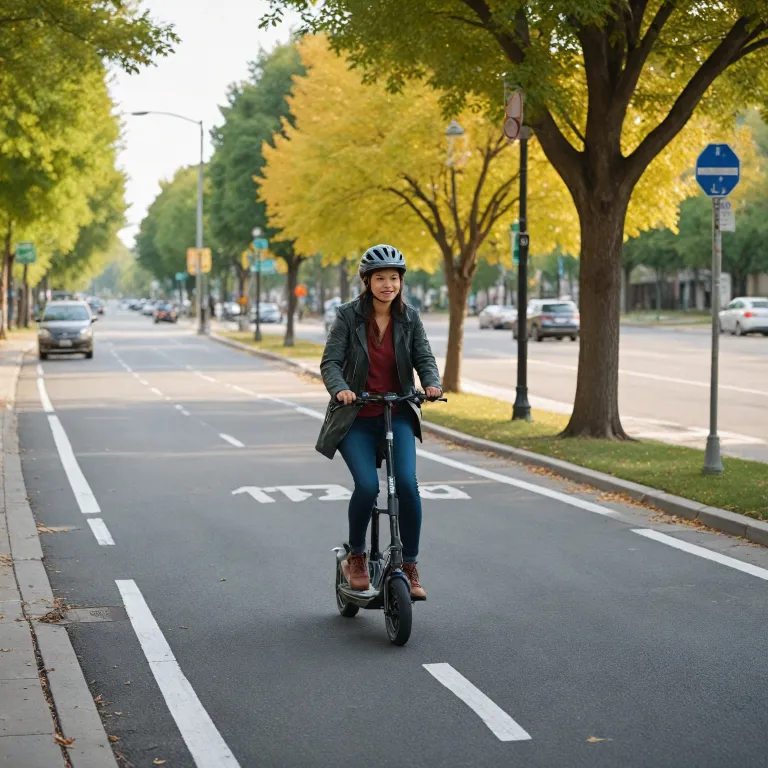
Understanding the basics of riding electric scooters in the city
Riding electric scooters starts with understanding how a scooter behaves under your body. When you first start riding, focus on how the scooter will respond to your weight, balance, and gentle inputs on the handlebars. This early attention to feel and control will help you build habits that make every future ride electric smoother and safer.
A modern electric scooter looks simple, yet several systems work together whenever you ride. The front wheel, deck, brakes, and rear fender all influence how scooter riding feels at different speed levels and in changing traffic conditions. When you respect these systems and give yourself time to learn, the scooter will reward you with predictable handling and a good sense of stability.
Before riding electric in busy streets, practice in a quiet parking lot with clear markings. Use this space to test how the scooter will accelerate, how the brakes bite, and how your balance changes when you shift weight toward the front. Short sessions like this will help you find the best stance and prepare you for higher speeds without unnecessary stress.
Protective gear is essential whenever you ride electric scooters, even for short trips. A certified helmet, closed shoes, and gloves will help reduce injury risk if you fall while riding scooter in unpredictable traffic. Adding knee and elbow pads is a good idea when you are still learning ride skills or testing a new kick scooter for the first time.
Think of scooter safety as a continuous habit rather than a single checklist. Each time you ride, quickly inspect the front wheel, brakes, and rear fender to be sure nothing feels loose or damaged. This simple routine will help you avoid surprises and keep every electric ride as controlled and enjoyable as possible.
Mastering balance, braking, and speed control on electric scooters
Good balance is the foundation of safe riding electric scooter in real traffic. Place your stronger foot forward near the front of the deck, keep knees slightly bent, and let your arms relax while holding the handlebars. This stance will help your body absorb bumps and allow the scooter to track straight even at higher speeds.
When you ride electric scooters, always cover the brake levers lightly with your fingers. Smooth pressure on the brakes is safer than braking hard at the last moment, especially if the front wheel hits a slippery patch. Practicing progressive braking in a parking lot will help you understand how your scooter will slow down from different speed levels.
Many electric scooters reach a top speed that feels fast in narrow streets. Use lower speed modes while you are still learning ride techniques or when traffic is dense and unpredictable. This approach will help you react calmly to pedestrians, parked cars, and sudden obstacles without losing balance or overloading the brakes.
Weight distribution matters whenever you are riding scooter on uneven surfaces. Shift a little more weight toward the rear when braking hard, and move slightly toward the front when climbing gentle slopes. These small adjustments will help the scooter remain stable and keep both wheels in better contact with the ground.
Regularly check that your braking system matches your riding style and local terrain. If you ride often on hills or at higher speeds, choosing appropriate brake pads is essential for scooter safety and consistent stopping power ; you can review detailed guidance in this resource on selecting the right brake pads for your electric scooter. Combining well maintained brakes, thoughtful speed choices, and a balanced stance will help every scooter ride feel controlled, predictable, and genuinely enjoyable.
Choosing the right scooter setup for your body and environment
Riding electric scooters comfortably depends on matching the scooter to your body weight and daily routes. Check the manufacturer’s weight rating and be sure your own weight, plus any backpack, stays within that limit. A scooter good for light riders may feel unstable or underpowered if you exceed its intended capacity during every ride.
Handlebars should sit roughly at hip or waist height when you stand naturally. If the handlebars are too low, you may lean forward and shift too much weight onto the front wheel at higher speeds. When they are too high, steering becomes vague, which will make scooter riding tiring and less precise in dense traffic.
Tyre size and deck length also influence how riding scooter feels over time. Larger wheels and a longer deck will help with balance and comfort on rough streets, while smaller wheels suit short urban trips at moderate speed. Think carefully about where you ride electric most often, then choose electric scooters that match those surfaces and distances.
Grips, brake levers, and throttle shape all affect how secure you feel on the handlebars. If your hands slip or feel numb, upgrading to better scooter grips can significantly improve scooter safety and control ; you can explore options and fitting tips in this guide on choosing the right grips for your electric scooter. Small ergonomic changes will help you maintain a relaxed hold even when you ride electric for longer periods.
Battery capacity and motor power determine how far and how fast you can ride. When you start riding, avoid pushing the scooter to its absolute top speed until you fully understand its braking distance and handling. Selecting a scooter good for your typical range and terrain will help you feel confident, reduce range anxiety, and keep every electric scooter trip efficient and safe.
Safe riding techniques for streets, bike lanes, and mixed traffic
Riding electric scooter in real traffic requires more than balance ; it demands anticipation. Always look several seconds ahead to find potential conflicts, such as opening car doors, turning vehicles, or pedestrians stepping off curbs. This habit will help you adjust speed early and avoid braking hard at the last instant.
In bike lanes, treat your electric scooter like a bicycle with different acceleration and braking patterns. Signal clearly with your hands when changing lanes, and keep both hands on the handlebars again as soon as possible. Maintaining predictable lines and moderate speed will help other riders understand your intentions and keep scooter safety high for everyone.
When riding scooter near parked cars, leave enough lateral space to avoid the door zone. If traffic on your left feels close, reduce speed and be sure you can stop quickly using both brakes. This careful positioning will help you stay visible while protecting the front wheel from sudden obstacles.
At intersections, assume that drivers may underestimate your speed on electric scooters. Make eye contact when possible, position yourself where you are clearly visible, and avoid starting to ride electric across the junction if a vehicle seems uncertain. Taking one extra second before you ride can be the best investment in your long term safety.
Night riding electric requires additional attention to visibility and reaction time. Use front and rear lights, reflective clothing, and consider extra reflectors on the rear fender and helmet. Reducing speed slightly at night will help you compensate for limited sight lines and give your brakes more time to bring the scooter to a controlled stop.
Learning ride skills progressively and managing emergency situations
For many people, learning ride techniques on a scooter feels easier when broken into stages. Start riding in a quiet parking lot, then progress to calm residential streets before entering dense traffic. This gradual approach will help your body memorize balance, braking, and steering without overwhelming your attention.
Practice emergency stops regularly so you understand how your scooter will react. Begin at low speed, apply both brakes smoothly, and shift weight slightly toward the rear to keep the front wheel from locking. As you gain confidence, repeat the exercise at higher speeds while still avoiding braking hard enough to lose balance.
Swerving is another essential scooter safety skill for real world riding. In a safe area, practice gentle lane changes by looking where you want to go, then guiding the handlebars with small inputs. These drills will help you ride electric scooters around potholes, debris, or sudden obstacles without panicking or oversteering.
If you must ride in wet conditions, remember that brakes and tyres behave differently. Increase following distance, lower your speed, and avoid sharp turns that overload the front wheel or rear fender. Protective gear becomes even more important in the rain, because surfaces are unpredictable and falls can happen with little warning.
When something feels wrong with the scooter, such as unusual vibration, weak brakes, or unstable balance, stop riding and inspect it carefully. A short pause to find the cause will help you avoid more serious failures at higher speeds. Treat every strange noise or sensation as useful feedback that the scooter will give you before a real problem develops.
Long term scooter safety, maintenance, and smart equipment choices
Riding electric scooters safely over the long term depends on consistent maintenance. Check tyre pressure, brake function, and handlebar tightness at least once a week, especially if you ride daily. These quick inspections will help you catch wear early and keep every scooter ride predictable and efficient.
Battery care is another pillar of scooter safety and reliability. Avoid fully draining the battery whenever possible, store the scooter in a dry place, and follow the manufacturer’s charging guidelines. If you want to go deeper, you can review this detailed guide on choosing the right battery for your electric scooter, which will help you match capacity, range, and performance to your riding habits.
Protective gear should evolve as your riding scooter patterns change over time. If you begin commuting at higher speeds or through heavier traffic, consider upgrading to a helmet with better coverage and adding wrist guards. These choices will help you stay confident while the scooter will handle more demanding routes and daily distances.
Parking habits also influence long term safety and convenience. Lock your electric scooter through the frame or front wheel, avoid blocking pedestrian paths, and choose well lit areas whenever you leave it unattended. Respectful parking lot behavior will help other users, protect your scooter, and maintain a positive image for all electric scooters riders.
Finally, remember that scooter safety is a shared responsibility between rider, equipment, and environment. Stay informed about local regulations on speed limits, permitted lanes, and parking rules, then adapt your riding electric style accordingly. With thoughtful choices, regular maintenance, and a calm attitude, your scooter will remain a good, reliable partner for everyday urban mobility.
Key statistics about riding electric scooters safely
- Up to 70 % of electric scooter incidents involve riders without complete protective gear, especially helmets and wrist protection.
- Practicing braking drills in a parking lot can reduce stopping distance errors by more than 30 % during emergency maneuvers.
- Regular tyre pressure checks and brake inspections lower the risk of control loss by approximately 25 % on urban roads.
- Riders who limit their speed in mixed traffic zones report feeling up to 40 % more confident after several weeks of consistent practice.
- Choosing a scooter with a weight rating at least 15 % above the rider’s actual weight significantly improves stability and component lifespan.
Common questions about riding electric scooters
How can a beginner start riding an electric scooter safely ?
A beginner should start riding in a quiet parking lot, focusing on balance, gentle acceleration, and smooth braking. Wearing full protective gear and keeping speed low will help build confidence without unnecessary risk. After several short sessions, the rider can gradually move to calm streets and then to busier traffic.
What is a good top speed for everyday scooter commuting ?
A good top speed for daily commuting depends on local infrastructure and traffic density. For most urban riders, staying below the scooter’s maximum speed and using moderate settings offers a safer balance between travel time and control. Matching speed to visibility, surface quality, and personal skill level is more important than reaching the absolute top speed.
Which parts of an electric scooter need the most regular maintenance ?
The most critical components for regular checks are tyres, brakes, handlebars, and the folding mechanism. Ensuring proper tyre pressure and responsive brakes will help maintain stable handling and short stopping distances. Periodic inspections of bolts, cables, and the rear fender also reduce the chance of unexpected failures while riding.
Is a kick scooter experience useful for riding electric scooters ?
Experience on a kick scooter can help with basic balance and steering skills. However, electric scooters accelerate faster and reach higher speeds, so riders must relearn braking distances and weight transfer. Practicing specific electric scooter maneuvers is still essential before entering busy traffic.
What type of protective gear is recommended for higher speeds ?
For higher speeds, riders should use a certified helmet with good coverage, gloves, and ideally knee and elbow pads. Wrist guards are also valuable, because many falls involve instinctive hand contact with the ground. Choosing breathable yet robust materials will help riders wear protective gear consistently on every trip.