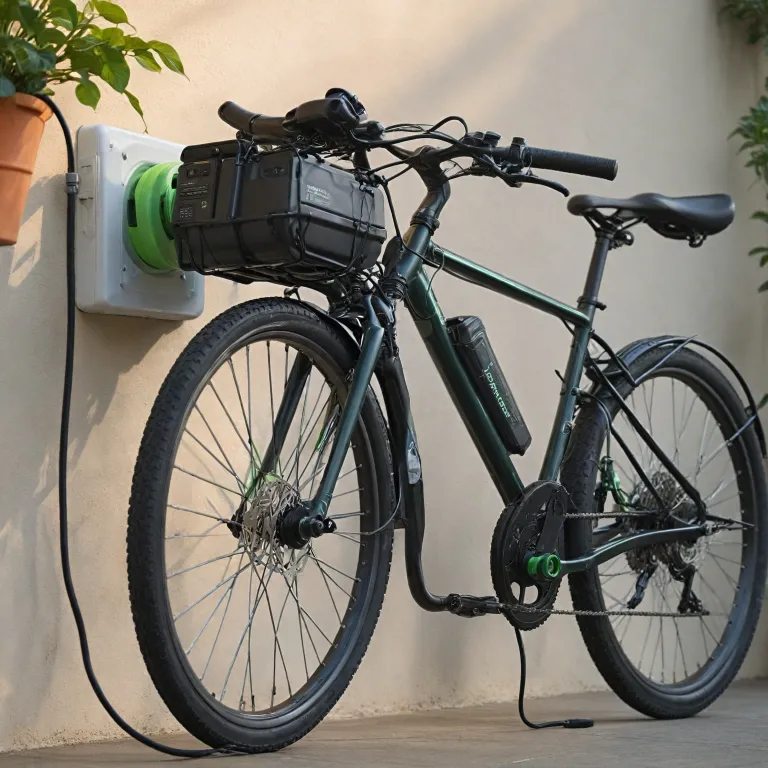
Understanding how long it takes to charge an electric bike
Many riders ask how long does it take to charge an electric bike in real conditions. The answer depends on the bike battery, its capacity, the charger, and how you ride and store the bike between charges. A typical electric bike with a mid range battery will usually need between four and seven hours for a full charge.
The rated capacity of most ebike battery packs sits between 400 and 700 watt hours. When you divide this capacity by the output power of the battery charger, you obtain a realistic estimate of how long it will take charge the pack. For example, a 500 watt hour bike battery connected to a 100 watt capacity charger will need roughly five hours for a full charge.
However, the last part of the charge cycle often slows down to protect lithium ion cells. The charger reduces power as the batteries approach full capacity, which means the final 10 to 20 percent can take longer than the first half of the charge. This is why riders sometimes feel that the first part of charging goes fast, but the final stretch seems to take long and requires more patience.
When you ask how long does it take to charge an electric bike, you must also consider temperature and battery age. Cold temperature or very hot weather can extend charging hours because the battery management system limits current to preserve battery life. Older bike batteries with many charge cycles behind them will also take charge less efficiently and may never reach their original full capacity again.
Key factors that influence electric bike charging time
Charging time for electric bikes depends on several technical and practical variables. First, the nominal capacity of the bike battery, expressed in watt hours, sets the baseline for how long does it take to charge an electric bike from empty to full. Larger capacity batteries store more energy, so they naturally take more hours to reach a full charge with the same charger.
The power rating of the battery charger is the second major factor in how long charging will take. A capacity charger delivering 2 amperes at 36 volts provides about 72 watts of power, while a 4 ampere model doubles that power and can cut charge time nearly in half. Riders must still respect manufacturer limits, because pushing too much power into lithium ion batteries can shorten battery life and reduce the number of safe charge cycles.
Temperature also plays a subtle but important role in every charge cycle. Charging tips from technicians consistently warn that extreme cold or heat will slow charging and may damage electric bike batteries over time. For this reason, you should store battery packs and charge electric bikes indoors whenever possible, avoiding direct sun or freezing garages.
Usage patterns between charges influence how long does it take to charge an electric bike on a daily basis. Short urban rides that only use a small portion of capacity will require fewer hours on the charger, while long countryside rides that drain the pack close to empty will demand a full charge. To keep your ride safer, consider pairing your bike with a secure phone mount for navigation and battery monitoring so you can track remaining power and plan charging stops.
Battery chemistry, charge cycles, and long term performance
Modern electric bikes almost always rely on lithium ion batteries because they offer high energy density and relatively low weight. This chemistry allows a compact bike battery to deliver long range rides while still fitting neatly into the bike frame or rear rack. However, lithium ion cells are sensitive to how you charge battery packs and how often you complete a full charge cycle from empty to full.
Manufacturers rate ebike battery packs for a certain number of charge cycles, often several hundred or more. Each time you charge electric bikes from a low state of charge back to full capacity, you complete one equivalent cycle, even if you split it into partial charges. Over time, the battery will gradually lose capacity, meaning it will take the same number of hours to charge but provide a shorter ride on each full charge.
Good charging tips focus on avoiding deep discharges and extreme temperature during storage. If you regularly store battery packs at very low charge or in hot environments, the battery will age faster and lose capacity sooner. Many technicians recommend that you store battery packs around half charge when you will not ride for several weeks, because this reduces stress on the cells and preserves long term battery life.
For heavier mobility devices and scooters, deep cycle batteries behave slightly differently but follow the same principles of charge cycles and capacity loss. Detailed tests of products such as a 12 V 35 Ah deep cycle battery set show how repeated cycles affect performance over time. These insights translate directly to electric bikes, where careful management of each charge cycle helps maintain reliable power and predictable charging hours.
Practical charging tips for everyday electric bike riders
Riders who ask how long does it take to charge an electric bike usually want practical habits they can apply daily. One of the simplest charging tips is to plug in your bike battery soon after a ride, while it is at room temperature and not overheated. This helps the charger work efficiently and reduces the total hours needed to reach a full charge.
Whenever possible, use the original battery charger supplied with your electric bike, because it matches the voltage, current, and capacity of your pack. Third party chargers may promise faster charging, but they can stress lithium ion cells and shorten battery life by pushing too much power into the batteries. A well matched capacity charger balances reasonable charging time with long term protection of the bike batteries and their internal electronics.
Plan your rides so that you rarely run the battery completely flat before you take charge again. Partial charges from 30 or 40 percent back to full capacity are generally easier on the cells than repeated deep discharges. This approach means that when you ask how long does it take to charge an electric bike, the answer will often be fewer hours because you are topping up rather than recovering from empty.
When you store battery packs between rides, keep them in a cool, dry place away from direct sunlight. Never store battery packs on the charger for days, because even a smart charger can generate unnecessary heat over time. If your electric bikes include integrated carriers or racks, as seen on many electric scooters with built in carriers, avoid leaving heavy loads attached during charging, since extra strain on connectors can cause wear.
How temperature, storage, and riding style affect charging time
Environmental conditions strongly influence how long does it take to charge an electric bike in daily use. Battery management systems monitor temperature and will reduce charging power if the pack is too cold or too hot, which directly increases charging hours. For this reason, you should allow a cold bike battery to warm gradually indoors before you connect the charger and start a new charge cycle.
Storage habits also shape both charging time and long term battery life. If you store battery packs fully empty or fully charged for long periods, the battery will degrade faster and lose capacity, which shortens your ride distance even after a full charge. A better practice is to store battery packs around 40 to 70 percent charge and to check them every few weeks, topping up briefly with the battery charger when needed.
Your riding style determines how much power you draw from the batteries on each trip. Aggressive acceleration, high assistance levels, and frequent climbs will drain capacity quickly, meaning you will take charge more often and ask how long does it take to charge an electric bike after nearly every commute. Gentle pedaling with moderate assistance extends range, reduces the depth of each discharge, and shortens the time needed to reach full capacity on the next charge.
Urban riders who make many short trips may plug in for brief top ups rather than waiting for a full charge from empty. This pattern spreads wear across many shallow charge cycles, which can be kinder to lithium ion chemistry than fewer deep cycles. Whatever your style, remember that each battery will age, and the battery will eventually hold less energy, so realistic expectations about power, range, and charging hours are essential.
Planning your day around electric bike charging
Understanding how long does it take to charge an electric bike helps you plan commutes, errands, and leisure rides with confidence. If your bike battery needs about five hours for a full charge, you can schedule overnight charging or a long midday session between rides. Many riders keep a second charger at work or at a frequent destination, which allows them to charge electric bikes during the day and return home with a full charge.
When calculating how long charging will take, consider both the remaining capacity and the power rating of your charger. A nearly empty ebike battery connected to a modest capacity charger may require most of the day to reach full capacity, while a half empty pack might only need two hours. Over time, you will learn how your specific bike batteries behave and how many hours each typical ride removes from the available charge.
For households with multiple bikes, organizing a simple charging station can prevent conflicts and protect equipment. Use surge protected outlets, keep chargers off the floor, and ensure good airflow around each battery charger to avoid heat buildup. Label each charger to match its bike, because mixing chargers between different electric bikes can cause incorrect voltage or current and may damage the batteries.
Finally, remember that no battery will last forever, even with perfect charging tips and careful storage. After many charge cycles, the battery will lose noticeable capacity, and you may find that it takes the same time to charge but delivers fewer kilometers per ride. At that stage, replacing the bike battery with a quality pack restores range, shortens perceived charging time relative to distance, and keeps your electric bike practical for everyday transport.
Key statistics about electric bike batteries and charging
- Typical commuter electric bikes use batteries between 400 and 700 watt hours of capacity, which usually require four to seven hours to reach a full charge with a standard charger.
- Many lithium ion bike batteries are rated for several hundred complete charge cycles before capacity drops significantly, although partial cycles and careful storage can extend practical battery life.
- Charging efficiency often decreases during the final 10 to 20 percent of a charge cycle, which means the last portion of charging can take disproportionately long compared with the first half.
- Battery management systems commonly limit charging power outside an optimal temperature range, so charging in very cold or hot environments can increase total charging hours.
- As batteries age and lose capacity, riders may experience shorter range per full charge even though the time required to charge the pack remains similar to when the battery was new.
Common questions about electric bike charging
How long does it take to charge an electric bike from empty
For a typical commuter model, how long does it take to charge an electric bike from empty usually ranges between four and seven hours. The exact time depends on the battery capacity in watt hours and the power output of the charger in watts. Larger capacity packs or lower power chargers will increase charging hours, while mid sized batteries paired with higher power but approved chargers will reduce the time needed for a full charge.
Will partial charges harm my bike battery over time
Partial charges generally do not harm modern lithium ion bike batteries and can even support longer battery life. Instead of waiting for the pack to reach empty, many experts recommend that you take charge when the remaining capacity drops to around 30 or 40 percent. This practice reduces stress on the cells, limits deep discharge cycles, and can help maintain usable capacity across many charge cycles.
How does temperature affect electric bike charging time
Temperature has a direct impact on how long does it take to charge an electric bike in everyday use. Battery management systems reduce charging power when the pack is too cold or too hot, which increases total charging hours and may prevent a true full charge. Charging at moderate indoor temperature helps the charger operate efficiently, protects the cells, and supports consistent battery life over many charge cycles.
Can I use a faster charger to reduce charging hours
A faster charger with higher power can reduce how long does it take to charge an electric bike, but only if it matches the manufacturer specifications. Using an oversized capacity charger that exceeds recommended current may overheat the batteries, shorten battery life, and potentially void warranties. For safety and reliability, always choose a battery charger approved for your specific bike battery and follow the charging tips provided by the manufacturer.
How should I store battery packs when I will not ride for weeks
When you will not ride for several weeks, store battery packs in a cool, dry place at partial charge rather than full or empty. Many technicians suggest keeping the state of charge around 40 to 70 percent and checking the pack every month, topping up briefly if the level drops too low. This approach helps preserve capacity, supports longer battery life, and ensures that when you next ask how long does it take to charge an electric bike, the answer remains predictable and manageable.