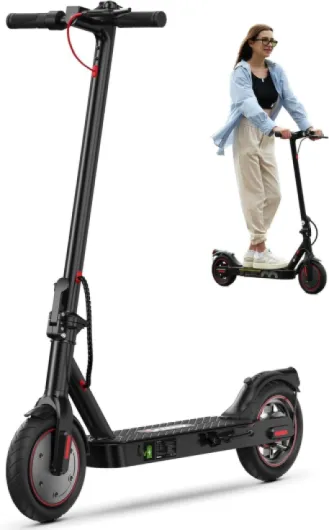
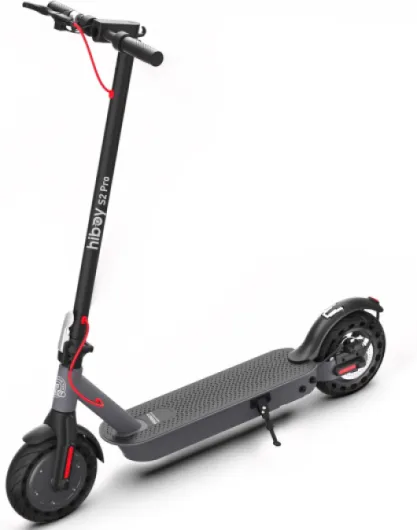
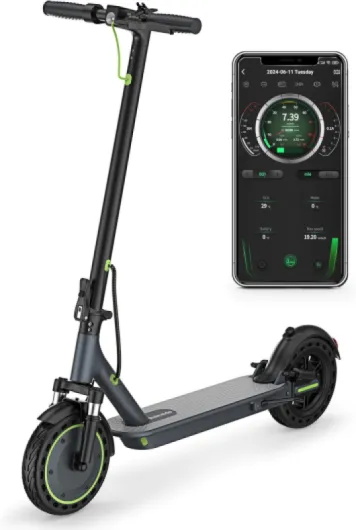
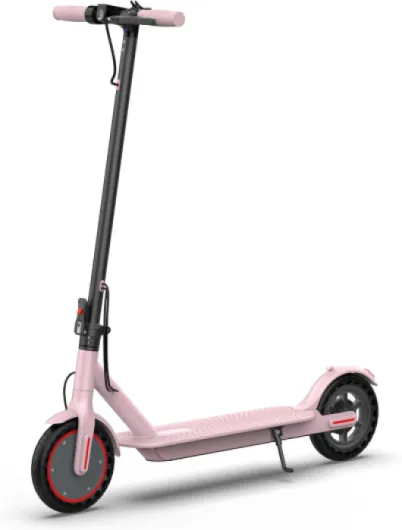
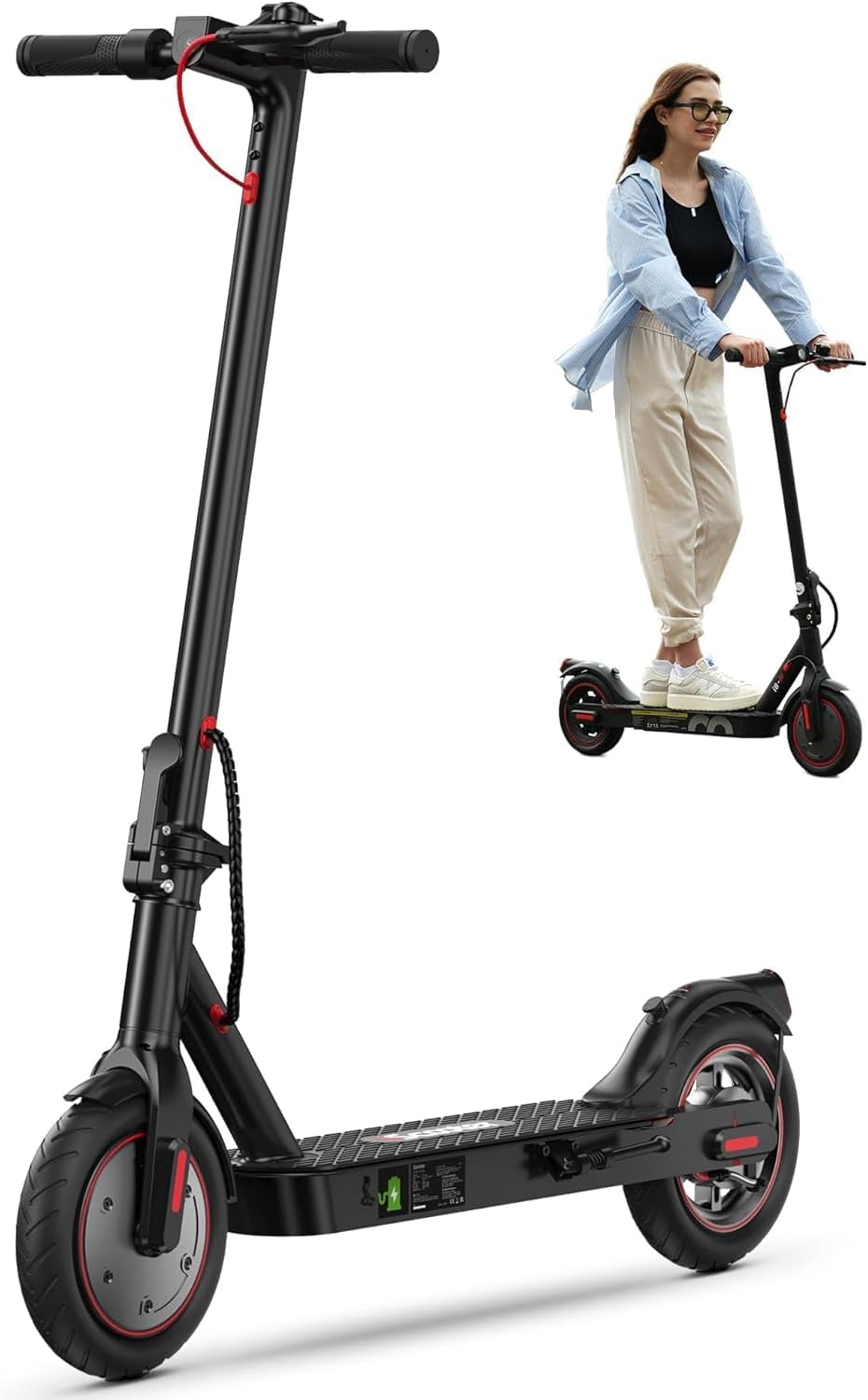
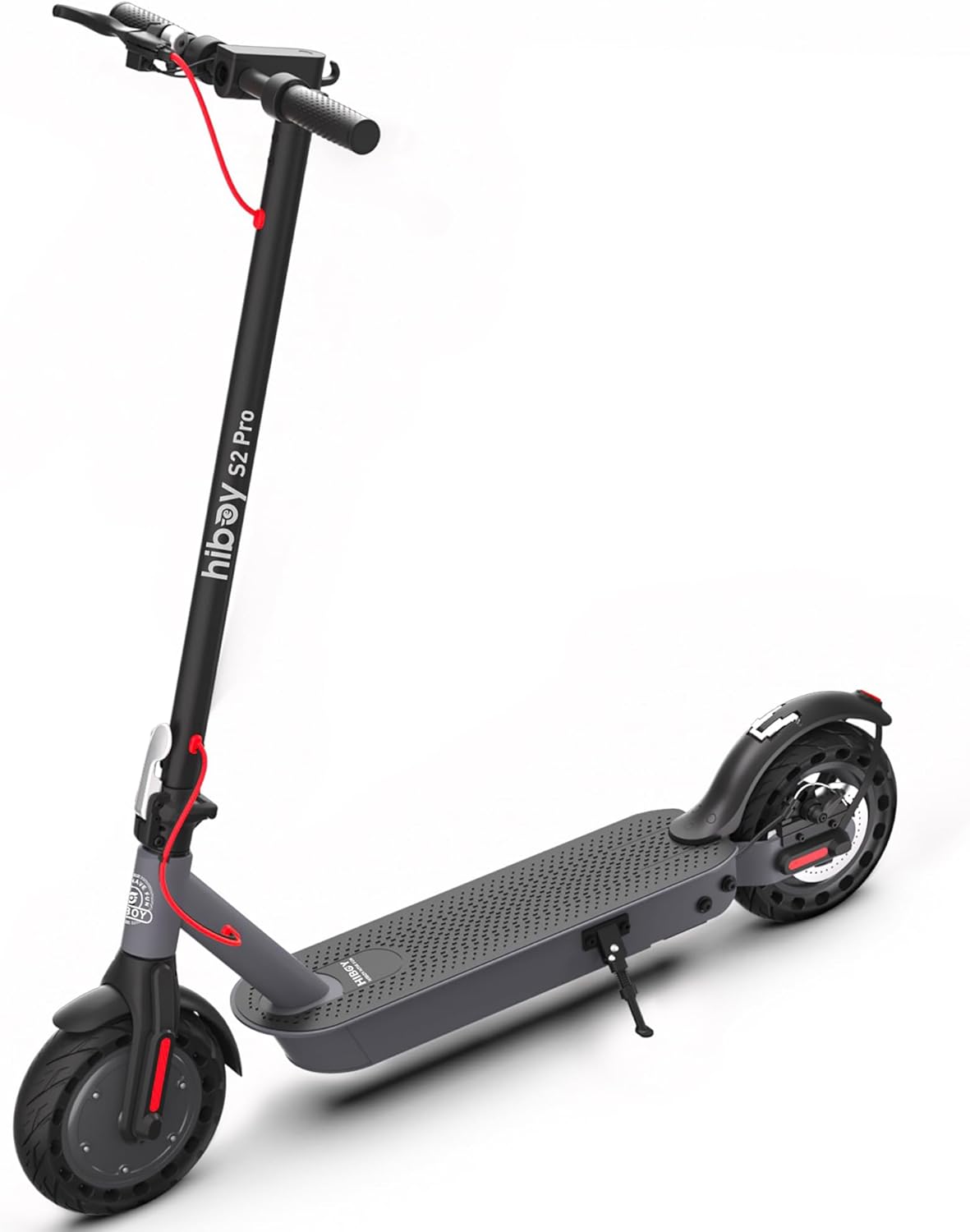
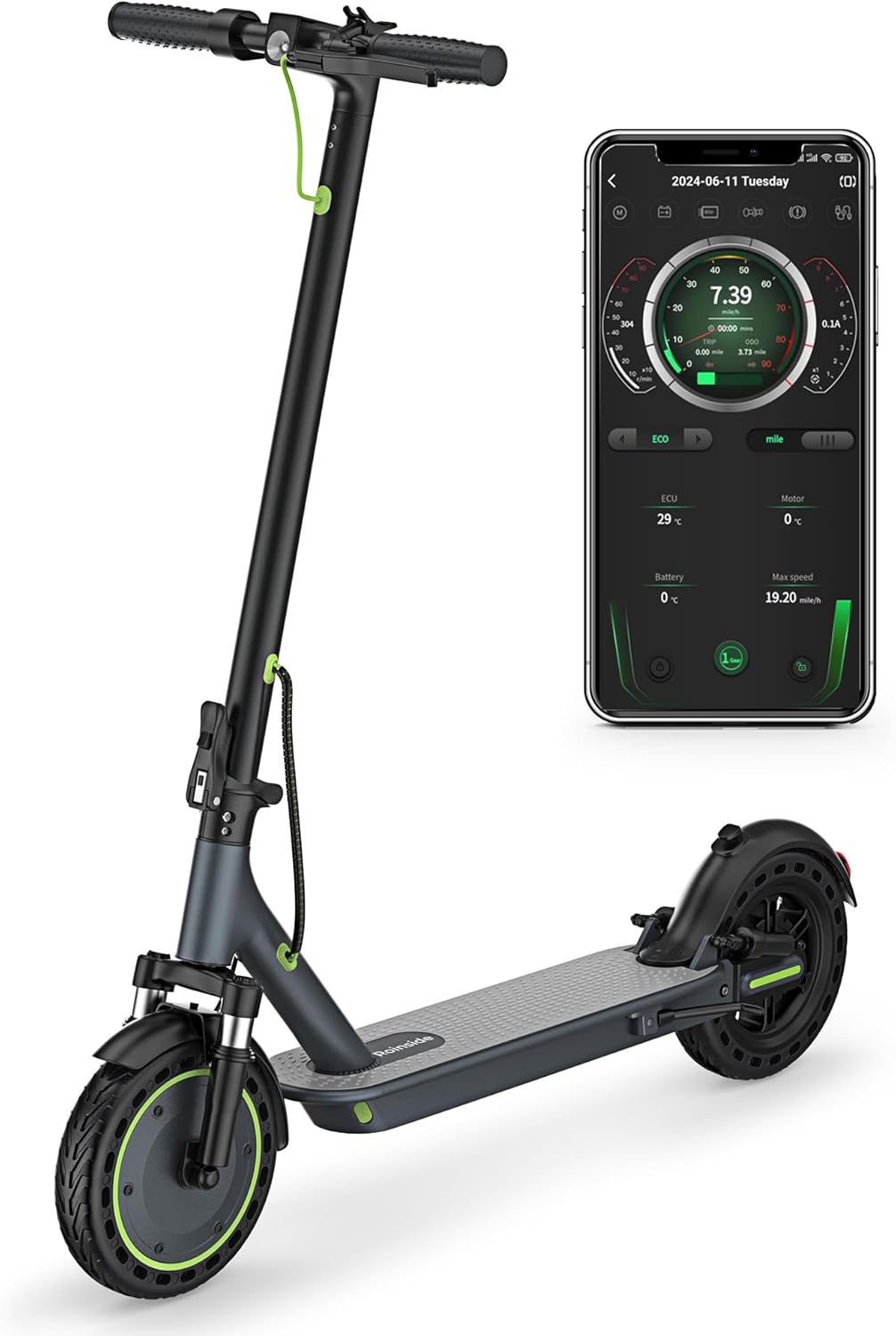
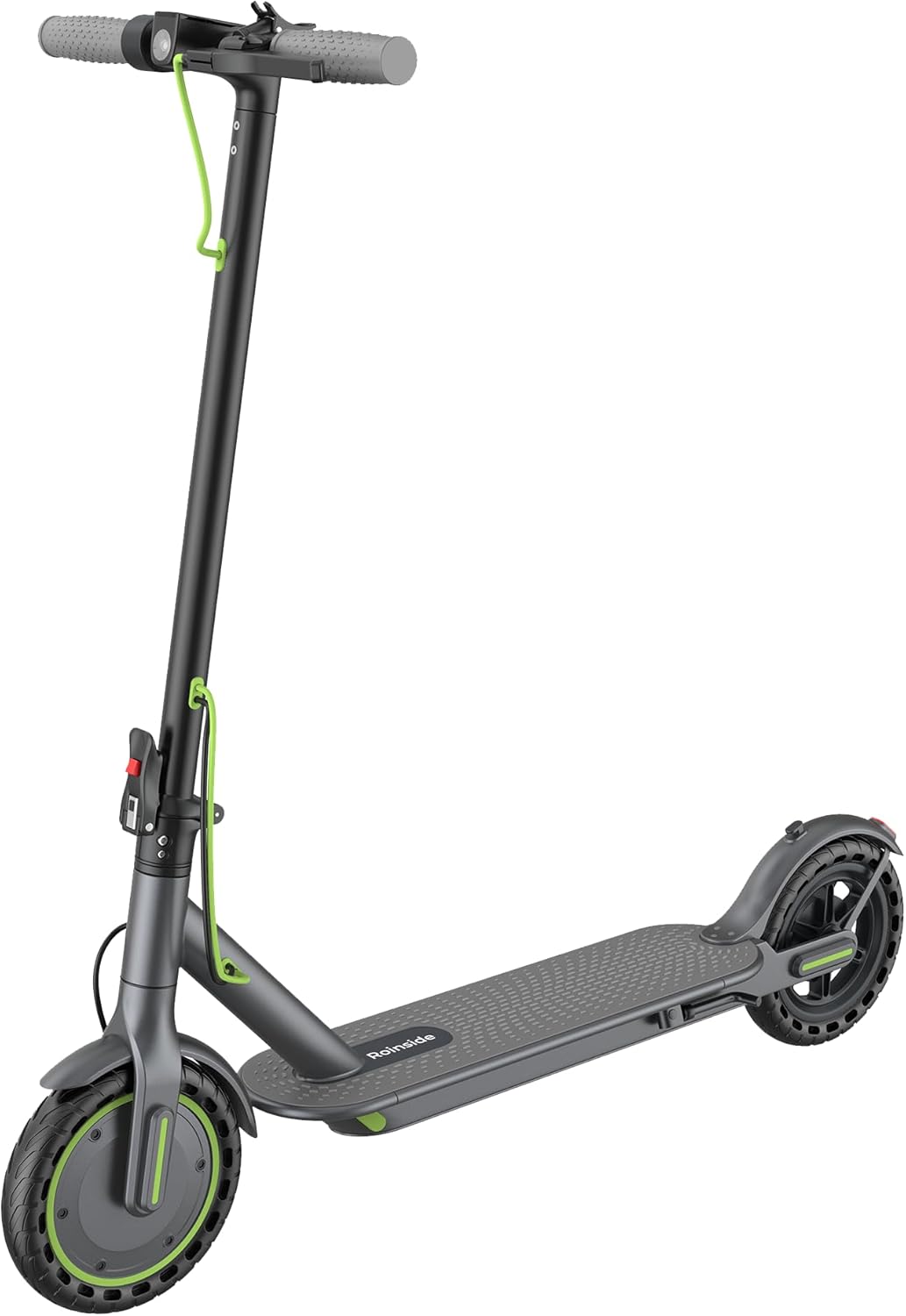
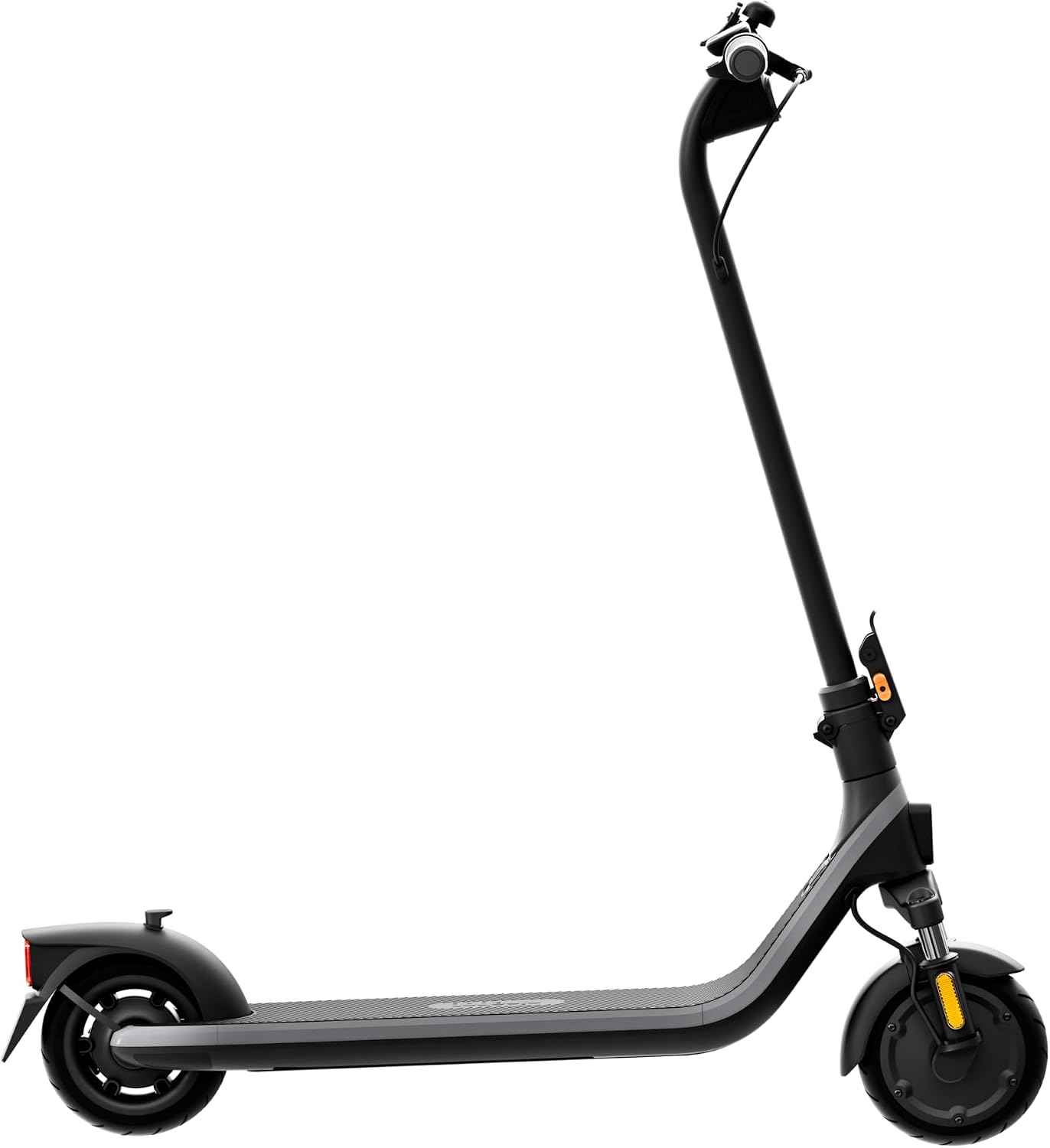
Key components that define a commuter friendly scooter
A serious commuter scooter is more than a toy with a motor. The frame, folding mechanism and max load rating must handle daily stress, especially when the rider plus backpack approach the stated lbs limit. A higher max load often correlates with stronger materials and better long term durability for electric scooters used in dense cities.
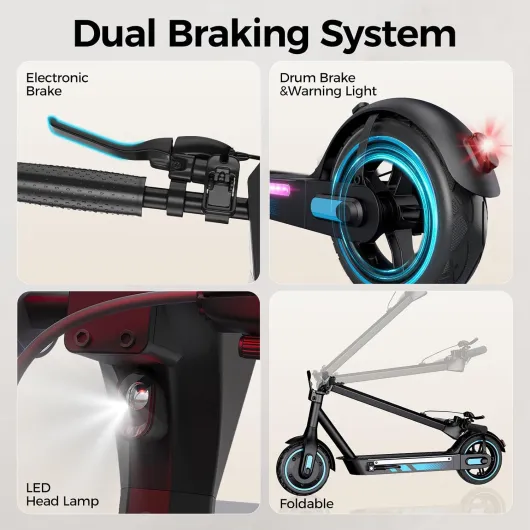
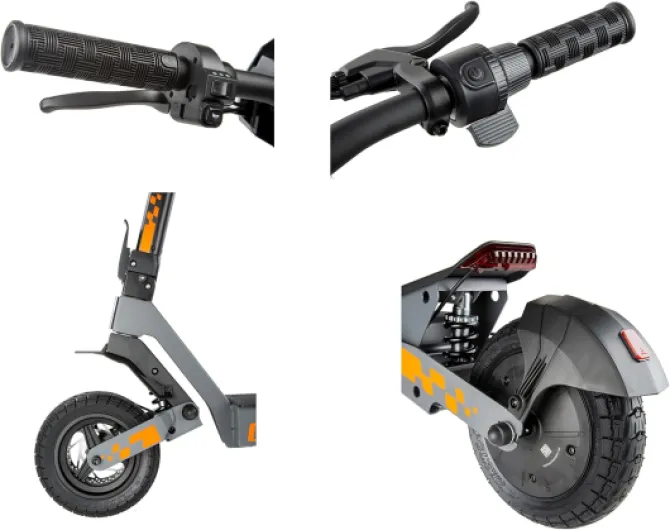
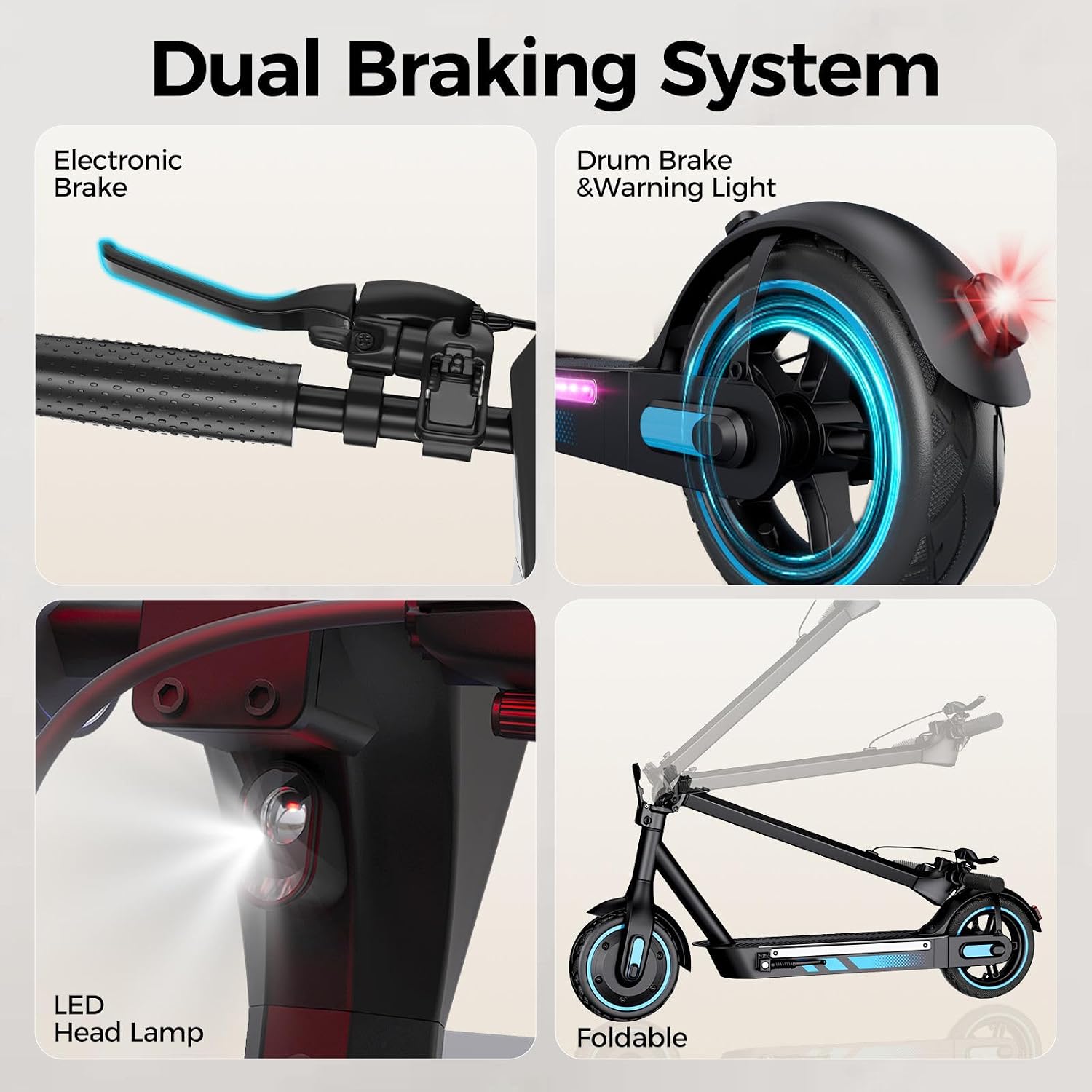
Braking and water resistance are critical safety factors that separate the best commuter electric scooters from cheaper alternatives. Look for clear IP ratings for water resistance so light rain or wet roads do not instantly void the warranty. A commuter electric scooter with reliable front rear brakes, ideally using both electronic and mechanical systems, provides more control in emergency stops.
Tire choice strongly influences maintenance and ride quality in everyday scooters. Solid tires eliminate punctures but can transmit more vibration, while tubeless tires offer better grip and comfort at the cost of occasional repairs. Many riders prefer slightly larger tires for improved stability at 20 to 25 mph top speeds on mixed urban surfaces.
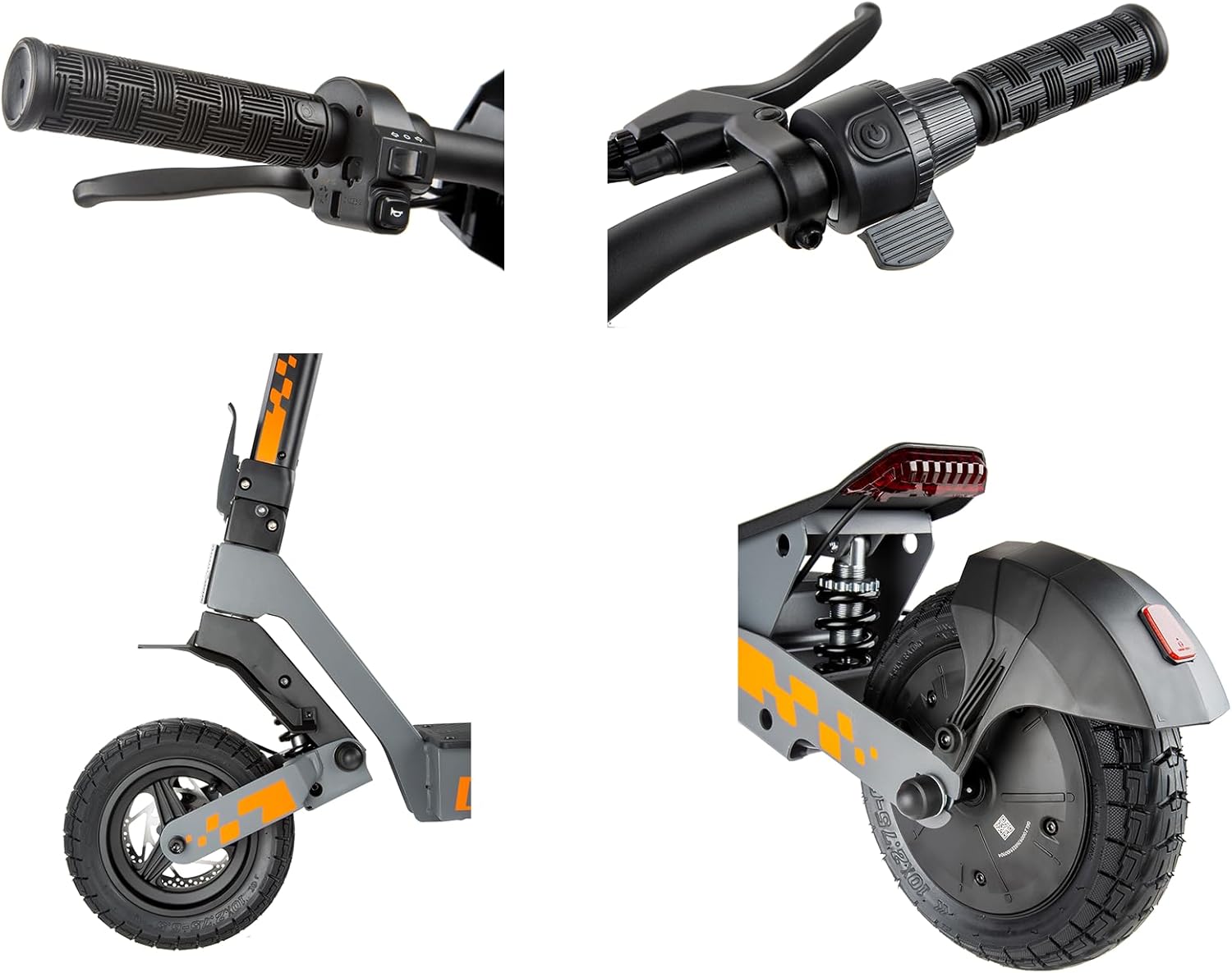
Suspension design also shapes how a scooter feels at commuting speed mph. Dual suspension systems on both front rear ends can smooth cobblestones and broken pavement, which helps preserve tested range by reducing energy lost to constant micro braking. For heavier riders near the max load, a well tuned dual suspension scooter can significantly improve control and reduce fatigue over many miles hour of weekly travel.
For readers comparing different mobility formats, four wheel scooters for adults can offer extra stability for specific needs, and a detailed analysis is available in this guide on why four wheel scooters for adults are changing personal mobility.
Understanding motors, hills and real world performance
Motor configuration is central to how the best commuter electric scooters handle hills and stop start traffic. A single motor scooter can be efficient and light, but a dual motor layout often delivers stronger hill climbing and faster acceleration at the cost of extra weight. Commuters should match motor power to their terrain, because flat cities demand less torque than hilly suburbs.
Manufacturers often highlight a theoretical top speed, yet riders should examine how quickly a scooter reaches that speed mph and how it behaves there. A well tuned controller and motor pair can maintain stable mph miles performance without sudden surges or cutouts. In practice, many commuters ride slightly below the stated top speed to preserve tested range and improve safety.
Hill climbing performance depends on motor wattage, controller limits, rider lbs and battery voltage. When a scooter approaches its max load on steep inclines, speed mph can drop sharply and the motor may overheat if pushed too long. Reviewing independent tested range and hill climbing data helps identify electric scooters that maintain acceptable mph top figures even on challenging gradients.
Some brands, such as the niu kqi series, emphasize efficient motors that balance speed, range miles and thermal management. A niu kqi commuter scooter can offer a refined blend of acceleration and energy use, making it suitable for riders who value predictable miles range over raw top speed. For a deeper look at how a premium model stands out, see this analysis of why the Navee S40 stands out among electric scooters, which illustrates how thoughtful engineering affects daily commuting.
Range, batteries and charging strategies for busy riders
Battery capacity and efficiency determine whether a scooter truly qualifies as long range for commuting. A model advertised with impressive miles range may deliver less in practice if ridden at full top speed or near its max load. Independent tested range figures, ideally measured at moderate speed mph, give a more honest picture of how many miles hour of riding you can expect from a single charge.
Commuters should calculate their daily round trip distance and add a safety margin of at least 30 percent. This buffer accounts for cold weather, hills and gradual battery aging, all of which reduce range miles over time. A long range electric scooter that comfortably exceeds your routine distance will feel less stressful to use than one that finishes each day nearly empty.
Charging habits also influence battery longevity and real world tested range. Regularly charging from 20 to 80 percent can extend battery life, although many riders still perform full single charge cycles when planning longer miles range journeys. Using the original charger and avoiding extreme heat or cold during charging helps preserve both range miles and peak speed mph performance.
Some commuters keep a compact charger at work to top up their electric scooters during the day. This strategy allows them to choose a lighter scooter with slightly less max range, reducing carry weight on stairs while still covering enough miles hour for errands. When comparing price and specifications, consider whether a marginally higher price for extra battery capacity will actually change your daily routine or simply add unused range miles.
Ride quality, safety and daily practicality
Ride quality on the best commuter electric scooters depends on how all components interact, not just on headline motor numbers. A scooter with modest top speed but excellent dual suspension and well chosen tubeless tires can feel safer and more refined than a faster model with basic hardware. Over many miles hour of weekly commuting, comfort reduces fatigue and helps riders maintain better focus in traffic.
Braking systems deserve as much attention as acceleration and speed mph. Disc brakes on both front rear wheels, supported by regenerative braking, shorten stopping distances and improve control on wet surfaces. Water resistance ratings matter here as well, because reliable braking in light rain is essential for electric scooters used year round.
Practical features such as lights, indicators and deck space also shape the commuter experience. A wide, grippy deck supports a stable stance at 20 to 25 mph top speeds, while bright front rear lighting improves visibility in dense traffic. Some pro level scooters add turn signals and louder bells, which can justify a higher price for riders navigating busy urban corridors.
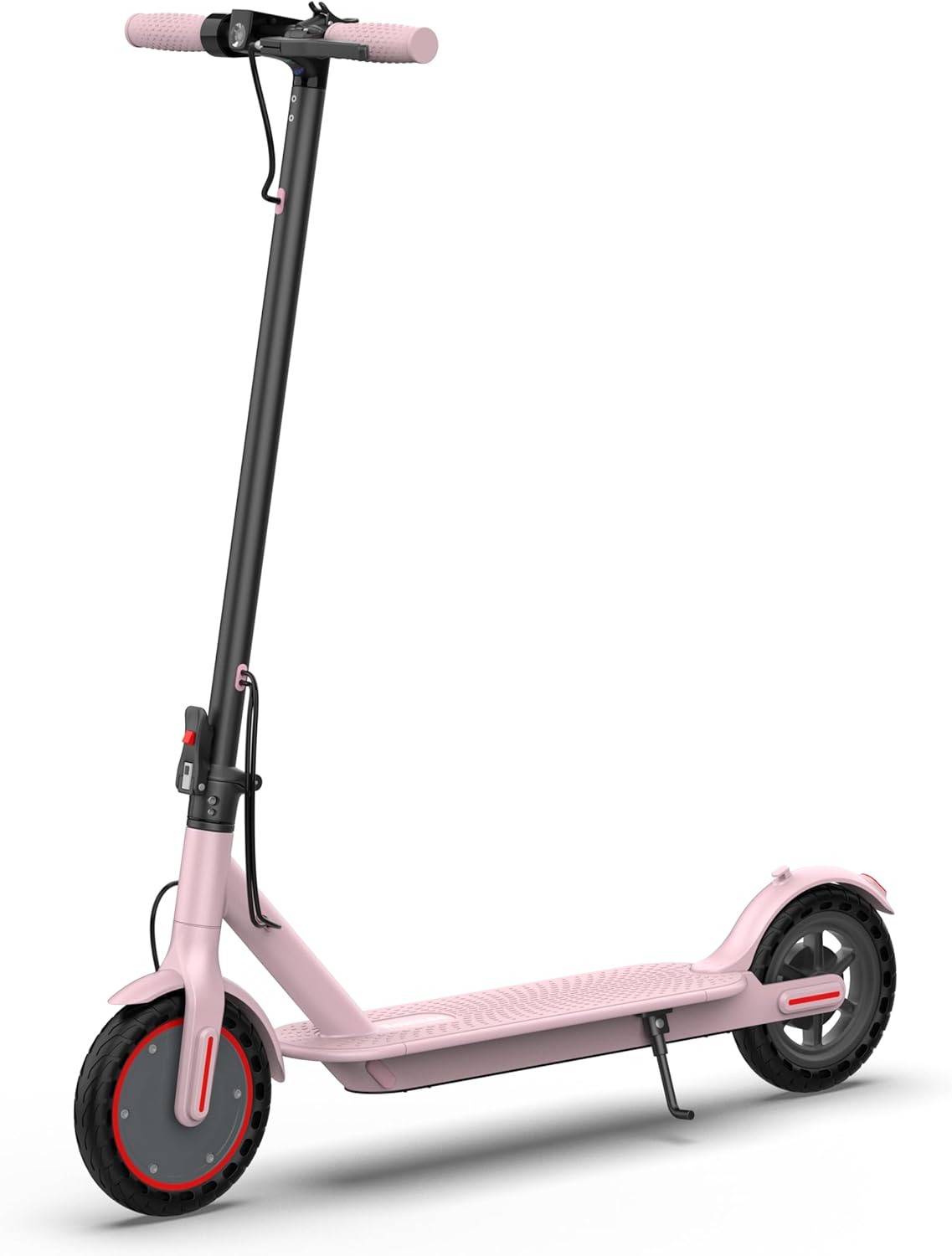
Weight and folding design determine how easily a scooter fits into multimodal journeys. A compact electric scooter around 12 to 15 kg can be carried up short flights of stairs, while heavier dual motor models may suit riders who rarely need to lift them. When comparing scooters, check both the stated lbs weight and folded dimensions to ensure the scooter integrates smoothly into your daily routine.
Comparing models, prices and long term value
Evaluating the best commuter electric scooters requires looking beyond the initial price tag. A slightly higher price can be justified if the scooter offers better water resistance, stronger components and a longer tested range that reduces battery stress. Over several thousand miles range of commuting, durability and low maintenance often matter more than saving a small amount upfront.
Many riders compare single motor and dual motor scooters when deciding how much performance they truly need. Dual motor designs deliver stronger hill climbing and quicker acceleration to their mph top figures, but they add weight and may reduce range miles if ridden aggressively. For flat cities, a well tuned single motor scooter can provide ample speed mph and excellent efficiency on a single charge.
Independent reviews that publish tested range, hill climbing times and braking distances are invaluable when comparing electric scooters. One detailed benchmark of a 350 W to 500 W motor platform, including top speed around 19 to 22 mph and max 28 to 32 miles ranges, can be found in this tested commuter scooter review. Such data helps riders understand how scooters behave under realistic lbs loads and mixed terrain.
Brand specific ecosystems, like the niu kqi family, sometimes offer app integration, theft alerts and firmware updates that enhance long term value. A niu kqi scooter with robust front rear lighting, thoughtful dual suspension and reliable tubeless tires can justify its price through reduced maintenance and higher safety margins. When assessing overall value, consider not only top speed and range miles but also warranty terms, parts availability and the quality of local service networks for electric scooters.
How to match a commuter scooter to your lifestyle
Choosing among the best commuter electric scooters starts with an honest assessment of your routes and habits. Measure your typical daily distance, note the steepest hill climbing sections and record how often you need to carry the scooter. This information clarifies whether you should prioritize long range batteries, low weight or stronger dual motor performance.
Urban apartment dwellers may favor lighter scooters with solid tires and compact folding designs. Solid tires reduce puncture risk in glass strewn bike lanes, while a lower overall lbs weight simplifies storage in small spaces. Riders with access to secure ground level parking can instead choose heavier dual suspension models with larger tubeless tires and higher mph top speeds.
Weather patterns also influence the ideal commuter scooter profile. In rainy climates, water resistance ratings, grippy tires and sealed electronics become non negotiable, even if they raise the price slightly. A scooter with strong front rear fenders and proven tested range in wet conditions will feel more trustworthy during long miles hour of seasonal commuting.
Finally, consider how your needs might evolve over the next several thousand miles range of riding. A pro oriented scooter with higher max load, stronger hill climbing and better lights may support new routes or occasional leisure rides beyond strict commuting. By aligning motor power, range miles, speed mph and comfort features with your lifestyle, you can select an electric scooter that remains a reliable partner well beyond its first single charge cycles.
Key statistics about commuter electric scooters
- Independent tests often show real world tested range that is 15 to 30 percent lower than marketing claims when scooters are ridden near their stated top speed.
- Many commuter focused electric scooters balance speed and safety by limiting top speed to around 20 to 25 mph, which aligns with typical urban cycling infrastructure.
- Water resistance ratings such as IP54 or higher are increasingly common, allowing scooters to handle light rain and wet roads without immediate damage.
- Average commuter routes in large cities frequently fall between 10 and 25 km per day, making long range batteries more of a comfort feature than a strict necessity for many riders.
- Weight limits for mainstream commuter scooters usually range from 100 to 120 kg of max load, which must include both rider and carried luggage.
Common questions about the best commuter electric scooters
How fast should a commuter electric scooter realistically go ?
For most urban riders, a commuter electric scooter that reaches 20 to 25 mph offers a practical balance between speed and safety. This range of speed mph allows you to keep pace with city cycling traffic without overwhelming the brakes or suspension. Higher mph top figures can be useful on open paths, but they demand greater skill and protective gear.
What range miles do I need for daily commuting ?
Start by calculating your round trip distance and adding at least 30 percent as a buffer. If your daily route is 15 km, a scooter with a reliable tested range of 25 to 30 km on a single charge will feel comfortable. Long range models with much higher miles range are helpful for occasional extended rides but not essential for every commuter.
Are solid tires or tubeless tires better for city use ?
Solid tires virtually eliminate punctures, which is reassuring in areas with broken glass or debris. However, tubeless tires usually provide better grip, comfort and braking performance, especially when paired with dual suspension. Many commuters choose tubeless tires and carry a small repair kit, trading a little maintenance for a smoother ride over many miles hour of use.
How important is water resistance for an electric scooter ?
Water resistance is crucial if you plan to ride in light rain or on wet streets. A scooter with a clear IP rating and well designed front rear fenders is less likely to suffer electrical issues or corrosion. Even with good water resistance, it remains wise to avoid deep puddles and to dry the scooter after particularly wet rides.
Does a dual motor scooter always make sense for commuting ?
A dual motor scooter offers stronger hill climbing and faster acceleration, which can be valuable on steep routes or for heavier riders. However, dual motor designs add weight and may reduce tested range if used aggressively at high speed mph. For flat urban commutes, a well engineered single motor scooter often provides all the performance needed at a lower price and with better efficiency.