

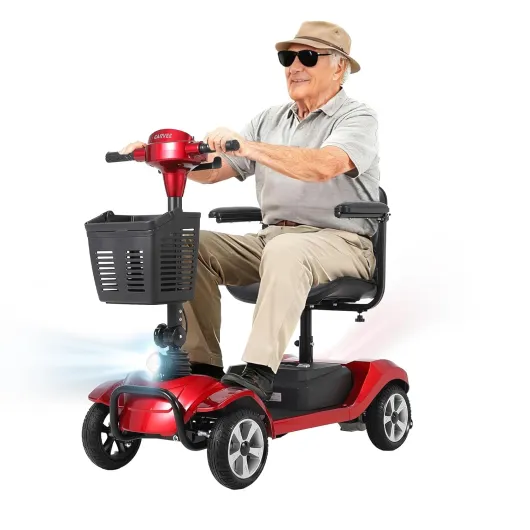
Understanding electric scooter classifications
How electric scooters are categorized by law
When it comes to riding an electric scooter, understanding how these vehicles are classified is the first step to knowing what rules and regulations apply. Electric scooters, sometimes called motorized scooters, are generally defined by their power source, speed capabilities, and design features. However, the exact classification can vary depending on your state or city.
- Power and speed: Most laws consider a scooter "electric" if it is powered by an electric motor and not by gasoline. Many regulations set a maximum speed limit, often around 15 to 20 mph (miles per hour), to distinguish low speed scooters from more powerful motorized vehicles.
- Design features: Electric scooters typically have a platform for standing, handlebars for steering, and two wheels. Some local rules may also consider whether the scooter is intended for use on sidewalks or roads.
- Where you can ride: Depending on the classification, scooters may be allowed on roads, bike lanes, or sidewalks. Local laws and city regulations often set specific limits for where electric scooters can be used.
It's important to note that the way your state or city classifies electric scooters will affect whether you need a license, what speed limits apply, and if there are age restrictions for riders. For example, some areas treat low speed electric scooters differently from other motorized scooters, which can impact whether a valid driver license is required to ride.
As you learn more about the legal requirements and safety considerations for electric scooter riders, keep in mind that local rules can change quickly. Always check the latest scooter laws in your area before you ride electric. For more details on how lighting can affect your safety and compliance, see this guide on enhancing safety with electric scooter lighting.

General legal requirements for electric scooters
Key Legal Factors for Electric Scooter Riders
When it comes to riding electric scooters, understanding the legal landscape is crucial. Laws and regulations for motorized scooters can vary significantly depending on your state or city. Some areas treat electric scooters like bicycles, while others classify them as motor vehicles, which can affect whether you need a license to ride.
- Speed limits: Many local rules set a maximum speed for electric scooters, often between 15 and 20 mph (miles per hour). Exceeding these limits can result in fines or other penalties.
- Where you can ride: Some cities allow scooters on roads, bike lanes, or sidewalks, while others restrict them to certain areas. Always check if scooters are allowed on the roads or if there are designated paths.
- Age restrictions: Minimum age requirements for scooter riders are common. These rules are often linked to whether a license is required.
- Helmet and safety gear: Safety regulations may require helmets or other protective equipment, especially for younger riders.
Motorized scooter laws are designed to keep both riders and pedestrians safe. For example, some states require a valid driver license for higher-speed electric scooters, while low speed models may have fewer restrictions. It’s important to know if your scooter’s speed or power classifies it as a motorized vehicle under local laws, as this can impact whether you need a license to ride.
Additionally, some cities have specific rules about parking, riding at night, and using lights or reflectors. To enhance your safety and comply with local regulations, consider reading about enhancing safety with electric scooter lighting.
Before you ride electric scooters in your area, always check the latest scooter laws and local rules. Regulations can change quickly, and staying informed helps you avoid fines and ensures a safer experience for all scooter riders.
Do you need a license for an electric scooter?
Do You Need a License to Ride Electric Scooters?
Whether you need a license to ride an electric scooter depends on several factors, including the type of scooter, its speed, and where you plan to ride. Regulations and laws can vary widely between states, cities, and even local neighborhoods. Understanding these differences is crucial before hitting the roads or sidewalks with your electric scooter.
- Low-speed electric scooters: In many states, scooters with a maximum speed of 15-20 mph are considered low-speed vehicles. These often do not require a valid driver license, especially if their motor power and speed limits fall within local rules. However, some cities may still require a permit or registration.
- Motorized scooters above 20 mph: If your scooter can exceed 20 miles per hour, it may be classified as a motorized vehicle. In this case, you might need a valid driver license, and the scooter could be subject to additional regulations, such as insurance or registration requirements.
- Where you ride matters: Some areas allow scooters on roads but not on sidewalks, while others have specific scooter laws for bike lanes or shared paths. Always check local regulations to see if a license is required for the areas you plan to ride.
It’s important to note that even if a license is not required, riders must still follow all applicable traffic rules, speed limits, and age restrictions. Some places require riders to be a certain age or to wear helmets, regardless of licensing requirements. For more on age restrictions and eligibility, refer to the section on age criteria.
Before you ride electric scooters, make sure you understand the specific laws in your state and city. This can help you avoid fines and ensure a safe experience. For tips on improving your comfort and ride quality, check out this guide on how shock pads improve your electric scooter ride.
Age restrictions and other eligibility criteria
Minimum Age and Eligibility to Ride Electric Scooters
When considering whether you can ride electric scooters, age restrictions are one of the first things to check. Most states and cities set a minimum age for scooter riders, and these rules can vary widely. In many places, you must be at least 16 years old to ride an electric scooter on public roads. However, some local regulations allow younger riders, while others may require you to be 18 or older.- Minimum age: Commonly set at 16, but always check your local laws.
- Valid driver license: Some areas require a valid driver license or learner’s permit, while others do not.
- Supervision: Younger riders may need adult supervision, especially on roads with higher speed limits.
Other Eligibility Criteria for Scooter Riders
Besides age, there are other eligibility requirements that may apply to electric scooter users:- Helmet use: Many states require riders under a certain age to wear a helmet, and some cities extend this rule to all ages.
- Speed limits: Electric scooters are often limited to a maximum speed (such as 15 or 20 mph) on public roads. Exceeding these limits can make your ride illegal.
- Where you can ride: Local rules may restrict scooters from certain roads, sidewalks, or bike lanes. Always check if scooters are allowed where you plan to ride.
- Insurance: While not common, a few jurisdictions require insurance for motorized scooters, especially if they exceed low speed limits.
Why These Rules Matter
Scooter laws and regulations are designed to keep both riders and pedestrians safe. Age restrictions and eligibility criteria help ensure that those riding electric scooters have the maturity and skills needed for safe operation. Before you ride electric scooters, check your city and state laws for specific requirements about age, license, speed, and where scooters are allowed. This will help you avoid fines and ride safely on roads, sidewalks, and other public spaces.Safety considerations for electric scooter users
Key Safety Tips for Electric Scooter Riders
Riding an electric scooter can be fun and convenient, but safety should always come first. Scooter laws and regulations are designed to protect riders and others on the road. Here are some important safety considerations to keep in mind before you ride electric scooters, whether you need a license or not:- Wear Protective Gear: Helmets are often required by local laws, especially for younger riders or in certain states. Even if not required, wearing a helmet, knee pads, and elbow pads can reduce the risk of injury.
- Follow Speed Limits: Many cities set speed limits for motorized scooters, often between 15 and 20 mph (miles per hour). Exceeding these limits can lead to fines or accidents. Always check the local rules for speed electric scooters on roads and sidewalks.
- Stay Visible: Use lights and reflective clothing, especially when riding at night or in low-light conditions. Some regulations require electric scooters to have front and rear lights.
- Ride Where Allowed: Not all roads or sidewalks allow scooters. Some areas restrict motorized scooters to bike lanes or specific paths. Check local scooter laws to see where scooters are allowed in your city or state.
- Obey Traffic Rules: Electric scooter riders must follow the same traffic rules as bicycles or vehicles. This includes stopping at red lights, yielding to pedestrians, and signaling turns.
- Check Your Scooter: Before each ride, inspect your scooter for working brakes, tires, and lights. A quick check can prevent accidents caused by mechanical failure.
- Respect Age Restrictions: Some states and cities have age restrictions for riding electric scooters. Make sure you meet the minimum age and any other eligibility criteria before you ride.
Understanding the Risks and Responsibilities
Scooter riders share the road with cars, bicycles, and pedestrians. This means being aware of your surroundings and riding defensively. Low speed electric scooters may seem less risky, but accidents can still happen, especially in busy city environments or on uneven roads. Always be cautious, avoid distractions like headphones, and never ride under the influence of alcohol or drugs. Remember, following the rules and being prepared helps keep everyone safe and ensures that electric scooters remain a convenient and enjoyable way to travel.What to check before riding your electric scooter
Essential Pre-Ride Checklist for Electric Scooter Users
Before you ride electric scooters on city roads or sidewalks, it’s important to make sure you’re following all local rules and scooter laws. Even if your state does not require a license to ride, you still need to check a few things to stay safe and legal.- Check Local Regulations: Laws and rules for motorized scooters can vary by city and state. Some places require a valid driver license, while others have age restrictions or speed limits for low speed electric scooters. Always confirm if you need a license or if there are specific roads mph or sidewalks where scooters are allowed.
- Inspect Your Scooter: Before riding, look over your electric scooter for any visible damage. Make sure the brakes, lights, and tires are in good condition. This is especially important if your scooter can reach higher miles per hour (mph).
- Understand Speed Limits: Many cities set speed electric limits for motorized scooters, often between 15 and 20 mph. Riding above these limits can lead to fines or other penalties, even if you don’t require a license ride.
- Wear Safety Gear: While not always required by law, wearing a helmet and reflective clothing is highly recommended for all scooter riders. Some states have specific requirements for protective gear, especially for younger riders.
- Know Where You Can Ride: Not all roads or sidewalks allow electric scooters. Check if scooters are allowed on bike lanes, main roads, or only on certain paths. Riding in prohibited areas can result in fines or other legal issues.
- Carry Required Documentation: If your state or city requires a driver license or permit for motorized scooter use, always have it with you. Some places also require proof of age or registration for certain types of scooters.