

Understanding sidewalk regulations for electric scooters
How sidewalk rules for electric scooters vary by location
When it comes to riding an electric scooter on the sidewalk, the rules can be surprisingly different depending on where you are. In some cities and states, scooter laws are very clear: riding electric scooters on sidewalks is strictly prohibited. In other areas, sidewalk riding is permitted under certain conditions, such as maintaining a low speed or yielding to pedestrians. This patchwork of regulations can make it confusing for scooter riders, especially if you travel between different neighborhoods or cities.
Local laws often set specific speed limits for scooters on sidewalks, sometimes as low as 6 mph, to reduce the risk of personal injury. Some places require riders to use bike lanes instead of sidewalks if they are available. Others might allow sidewalk riding only in areas where bike lanes or safe roads are not present. The legal minimum age to operate electric scooters also varies, with some states requiring riders to be at least 16 years old and to hold a driver license. Helmet laws may also apply, especially for younger riders or in areas with higher traffic.
Because these laws can change quickly and differ from one jurisdiction to another, it is essential for scooter riders to check the most up-to-date local regulations before riding. Understanding the maximum speed allowed, whether scooters are allowed on sidewalks, and if there are any specific restrictions in your city or state will help you avoid fines and stay safe. For more details on how scooter features like headlights can impact your riding experience and compliance with local laws, you can read this guide on enhancing your ride with scooter headlights.
As you explore the reasons behind these regulations and the ongoing debates about sidewalk riding, it becomes clear that both safety and accessibility are at the heart of the issue. Knowing the rules is the first step to responsible and legal scooter use in your area.
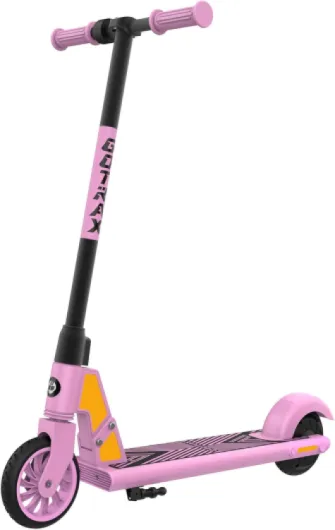
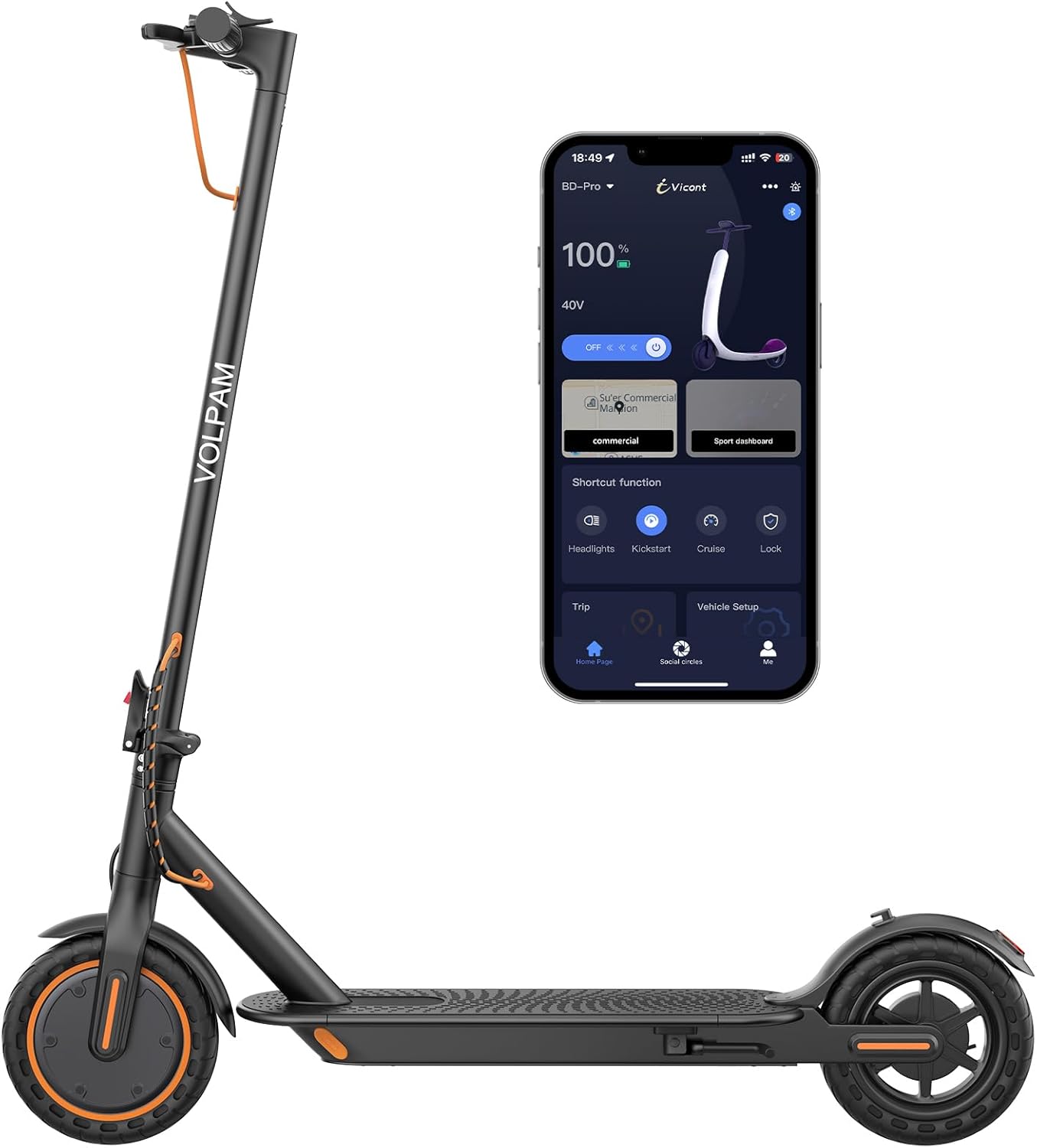
- + Lightweight: Suitable for kids aged 6-12
- + Powerful: 150W motor provides 7.5 mph speed
- + Durable: All-metal body supports up to 121 lbs
- + Easy to ride: Thumb control for simple operation
- + Convenient: Max range of 3.75 miles

Why sidewalk riding is a debated topic
Why Sidewalk Riding Sparks Debate in Many Cities
Sidewalk riding with electric scooters is a hot topic in many cities and states. The debate comes down to balancing convenience for scooter riders and safety for pedestrians. As electric scooters become more popular, questions about where they should be allowed—especially on sidewalks—are growing louder.
Some cities permit riding electric scooters on sidewalks, while others strictly prohibit it. The differences in local scooter laws often depend on:
- Population density—Crowded urban areas tend to restrict scooters on sidewalks to protect pedestrians.
- Speed limits—Some places allow scooters on sidewalks if they stay below a certain speed mph, often 6 to 10 mph.
- Age requirements—Minimum age for scooter riders can influence where riding is permitted.
- Existing bike lanes—Cities with more bike lanes may direct scooters there instead of sidewalks.
Supporters of sidewalk riding argue that it keeps scooter riders safer from car traffic, especially in areas without bike lanes. On the other hand, critics point out the risk of personal injury to pedestrians, especially when scooters travel at higher speeds or when sidewalks are crowded.
Legal confusion also fuels the debate. Scooter laws can change from one block to the next, depending on city or state regulations. Riders must be aware of local laws, including speed limits, helmet laws, and whether a driver license is required to operate electric scooters in certain areas.
Ultimately, the debate is about finding the right balance between mobility and safety. Riders need to know where scooters are allowed and follow the rules to avoid fines or accidents. For more on safety and helmet requirements, check out the importance of helmets with electric scooters.
Safety concerns for riders and pedestrians
Risks for Both Riders and Pedestrians
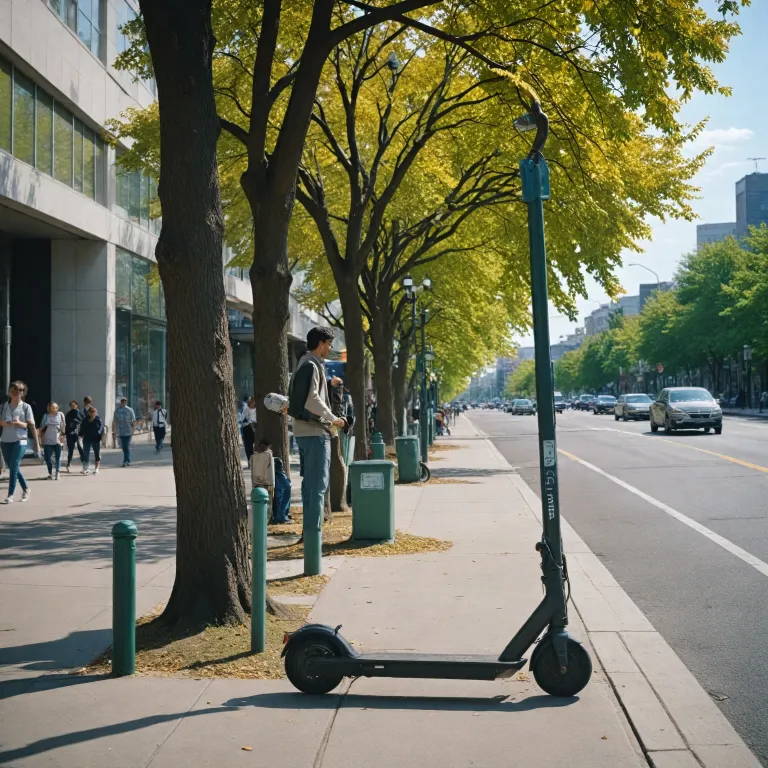
When it comes to riding electric scooters on sidewalks, safety is a major concern. Sidewalks are primarily designed for pedestrians, not for vehicles that can reach speeds of 15 mph or more. Mixing scooter riders and people on foot can quickly lead to accidents, especially in crowded urban areas where space is limited.- Personal injury risks: Collisions between electric scooter riders and pedestrians can result in serious injuries. Even at lower speeds, a scooter sidewalk accident can cause broken bones, head injuries, or worse.
- Speed differences: Most sidewalks have people walking at 2-4 mph, while electric scooters can operate at much higher speeds. This speed gap increases the risk of sudden crashes, especially if riders are not following local speed limits or helmet laws.
- Visibility issues: Pedestrians may not expect a fast-moving scooter coming from behind or around corners, making it harder to avoid accidents. Children, elderly people, and those with mobility challenges are especially vulnerable.
- Legal consequences: In many cities and states, riding electric scooters on sidewalks is not permitted. Breaking these scooter laws can result in fines or other penalties, and may also affect insurance coverage in the event of a personal injury claim.
Why Laws and Speed Limits Matter
Local laws are designed to protect everyone using public spaces. Many areas set a maximum speed for scooters allowed on certain paths, or restrict them to bike lanes and roads. Some states require a minimum age or even a driver license to operate electric scooters legally. Following these rules helps reduce the risk of injury and keeps traffic flowing smoothly. If your scooter needs repairs after an incident, or if you want to ensure it's safe before riding, finding a trusted electric scooter repair shop near you is a smart step.Shared Responsibility in Urban Areas
Both scooter riders and pedestrians share responsibility for safety. Riders should always yield to people on foot, slow down in crowded areas, and be aware of local traffic and scooter sidewalk laws. Wearing a helmet and obeying speed limits can help prevent serious injuries. Meanwhile, cities continue to debate the best ways to balance convenience, safety, and legal requirements for all users of public spaces.Alternatives to sidewalk riding
Exploring Safer and Legal Paths for Electric Scooter Riders
Many cities and states have established clear scooter laws that restrict riding electric scooters on sidewalks. If sidewalk riding is not permitted in your area, there are alternative options that can help you stay within the law and reduce risks for both riders and pedestrians.
- Bike Lanes: In several urban areas, bike lanes are designated as legal spaces for electric scooters. These lanes are designed to separate slower-moving vehicles from car traffic, making them a safer choice for scooter riders. Always check local laws to confirm if scooters are allowed in bike lanes and observe posted speed limits, which often range from 15 to 20 mph.
- Roadways: Where bike lanes are unavailable, some states allow electric scooters to operate on roads with a speed limit of 25 mph or less. Riders should stay as far to the right as practical and follow all traffic laws, including helmet laws and minimum age requirements.
- Multi-Use Paths: Certain areas provide shared-use paths for bikes, scooters, and pedestrians. These paths often have posted speed limits and rules about yielding to foot traffic. Always be mindful of personal injury risks and adjust your speed accordingly.
- Designated Scooter Areas: Some cities have created specific zones or routes where scooters are allowed. These areas are designed to keep scooter riders safe and reduce conflicts with pedestrians.
Before you ride, it is important to check your local scooter laws, as rules can vary widely between states and even between cities within the same state. Knowing where scooters are permitted, the maximum speed allowed, and whether a driver license is required will help you avoid fines and ensure a safer experience for everyone.
How to check local laws before riding
Finding Accurate Information on Electric Scooter Laws
Checking local laws before riding an electric scooter is essential, as rules can differ widely between cities, states, and even neighborhoods. What is permitted in one area may be illegal in another, especially when it comes to sidewalk riding, speed limits, and where scooters are allowed to operate.- City and State Websites: Most cities and states publish their scooter laws online. Look for sections on transportation, traffic, or micro-mobility. These resources often clarify if riding electric scooters on sidewalks is legal, the maximum speed allowed (often between 15-20 mph), and whether bike lanes are required for scooter riders.
- Local Law Enforcement: Police departments and local traffic authorities can provide up-to-date information on scooter sidewalk regulations, helmet laws, and minimum age requirements for riders years old.
- Rental Scooter Apps: If you use shared scooters, the app may include a summary of local rules, including where scooters are permitted, speed limits, and whether a driver license is needed to operate electric scooters.
- Community Forums: Online forums and local social media groups often discuss changes in scooter laws and share personal experiences about riding electric scooters in specific areas.
Key Points to Verify Before Riding
- Is sidewalk riding allowed, or are scooters restricted to bike lanes or roads?
- What is the speed limit (in mph) for electric scooters in your area?
- Are there helmet laws or minimum age requirements for scooter riders?
- Do you need a driver license to operate electric scooters?
- Are there specific areas where scooters are not permitted, such as parks or school zones?
Tips for responsible scooter riding near pedestrians
Practical Ways to Share Sidewalks Safely
When riding electric scooters near pedestrians, being considerate is crucial. Even if local laws permit sidewalk riding, safety and courtesy should always come first. Here are some practical tips for responsible scooter riding in shared areas:- Keep your speed low: Many cities and states set a maximum speed limit for electric scooters on sidewalks, often around 6-10 mph. Always slow down when approaching crowded areas or intersections.
- Yield to pedestrians: Pedestrians always have the right of way on sidewalks. Stop or move aside if someone is in your path, and never weave between people.
- Use a bell or your voice: Politely alert others when passing from behind. A simple bell ring or a friendly “excuse me” helps prevent surprises and personal injury.
- Stay alert: Watch for children, pets, and obstacles. Avoid distractions like headphones or mobile phones while riding electric scooters.
- Follow local scooter laws: Rules can vary between states and cities. Some areas ban scooters from sidewalks entirely, while others allow them with restrictions. Always check the latest regulations before you ride.
- Respect speed limits: If a speed limit is posted for bikes or scooters, obey it. Going too fast increases the risk of accidents and legal issues.
- Wear a helmet: Even if helmet laws don’t require it, wearing one reduces the risk of head injuries. Some states set a minimum age or require helmets for riders years under a certain age.
- Use bike lanes when available: Many cities encourage scooter riders to use bike lanes instead of sidewalks. This keeps sidewalks safer for pedestrians and helps you operate electric scooters more efficiently in traffic.