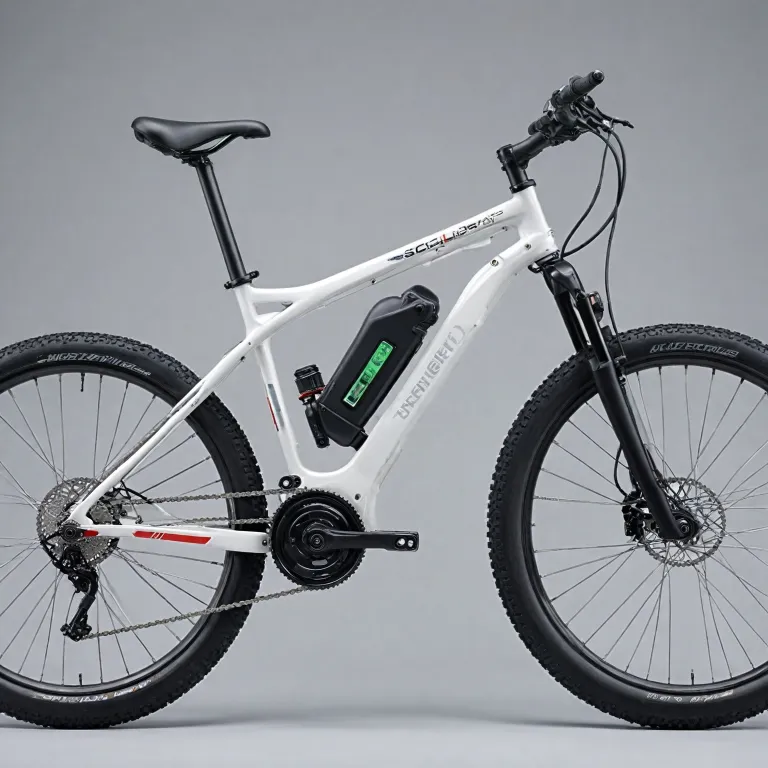
Why electric bike battery placement matters more than you think
On any modern electric bike, battery placement quietly shapes every ride. The position of the bicycle battery affects balance, handling, and how efficiently electric power is delivered over long distances. A well positioned bike battery also protects delicate lithium ion cells and keeps charging routines simple and safe.
Engineers design electric bikes so that the battery pack works with the frame, not against it, which is why mid mounted solutions near the seat tube are increasingly popular. When the battery and batteries sit close to the bicycle’s center of gravity, riders feel more natural stability while riding at different speeds and on varied terrain. Poorly chosen electric bike battery placement, especially on improvised conversions, can overload a rear rack or down tube and reduce both performance and comfort.
Most electric bicycle systems rely on lithium ion batteries because their energy density is high and their weight is relatively low. These lithium cells allow a compact pack to store enough watt hours to deliver practical range for commuting or leisure riding. The same principles apply to scooters, where careful positioning of batteries electric inside the deck or stem keeps handling predictable and braking safer.
For people comparing bikes and electric scooters, understanding where the battery sits is an essential guide to real world usability. A removable battery bike offers flexibility, but the mounting hardware must keep the pack secure under vibration and repeated charge cycles. Thinking about capacity, higher voltage options, and how bike batteries integrate with the frame will help you choose equipment that feels stable, efficient, and reassuring in daily use.
Central frame mounting and seat tube integration
Mounting the battery inside the main frame triangle is now a reference solution for many electric bikes. Placing the pack along the down tube or near the seat tube keeps weight low and centered, which improves riding stability during cornering and emergency braking. This central electric bike battery placement also protects the bicycle battery from impacts and road spray.
Designers often shape the frame so that the battery pack appears almost hidden, creating sleek electric bicycle profiles. When the battery and batteries lock into the frame, the structure behaves as a single unit, which helps maintain predictable performance even on rough surfaces. For commuters, this integrated approach can make batteries easier to manage because the charging port is accessible while the pack remains mounted.
Some systems still allow a removable battery even when it is recessed into the frame. Riders can slide the lithium ion pack out vertically or sideways, then carry it indoors for charging without moving the whole bike. This combination of removable convenience and central placement offers a practical balance between security, capacity, and daily usability.
Central mounting also benefits three wheel mobility devices and scooters that prioritize stability. On a three wheel electric mobility scooter, placing batteries electric between the wheels lowers the center of gravity and reduces tipping risk. Whether on bikes or scooters, a well supported frame and correctly sized battery capacity work together to deliver reliable power and consistent range.
Rear rack and seat tube solutions for practical daily use
Rear rack mounting remains common on city bikes and step through electric bicycles designed for comfort. In this configuration, the battery pack sits above the rear wheel, often integrated into a sturdy rear rack that can also carry light luggage. This electric bike battery placement keeps the frame open and accessible, which is helpful for riders with limited mobility.
However, concentrating battery and batteries weight high and behind the rider can change handling characteristics. During riding on wet roads or steep descents, a heavy battery bike on the rear rack may feel less agile and slightly slower to respond. Manufacturers compensate by tuning the frame, fork, and brakes so that performance remains predictable for everyday bicycle use.
Seat tube mounted packs offer a compromise between central and rear positions. When a bicycle battery hugs the seat tube, weight stays closer to the rider’s body, which can improve balance compared with a far back rack solution. This layout is particularly attractive on compact electric bikes where space for lithium ion cells is limited but a removable battery is still desired.
Parents choosing equipment for younger riders face similar trade offs when selecting scooters. A practical guide for children’s electric scooters often highlights how battery placement influences safety and maneuverability. The same logic applies to bike batteries, where thoughtful positioning, adequate capacity, and controlled power output help build rider confidence from the first kilometres.
Down tube, shark battery designs, and removable packs
Down tube mounted packs, including popular shark battery formats, have become a standard for many modern electric bikes. These streamlined cases bolt directly to the frame and hold lithium ion cells in a rigid shell that resists vibration. Because the pack follows the line of the frame, this electric bike battery placement distributes weight evenly and keeps the bicycle’s silhouette clean.
Shark battery designs usually support a removable battery mechanism, allowing riders to slide the pack off a rail for charging. This makes batteries easier to manage in apartments or offices where bringing the entire bike indoors is inconvenient. It also simplifies swapping between multiple bike batteries when extended range is required for long distance riding.
From a technical perspective, down tube packs can host higher voltage systems and larger capacity without compromising handling. The combination of high energy density lithium ion cells and efficient controllers allows a compact pack to deliver strong power while maintaining reasonable weight. Riders should still check the rated watt hours and verify that the bicycle battery matches their expected daily range.
Similar principles guide battery placement on performance oriented scooters with powerful motors. In detailed tests of high power electric scooters, reviewers often note how deck mounted packs improve stability at speed. Whether on bikes or scooters, a well secured battery pack, robust mounting hardware, and balanced frame geometry are essential for safe, predictable performance.
Capacity, range, and energy density in real riding conditions
Battery capacity, usually expressed in watt hours, directly influences how far an electric bike can travel on a single charge. A larger bicycle battery with higher capacity stores more energy, but it also adds mass that must be carried by the frame. Electric bike battery placement therefore becomes a structural question as much as an electrical one.
When a heavy pack is mounted too high or too far from the center, riding can feel unstable, especially at low speeds. Central frame or seat tube positions help the bike and rider move as a unified system, which improves comfort over long distances. Designers must balance the desire for extended range with the need to keep batteries electric positioned where handling remains intuitive.
Lithium ion technology, with its high energy density, allows modern bike batteries to deliver impressive performance without excessive bulk. Carefully arranged lithium cells inside the pack share loads evenly, supporting both higher voltage systems and consistent power output. Riders should evaluate not only the nominal capacity but also how the pack’s placement affects cooling, durability, and ease of charging.
Real world range depends on terrain, rider mass, assistance level, and wind conditions. A compact battery bike used mainly on flat urban routes may achieve excellent efficiency even with modest capacity. For hilly regions or cargo electric bikes, a larger bicycle battery and optimized placement along the frame can provide the extra support needed for demanding daily use.
Removable batteries, charging habits, and long term care
Removable batteries have transformed how people live with electric bikes and scooters. Being able to detach the battery pack from the frame makes charging more flexible, especially in buildings without secure ground floor storage. This convenience is one reason many riders prefer electric bike battery placement that supports quick removal without tools.
However, frequent removal means the mounting rails and electrical contacts must be robust. Poorly aligned hardware can stress lithium ion cells or create intermittent connections that reduce performance and reliability. Manufacturers therefore design bike batteries and frames together so that batteries easier to remove are also safely locked during riding.
Good charging habits extend the life of lithium ion batteries and preserve their energy density. Avoiding full discharges, limiting time spent at 100 percent charge, and storing the bicycle battery in moderate temperatures all help maintain capacity. Riders should also use only approved chargers, because mismatched voltage or current can damage ion batteries and shorten useful range.
For scooters and bikes alike, regular inspection of the pack and frame mounting points is essential. Any movement of the battery during riding, especially on rough surfaces, can stress the frame and wiring. Treating the battery pack as a structural component, not just a source of power, supports safer journeys and more predictable performance over many seasons.
Lessons from electric scooters for safer bike battery placement
Electric scooters face unique challenges that offer valuable lessons for bicycle design. Their shorter wheelbase and narrower deck mean that battery and batteries placement has an even stronger influence on stability. Engineers often embed lithium ion packs inside the deck to keep weight low and centered, a strategy increasingly mirrored in electric bike battery placement.
On both scooters and bikes, uneven weight distribution can lead to wobble, longer braking distances, or unexpected slides. Positioning the battery pack close to the frame’s central axis helps the rider maintain control when cornering, braking, or accelerating. This is particularly important for higher voltage systems that deliver strong power and rapid acceleration.
Urban riders often compare electric bikes and scooters when choosing a daily vehicle. Scooters typically offer compact storage, while bikes provide a more familiar riding posture and the option to pedal without power. In both cases, understanding how capacity, energy density, and mounting hardware interact will guide better decisions about battery bike configurations.
Future designs are likely to integrate bicycle battery systems even more deeply into frames and decks. As lithium ion technology evolves, packs may shrink while maintaining or increasing watt hours, giving designers more freedom to optimize placement. For now, riders should focus on balanced frames, secure mounts, and realistic range expectations when evaluating bike batteries and batteries electric for everyday mobility.
Key statistics on electric bike batteries and placement
- Global sales of electric bikes have grown steadily, with millions of units added to urban fleets worldwide.
- Typical commuter electric bikes use battery packs ranging from about 400 to 700 watt hours.
- Many modern lithium ion bicycle batteries are designed for several hundred full charge cycles before noticeable capacity loss.
- Central frame mounting has become the dominant layout on new mid to high range electric bicycles.
- Energy density improvements in lithium ion cells have significantly reduced battery weight compared with earlier chemistries.
Common questions about electric bike battery placement
Where is the best place to mount an electric bike battery ?
The most balanced option is usually inside the main frame triangle, along the down tube or near the seat tube. This central placement keeps weight low and close to the rider, which improves handling and braking. It also protects the pack from impacts while leaving space for accessories like racks and mudguards.
Does rear rack battery mounting affect bike stability ?
Rear rack mounting can be perfectly safe, but it changes weight distribution. A heavy pack high above the rear wheel may make the bike feel less agile, especially when cornering or riding downhill. Riders who carry additional luggage on the rack should be particularly attentive to total load and braking distance.
Are removable batteries less secure than integrated ones ?
Removable batteries are not inherently less secure if the locking mechanism and rails are well designed. Quality systems use robust keys and latches that prevent movement during riding while still allowing easy removal for charging. Integrated packs may offer a cleaner look, but they can be harder to service or replace.
How does battery capacity influence placement choices ?
Larger capacity packs weigh more, so their placement has a stronger impact on handling. Designers often position high capacity batteries centrally to avoid overloading the front or rear of the bike. Riders who need very long range should prioritize frames built specifically to support heavier packs safely.
What should I check before buying an electric bike for daily commuting ?
Look at where the battery is mounted, its watt hour rating, and whether it is removable. Consider how the placement will feel when the bike is loaded with bags or used on hills. Finally, ensure that the frame, brakes, and tires are matched to the power and mass of the complete system.