
Summary
Editor's rating
Value for money: where it stands for a kids’ first e-scooter
Design and features: flashy, kid-friendly, and mostly practical
Battery life and charging: honest but not magical
Comfort and ride feel: fine for kids, a bit stiff but stable
Build quality and durability: feels solid but not indestructible
Speed, braking and real-world performance
What you actually get with the Gyroor H30 Max
Pros
- Good balance of speed and safety for kids (3 speed modes up to ~10 mph)
- Dual braking system (electronic + foot) that stops quickly and predictably
- Lightweight, easy to assemble, and adjustable handlebar height for growing kids
Cons
- Real-world range closer to 5–7 miles than the advertised 10, especially with music on
- Limited hill performance and max 132 lbs weight make it less suitable for bigger or older kids

Specifications
View full product page →| Brand | Gyroor |
A kids’ e-scooter that actually gets used, not just on birthdays
I’ve had the Gyroor H30 Max at home for a few weeks now, shared between a 7-year-old and a 10-year-old. I’ll be blunt: most kids’ electric scooters I’ve tried feel like toys that end up in the garage after three rides. This one actually gets used almost every day after school, which already says a lot. It’s not perfect, but it does the job pretty well for short rides around the neighborhood.
The setup was simple. Out of the box, it took me maybe 10–15 minutes to assemble, including checking the screws and giving the kids the safety talk. You basically attach the handlebar with a few screws, charge it, and that’s it. No weird tools, no complicated app pairing. For a parent who doesn’t want to spend an hour reading a manual, that’s appreciated.
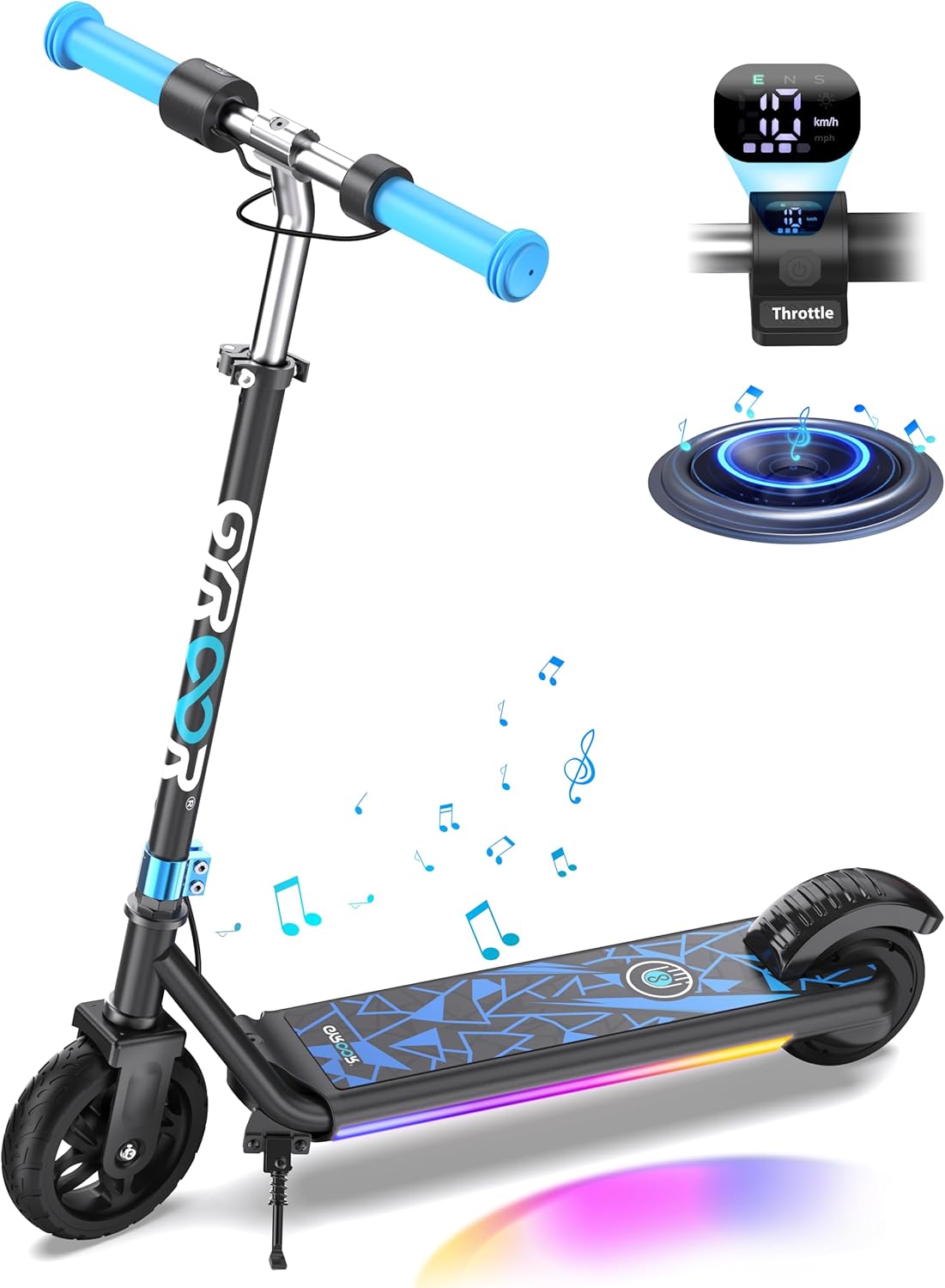
From the kids’ point of view, what grabbed them right away were the lights and the Bluetooth speaker. It’s very much a “look at my scooter” kind of product. The LED panel and under-deck lights are bright, and the fact they can blast music directly from the scooter makes it feel more like a gadget than just a ride. Personally I think the speaker can be too loud, but they love it.
In this review, I’ll go through how it performs in real life: speed, brakes, battery, comfort, and whether it feels safe for kids in the 6–12 range. I’m not going to dress it up: it’s a pretty solid kids’ e-scooter with a few small annoyances and some limits you should know before buying, especially if your child is on the heavier or older side of the range.
Value for money: where it stands for a kids’ first e-scooter
In terms of value, I’d call the H30 Max “good but not crazy cheap.” You’re paying for a mix of real features (150W motor, proper dual braking, LED display, adjustable handlebar) and fun extras (lights and Bluetooth speaker). If your kid is just going to ride once a month, it’s probably overkill. But if they’re at the age where all their friends are starting to ride electric scooters, this hits a nice middle ground between toy and serious gear.
Compared to some no-name kids’ e-scooters I’ve seen in big box stores, this one feels more thought-out. The speed modes, the braking, and the weight limit all line up with actual use. The 4.5/5 average rating on Amazon with hundreds of reviews matches my experience: most people seem happy, a few have issues, but it’s not a disaster product. The fact that several users mention helpful customer service is also a plus, since kids do break things.
That said, it’s not perfect for every situation. If you live in a very hilly area, the 150W motor will feel underpowered. If your kid is already close to 12 and big for their age, you might be better off going straight to a slightly more powerful scooter with a higher weight limit so you don’t outgrow it in a year. And if you don’t care about lights or music, you might find simpler models that focus just on motor and battery for a similar price.
For a 7–11-year-old in a mostly flat neighborhood, who will actually use it several times a week, I think the price makes sense. You get a product that feels safe enough, fun enough, and solid enough. Not a bargain of the century, but a pretty solid deal if you match it to the right kid and the right environment.
Design and features: flashy, kid-friendly, and mostly practical
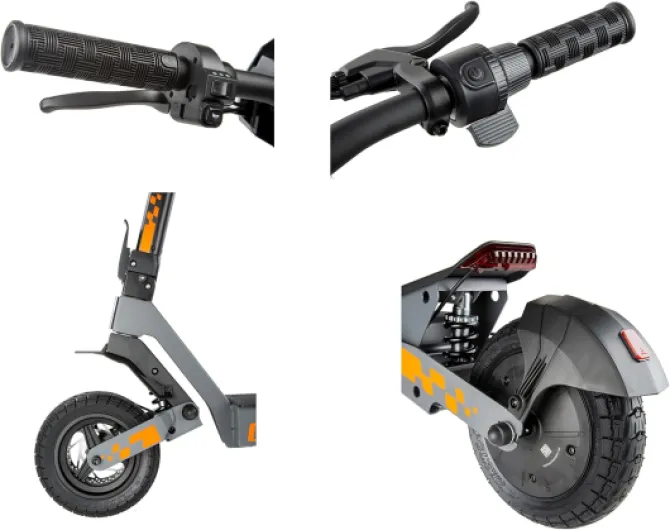
The design is clearly aimed at kids who like gadgets. The blue color on my unit looks clean and not too childish, so a 10–11-year-old doesn’t feel like it’s a baby scooter. The deck is fairly slim (around 5.6 inches wide), but wide enough for a kid to stand with one foot in front of the other comfortably. A bigger kid might find it a bit narrow, but my 10-year-old managed fine. The LED lights on the panel and along the body are bright and visible even at dusk, which adds both fun and a bit of safety.
The handlebar has three height settings: 34, 36, and 38 inches. Adjusting it is straightforward: you loosen, slide, and re-lock. I had it on the lowest setting for the 7-year-old and the middle or top for the 10-year-old. At full height, it’s borderline for a tall 12-year-old, but still workable. The grips are non-slip rubber and feel decent in hand; nothing fancy, but good enough for kids’ sweaty hands and random bumps.
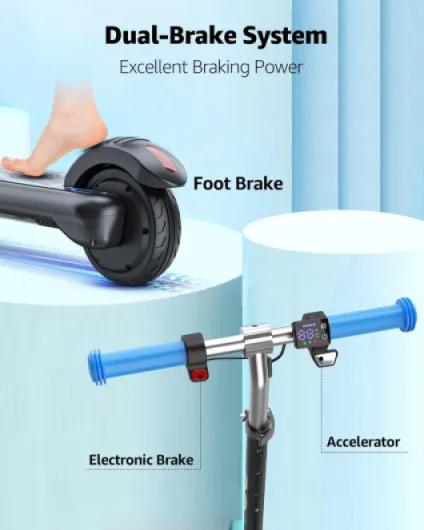
Control-wise, it’s simple. The electronic throttle is on the right side, like most e-scooters, and the kids got used to it in minutes. There’s a digital display that shows speed and battery level, which the kids check constantly. It’s readable in daylight, though under full sun it’s a bit faded but still usable. You also get a rear fender that doubles as a foot brake and helps with splash protection when the ground is slightly wet (I still wouldn’t let them ride in heavy rain).
On the downside, there’s no real folding system mentioned, and in practice it’s not something you quickly fold and toss in a backpack. It’s more of a grab-and-go design. Also, with all the lights and Bluetooth stuff, it’s a bit “busy” visually. If you want something low-profile, this isn’t it. But for a kid who wants to show off in front of friends, the design choices make sense and they clearly like it.
Battery life and charging: honest but not magical
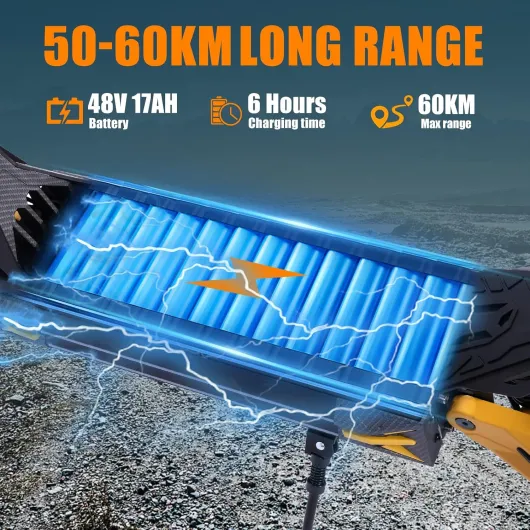
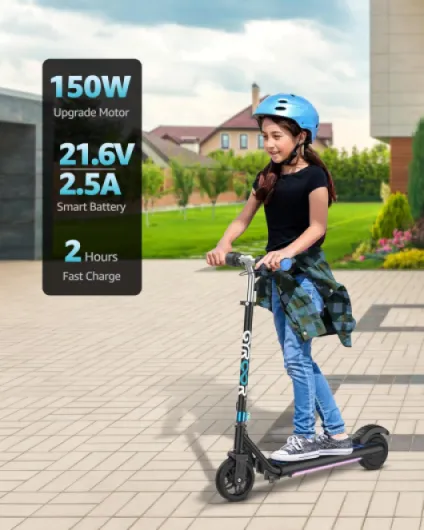
The battery is listed as 21.6V/2.6Ah with a claimed range of up to 10 miles and about 2 hours to fully charge. In everyday use, those numbers are optimistic but not totally out of touch. With my 10-year-old riding at mixed speeds, some stop-and-go, and Bluetooth music on half the time, we were getting around 45–60 minutes of actual ride time before the scooter started feeling a bit weaker. That’s probably 5–7 miles tops, not the full 10.
For a kid riding around the neighborhood after school, that’s usually enough. They ride, come back, park it, and I plug it in. The 2-hour charge time is pretty accurate: you can go from low battery to full in roughly that time. It’s convenient enough that you can charge it between afternoon and evening rides if needed. There’s no fancy battery management app or anything; you just rely on the display and common sense.
One thing I noticed: once you get down to the last bar on the battery indicator, performance drops more clearly. The scooter still works, but acceleration is softer and top speed is lower. That’s better than it just shutting off suddenly, but kids do complain when it “feels slow.” I’d say teach them to come back home when it hits the last bar or plan shorter rides if you don’t want to deal with that phase.
If you’re expecting a scooter that runs all day on one charge, this is not it. But for the price and the target age, the battery is acceptable. It matches what other parents reported: roughly 1–2 hours of realistic use depending on weight, slope, and speed mode. For quick school-holiday rides or visits to nearby friends, it’s fine. For long family bike rides, you’ll probably run out of juice before everyone is done.
Comfort and ride feel: fine for kids, a bit stiff but stable
In terms of comfort, I’d say it’s pretty decent for short rides, which is what this thing is made for. The scooter has dual suspension listed in the specs, but you shouldn’t expect a magic carpet. On smooth pavement, the ride is very stable and the kids looked relaxed, even at the top 10 mph speed. On rougher sidewalks with cracks and small bumps, you can see and hear the scooter working, but it’s not rattling apart or anything.
The deck height is low enough that kids can hop on and off easily, and it gives a sense of stability. My 7-year-old was a bit nervous the first 10 minutes, but once he trusted the balance, he rode it without holding a death grip on the bars. The non-slip grip on the deck does its job: no sliding even when they stepped on with slightly dirty or dusty shoes. The handlebar grips are comfortable enough and didn’t cause any complaints about sore hands, even after about 30–40 minutes of continuous riding.
Where you feel some limits is on bad surfaces. The solid 6-inch rubber wheels don’t absorb much shock on their own, so if your neighborhood has a lot of broken pavement or rough asphalt, the ride can feel a bit harsh, especially for lighter kids. They didn’t complain much, but you can tell it’s not as smooth as bigger scooters with air-filled tires. It’s fine for driveways, bike paths, and normal sidewalks, but less fun on rough roads.
Overall, for the target age, the comfort is good enough. The scooter feels stable, doesn’t wobble weirdly, and the kids stay in control. Just don’t expect them to ride for two hours straight without some fatigue. For a 15–30 minute ride to a friend’s house or around the block, the balance between stiffness and stability is okay.
Build quality and durability: feels solid but not indestructible
The frame is aluminum and feels solid enough in hand. There’s no flex or scary creaking when the kids ride it, even when my heavier niece (around 90 lbs) tried it. The overall weight of 13.2 lbs makes it light, but it doesn’t feel cheap or hollow. The plastic parts (like the fender and some housing around the deck and lights) are decent, though you can tell this isn’t a premium adult scooter. For kids, it’s fine as long as they don’t constantly throw it around.
We had one small spill where the 7-year-old turned too sharply and the scooter slid sideways. Result: a few scratches on the side and a scuffed grip, but nothing broke. That matches some of the Amazon reviews mentioning minor crashes where only parts like the throttle broke and were then replaced by Gyroor. So it’s not bulletproof, but it also doesn’t fall apart at the first fall. For a kids’ product that will inevitably be dropped, that’s important.
The solid rubber wheels are a plus in terms of durability: no punctures to worry about, and they seem to handle regular sidewalk debris without issues. The downside is less comfort on rough ground, but in terms of lifespan, they should outlast a couple of seasons of normal use. The lights and Bluetooth speaker still worked fine after a few weeks of use and one fall, so at least in the short term there’s no obvious weak electronic component.
Long-term, I wouldn’t expect this to survive 4–5 years of heavy use by multiple kids, but for one main child over 2–3 years, it seems reasonable. The 6-month manufacturer warranty is on the short side, though, so if you’re unlucky and something big fails later, you’re on your own. That said, several buyers mentioned that Gyroor support answered quickly and sent replacement parts like throttles, which is a good sign. So: durable enough for normal family use, but treat it like electronics, not like a BMX.
Speed, braking and real-world performance
Performance-wise, the 150W motor is decent for kids. With my 10-year-old (around 75 lbs), it hit the claimed 10 mph on flat ground in the highest mode. On the lower modes (around 6 and 8 mph), it’s much more beginner-friendly. For the 7-year-old, I locked it to the middle speed at first, which was fast enough to be fun but not so fast that I was stressed watching him. Acceleration is smooth, not jerky, which is important for kids who are still learning to balance.
The dual brake system is one of the better points. You have an electronic brake plus the rear foot brake on the fender. Combined, they stop the scooter quickly without throwing the kid forward. I tested stopping distance at top speed on dry pavement with the 10-year-old, and it stopped in a short, controlled space. The electronic brake alone slows it down nicely, and if the kid also uses the rear fender, it stops even faster. For a kids’ scooter, that’s reassuring.
On small inclines (say, typical neighborhood slopes), the scooter manages, but you can feel it slow down. With a lighter kid, it still climbs, just at a reduced speed. With a heavier kid closer to the 132 lbs limit, don’t expect it to do much on hills. It’s fine for mostly flat areas but not meant for serious climbing. Gyroor claims it can handle up to a 10° incline, which matches what I saw: it works, but it’s not fast.
One thing to keep in mind: when the battery starts to drop, you feel the performance dip. The scooter still runs but accelerates slower and struggles more on any incline. That’s normal for this kind of product, but if your child is used to full power, they’ll notice. Overall, for flat suburban or urban riding, the performance is more than enough for kids and actually feels a bit fast at first until they get used to it.
What you actually get with the Gyroor H30 Max
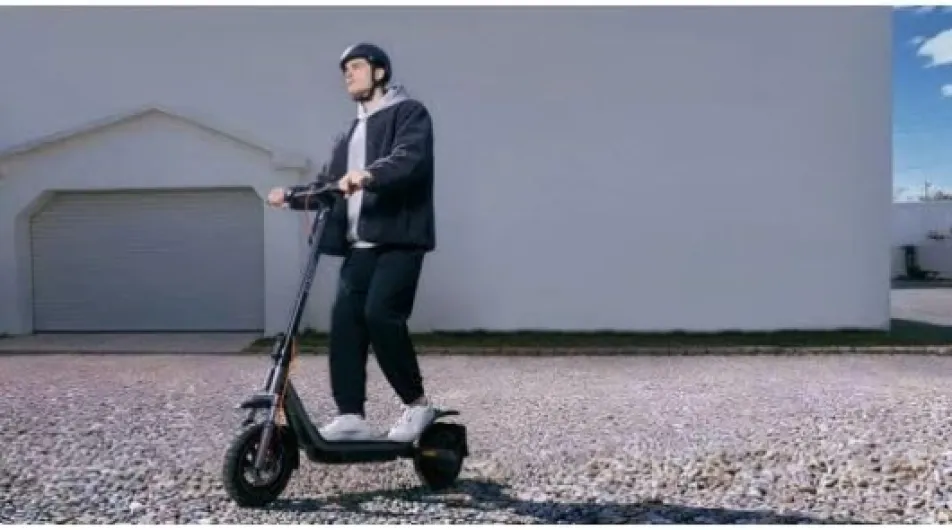
The H30 Max is a compact electric scooter aimed at kids roughly 6–12 years old, though in practice I’d say it’s better from 7–11 depending on height and confidence. It has a 150W motor, three speed modes (around 6 / 8 / 10 mph), a digital display, adjustable handlebar height, built-in lights, and a Bluetooth speaker. Max rider weight is listed at 132 lbs (about 60 kg), so this is clearly not for teens or adults. If your kid is already close to that weight, don’t expect miracles on hills.
On paper, the range is up to 10 miles, with a 21.6V/2.6Ah battery and a 2-hour charge time. In real life with stop-and-go riding, music on, and some small inclines, I’d say it’s more like 5–7 miles of actual use before the kids start complaining it feels slower. For typical neighborhood use, that’s enough, but it’s not something you use for long day trips.
The scooter weighs about 13.2 lbs, which is light enough for an adult to carry one-handed and just light enough for an older kid to drag up a curb or a small set of stairs. There’s no folding mechanism mentioned in the specs, and in practice it’s more of a “grab and carry” product than a commuter scooter you fold and put on a bus. That’s fine, since it’s clearly designed for short home-to-park or home-to-friend’s-house rides.
Overall, the H30 Max sits in that middle ground: not a cheap plastic toy, but not some high-end electric scooter either. It feels like a proper entry-level e-scooter for kids who want something with real speed and features (lights, display, Bluetooth) without going into adult scooter territory. If you’re expecting a tank that will survive three kids over 5 years, that might be optimistic, but for a couple of seasons of regular use, it looks reasonable.
Pros
- Good balance of speed and safety for kids (3 speed modes up to ~10 mph)
- Dual braking system (electronic + foot) that stops quickly and predictably
- Lightweight, easy to assemble, and adjustable handlebar height for growing kids
Cons
- Real-world range closer to 5–7 miles than the advertised 10, especially with music on
- Limited hill performance and max 132 lbs weight make it less suitable for bigger or older kids
Conclusion
Editor's rating
Overall, the Gyroor H30 Max is a solid kids’ electric scooter that does what it promises without pretending to be more than it is. It’s easy to assemble, light enough to carry, and the 150W motor gives enough speed to be fun without being crazy. The dual braking system is a real plus for safety, and the adjustable handlebar height lets it follow a child for a few years. The LED lights and Bluetooth speaker are clearly aimed at kids, and they work: this is the feature that gets them excited to ride it instead of leaving it in the garage.
On the downside, the range is more realistic at 5–7 miles than the advertised 10, especially with music and higher speeds. The solid wheels and basic suspension mean it’s fine on decent pavement but not very comfortable on rough surfaces. The 132 lbs weight limit and modest hill-climbing ability also mean it’s not ideal for bigger kids or very hilly neighborhoods. And while build quality is pretty good for the price, this isn’t a tank you hand down through four cousins.
If you have a 7–11-year-old, live in a mostly flat area, and want a first electric scooter that’s fun but still manageable, this is a good option. Parents who care about safety will appreciate the brakes and stable ride, kids will love the lights and music. If your child is heavier, older, or you want something for longer rides or serious hills, I’d look at more powerful models instead. For its target use, though, the H30 Max gets the job done and feels like money reasonably well spent.