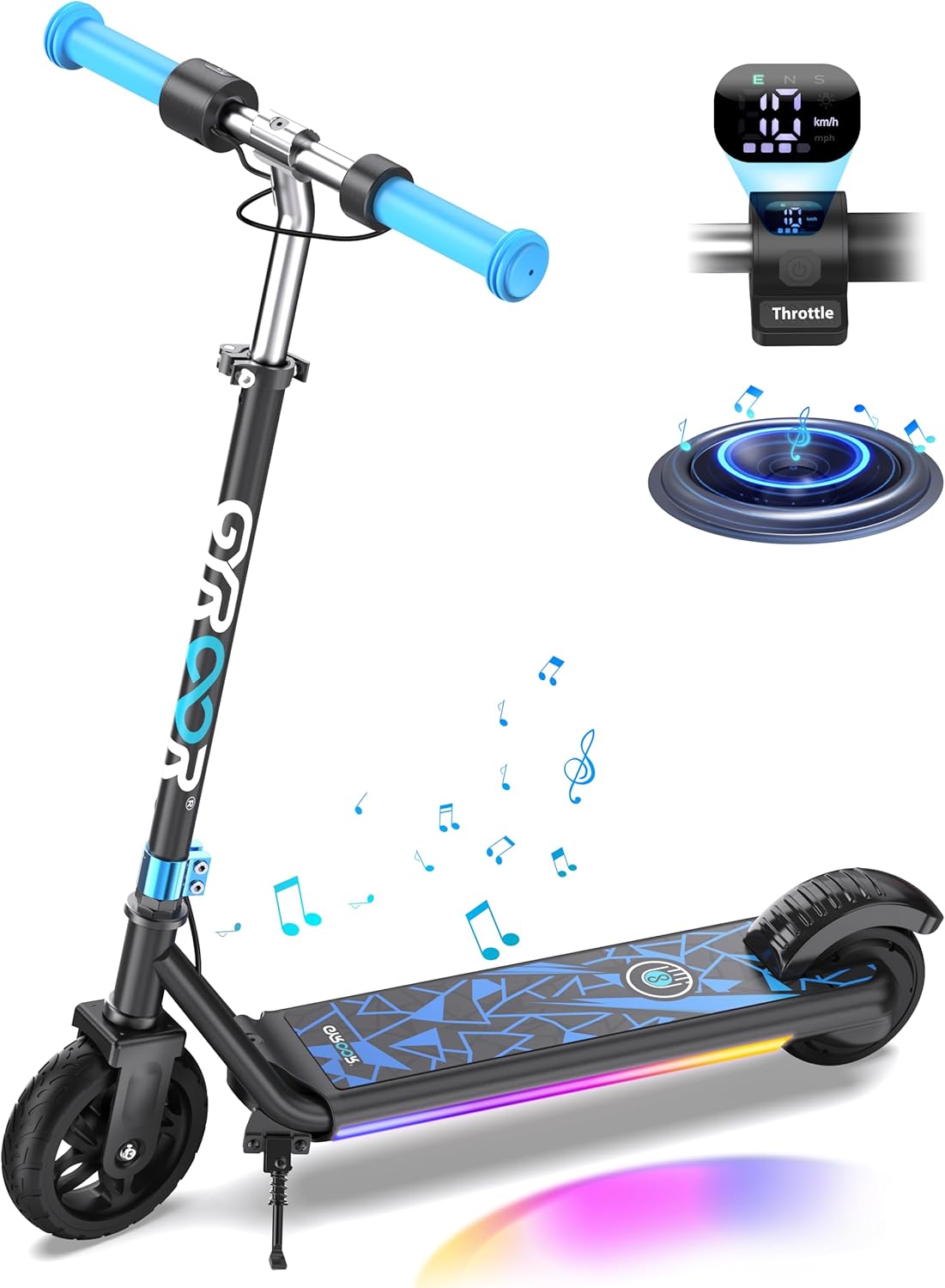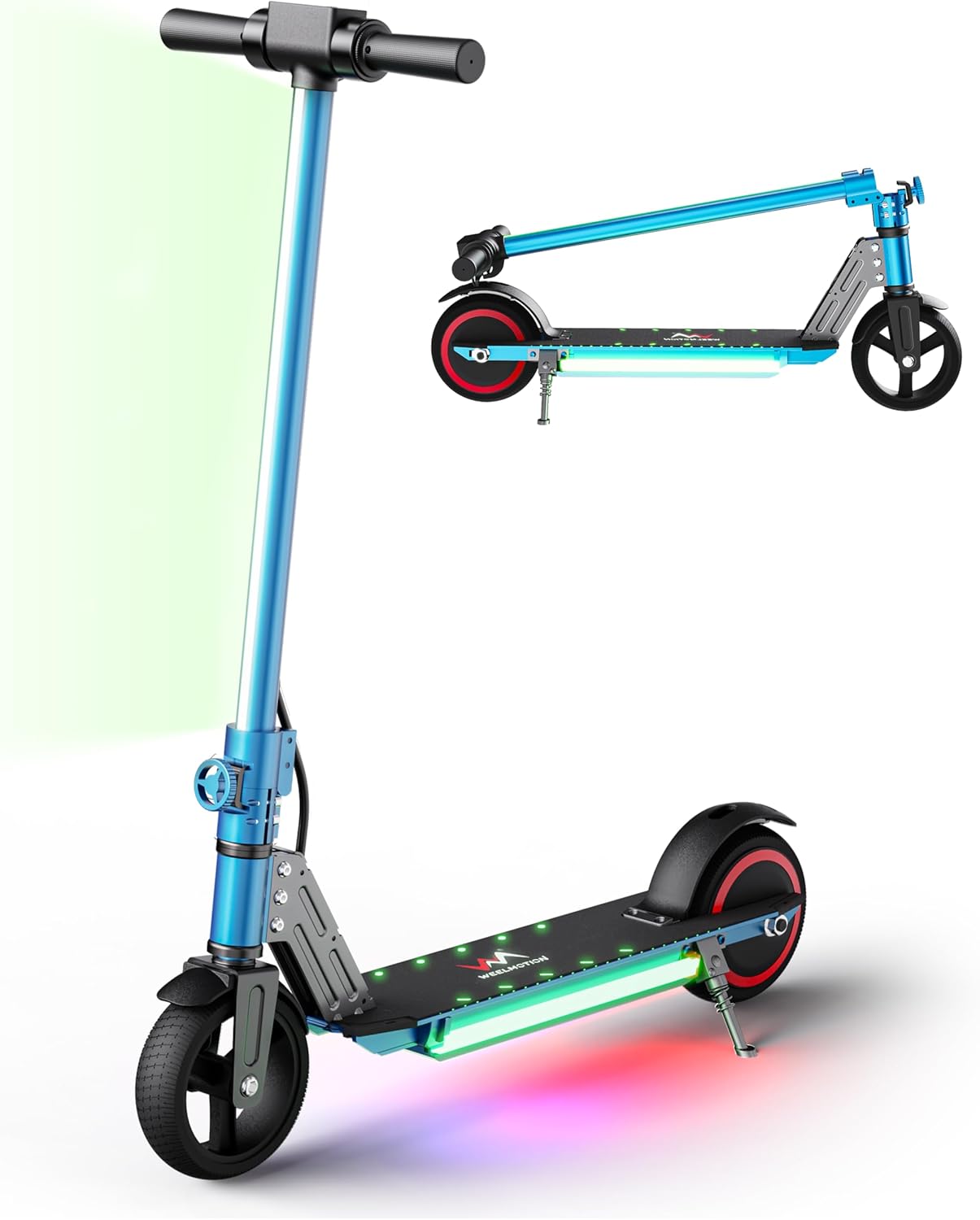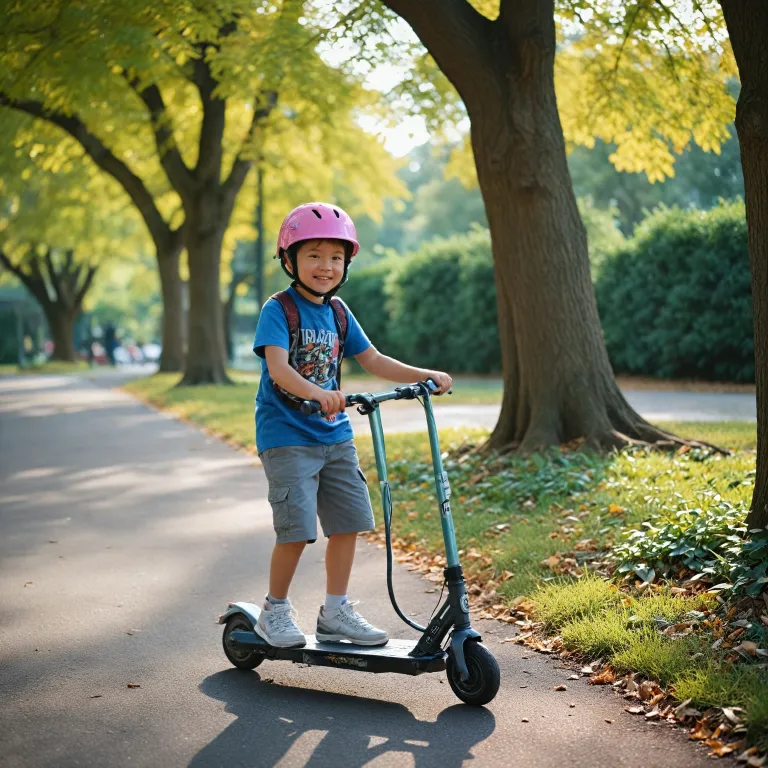


Understanding the needs of a 10 year old
What Makes a Scooter Suitable for Kids Aged 10?
Choosing an electric scooter for a 10 year old is about more than just picking a fun ride. At this age, kids are developing their sense of balance, coordination, and independence. The right scooter should match their physical abilities and confidence level, while also supporting their growth. Consider the following when evaluating scooters for your child:
- Weight and Size: Look for scooters that are lightweight (often under 30 lbs) and easy for kids to handle. The deck should be wide enough for comfortable standing, but not so large that it becomes hard to control.
- Speed and Power: For kids aged 10, a maximum speed of 10-15 mph is generally considered safe. Many kids electric scooters offer speed modes, allowing you to limit the speed as your child learns. Models like the Segway Ninebot and Hiboy Lite are popular for their adjustable speed mph settings and reliable build quality.
- Battery Life and Range: A good battery should provide enough ride time for fun, but not so much that it encourages risky behavior. Most scooters for this age group offer a range of 5-10 miles per charge, balancing playtime with safety. The battery should also be easy to charge and maintain.
- Safety Features: Features like a foot brake or rear wheel brake, kick start, and visible color options help keep your child safe. Some scooters include extra safety features, which will be discussed in detail later.
- Ease of Use: The scooter should be easy to start, stop, and steer. Kick scooters with electric assist are often a great choice for beginners.
- Style and Preferences: Kids often care about the color and design of their scooter. Letting your child choose a model they like can make them more excited about riding safely.
Every child is different, so it’s important to match the scooter’s features with your child’s needs and maturity. For more guidance on how to choose the right electric scooter for different age groups, check out this guide to electric scooters for teenagers. This can help you understand how kids’ needs evolve as they grow.

Key safety features to look for
Essential Safety Elements for Kids’ Electric Scooters
When choosing an electric scooter for kids aged around 10 years, safety should be the top priority. The right safety features can make a big difference in both the riding experience and peace of mind for parents. Here are the most important elements to consider:- Speed Limits and Modes: Most kids electric scooters offer a maximum speed between 8 and 15 mph. Look for models with adjustable speed modes, so you can set a lower speed mph for beginners. This helps your child build confidence before moving to higher speeds.
- Reliable Braking Systems: A good scooter for kids should have a responsive foot brake or a rear wheel brake. Some models, like the Segway Ninebot and Hiboy Lite, offer both electronic and mechanical braking for extra safety. Test the brake response before your child’s first ride.
- Sturdy Build Quality: The scooter’s frame should support the weight of your child (usually up to 120 lbs or more) and withstand daily use. Check for a solid deck, quality materials, and a non-slip surface to prevent accidents.
- Kick Start Mechanism: Many kids electric scooters require a kick start to engage the motor. This feature prevents accidental acceleration and gives your child more control when starting their ride.
- Visibility Features: Bright colors and reflectors help make the scooter more visible to others. Some models include LED lights for added safety, especially if your child rides in the early evening.
Additional Considerations for Safe Riding
- Weight and Size: Make sure the scooter fits your child’s height and weight. A lightweight design is easier for kids to handle and carry.
- Battery Life: Choose a scooter with a battery that offers enough ride time for your child’s needs, but not so much range that they end up far from home. Most kids’ models provide 5 to 10 miles per charge.
- Parental Controls: Some scooters include apps or settings for parents to monitor speed, battery, and ride time.
Comparing popular models for kids
Popular electric scooters for kids: What to expect
When comparing electric scooters for kids aged around 10 years, it’s important to look at models that balance safety, speed, battery life, and build quality. The market offers a variety of options, but a few models consistently stand out for their reliability and kid-friendly features.- Segway Ninebot ZING E8: This scooter is designed specifically for children, with a top speed of 8.7 mph and a range of up to 6.2 miles per charge. The lightweight frame (about 17.6 lbs) makes it easy for a child to handle, and the three speed modes help parents control the maximum speed. The E8 also features a rear wheel foot brake and a kick start mechanism for added safety. Its vibrant color options appeal to kids, and the build quality is solid for years of riding. (Source: Segway official website)
- Hiboy Lite: Another great choice for kids, the Hiboy Lite offers a maximum speed of 8 mph and a range of 6 miles. It’s equipped with a reliable battery and a rear wheel foot brake. The scooter’s lightweight design (16.5 lbs) and easy folding mechanism make it convenient for both storage and transport. The Hiboy Lite is often praised for its simple controls and sturdy construction. (Source: Hiboy official website)
- Razor Power Core E90: Known for its kick scooter heritage, Razor’s Power Core E90 is a popular entry-level electric scooter for kids. It reaches speeds up to 10 mph and offers up to 80 minutes of continuous ride time. The kick start and push-button throttle make it easy for young riders to get going, while the rear wheel drive improves traction and control. (Source: Razor official website)
| Model | Top Speed (mph) | Range (miles) | Weight (lbs) | Key Safety Features |
|---|---|---|---|---|
| Segway Ninebot ZING E8 | 8.7 | 6.2 | 17.6 | Speed modes, rear wheel foot brake, kick start |
| Hiboy Lite | 8 | 6 | 16.5 | Rear wheel foot brake, lightweight, easy folding |
| Razor Power Core E90 | 10 | Up to 80 min ride time | 22 | Kick start, push-button throttle, rear wheel drive |
Battery life and charging considerations
How Long Can Kids Ride? Battery Life and Range Explained
When choosing an electric scooter for kids aged around 10 years, battery life is a major factor. A longer battery means more ride time and fewer interruptions, which is great for active children. Most kids electric scooters offer a range between 5 and 12 miles per charge, depending on the model, weight of the child (usually up to 120 lbs), and riding conditions. For example, scooters like the Segway Ninebot and Hiboy Lite are known for their reliable battery performance and consistent range.
- Range: Look for scooters that can cover at least 6-8 miles per charge. This is usually enough for several days of casual riding before needing a recharge.
- Battery Life: Most kids electric scooters use lithium-ion batteries, which are lighter and last longer than older types. Expect about 40-60 minutes of continuous ride time at moderate speed mph.
- Charging Time: Charging can take anywhere from 3 to 6 hours. Some models offer quick charge features, but always check the manufacturer’s details.
It’s important to match the scooter’s range and battery life with your child’s riding habits. If your child enjoys longer rides or uses the scooter for commuting to school, a model with a higher range is better. For occasional play, a shorter range may be sufficient and can also help teach responsibility about charging and planning rides.
Speed, Power, and Safety Balance
Maximum speed is another key consideration. For kids, most scooters are limited to a top speed of 8 to 12 mph. This helps ensure safety while still providing enough excitement. Some scooters offer speed modes, allowing parents to set a lower speed for beginners and gradually increase it as the child gains confidence and skill.
- Kick Start: Many kids models require a kick start to engage the motor, adding an extra layer of safety and making it easy for kids to control their start.
- Foot Brake and Rear Wheel: Reliable braking systems, like a foot brake on the rear wheel, are essential for safe stopping, especially at higher speeds.
Always check the build quality and weight limit of the scooter to ensure it matches your child’s needs. A sturdy frame not only supports safety but also extends the life of the scooter. Color options can also be a fun way for kids to express their personality, but should not outweigh practical considerations like battery life and safety features.
Price often reflects battery quality and range, so consider your budget alongside your expectations for ride time and performance. Comparing models based on these factors will help you find the best electric scooter for your child’s needs and ensure a safe, enjoyable riding experience.
Legal and parental guidelines
Understanding Local Laws and Parental Responsibilities
When considering an electric scooter for kids aged around 10 years, it’s important to know the legal and parental guidelines that apply in your area. Laws can vary widely by city and country, especially regarding the minimum age for riding electric scooters, maximum speed limits (often between 8-15 mph), and where scooters can be used (sidewalks, bike lanes, or private property). Parents should check local regulations before letting their child ride. Some places require helmets, reflective gear, or restrict electric scooters to certain zones. It’s also common for rules to specify a maximum speed or battery power for scooters used by children.Parental Supervision and Safety Agreements
Even if the law allows kids to ride, parental supervision is crucial. Before the first ride, discuss safety features like the foot brake, rear wheel design, and speed modes. Set clear rules about where and when the scooter can be used, and agree on a safe riding route. For younger riders, consider scooters with lower top speed and easy-to-use controls.Weight Limits and Age Recommendations
Manufacturers usually provide guidance on the suitable age range and maximum weight (often around 120 lbs for kids models). Make sure the scooter matches your child’s size and weight for safe operation and optimal battery life. Overloading can affect speed, range, and build quality.Insurance and Liability
Some regions require insurance for electric scooters, even for kids. Check with your local authorities or insurance provider to see if coverage is needed. This can protect against accidents or damage during riding.Responsible Charging and Storage
Teach your child about safe charging practices. Only use the charger provided, and avoid charging overnight or in damp areas. Proper care extends battery life and reduces risks.- Always supervise charging and riding sessions
- Store the scooter in a dry, secure place
- Regularly check for wear on tires, brakes, and battery
Tips for a smooth first ride
Getting Ready for the First Ride
- Check the scooter: Before your child starts riding, inspect the electric scooter for any loose parts, especially around the rear wheel, foot brake, and handlebars. Make sure the battery is fully charged and the tires are properly inflated.
- Safety gear is a must: Equip your child with a helmet, knee pads, and elbow pads. Even with great safety features, protective gear adds an extra layer of security.
- Adjust speed modes: Many kids electric scooters offer different speed modes. Start with the lowest speed mph setting to help your child get comfortable. Models like the Hiboy Lite and Segway Ninebot often include easy-to-use controls for this purpose.
- Practice the basics: Teach your child how to use the kick start, operate the foot brake, and maintain balance. A flat, open area is ideal for these first lessons. Remind them to keep both hands on the handlebars and both feet on the deck while riding.
- Set clear boundaries: Establish safe riding zones and explain any local rules about where scooters can be used. Remind your child to watch out for pedestrians and avoid busy streets.
Making the Ride Enjoyable and Safe
- Monitor ride time: Keep an eye on battery life and range. Most kids electric scooters offer between 40 minutes to 1 hour of ride time, depending on the model, battery, and speed mph. Teach your child to return home before the battery runs low.
- Encourage regular breaks: Riding for miles at a stretch can be tiring for kids aged 10 years. Short breaks help prevent fatigue and keep the experience fun.
- Personalize the experience: Let your child choose a scooter color or add safe accessories. This makes the scooter feel special and encourages responsible use.
- Discuss maintenance: Show your child how to keep the scooter clean and check for wear. Simple habits like wiping down the deck and checking the rear wheel can extend the scooter's lifespan and maintain build quality.
By following these tips, you help your child build confidence and develop safe riding habits. Whether you choose a kick scooter or a more advanced electric model, focusing on safety, comfort, and fun ensures a great start for any young rider.