

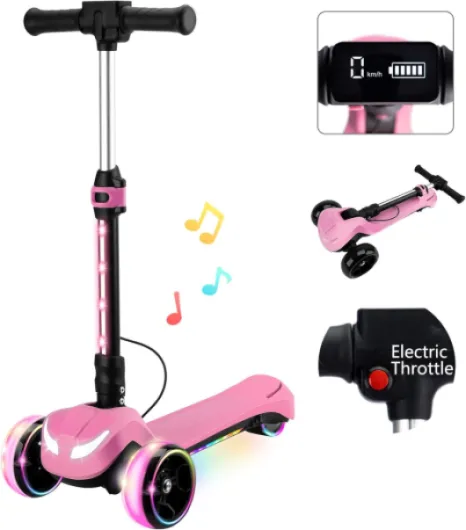
Understanding the need for scooter training wheels
Why Beginners Struggle with Balance on Electric Scooters
Electric scooters are becoming more popular in the United States, but many beginners find it challenging to keep their balance, especially when starting out. Unlike a bike or bicycle, scooters have a smaller wheel size and a different riding posture. This can make it harder for new riders to feel stable, particularly on models like the Razor Pocket Mod or other pocket mod scooters. The risk of tipping over is higher if you are not used to the way scooters handle, especially at low speeds or when navigating uneven surfaces.
Common Concerns for New Riders
- Fear of falling or losing control during the first rides
- Difficulty adjusting to the scooter’s weight and handling, especially with heavy duty models
- Uncertainty about how to safely start, stop, and turn
- Worry about damaging the product or parts during early practice
How Training Wheels Address These Issues
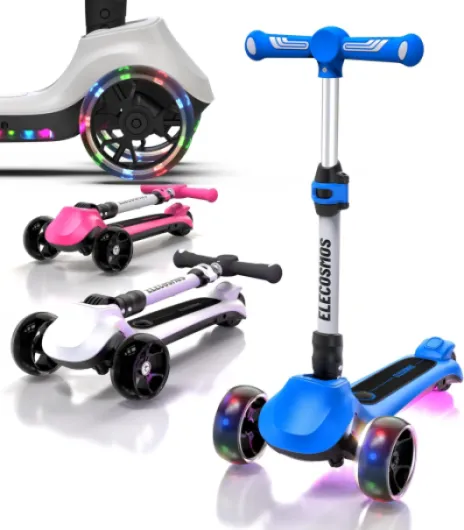
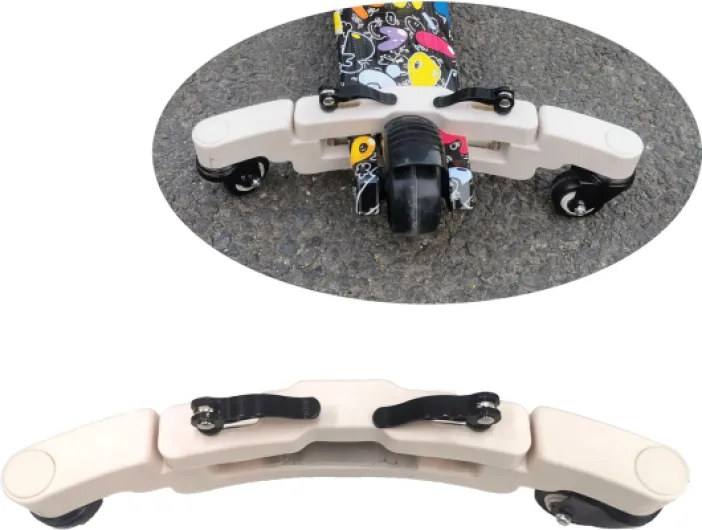
Training wheels, sometimes called trainer wheels or wheels training kits, offer a practical solution for beginners. By adding extra wheels to the scooter, these products provide extra stability, similar to what you’d find on bikes for kids. This helps riders build confidence and develop their skills incrementally, without the fear of falling. Training wheels for adults and kids are available, with options like solid steel axles, heavy duty mounts, and grade bolts for strength and durability. Some kits are designed for easy install, using bolts, washers, and steel axle parts that fit a variety of scooter models.
For anyone considering their first ride, it’s also important to think about safety gear. Wearing a helmet is strongly recommended. For more information on why helmets matter, read this guide on helmet safety with electric scooters.

How scooter training wheels work
How do training wheels attach to electric scooters?
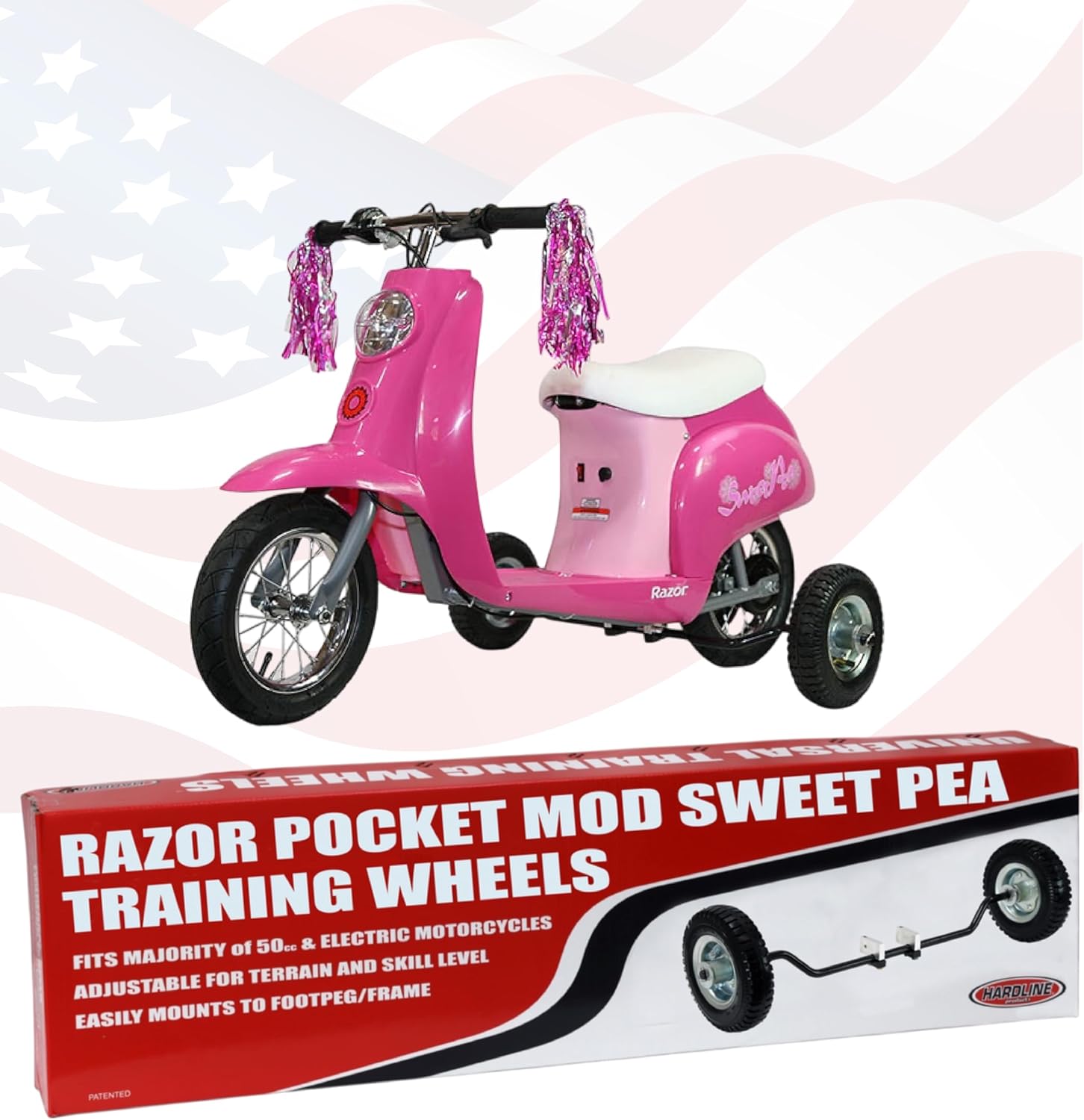
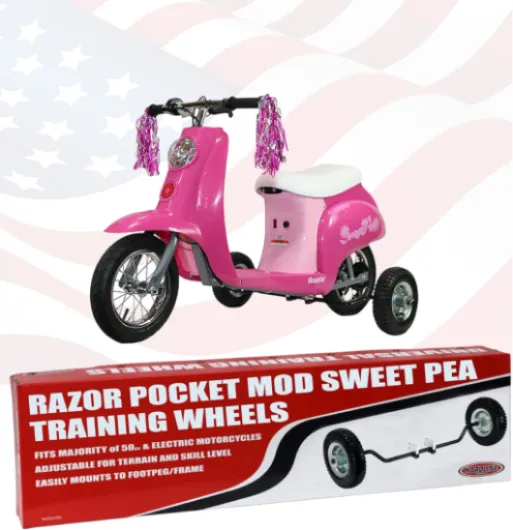
Training wheels for electric scooters are designed to provide extra balance, especially for beginners. The installation process is similar to what you might see on a bike or bicycle, but with some differences to fit various scooter models, such as the Razor Pocket Mod or other popular products in the United States. Most training wheels use a solid steel axle or heavy-duty mounts that attach near the rear wheel. This ensures strength, durability, and stability during your ride.
- Many kits include grade bolts, washers, and steel parts for a secure fit.
- Some products, like Hardline Products, offer easy install features for a quick setup.
- Wheels are often adjustable, allowing you to set the right height for your skill level and scooter size.
What makes scooter training wheels different from bike training wheels?
While both serve a similar purpose, scooter training wheels are tailored for the unique frame and weight distribution of electric scooters. For example, the Razor Pocket Mod and other mod scooters have different mounting points compared to bikes. Scooter wheels training kits are often more compact, with a focus on supporting the scooter’s weight and the rider’s balance. Some adult training wheels are built with heavy-duty materials to support heavier riders or larger scooter models.
Key features to look for in a training wheel kit
- Strength and durability: Solid steel axles and mounts grade bolts ensure the product can handle regular use.
- Adjustable size: Kits that allow you to change the wheel height help you progress as your riding improves.
- Compatibility: Make sure the kit fits your scooter model, whether it’s a Razor, Pocket Mod, or another brand.
- Easy installation: Look for kits that come with clear instructions and all necessary parts, including bolts, washers, and trainer wheels.
For more information on keeping your scooter secure and well-maintained, you can read this guide on securing your electric scooter's stem. This is especially important when adding or removing parts like training wheels.
Benefits of using training wheels on electric scooters
Why Training Wheels Matter for New Riders
Electric scooters are fun and practical, but for beginners, balancing on two wheels can be intimidating. Training wheels act as a safety net, letting riders focus on steering and speed control without worrying about tipping over. This is especially true for heavier scooter models or those with a higher center of gravity, like the Razor Pocket Mod or similar pocket mod scooters. By adding extra support, training wheels help new users build confidence and develop essential riding skills at their own pace.
Key Advantages of Using Training Wheels
- Increased stability: Training wheels, especially heavy duty options with a solid steel axle and grade bolts, provide extra balance. This is crucial for adults or kids learning to ride, and for those using larger or heavier scooters.
- Gradual skill development: Riders can incrementally improve their balance and control. As their skill level grows, the wheels can be adjusted or removed, making the transition to two wheels smoother.
- Reduced risk of falls: With proper installation using mounts grade parts and bolts washers, training wheels minimize the risk of accidents during the learning phase. This is particularly helpful for those who are new to riding or returning after a long break.
- Versatility: Many training wheels are compatible with different scooter models, including bikes and mod scooters. Some products are designed for easy install and can be used on both bicycles and scooters, offering flexibility for families with multiple riders.
- Cost-effective safety: While the price of quality training wheels varies, investing in a reliable product can prevent costly injuries and damage to your scooter. Brands like Hardline Products offer options known for strength durability and long-lasting performance.
Who Benefits Most from Training Wheels?
Training wheels are not just for kids. Adult training wheels and wheels for adults are available for those who need extra support, whether due to age, physical limitations, or simply a lack of experience. Riders of all ages can benefit from the added confidence and safety, especially when learning on a new product or a different size scooter. For those interested in the technical aspects, understanding the dynamics of electric scooter wheels can help you make an informed purchase and choose the right trainer for your needs.
| Feature | Benefit |
|---|---|
| Heavy duty steel axle | Ensures strength and durability for heavier riders |
| Easy install mounts | Quick setup, less hassle during installation |
| Adjustable size | Fits various scooter and bike models |
| Incremental wheels training | Allows gradual reduction of support as skills improve |
| Solid steel parts | Long-lasting product life and safety |
Choosing the right training wheels for your electric scooter
Key Factors to Consider Before Buying
When selecting training wheels for your electric scooter, it’s important to match the product to your scooter model and your skill level. Not all wheels are created equal, and the right choice can make your ride safer and more enjoyable. Here are some important points to keep in mind:
- Compatibility: Check if the training wheels are designed for your scooter model, such as the Razor Pocket Mod or other popular scooters. Some wheels are made specifically for bikes or bicycles, so make sure they fit electric scooters.
- Strength and Durability: Look for heavy duty options with a solid steel axle and mounts grade hardware. Products from brands like Hardline Products are known for their strength and durability, which is especially important for adult training or heavier riders.
- Size and Adjustability: Training wheels come in different sizes. Wheels for adults or larger scooter models may need to be bigger and stronger. Adjustable wheels allow you to incrementally raise them as your training progresses.
- Ease of Installation: Some products offer easy install features, including grade bolts, bolts washers, and clear instructions. This makes the process smoother and reduces the risk of common mistakes.
- Price and Value: Compare the price of different products, but don’t sacrifice safety for a lower cost. A well-built trainer with quality parts is a smart purchase for long-term use.
Comparing Popular Training Wheel Products
| Product | Compatible Scooter Models | Strength/Durability | Ease of Install | Price Range |
|---|---|---|---|---|
| Hardline Products Training Wheels | Razor, Pocket Mod, Mod Scooter, Bikes | Heavy Duty, Solid Steel | Easy Install, Grade Bolts | $$$ |
| Generic Steel Axle Wheels | Multiple Scooter Models, Bikes | Standard Steel | Requires Tools | $$ |
| Adjustable Adult Training Wheels | Wheels Adults, United States | Heavy Duty, Strength Durability | Easy Install | $$$ |
Tips for a Smart Purchase
- Read product reviews and check if the wheels are suitable for your riding needs.
- Consider if you need double wheels for extra stability, especially for beginners.
- Check if the parts and mounts grade are included in the package.
- For pocket mod scooters, make sure the wheels are designed for that specific model.
Choosing the right training wheels is a key step in making your scooter experience safer and more enjoyable. Take your time to compare options and select a product that matches your scooter, skill level, and riding style.
Installation tips and common mistakes to avoid
Preparation and Tools for a Smooth Installation
Before you start attaching training wheels to your electric scooter, gather the right tools and parts. Most kits for scooters like the Razor Pocket Mod or similar models include wheels, steel axle, bolts, washers, and mounting brackets. For heavy duty or adult training wheels, check for solid steel components and grade bolts for strength and durability. Double-check the size to match your scooter model and rider skill level. Reading the product manual or trainer instructions is essential to avoid missing steps.Step-by-Step Installation Tips
- Position the scooter on a flat, stable surface. This makes the process safer and easier.
- Attach the mounting brackets to the scooter frame, ensuring they align with the rear wheel axle. Use mounts grade bolts and washers for a secure fit.
- Slide the steel axle through the brackets and attach the training wheels. Make sure both wheels are at the same height for balanced riding.
- Tighten all bolts and nuts securely, but avoid over-tightening, which can damage parts or strip threads.
- Test the wheels by gently rocking the scooter side to side. There should be minimal movement, and the wheels should spin freely.
Common Mistakes to Avoid
- Using the wrong size wheels or parts for your scooter model. Always verify compatibility before purchase.
- Forgetting to use washers or using low-quality bolts, which can reduce strength and durability.
- Mounting the training wheels too high or too low. Wheels should touch the ground lightly, allowing the scooter to lean slightly for proper training.
- Not checking the tightness of bolts after the first few rides. Vibrations can loosen hardware, so recheck after initial use.
- Ignoring the rider’s weight limit. Some wheels for adults or heavy riders require reinforced steel axles and heavy duty components.
Extra Tips for Longevity and Safety
- Choose wheels incrementally adjustable in height to match the rider’s progress.
- Consider hardline products if you need extra strength for frequent or rough riding.
- Store spare parts like bolts, washers, and brackets in a pocket or bike bag for quick repairs.
- Read reviews and compare price and product features before making a purchase, especially for specialized scooter models or pocket mod scooters.
When and how to transition away from training wheels
Recognizing When You're Ready to Remove Training Wheels
As you gain confidence and balance while riding your electric scooter, you may start to wonder when it's time to take off the training wheels. The right moment depends on your skill level, comfort, and the type of scooter you use. Riders who can maintain stability during turns, start and stop smoothly, and handle uneven surfaces may be ready to transition. It's important to assess your progress honestly and not rush the process, especially if you ride a heavier model like the Razor Pocket Mod or a scooter with a solid steel axle.
Steps to Transition Away from Training Wheels
- Practice in a Safe Area: Before removing the wheels, practice riding in a controlled environment, such as an empty parking lot or a quiet street. This helps you get used to the scooter's weight and handling without distractions.
- Gradually Reduce Support: Some training wheels, like those from Hardline Products, allow you to adjust the height. Raise the wheels incrementally so they provide less support, encouraging you to balance more on your own.
- Check All Parts: Before and after removing the training wheels, inspect all bolts, washers, and mounts. Use grade bolts and ensure everything is tightened to maintain strength and durability, especially if your scooter is a heavy-duty model.
- Ask for Feedback: If possible, have someone observe your riding. They can point out areas for improvement and help you decide if you're ready to ride without the extra support.
Common Mistakes to Avoid During the Transition
- Removing Too Soon: Taking off the training wheels before you're ready can lead to falls or a loss of confidence. Make sure you can ride comfortably and control the scooter at different speeds.
- Ignoring Product Instructions: Each scooter model and training wheel kit, such as those for the Razor Pocket Mod or adult training wheels, may have specific instructions. Always read the product manual before making changes.
- Not Adjusting for Size: Training wheels for bikes or bicycles may not fit all scooter models. Ensure the wheels and mounts are the correct size for your scooter to avoid instability.
What to Expect After Removing Training Wheels
Once you remove the training wheels, expect a short adjustment period. Your ride may feel different, especially if you were using heavy-duty or double wheels for extra stability. Take it slow and avoid busy areas until you feel fully comfortable. If you experience difficulty, you can always reinstall the wheels or try a different trainer product to build confidence.
Remember, transitioning away from training wheels is a personal process. With the right preparation and attention to safety, you'll soon enjoy the freedom and control of riding your electric scooter independently.