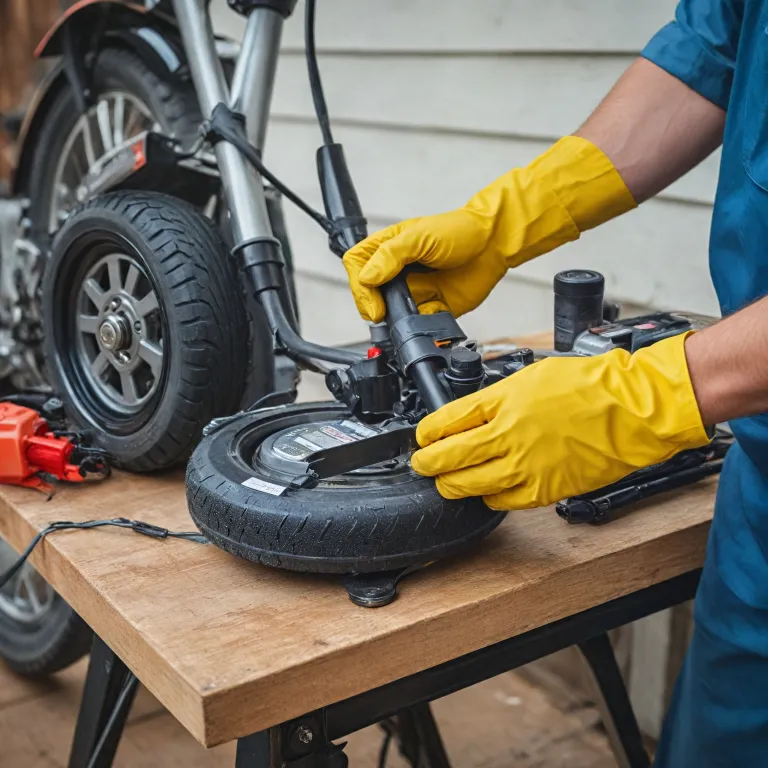

Why electric scooter maintenance matters for every ride
Electric scooter maintenance protects your investment and your safety. When you keep electric systems, mechanical parts, and the battery in good order, you reduce unexpected issues during a ride and extend the scooter lifespan. Thoughtful care also preserves performance so electric scooters remain efficient and enjoyable in daily use.
Before every ride, perform a quick pre ride safety check to catch problems early. Look over the scooter frame, wheels, and visible parts for cracks, loose screws, or signs of wear and tear that might worsen on rough roads. This habit of regular maintenance helps ensure that small issues never become dangerous failures at speed.
Pay particular attention to the electric scooter battery and charging habits. Good battery care means avoiding full discharges, using the correct charger, and unplugging once charging is complete to protect lithium ion cells. With consistent care, the battery will hold capacity better over the long term and keep scooter range predictable.
Brakes and tires are the core safety systems on all scooters. Check the brake lever feel, inspect brake cables or hydraulic lines, and confirm that disc brakes engage smoothly without grinding noises. At the same time, verify tire pressure, tire wear, and any cuts so the scooter maintains grip and stability on wet or uneven surfaces.
Cleaning is another essential part of scooter maintenance that many riders overlook. A regular cleaning routine removes dirt debris that can hide cracks, accelerate wear, and interfere with moving parts. When you clean scooter components gently and often, you keep scooter details visible and the whole machine in top condition.
Daily and weekly checks to keep scooter safety high
Short, regular checks are the foundation of practical electric scooter maintenance. Start with a visual inspection of the electric scooter deck, stem, and folding mechanism, looking for play or movement that should not be there. If you notice looseness, stop the ride and tighten bolts before the next journey to ensure structural integrity.
Next, focus on the wheels, tire pressure, and general tire condition. Use a reliable gauge to check tire pressure against the manufacturer recommendation, because underinflated tires increase wear and reduce performance while overinflated tires reduce grip. Inspect both tires for uneven wear patterns, embedded objects, or sidewall damage that could cause issues during a fast ride.
Brakes deserve a dedicated moment in every pre ride routine. Gently squeeze the levers and listen for scraping that might indicate worn brake pads or misaligned disc brakes on modern electric scooters. When you regularly inspect brake components, you can replace parts before braking performance drops and keep electric stopping distances short.
For the electric system, check that lights, display, and throttle respond correctly. Confirm that the battery indicator behaves normally and that no error codes appear, because these early signals often reveal hidden issues. If something feels off, postpone the ride and consult professional scooter maintenance support rather than risking sudden failure in traffic.
Finally, wipe down high contact areas to remove sweat, dust, and dirt debris. This light cleaning keeps controls comfortable, prevents grime from entering switches, and makes it easier to spot wear or cracks in plastic parts. Riders who follow these maintenance tips each week usually keep scooter reliability high and enjoy smoother, safer rides.
Brake care and tire management for safer stopping
Effective braking is central to electric scooter maintenance and rider confidence. Most modern electric scooters use disc brakes combined with electronic braking, which together provide strong stopping power when correctly adjusted. To keep electric braking systems reliable, you must inspect brake components regularly and respond quickly to any change in feel or noise.
Begin by checking brake pads for thickness and even wear. If brake pads look glazed, cracked, or very thin, replace them immediately to maintain consistent braking performance and avoid damage to disc brakes. Riders who inspect brake parts often reduce the risk of metal on metal contact, which can be costly and dangerous during an emergency stop.
Next, spin each wheel and listen for rubbing against the brake rotor. Slight rubbing may indicate misalignment that increases wear and reduces range, because the scooter motor must work harder. A properly aligned system allows the wheel to spin freely, improves performance, and helps ensure that brakes engage only when you pull the lever.
Tires also play a crucial role in stopping distance and ride stability. Maintain correct tire pressure to balance comfort, grip, and durability, because low pressure increases rolling resistance while high pressure reduces contact with the road. Regular maintenance of tires, including rotation when possible, helps distribute wear and keeps scooter handling predictable.
When you clean scooter wheels, remove stones and dirt debris from tread patterns. This simple cleaning step reduces wear, protects the tire carcass, and reveals cuts or bulges that might cause issues later. For riders who want extra stability, reviewing guidance on an e scooter with four wheels for better stability and comfort can complement strong brake maintenance habits.
Battery care, charging habits, and long term storage
The battery is the heart of every electric scooter, so careful battery care is essential. Most electric scooters use lithium ion cells, which offer high energy density but require thoughtful charging routines. To keep electric power systems healthy, avoid fully draining the battery and instead recharge when capacity drops to around thirty or forty percent.
Use only the charger supplied or approved by the scooter manufacturer. Incorrect chargers can overheat lithium ion packs, reduce long term capacity, and even create safety issues during charging. Place the scooter on a hard, ventilated surface while charging, and unplug once the indicator shows full to limit stress on the cells.
For term storage, never leave the battery completely full or empty. Aim for a medium charge level, then store the scooter in a cool, dry place away from direct sunlight or freezing temperatures. During long term storage, perform a quick check every few weeks and top up the battery slightly to prevent deep discharge damage.
Regular maintenance of the charging port is also important. Gently remove dirt debris from the port area, check for corrosion, and ensure the rubber cap closes properly after each ride. These small actions keep scooter electrical contacts clean and help ensure reliable charging over many seasons.
When planning upgrades or comparing models, consider how battery capacity, motor power, and brake systems interact with your daily ride distance. Detailed product tests, such as this long range commuting scooter review, can illustrate how good battery care and strong disc brakes contribute to overall performance. Combining informed choices with disciplined battery care will keep scooter range and reliability in top condition.
Cleaning routines to reduce wear and keep performance high
Thoughtful cleaning is a core part of electric scooter maintenance, not just a cosmetic habit. When you clean scooter components correctly, you remove dirt debris that grinds between moving parts and accelerates wear. This careful approach helps keep electric scooters running smoothly and preserves both appearance and performance.
Start with a gentle rinse using a damp cloth rather than high pressure water. Excessive water pressure can push moisture into bearings, electric connectors, and the battery compartment, creating issues that appear weeks later. Instead, wipe the scooter frame, deck, and stem carefully, then dry surfaces with a soft towel to prevent corrosion.
Focus on high wear areas such as folding joints, brake mechanisms, and around the tires. Removing grit from these parts reduces wear tear on hinges and pivots, which are critical for safe folding and unfolding before each ride. After cleaning, apply a light lubricant where recommended by the manufacturer, but keep it away from brake pads and disc brakes.
Regular maintenance of the wheels includes cleaning the rims, hubs, and visible suspension parts. By clearing away mud and stones, you help ensure that tire wear remains even and that tire pressure checks stay accurate. Clean wheels also make it easier to spot cracks or loose spokes on certain scooter designs.
Finally, keep scooter accessories such as lights, reflectors, and displays free from dust. Clear lenses improve visibility, while a clean display allows you to monitor speed, battery level, and potential error codes during a ride. Riders who integrate these maintenance tips into a weekly routine usually keep electric scooters in top condition for many years.
Planning regular maintenance and knowing when to seek help
A structured schedule for electric scooter maintenance prevents small problems from becoming serious failures. Create a simple checklist that covers brake function, tire pressure, battery care, and visible wear on parts. Review this list every few weeks so you can keep electric systems and mechanical components aligned with the manufacturer recommendations.
Some tasks, such as adjusting disc brakes or replacing brake pads, are manageable for confident home mechanics. However, if you notice persistent noises, uneven tire wear, or sudden drops in performance, professional scooter maintenance is advisable. Technicians can inspect brake systems, test the battery, and identify hidden issues that might escape a quick pre ride check.
When planning long term ownership, budget for replacement parts like tires, tubes, and brake pads. These consumable parts experience natural wear tear, especially if you ride daily on rough surfaces or steep hills. Regular maintenance that includes timely replacement of these items keeps scooter handling precise and braking distances short.
It is also wise to track charging cycles and range over time. If you observe a steady decline in distance per charge despite careful battery care, the lithium ion pack may be approaching the end of its service life. In such cases, professional testing can confirm the diagnosis and help ensure safe recycling and replacement.
For riders exploring different formats, resources on sit down scooters for adults can complement your understanding of maintenance needs. Regardless of model, the principles remain similar, and consistent regular maintenance will keep scooter performance, comfort, and safety in top condition.
Adapting scooter maintenance to seasons and riding conditions
Real world electric scooter maintenance must adapt to weather, terrain, and usage patterns. In wet conditions, water and dirt debris combine to increase wear on brakes, tires, and moving parts, so post ride cleaning becomes more important. Riders who keep scooter components dry and clean after rain usually avoid corrosion and premature wear.
Cold temperatures affect lithium ion batteries by temporarily reducing capacity and performance. To keep electric range acceptable in winter, store the scooter indoors before a ride and avoid charging in very low temperatures. After the ride, allow the battery to warm gradually to room temperature before starting any charging cycle.
Hot climates introduce different challenges for electric scooters. High heat can stress the battery, soften rubber parts, and accelerate wear tear on tires, especially when tire pressure is already high. Regular maintenance in these conditions includes more frequent pressure checks, shade parking, and careful monitoring of charging times.
Off road paths or rough urban streets also influence scooter maintenance needs. Impacts from potholes can loosen bolts, misalign disc brakes, and cause hidden cracks in structural parts, so thorough inspections are vital after demanding rides. Pay special attention to the stem, folding latch, and wheel axles, because these areas carry heavy loads.
By tailoring maintenance tips to your environment, you ensure that scooter maintenance remains effective throughout the year. Whether you ride occasionally or rely on electric scooters daily, consistent checks of brakes, tires, battery care, and cleaning will keep scooter reliability high. Over time, this disciplined approach keeps electric transport safe, efficient, and in top condition for urban mobility.
Key statistics about electric scooter maintenance
- Include here the most relevant percentage of accidents linked to poor brake or tire maintenance when such verified statistics are available.
- Mention the average range loss observed in lithium ion batteries after several hundred charging cycles, based on trusted technical measurements.
- Highlight the proportion of electric scooters that require tire or brake pads replacement within the first thousands of kilometres.
- Indicate the estimated increase in component lifespan when riders follow regular maintenance and correct tire pressure guidelines.
Frequently asked questions about electric scooter maintenance
How often should I check tire pressure on my electric scooter ?
Check tire pressure at least once a week, and always before long rides. Frequent checks help maintain grip, reduce wear, and protect the rim from impacts. Use a quality gauge and follow the pressure range recommended by the manufacturer.
When do brake pads need replacement on electric scooters ?
Brake pads should be replaced when the friction material becomes thin or you hear persistent scraping. Many riders find that pads wear faster in hilly cities or wet climates. Inspect them monthly and change them immediately if braking performance feels weaker.
What is the best way to store an electric scooter long term ?
For long term storage, keep the battery around half charge and place the scooter in a cool, dry room. Avoid direct sunlight, extreme cold, or damp basements that encourage corrosion. Every few weeks, check the battery level and top up slightly if it has dropped.
Can I wash my electric scooter with a pressure washer ?
A pressure washer is not recommended because strong jets can push water into bearings and electric parts. Instead, use a damp cloth, mild soap, and a soft brush for stubborn dirt. Dry the scooter thoroughly afterward, especially around the charging port and brakes.
How long does an electric scooter battery usually last ?
Most lithium ion batteries last several hundred full charging cycles before noticeable capacity loss. With gentle battery care and moderate daily use, this often translates into several years of service. Range will gradually decrease, so monitor performance and plan for eventual replacement.