

Understanding battery capacity and range
What battery capacity really means for your ride
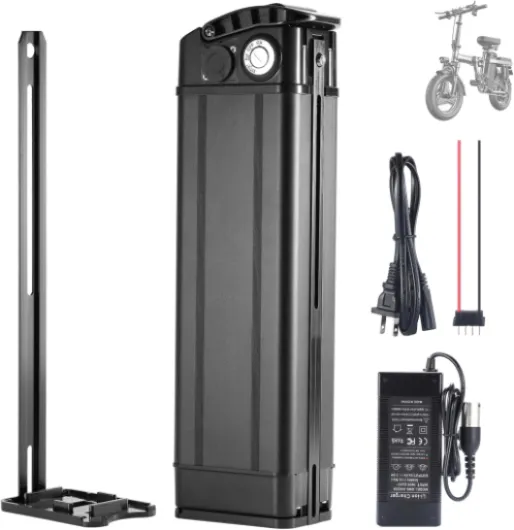
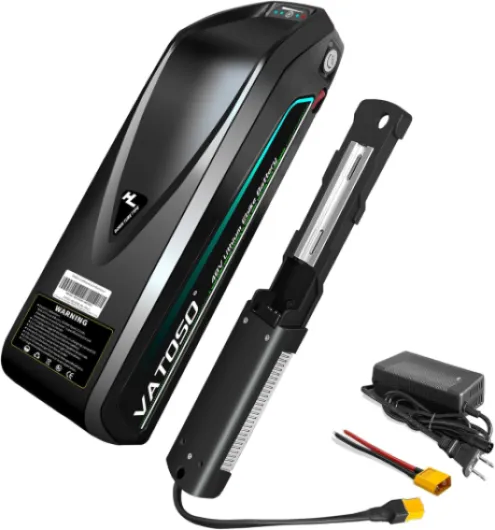
When you’re looking to ride your electric scooter or electric bike for up to 80 km (about 50 miles), understanding battery capacity is crucial. The battery is the heart of your electric ride, directly affecting how far you can go on a single charge. Battery capacity is usually measured in watt-hours (Wh), which tells you how much energy the battery can store. The higher the Wh, the longer your range miles—assuming all other factors stay the same.
How battery specs translate to real-world range
It’s easy to get lost in numbers, but here’s the simple part: a bigger battery pack generally means more miles range. However, the actual distance you’ll cover depends on more than just the battery size. The motor power, your average speed mph, tire type (like fat tire or standard), and even how much you use pedal assist or throttle all play a role. For example, a 500Wh battery on a lightweight ebike with pedal assist will likely take you farther than the same battery on a heavier, pure electric scooter with a powerful hub motor.
- Motor and battery: The combination of your motor and battery ebike setup determines how efficiently you use stored energy.
- Speed and riding style: Riding at higher speed mph or using throttle miles instead of pedal assist drains the battery faster.
- Tire and terrain: Fat tire electric bikes or scooters with disc brakes and rear hub motors may use more energy, especially on rough terrain.
Why battery type and build matter
Most modern electric scooters and electric bicycles use lithium battery technology. Lithium batteries are lighter, last longer, and provide more consistent power compared to older types. The way your battery is built—its quality, how it’s integrated into the frame, and even how easy it is to remove or replace—can impact both your battery life and your overall riding experience.
For a detailed breakdown of all the essential components that influence your scooter’s performance, including the battery, read this guide on essential e-scooter components.

Key factors affecting your scooter’s range
What Impacts Your Scooter’s Real-World Range?
When you’re aiming for an 80 km ride on your electric scooter or electric bike, it’s easy to focus on the battery specs. But real-world range is influenced by several factors beyond just the battery pack. Understanding these can help you make smarter choices and get the most out of your ride.
- Rider Weight and Cargo: Heavier riders or carrying extra gear means the motor and battery have to work harder, which can reduce your miles range. If you plan to use your ebike or electric scooter for commuting with a backpack or groceries, factor this into your range expectations.
- Terrain and Elevation: Riding on hills or rough surfaces, like gravel or fat tire trails, drains the battery faster than cruising on flat, smooth roads. Steep climbs require more power from the motor and battery, impacting your total range miles.
- Speed and Riding Style: The faster you go, the more energy you use. Riding at high speed mph or using throttle miles instead of pedal assist will shorten your battery life. Smooth, steady riding with pedal assist can help you reach closer to the advertised range.
- Tire Type and Pressure: Under-inflated tires or heavy fat tire electric bikes create more rolling resistance, making the motor work harder. Keeping your tire electric pressure at the recommended level helps improve efficiency and range.
- Weather Conditions: Cold temperatures can reduce lithium battery performance, while wind and rain can also make your ride less efficient. If you’re in the United States or any region with variable weather, plan accordingly.
- Motor Efficiency: The type of motor—whether it’s a rear hub, front hub, or mid-drive—affects how efficiently your bike or scooter uses power. Hub motors are common in electric scooters and can be easy to maintain, but efficiency varies by build and quality.
- Braking and Acceleration: Frequent stops and starts, especially with disc brakes, use more energy. Try to ride smoothly and anticipate stops to conserve battery ebike power.
All these factors combine to determine how far you’ll actually go on a single charge. For more insights on how these elements affect the lifespan and performance of your electric scooter or electric bicycle, read this guide on electric scooter lifespan.
Types of batteries suitable for 80 km rides
Popular Battery Types for Long-Distance Electric Rides
When planning for an 80 km ride on your electric scooter or ebike, the type of battery you choose is crucial. Not all batteries are created equal, and your choice will directly impact your range, speed, and overall riding experience. Here’s what you need to know about the main battery options available for electric bicycles and scooters in the United States.
- Lithium-ion batteries: These are the most common batteries for modern electric bikes and scooters. They offer a high energy density, making them lighter and more compact compared to older technologies. Lithium battery packs are known for their long battery life and ability to deliver consistent power, whether you’re using pedal assist or pure electric throttle modes. Most bikes and scooters with an 80 km range use lithium-ion cells.
- Lead-acid batteries: While cheaper, these are heavier and bulkier. They’re less common in new electric scooters and ebikes due to their lower energy density and shorter lifespan. Lead-acid batteries can be found in some budget models, but they’re not ideal if you want to maximize your miles range or keep your build easy to handle.
- Nickel-metal hydride (NiMH) batteries: These are a step up from lead-acid in terms of weight and capacity, but they still lag behind lithium options. NiMH batteries are less common in today’s electric bike and scooter market.
Choosing the Right Battery for Your 80 km Ride
For an 80 km range, most riders opt for a lithium battery pack with a capacity between 600Wh and 1000Wh, depending on factors like motor efficiency, rider weight, tire type (such as fat tire or standard), and riding conditions. A higher capacity battery ebike setup will generally provide more miles per charge, especially if you use pedal assist or ride at moderate speed mph. If your route includes hills or you prefer throttle miles over pedaling, consider a larger battery pack to avoid running out of power mid-ride.
| Battery Type | Typical Range Miles | Weight | Best For |
|---|---|---|---|
| Lithium-ion | 40–100+ | Light | Long rides, easy handling, fast charging |
| Lead-acid | 10–30 | Heavy | Short trips, low upfront cost |
| NiMH | 20–50 | Moderate | Older models, moderate range |
When selecting a battery for your electric bike or scooter, also consider compatibility with your motor (hub motor or rear hub), controller, and frame. Some bikes offer front or rear battery mounting, and tire electric setups may affect your build and balance. Disc brakes and fat tire designs can also influence your battery choice, as they may require more power for efficient riding.
If you’re considering a refurbished electric scooter or bike, check out this guide to refurbished electric scooters for tips on what to look for in a used battery pack and how to ensure safe, reliable performance.
How to calculate the right battery for your needs
Calculating the Battery Size for Your Desired Range
When planning for an 80 km ride on your electric scooter or ebike, you need to match your battery capacity to your expected range miles. The process is straightforward, but it’s important to factor in real-world conditions like speed, tire type, and motor efficiency. Here’s how you can estimate the right battery pack for your needs:
- Determine your average energy consumption: Most electric scooters and electric bikes consume between 10 and 20 watt-hours (Wh) per mile, depending on the motor, riding style, and terrain. For fat tire or heavy builds, expect higher consumption.
- Convert your desired range to miles: 80 km is roughly 50 miles. This helps when comparing battery specs, as many manufacturers in the United States list range miles.
- Calculate total energy needed: Multiply your estimated consumption (Wh per mile) by your target miles range. For example, if your scooter uses 15 Wh per mile, you’ll need about 750 Wh for 50 miles (15 Wh x 50 miles).
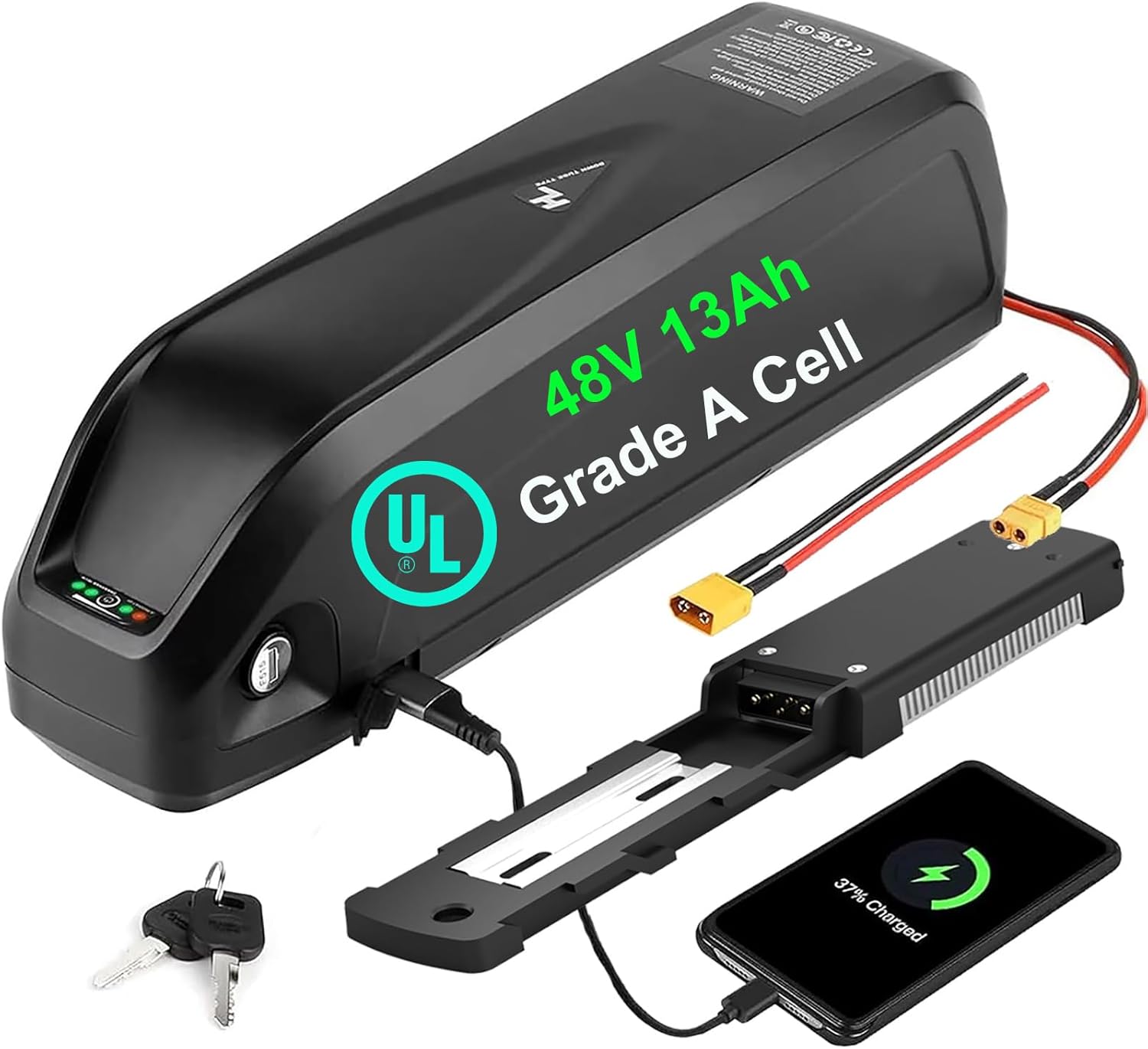
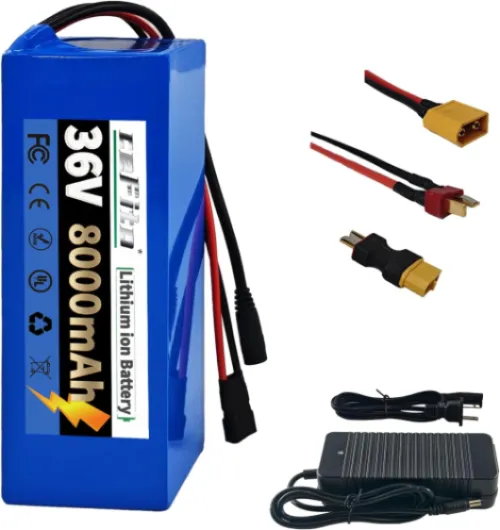
- Check battery voltage and amp-hours: Battery capacity is often listed as voltage (V) times amp-hours (Ah). For example, a 48V 16Ah battery gives you 768 Wh (48 x 16).
It’s easy to overlook factors like pedal assist, throttle miles, or pure electric mode. Using pedal assist can extend your battery life, while riding at higher speed mph or using only the throttle will drain your battery faster. Also, tire electric types (like fat tire or standard) and motor type (hub motor, rear hub, or front rear setups) can affect efficiency.
| Battery (V x Ah) | Total Wh | Estimated Range (miles) |
|---|---|---|
| 36V 20Ah | 720 | 45-50 |
| 48V 16Ah | 768 | 50-55 |
| 52V 20Ah | 1040 | 65-70 |
Remember, your actual range will depend on factors like speed, tire pressure, weight, and how much you use pedal assist versus throttle. If you’re planning to build or upgrade your own electric bike or scooter, always check compatibility with your motor and controller. A lithium battery is recommended for its balance of weight, battery life, and performance.
For those who want to maximize their ride time and ensure a reliable commute, investing in a quality bike battery or battery ebike pack is key. Don’t forget to consider disc brakes and tire quality for safety, especially if you’re upgrading to a larger battery for longer rides.
Practical tips to maximize your battery life
Smart Charging Habits for Longer Battery Life
To get the most out of your electric bike battery, it’s important to develop smart charging habits. Avoid letting your lithium battery drain completely before recharging. Instead, try to keep the charge between 20% and 80% most of the time. This helps maintain the health of your battery pack and extends its lifespan. Also, use the charger recommended by your bike or electric scooter manufacturer to prevent damage and overheating.
Optimize Your Riding Style
How you ride has a direct impact on battery life and range miles. Smooth acceleration and gentle braking are key. Using pedal assist on your ebike or electric bicycle can help you cover more miles per charge, especially if you’re aiming for an 80 km ride. If your model has throttle miles mode, use it sparingly, as pure electric riding drains the battery faster. Riding at moderate speed mph rather than top speed also conserves energy.
Maintain Proper Tire Pressure and Components
Keeping your tire electric pressure at the recommended level reduces rolling resistance, making it easier for the motor to move the bike. This is especially important for fat tire models, which can lose efficiency if underinflated. Regularly check your disc brakes, front rear hub motor, and drivetrain to ensure everything runs smoothly. A well-maintained electric bike or scooter is more efficient and helps maximize your battery life.
Plan Your Route and Use Terrain to Your Advantage
Flat routes are easier on your battery than hilly ones. If possible, plan your ride to avoid steep climbs, or use pedal power to assist the motor on tough sections. This will help you achieve the desired miles range and make your battery ebike last longer per charge.
Store and Handle Your Battery With Care
Temperature extremes can shorten the life of your lithium battery. Store your bike battery in a cool, dry place when not in use. Avoid leaving your battery pack in direct sunlight or freezing conditions, whether you’re in the United States or elsewhere. If you won’t be riding for a while, store the battery at about 50% charge to preserve its health.
- Charge after every ride, but don’t overcharge overnight
- Check tire pressure before each ride
- Use pedal assist to extend range miles
- Keep your bike or scooter clean and free from debris
- Monitor battery health with your display or app if available
Safety considerations when upgrading your battery
Battery upgrades: what you need to check before installation
When considering a new battery for your electric scooter or ebike, safety should always come first. Upgrading your battery pack to achieve a longer range, like 80 km or more, can be tempting, but it’s important to ensure compatibility with your bike’s motor, controller, and frame. Not all lithium battery packs are created equal, and using the wrong type can damage your electric bike or even create a fire risk.
- Check voltage and capacity: The battery voltage must match your motor and controller. A mismatch can cause overheating or poor performance. For example, a 48V battery is common, but always confirm what your electric bicycle or scooter supports.
- Inspect wiring and connectors: Upgrading to a higher capacity battery ebike pack may require new connectors or thicker wires to handle the increased current, especially if you ride at higher speeds or use throttle miles mode often.
- Mounting and weight: A larger battery is heavier and may affect your bike’s balance, especially on fat tire or front rear hub motor models. Make sure your frame and mounting points can support the extra weight without compromising safety or handling.
- Battery management system (BMS): A quality BMS helps prevent overcharging, overheating, and deep discharging, all of which can shorten battery life or cause hazards. Always choose a battery pack with a reliable BMS.
- Professional installation: If you’re not experienced with electric bike builds, have a professional handle the installation. This reduces the risk of wiring errors or short circuits that could damage your bike or cause injury.
Safe charging and storage for your new battery
Proper charging and storage are key to maximizing battery life and ensuring safety. Use only the charger recommended by your battery manufacturer. Avoid charging your battery overnight or unattended, as lithium batteries can be sensitive to overcharging. Store your battery in a cool, dry place, away from direct sunlight and flammable materials. If you’re not riding for a long time, keep the battery at around 50% charge to preserve its health.
Legal and warranty considerations
In the United States and other regions, modifying your electric scooter or ebike with a non-standard battery may void your warranty or affect compliance with local regulations. Check your local laws regarding speed mph limits, pedal assist requirements, and maximum battery capacity for electric bicycles. Always read your bike’s manual and warranty terms before making any upgrades.
| Safety Check | Why It Matters |
|---|---|
| Voltage Compatibility | Prevents motor/controller damage |
| Proper Wiring | Reduces fire risk and ensures full power delivery |
| Secure Mounting | Maintains bike stability and safety |
| Quality BMS | Protects battery life and prevents hazards |
| Correct Charger | Prevents overcharging and battery damage |
Taking these steps will help ensure your ride is not only longer, but also safer and more reliable, whether you’re using pedal assist, throttle, or pure electric modes. Always prioritize safety when upgrading your bike battery for those extra miles range.